


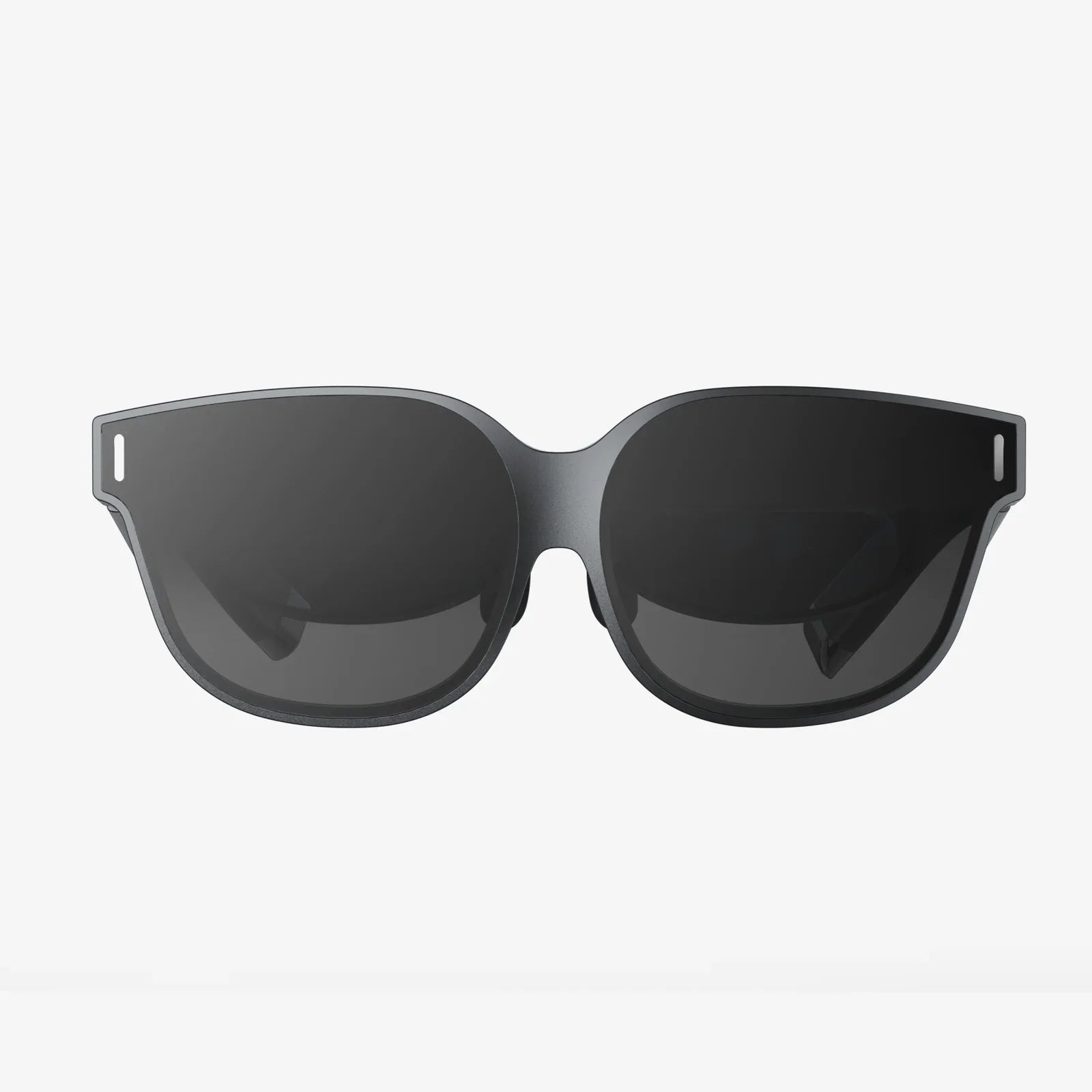
Imagine a world where your clothing monitors your health, your glasses overlay digital information onto the real world, and your watch is your personal gateway to a universe of data. This is no longer the realm of science fiction; it is the present and future being forged by the intricate and demanding discipline of wearable tech design. The journey from a raw concept to a device that lives on the body is a fascinating saga of compromise, innovation, and profound user connection. It’s a field where milliseconds of latency matter as much as millimeters of thickness, and where a charging routine can be the difference between a beloved device and a forgotten drawer relic.
The Unforgiving Canvas: Designing for the Human Body
The primary and most significant challenge that separates wearable tech design from any other product category is its intimate and constant connection to the human form. A smartphone can be tucked away in a pocket; a laptop sits on a desk. A wearable, by its very definition, becomes an extension of the self. This imposes a unique set of constraints and considerations that designers must master.
The concept of biomechanical integration is paramount. How does the device move with the body? Does it chafe during a morning run? Does it feel weightless during sleep? Can it withstand the subtle flex of a wrist or the sweat of a workout? Materials science becomes a core design element. Silicone, titanium, ceramics, and advanced polymers are selected not just for aesthetics but for their hypoallergenic properties, weight, durability, and comfort against skin. The form factor must be ergonomic, contouring to the diverse shapes and sizes of a global population without feeling intrusive.
Furthermore, this intimacy breeds a heightened level of social and aesthetic scrutiny. A phone is a tool; a wearable is often a fashion statement. It is visible. It sits on your wrist, in your ears, or on your face. Therefore, its design cannot be purely functional. It must resonate on a personal level, allowing for individual expression. This has led to the emergence of a critical principle: design authenticity. A wearable should not look like a shrunken-down computer; it should look like it belongs on the body, whether that means mimicking traditional jewelry, sporting apparel, or forging a new, futuristic aesthetic that people are proud to display.
The Trinity of Excellence: Hardware, Software, and Experience
Superior wearable tech design is achieved only when three distinct disciplines are seamlessly woven into a single, cohesive experience. A failure in any one area dooms the entire product.
The Hardware Conundrum: Power vs. Performance vs. Size
At the heart of every wearable is a battle against physics. Designers and engineers are locked in a constant tug-of-war between three opposing forces: processing power (performance), battery life (power), and physical size (form factor).
Consumers demand devices that are powerful enough to run complex algorithms for health tracking, voice assistants, and connectivity, all while lasting multiple days on a single charge and being so small and light they are barely noticeable. This is the fundamental paradox of wearable design. Advancements in microchip efficiency, sensor miniaturization, and battery energy density are slowly easing this tension, but the trade-offs remain the most critical decisions in the development process. The choice of a display technology—bright always-on OLED versus power-sipping memory-in-pixel LCD—is a direct reflection of which side of this triangle the designer prioritizes.
The Software Symphony: Glancing, Not Staring
The software experience on a wearable is fundamentally different from that on a phone or computer. The goal is not to immerse the user for hours but to provide glanceable information and enable micro-interactions that take seconds. The user interface (UI) and user experience (UX) must be ruthlessly efficient.
This necessitates a design philosophy of minimalism and context-awareness. Complications on a watch face, notifications that are prioritized and summarized, and haptic feedback that communicates silently are all hallmarks of good wearable software design. The operating system must be optimized to eliminate lag, as even a half-second delay feels like an eternity when raising your wrist. Typing is often impractical, forcing designers to innovate with voice commands, pre-set quick replies, and intuitive swipe gestures. The software must be an invisible butler, anticipating needs and delivering information without requiring effort.
The Experience Ecosystem: Beyond the Device
No wearable is an island. Its true value is unlocked within a larger ecosystem, almost always tethered to a companion application on a smartphone or computer. This companion app is where the deep dive happens—analyzing sleep stages, reviewing heart rate trends, configuring settings, and updating firmware.
The design of this ecosystem is crucial. The data collected by the wearable must be translated into actionable and understandable insights. Presenting a user with a raw spreadsheet of their heart rate variability is useless. Showing them a simple score with a explanation of how to improve it through mindfulness is powerful. The ecosystem must build a narrative around the user's data, helping them understand their own body and habits better. Privacy and security design within this ecosystem are also non-negotiable, given the sensitivity of the health and location data being collected.
The Next Frontier: Contextual and Ambient Intelligence
As sensor technology and artificial intelligence continue to evolve, the next wave of wearable tech design is shifting from passive tracking to active, contextual awareness. Future devices will move beyond simply counting steps and monitoring heart rate. They will aim to understand the why and the what now.
Imagine a device that doesn't just know you're stressed because your heart rate is elevated; it understands the context—you're in a crowded meeting on your third day of poor sleep—and suggests a specific breathing exercise it knows works for you. This is ambient intelligence: technology that fades into the background, working proactively without requiring explicit commands. It requires a sophisticated fusion of data from multiple sensors (accelerometer, gyroscope, microphone, bioimpedance, temperature) processed through machine learning models on the device itself for speed and privacy.
This evolution will place even greater emphasis on ethical design. Designers will need to build in transparency—allowing users to see what data is being collected and how it's being used—and ensure that suggestions are helpful, not nagging. The goal is to create a supportive digital companion that enhances human capability, not one that adds to digital anxiety.
Sustainability and the Cycle of Life
The very nature of wearables—small, personal, and tech-heavy—creates a significant sustainability challenge. The industry is grappling with the environmental impact of manufacturing millions of devices with short lifespans, often limited by non-replaceable batteries.
Forward-thinking design is now incorporating circular economy principles. This includes designing for repairability and upgradability, using recycled and recyclable materials, offering robust trade-in programs, and ensuring devices can be easily disassembled at the end of their life. Designing for longevity isn't just about durable hardware; it's about providing software support for many years and creating timeless aesthetics that people won't want to replace simply because they look outdated. The most responsibly designed wearable is one that stays on a user's wrist for as long as possible.
From the initial sketch to the final software update, wearable tech design is a breathtakingly complex ballet of art, engineering, psychology, and ethics. It demands a holistic view of the human experience, considering not just what a device can do, but how it makes the user feel—empowered, not overwhelmed; connected, not tethered; enhanced, not replaced. The designers who master this delicate balance are not just creating gadgets; they are sculpting the very interface through which we will increasingly experience our digital lives, crafting the elegant, intelligent, and indispensable second skins of tomorrow.
Share:
Computer Goggles: The Ultimate Defense for the Digital Eye Strain Epidemic
Mixer Reality The Convergence of Physical and Digital Audio Workflows