


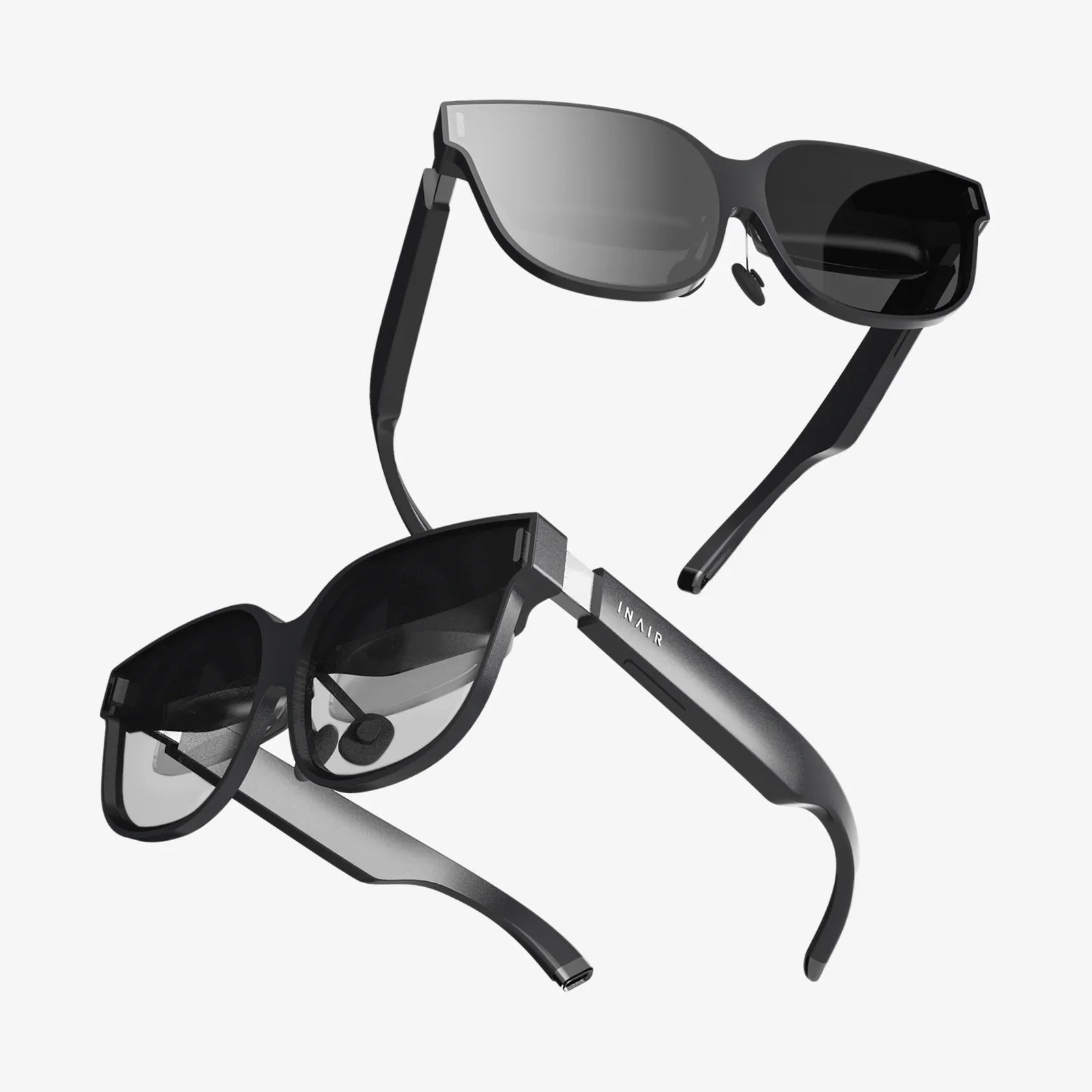
Imagine a world where your clothing diagnoses illness before you feel a symptom, where your glasses translate foreign street signs in real-time, and where a subtle vibration on your wrist saves you from a dangerous health event. This isn't a distant sci-fi fantasy; it's the unfolding reality of wearable technology, a revolution that is quietly weaving itself into the very fabric of our daily existence. The true wearable tech meaning extends far beyond counting steps; it represents a fundamental shift in our relationship with technology, moving it from our pockets and desks onto our bodies, making it intimate, personal, and profoundly powerful.
Deconstructing the Term: What Does "Wearable Tech" Truly Mean?
At its most fundamental level, wearable technology, or "wearables," refers to electronic devices that are designed to be worn on the user's body. These devices are typically equipped with sensors, software, and connectivity features that allow them to collect data, provide insights, and often interact with other devices or networks. However, this simple definition barely scratches the surface of its deeper meaning.
The core of the wearable tech meaning lies in its three defining characteristics:
- Embodied Interaction: Unlike a smartphone that you use, a wearable becomes a part of you. It is donned and often forgotten, operating in the background of your life. This creates a seamless, continuous, and often passive form of interaction between human and machine.
- Contextual Awareness: Because these devices are on your body, they have unparalleled access to biometric and environmental data. They know when you're active, resting, stressed, or asleep. They understand your personal context in a way a phone on a table never could.
- Data-Driven Personalization: The primary output of a wearable is data—data about you. This constant stream of personal information is used to deliver hyper-personalized feedback, nudges, and alerts tailored specifically to your body and your life.
This shift from generic technology to personalized, embodied companion is what truly defines the modern wearable tech meaning.
A Journey Through Time: The Evolution of Wearables
The concept of wearable technology is not as new as it seems. Its origins are humble and practical.
One of the earliest and most iconic examples is the wristwatch. While initially a purely mechanical device, its transition to quartz and then to digital displays marked the first step in miniaturizing technology for the body. The 1980s saw the rise of the calculator watch, a novelty that hinted at the potential for wearables to be more than just timekeepers.
The next significant leap came from the world of gaming and entertainment with the launch of wearable headsets and rudimentary motion trackers in the 1990s. While clunky and niche, they proved that consumers were willing to adorn technology for an immersive experience.
However, the catalyst for the modern wearable revolution was undoubtedly the smartphone. It provided the essential infrastructure: miniaturized sensors (accelerometers, gyroscopes), constant connectivity (Bluetooth, Wi-Fi), powerful mobile operating systems, and a population accustomed to being perpetually connected. The first modern wearables were essentially satellite devices to the phone, but they quickly evolved into sophisticated platforms in their own right.
The release of the first mainstream fitness trackers and, shortly thereafter, smartwatches, catapulted wearables into the public consciousness. They were no longer gadgets for tech enthusiasts but lifestyle products for the masses. This era solidified the initial wearable tech meaning in the public mind: a device for health and fitness.
The Wearable Ecosystem: A Universe on Your Body
Today's wearable ecosystem is vast and diverse, extending well beyond the wrist. Categorizing them helps us understand the full scope of their application.
Wrist-Worn Devices
This is the most recognizable category, dominated by smartwatches and fitness trackers. They serve as a central hub on the body, offering a wide array of functions:
- Health and Fitness Monitoring: Tracking steps, distance, calories burned, heart rate, blood oxygen levels, and sleep patterns.
- Notifications and Communication: Displaying calls, messages, and app alerts, allowing for quick, glanceable interactions.
- Mobile Payments: Using NFC technology to make contactless payments directly from the wrist.
- Navigation and Control: Providing haptic directions or acting as a remote control for smart home devices and music.
Smart Clothing and Footwear
Here, technology is woven directly into the textile itself. This category represents the ultimate goal of seamless integration.
- Biometric Shirts and Bras: Garments with integrated electrodes can provide clinical-grade ECG readings, monitor breathing rate, and measure muscle activity for athletes.
- Heated Apparel: Jackets and gloves with battery-powered heating elements for outdoor comfort.
- Smart Shoes: Footwear that can analyze gait, count steps independently, or even auto-lace themselves.
Hearables
This category has exploded in popularity, moving far beyond simple audio playback.
- Advanced Earbuds: Many now feature active noise cancellation (ANC), transparency modes, and integrated voice assistants.
- Health Monitoring: Some earbuds are beginning to incorporate heart rate sensors and temperature sensors, using the ear canal's unique position for accurate readings.
- Real-Time Translation: Specialized earbuds can now translate spoken languages conversationally with minimal delay.
Smart Glasses and Augmented Reality (AR) Headsets
Perhaps the most futuristic category, these devices aim to overlay digital information onto the real world.
- Simple Smart Glasses: Offering features like audio playback, navigation prompts, and notifications in a discreet eyeglasses form factor.
- Full AR Headsets: More advanced devices that project holographic images onto clear lenses, enabling applications in manufacturing, design, medicine, and gaming.
Medical and Clinical-Grade Wearables
This is where the wearable tech meaning becomes a matter of life and death. These are FDA-approved or CE-marked devices designed for continuous medical monitoring.
- Continuous Glucose Monitors (CGMs): Worn on the arm, these sensors allow diabetics to track their blood sugar levels 24/7 without finger-prick tests.
- Patch-based ECG Monitors: Adhesive patches that can record heart rhythms for extended periods to detect arrhythmias like atrial fibrillation.
- Smart Inhalers: Inhalers with sensors that track usage and environmental triggers for asthma and COPD patients.
The Deeper Impact: How Wearables Are Reshaping Industries
The influence of wearable technology is rippling through numerous sectors, fundamentally changing how services are delivered and experienced.
The Healthcare Revolution: From Reactive to Proactive
This is arguably the most significant impact. Wearables are enabling a monumental shift from episodic, reactive healthcare to continuous, proactive health management.
- Remote Patient Monitoring (RPM): Doctors can now monitor patients with chronic conditions like heart disease, diabetes, and hypertension from their homes. This leads to earlier intervention, reduced hospital readmissions, and improved quality of life.
- Early Detection: The constant stream of data can identify anomalies that might otherwise go unnoticed. Irregular heart rhythms, subtle changes in sleep patterns, or declines in activity levels can be early warning signs of larger health issues.
- Personalized Medicine: The vast datasets collected from millions of users are fueling research into personalized treatment plans. Doctors can make decisions based on an individual's unique biometric baseline rather than population averages.
- Mental Health Support: By tracking physiological markers of stress (heart rate variability, sleep quality), wearables can prompt users to engage in mindfulness or breathing exercises, creating a feedback loop for mental wellbeing.
Transforming the Workplace
From the factory floor to the corporate office, wearables are enhancing safety and productivity.
- Industrial Safety: Smart helmets can monitor workers' vital signs in extreme environments, detect falls, and even provide augmented reality overlays with schematics or instructions for complex tasks.
- Logistics and Warehousing: Smart glasses can display picking lists and navigation routes for warehouse workers, allowing them to work hands-free and with greater efficiency.
- Employee Wellness Programs: Companies are incorporating wearable data into corporate wellness initiatives, encouraging physical activity and providing insights into overall workforce health trends.
The Future of Fitness and Sports
Wearables have moved far beyond step counting for the casual user. For athletes, they are indispensable tools.
- Advanced Performance Metrics: Elite athletes use wearables to track everything from ground contact time and vertical oscillation in running to muscle oxygenation and lactate threshold.
- Injury Prevention: By monitoring asymmetries in movement or declines in recovery metrics, coaches and trainers can identify injury risks before they become serious problems.
- Biomechanical Analysis: Smart clothing with arrays of sensors can provide a complete picture of an athlete's movement mechanics, allowing for technique optimization.
The Double-Edged Sword: Privacy, Security, and Ethical Dilemmas
The immense power of wearable technology comes with a equally immense responsibility. The intimate nature of the data they collect raises critical questions that society is only beginning to grapple with.
- The Privacy Paradox: To function, wearables must collect deeply personal data—where you go, how you sleep, your heart patterns, and potentially even your blood chemistry. Users often trade this data for insights and convenience, but they may not fully understand how it is being stored, used, or sold. The line between helpful and intrusive is dangerously thin.
- Data Security: This biometric data is a high-value target for hackers. A breached credit card can be canceled; a breached fingerprint or heart-rate pattern is forever. The security protocols for protecting this most personal information must be paramount.
- Algorithmic Bias: The algorithms that interpret wearable data are trained on existing datasets. If those datasets lack diversity, the insights and health recommendations generated could be biased or inaccurate for underrepresented groups, exacerbating existing health disparities.
- The Insurance Question: Could this data be used by health or life insurance companies to adjust premiums? While there is potential for rewards for healthy behavior, there is also a risk of penalization for those whose data reveals pre-existing or genetic conditions, creating a form of digital discrimination.
- Psychological Impact: The constant quantification of self can lead to anxiety and obsession, a condition sometimes called "orthosomnia"—the unhealthy pursuit of perfect sleep data. It can create a new form of health anxiety, where individuals become overly reliant on data and ignore their own bodily feelings.
Gazing into the Crystal Ball: The Future of Wearable Tech
The journey of wearable technology is just beginning. Several emerging trends promise to further dissolve the line between technology and biology.
- Energy Harvesting: Future devices may not need charging. Research is ongoing into powering wearables through body heat, movement (kinetic energy), or even ambient light and radio frequencies.
- Advanced Biomarkers: Non-invasive continuous monitoring of biomarkers like cortisol (stress), lactate, blood alcohol levels, and even early signs of infection (like the common cold) is on the horizon.
- Brain-Computer Interfaces (BCIs): While still in early stages, companies are developing wearables that can interpret neural signals. This could eventually allow for controlling devices with your mind or restoring function to individuals with paralysis.
- True Digital Twins: The data from wearables will contribute to creating a "digital twin"—a highly detailed virtual model of your body. This model could be used to simulate the effects of medications, lifestyle changes, or surgical procedures before trying them in the real world.
- Even More Seamless Integration: Technology will continue to become smaller, more flexible, and less obtrusive. We will see more epidermal electronics (ultra-thin patches) and smart contact lenses, moving technology from something we wear to something that is virtually invisible.
The ultimate wearable tech meaning is not found in a single device or function. It is a paradigm shift towards a more integrated, intuitive, and intelligent future. It is the story of technology becoming so personal, so responsive, and so seamlessly woven into our lives that it ceases to be a separate tool and becomes an extension of our own human capabilities. The devices on our wrists and in our ears are just the beginning; the true revolution is happening within the endless stream of data they provide, a stream that is quietly, profoundly, and permanently reshaping what it means to be human in a digital age. The next time you glance at your wrist for the time, remember—you're not just checking the hour; you're touching the future.
Share:
Top 20 Digital Products That Are Revolutionizing Modern Life
Wearable Microphone Bluetooth: The Ultimate Guide to Unlocking Your Voice's Potential