


Imagine a world where your morning coffee is brewed to the perfect caffeine level based on your sleep quality, your morning run route is dynamically adjusted by a gentle vibration in your ring to avoid an incoming downpour, and a subtle, non-invasive patch on your skin detects a potential health irregularity and automatically alerts your physician—all before you’ve even sat down at your desk. This isn't a scene from a distant sci-fi future; this is the palpable reality being forged by the wearable tech trends of 2025. We are on the precipice of a revolution where technology doesn't just sit on our wrists but integrates seamlessly into the very fabric of our existence, becoming an invisible, intelligent partner in our daily lives.
The Great Disappearance: From Gadgets to Integrated Ecosystems
The most dominant trend for 2025 is the move away from bulky, conspicuous devices. The era of the smartwatch as a mere smartphone proxy is ending. Instead, we are witnessing the "great disappearance" of technology into forms that are more intimate, seamless, and context-aware. The goal is no longer to have the most powerful device on your wrist, but to have the most intuitive and unobtrusive system woven into your life.
This manifests in several key form factors:
- Smart Rings and Jewelry: Offering continuous health and activity monitoring without the bulk of a watch, smart rings are becoming a mainstream choice for their discretion and extended battery life. They are perfect for sleep tracking and all-day wear, serving as an authenticator for devices, cars, and homes.
- Advanced Smart Fabrics and E-Textiles: Clothing itself is becoming the interface. Shirts with woven sensors can monitor posture, muscle activity, and respiratory rate. Shoes can analyze gait and impact, providing real-time feedback to athletes to prevent injury. This trend moves data collection from a single point on the body to a distributed network of sensors, providing a vastly richer dataset.
- Miniaturized Skin Patches and Biosensors: Single-use or long-term wearable patches are emerging for highly specialized medical and health monitoring. These adhere directly to the skin, monitoring everything from glucose levels and electrolyte balance to specific biomarkers for chronic disease management, transmitting data seamlessly to a healthcare provider's platform.
The underlying principle is ambient computing—where technology recedes into the background, working on our behalf without requiring constant conscious interaction. The device itself becomes less important than the data it gathers and the actionable insights it provides.
The AI Co-Pilot: Hyper-Personalization and Predictive Health
If the hardware is the body of wearable tech in 2025, then Artificial Intelligence is its brain. Raw data—steps, heart rate, hours slept—is now table stakes. The real value is created by sophisticated AI and machine learning algorithms that analyze this data stream over time to create a unique, dynamic model of you.
This AI co-pilot does more than just report statistics; it predicts, recommends, and even intervenes.
- Predictive Health Analytics: Instead of alerting you to an elevated heart rate after it happens, AI models will learn your personal baselines and identify subtle, pre-symptomatic patterns that could indicate the onset of illness, stress, or fatigue. It might suggest you rest today because your biometric data indicates you are fighting off a virus, potentially stopping a cold before it starts.
- Personalized Fitness and Nutrition: Your wearable will no longer offer generic advice. It will learn how your body specifically responds to different types of exercise, sleep, and food. It could recommend a recovery-focused yoga session instead of a high-intensity workout based on your heart rate variability and sleep data, or even suggest a specific micronutrient you’ve been lacking.
- Mental Wellness and Stress Management: By combining heart rate, skin temperature, galvanic skin response, and sleep data, wearables are becoming adept at quantifying stress and emotional states. The 2025 trend is proactive management: guiding you through a personalized breathing exercise when it detects rising stress levels or suggesting a mindfulness break based on your calendar and biometric feedback.
This shift turns wearables from reactive dashboards into proactive, preventative health guardians, marking a significant step towards truly personalized medicine.
Beyond the Wrist: The Rise of Advanced Biometric Sensing
The photoplethysmogram (PPG) optical heart rate sensor has been the workhorse of wearables for years. 2025 is about diversifying and deepening the biometric portfolio. The next frontier is non-invasive, medical-grade data collection from the wrist and beyond.
- Continuous Blood Glucose Monitoring (CGM): This is one of the most anticipated breakthroughs. The race is on to deliver non-invasive or minimally invasive glucose monitoring for diabetics and the growing population of health-conscious individuals wanting to understand their metabolic health. While not yet ubiquitous for general consumers in 2025, advanced technologies are making significant strides toward this goal.
- Blood Pressure and ECG Monitoring: Once confined to clinical settings, these measurements are becoming standard on higher-end wearables. The trend is moving from on-demand spot checks to scheduled or continuous monitoring, building a long-term picture of cardiovascular health and enabling early detection of issues like atrial fibrillation (AFib).
- Core Body Temperature: The pandemic accelerated interest in this metric. Advanced sensors are now allowing for continuous core body temperature tracking, which is invaluable for women’s health (tracking ovulation and menstrual cycles), optimizing athletic performance, and providing early warnings of fever or heat stress.
- Electrodermal Activity (EDA) and Sweat Analysis: Measuring tiny changes in the skin's sweat levels provides a window into the sympathetic nervous system, which controls our stress response. This is a key metric for the mental wellness applications mentioned earlier. Further out, the analysis of sweat composition for biomarkers is a major area of research.
This expansion of sensing capabilities transforms wearables into truly comprehensive health platforms, blurring the line between consumer wellness and clinical-grade medical devices.
The Seamless Interface: Augmented Reality and Ambient Displays
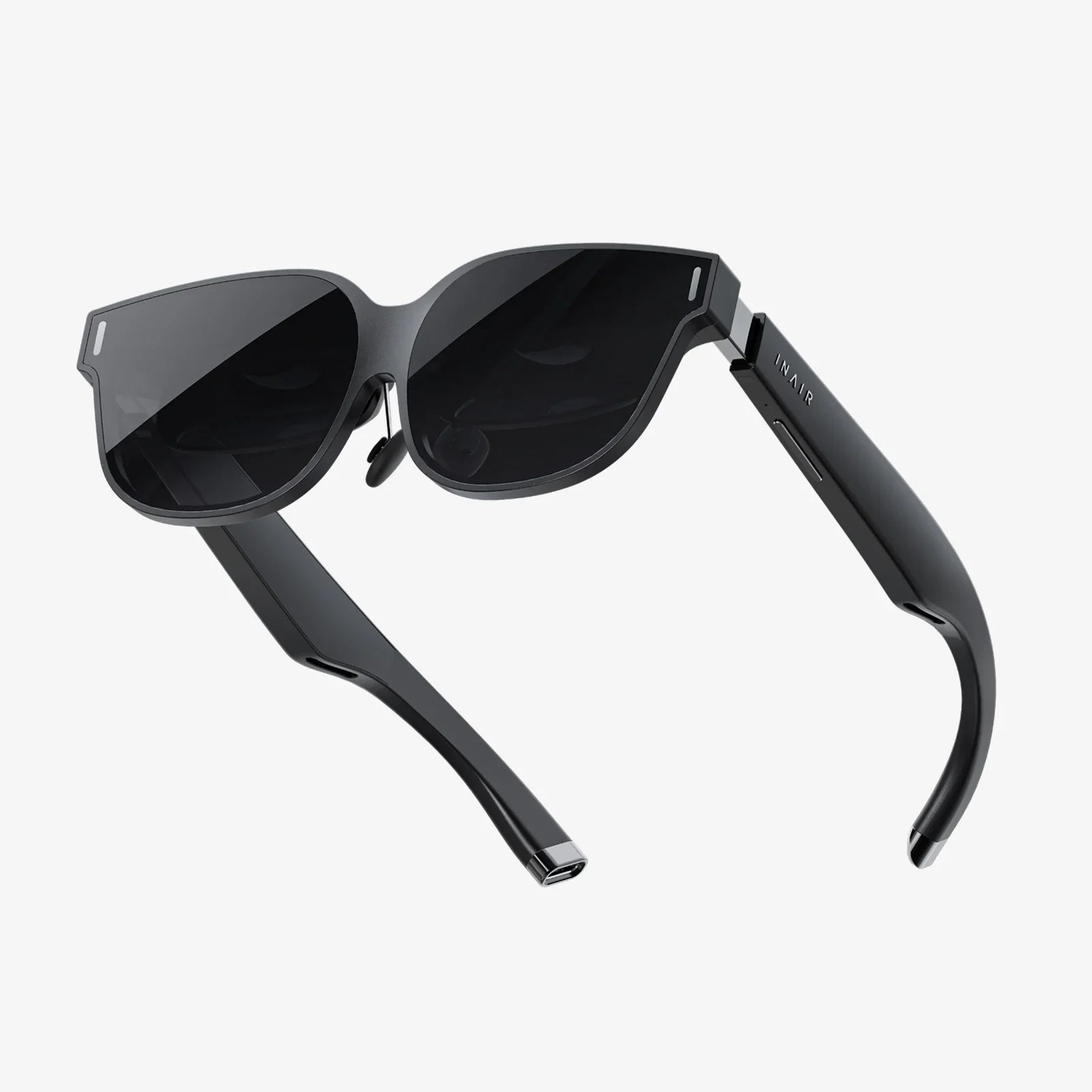
For years, the promise of Augmented Reality (AR) glasses has felt perpetually two years away. In 2025, the foundational technologies are finally converging to make sleek, powerful, and socially acceptable AR wearables a tangible trend. This is less about immersing users in a virtual world and more about seamlessly overlaying useful information onto the real world.
The key developments include:
- Micro-LED and Laser Beam Scanning Displays: These technologies allow for incredibly bright, high-resolution images in a compact form factor, essential for creating see-through displays that work in various lighting conditions.
- Spatial Audio and Haptic Feedback: The interface isn't just visual. AR wearables will use 3D spatial audio to provide directional cues (e.g., navigation instructions that sound like they’re coming from the direction you need to turn) and subtle haptic feedback in rings or bands to provide silent, private notifications.
- Contextual and Glanceable Information: The killer app for AR glasses won't be playing immersive games; it will be providing the right information at the right time without requiring you to look down at a phone. Imagine walking through a foreign city and seeing translated street signs overlayed in your vision, or having a recipe's next steps hover above your mixing bowl as you cook, controlled by a simple glance or voice command.
This trend represents the ultimate form of ambient computing—an interface that is always available but never obtrusive, empowering users with information while keeping them present in their physical environment.
The Inevitable Challenge: Privacy, Security, and the Ethical Quagmire
As wearables become more integrated, powerful, and packed with our most intimate data, the elephant in the room grows larger. The trends of 2025 cannot be discussed without addressing the monumental challenges of privacy, security, and ethics.
The collection of continuous, highly personal biometric data creates a honeypot for hackers and a temptation for misuse. The industry must confront critical questions:
- Data Ownership and Consent: Who truly owns your physiological data? You, the device manufacturer, your insurance company, or your employer if provided through a wellness program? Transparent and user-centric data policies will be a major differentiator.
- Robust Cybersecurity: With devices constantly connected and transmitting sensitive health information, end-to-end encryption and robust security protocols are non-negotiable. A breach could be far more damaging than a stolen password.
- Algorithmic Bias and Equity: If AI is making health recommendations, the algorithms must be trained on diverse datasets to ensure they are effective for all ethnicities, genders, and body types. Biases in AI could exacerbate existing health disparities.
- The Insurance and Employer Dilemma: While there are benefits to personalized insurance premiums based on healthy habits, there is a very thin line before it descends into discrimination and a surveillance culture where individuals are penalized for their biology or lifestyle choices.
Navigating this ethical landscape will be as important as the technological innovations themselves. Consumer trust will be the ultimate currency.
The wearable of 2025 is not a destination but a profound evolution, a bridge to a future where technology is less of a tool and more of a symbiotic partner. It’s a future of unprecedented personal insight and convenience, but one that demands careful stewardship of the immense power and responsibility it brings. The revolution won't be worn on a sleeve; it will be woven into the very essence of how we live, thrive, and connect with the world around us. The devices are ready to fade into the background—are we ready for the world they will help us build?
Share:
Smart Glasses for Sports Activities: The Ultimate Guide to Augmented Athletic Performance
Clever Virtual Office: The Future of Work is Here and It's Smarter Than You Think