


Imagine a world where your clothing monitors your heart rate, your glasses translate foreign languages in real-time, and a sensor on your wrist can predict a health event before it happens. This isn't the distant future; it's the present, powered by an explosion of innovative wearable technology examples. These devices are quietly weaving themselves into the very fabric of our daily existence, moving beyond mere convenience to become indispensable partners in our health, our work, and our personal lives. The era of passive accessories is over; welcome to the age of interactive, intelligent wearables.
The Wrist Revolution: More Than Just Telling Time
The most recognizable and widespread category of wearables resides on our wrists. What began as a simple step-counting pedometer has evolved into a sophisticated health and communication hub.
- Advanced Fitness Trackers: Modern devices go far beyond counting steps. They provide detailed analytics on heart rate variability (HRV), blood oxygen saturation (SpO2), sleep stages (including REM, light, and deep sleep), and even stress levels through galvanic skin response (GSR) sensors. They offer guided breathing exercises and can track specific workouts like swimming, cycling, and weightlifting with impressive accuracy.
- Smartwatches: These are the powerhouses of the wrist. They consolidate the features of a fitness tracker with smartphone connectivity. Users can receive notifications, take calls, stream music, and even make contactless payments. Their true power lies in their app ecosystems, which allow for endless customization, from controlling smart home devices to navigating via GPS.
- Specialized Sports Watches: Designed for the serious athlete, these wearables offer rugged durability and hyper-specific metrics. Runners can access data on ground contact time, vertical oscillation, and recovery advisors. Divers can use them to track depth and decompression times, while sailors monitor wind speed and direction.
Hearables: The Sound of Intelligence
This category encompasses far more than just wireless audio. Hearables are a prime example of how wearable technology is becoming seamlessly integrated and context-aware.
- True Wireless Earbuds: The standard now includes features like active noise cancellation (ANC) for immersive listening, transparency mode for environmental awareness, and touch controls for music and calls.
- Intelligent Hearing Enhancement: Next-generation earbuds are incorporating real-time translation for dozens of languages, allowing for fluid conversation between people who don't speak the same language. They also feature advanced sound amplification, helping users focus on a single speaker in a noisy room, which is a boon for both social settings and those with mild hearing impairment.
- Biometric Monitoring: The inner ear is an ideal location for measuring core body metrics because of its proximity to the brain and consistent blood flow. Some advanced models are beginning to incorporate heart rate sensors and temperature monitors, providing health data without the need for a separate wrist device.
Smart Eyewear: A New Vision for Reality
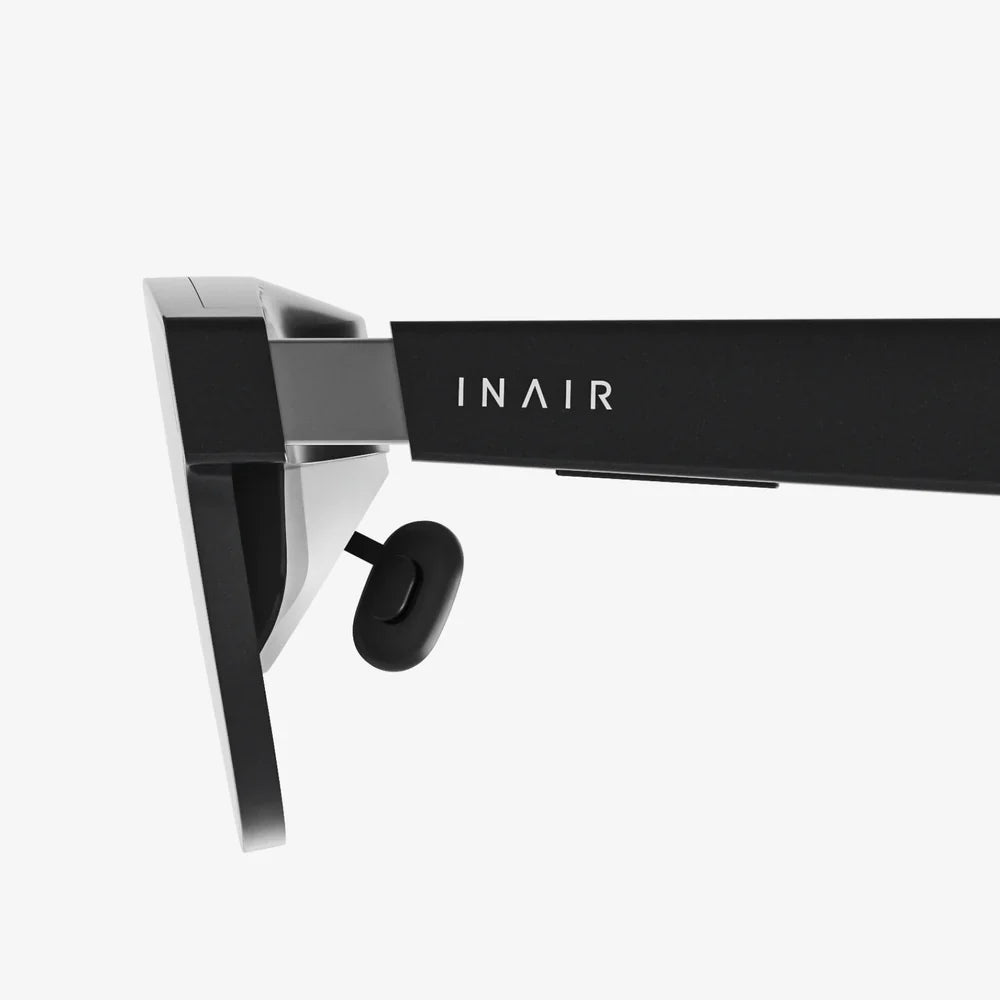
Smart glasses represent one of the most ambitious frontiers in wearable tech, aiming to overlay digital information onto our physical world.
- Augmented Reality (AR) Glasses: These devices project holographic images, data, and interfaces into the user's field of view. Imagine a mechanic seeing a repair manual superimposed on the engine they are working on, a surgeon visualizing a patient's anatomy during a procedure, or a tourist seeing historical facts pop up as they look at a monument. Enterprise and industrial applications are currently leading this charge.
- Smart Spectacles for Everyday Use:
Focused on subtlety, these look like regular glasses but contain hidden technology. They can record video, take photos, play audio directly into the wearer's ears through micro-speakers, and answer calls—all controlled by discreet touch panels on the frames.
Smart Clothing and Biometric Sensing: The Fabric of the Future
Perhaps the most intimate category of wearables, smart clothing embeds technology directly into what we wear, moving sensors away from the wrist and across the entire body for a more holistic data picture.
- Biometric Shirts and Bras: These garments have conductive fibers woven into the fabric that sit against the skin, allowing for continuous and clinical-grade electrocardiogram (ECG) monitoring. They provide exceptionally accurate heart rate data, respiratory rate, and can analyze running form by measuring muscle engagement and chest expansion. This is invaluable for elite athletes and cardiac patients alike.
- Posture-Correcting Wearables:
Small, discreet sensors can be attached to clothing or worn directly on the skin. They vibrate gently when the wearer slouches, training them to maintain a healthier posture throughout the day, which can help alleviate back and neck pain.
Medical and Healthcare Wearables: Proactive, Not Reactive
This is where wearable technology has its most profound impact, shifting healthcare from a reactive model to a proactive and preventive one.
- Continuous Glucose Monitors (CGMs): A revolutionary device for diabetics, these small sensors are worn on the arm or abdomen and measure glucose levels in interstitial fluid every few minutes. They send real-time data to a smartphone, alerting the user to dangerous highs or lows and providing unparalleled insight into how food, exercise, and insulin affect their body.
- Connected Blood Pressure Monitors: Wearable cuffless monitors are emerging, allowing for on-demand, non-invasive blood pressure readings throughout the day without the need for a bulky arm cuff, painting a more complete picture of cardiovascular health.
- ECG Monitors: Available on many smartwatches and dedicated devices, these allow users to take a medical-grade electrocardiogram anytime they feel symptoms like heart palpitations or dizziness. The data can be shared instantly with a doctor, facilitating faster diagnosis of conditions like atrial fibrillation (AFib).
- Fall Detection and SOS Features: Primarily aimed at the elderly or those with specific medical conditions, these wearables use accelerometers and advanced algorithms to detect a hard fall. If the user is unresponsive, the device can automatically place a call to emergency services and alert designated family members, providing peace of mind and potentially saving lives.
Implantables and Invisible Technology
Pushing the boundary of what "wearable" means, these devices are implanted inside the body for seamless, continuous operation.
- RFID and NFC Microchips: Implanted just under the skin, usually between the thumb and forefinger, these tiny chips can store medical information, act as a keycard to unlock doors, or even facilitate contactless payments. They represent the ultimate in convenience and integration.
- Smart Pacemakers and Loop Recorders: These medical implants are not new, but their connectivity is. Modern versions can wirelessly transmit patient data directly to the physician's office, enabling remote monitoring and early intervention without the patient needing to schedule an appointment, drastically improving outcomes for those with serious heart conditions.
The Future on Your Skin: Smart Patches and Tattoos
Representing the convergence of miniaturization and biotechnology, these discreet wearables stick directly to the skin like a temporary tattoo or a bandage.
- Disposable Health Monitors: Single-use patches can monitor a specific biomarker—such as glucose, lactate, or even hydration levels—for a period of days before being disposed of. They are ideal for short-term monitoring during clinical trials or hospital recovery.
- Digital Therapeutic Patches: These can do more than just monitor; they can deliver treatment. Some smart patches contain micro-needles and reservoirs to deliver drugs or vaccines in a painless, controlled manner, and can be programmed for specific release schedules.
- Electronic Skin (E-skin):
This cutting-edge technology involves ultra-thin, flexible circuits that adhere to the skin like a temporary tattoo. They can measure UV exposure, monitor vital signs, and could one day interface with devices through gesture control, making the human body itself a touchscreen.
Challenges and Considerations for the Wearable Revolution
Despite the incredible potential, the proliferation of wearable technology is not without its significant challenges.
- Data Privacy and Security: These devices collect a treasure trove of the most personal data imaginable. Who owns this data? How is it being used? Is it being sold to third parties? Robust cybersecurity measures are essential to prevent hacking and leaks of sensitive health information.
- Battery Life and Sustainability: Constantly charging multiple devices is a burden for users. Furthermore, the environmental impact of producing, powering, and eventually discarding millions of electronic devices is a serious concern that the industry must address through better battery technology and recycling programs.
- Accuracy and Regulatory Approval: Not all health metrics from consumer wearables are FDA-approved or clinically validated. There's a risk of misinformation or user anxiety over inaccurate readings. The line between wellness gadgets and certified medical devices needs to be clear.
- The Digital Divide and Health Equity: High-cost wearable technology could potentially exacerbate health disparities, granting advanced preventive care only to those who can afford it, leaving behind vulnerable populations.
The journey of wearable technology is just beginning. From our wrists to our ears, our eyes to our very skin, these devices are creating a more connected, data-rich, and proactive approach to human life. They are empowering individuals with knowledge about their own bodies, providing doctors with unprecedented streams of real-world health data, and breaking down barriers in communication and access to information. As sensors shrink, batteries last longer, and artificial intelligence becomes more sophisticated, the next generation of wearables will become even more invisible, intuitive, and indispensable. The future isn't just something we'll hold in our hands; it will be something we wear, a seamless layer of intelligence enhancing our human experience in ways we are only starting to imagine.
Share:
High Tech Electronic Glasses Are Redefining Human Vision and Connectivity
3D Glasses Android Phone: Your Portal to an Immersive Mobile Dimension