


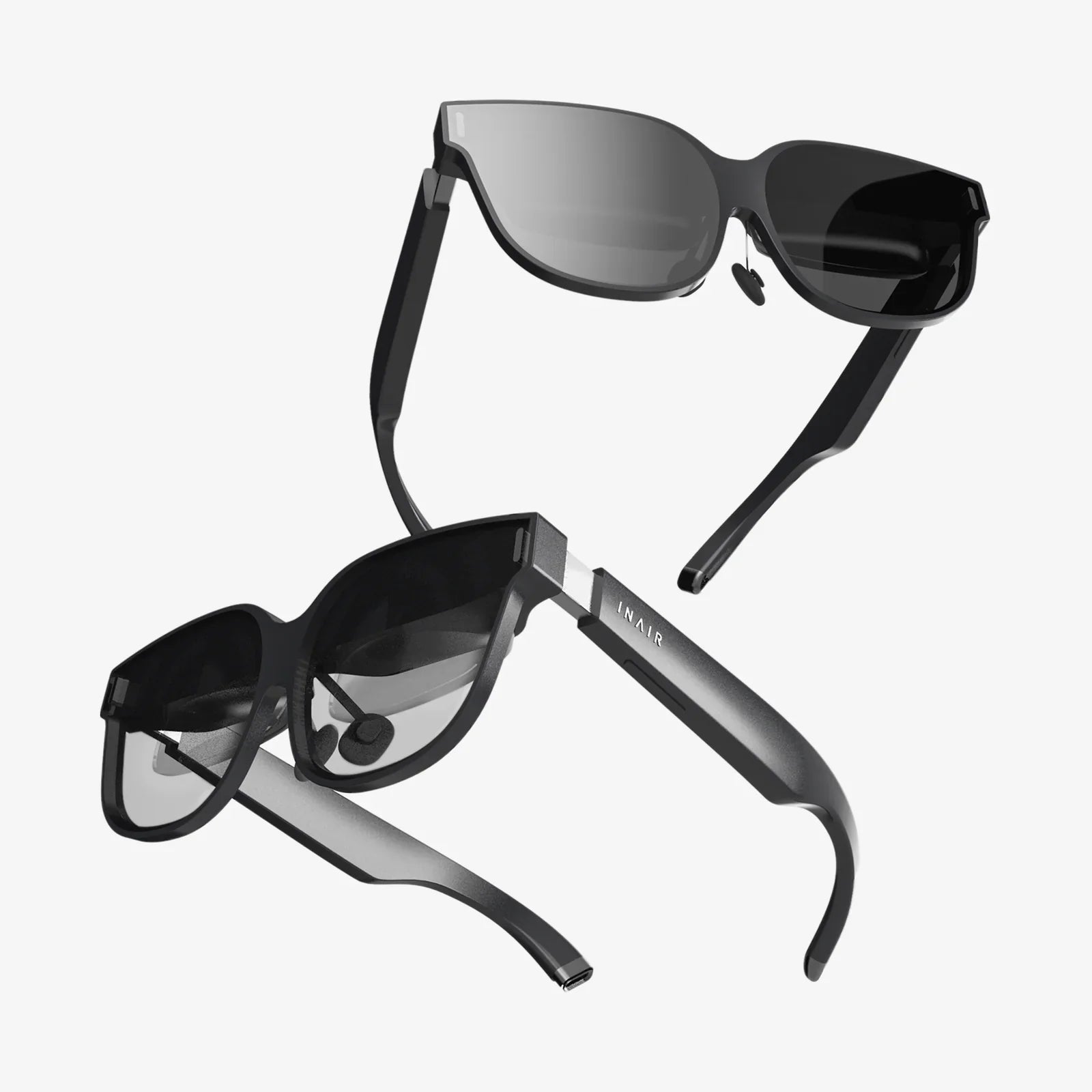
Imagine a world where a sudden fall doesn't lead to hours of helplessness on the floor, where managing a complex cocktail of medications is no longer a daily anxiety, and where a simple, discreet device can be a lifeline to family, caregivers, and emergency services. This is not a glimpse into a distant future; it is the reality being created today by the rapid advancement of wearable technology for the elderly. This burgeoning field represents one of the most profound and humane applications of modern innovation, poised to tackle some of the most pressing challenges associated with aging. For seniors and their loved ones, these devices are more than just gadgets; they are powerful tools for preserving independence, ensuring safety, and fostering meaningful connections, fundamentally reshaping the landscape of aging and elder care.
The Silver Tsunami: Why Wearable Technology is No Longer a Luxury
The demographic shift towards an older global population is undeniable. Often referred to as the "silver tsunami," this trend sees millions entering their senior years, a stage of life often accompanied by a desire to age in place—to remain in their own homes and communities for as long as possible. However, this admirable goal comes with significant challenges. The risks of falls, managing chronic conditions like hypertension and diabetes, the perils of social isolation, and the cognitive decline associated with conditions like dementia create a complex web of concerns for seniors and their families. Traditional solutions, such as moving to assisted living facilities or hiring round-the-clock in-home care, are often prohibitively expensive and can feel like a loss of autonomy. Wearable technology emerges as a powerful, scalable, and empowering solution to this complex equation. It acts as a silent guardian, a digital assistant, and a social conduit, enabling older adults to maintain their independence while providing peace of mind to those who care about them. It bridges the gap between complete self-reliance and the need for support, offering a middle path that prioritizes both safety and dignity.
Beyond the Step Counter: A Spectrum of Senior-Focused Devices
The term "wearable" often conjures images of fitness trackers for the health-conscious young professional. However, the category of wearables for seniors is far more specialized and sophisticated, designed to address their unique needs.
Emergency Response Systems (ERS)
The pioneers of this category, traditional ERS pendants with a single help button, have evolved dramatically. Modern versions are now integrated into sleek wristwatches, pendants with fall detection accelerometers, and even clip-on devices. The key advancement is automatic fall detection. Using sophisticated algorithms, these devices can sense a sudden, hard impact followed by a period of immobility, automatically placing a call to a monitoring center or a list of pre-designated emergency contacts without the user needing to press a button. This is a critical feature, as a fall can often leave an individual disoriented, unconscious, or unable to call for help. GPS-enabled versions are invaluable for seniors with cognitive impairments like dementia, who may wander and become lost, allowing caregivers to quickly locate them.
Health and Wellness Monitors
This category focuses on the proactive management of chronic health conditions. These devices go far beyond basic heart rate monitoring. They can include:
- Continuous Health Tracking: Devices that measure heart rate variability, blood oxygen saturation (SpO2), sleep patterns, and even skin temperature, building a comprehensive baseline of an individual's normal vitals and alerting to anomalies.
- Medication Adherence Tools: Smart watches or dispensers that provide audible and visual reminders to take medication and can notify a family member if a dose is missed.
- Advanced Medical Sensors: The frontier of wearables includes non-invasive glucose monitors for diabetics, continuous blood pressure monitors, and electrocardiogram (ECG/EKG) sensors that can detect atrial fibrillation—a major cause of strokes.
This continuous stream of data allows for a shift from reactive to predictive healthcare, potentially identifying a health issue before it becomes an emergency.
Social Connectivity and Cognitive Support Wearables
Loneliness and social isolation are silent epidemics among the elderly, with severe impacts on both mental and physical health. Wearables are now addressing this by simplifying communication. Specially designed smartwatches feature large, tactile buttons to make calls to family, send pre-programmed text messages, or even initiate video chats with minimal effort. Other devices focus on cognitive stimulation, offering reminders for daily tasks, appointments, and simple games to keep the mind active. For those with hearing impairments, wearables can sync with smartphones to stream phone calls and media directly to hearing aids or Bluetooth-enabled headphones, reducing background noise and improving clarity.
The Tangible Benefits: Empowering Seniors and Caregivers Alike
The value proposition of these technologies is multi-faceted, delivering profound benefits to both the primary user and their support network.
Enhanced Safety and Peace of Mind
The most immediate benefit is the dramatic increase in personal safety. The knowledge that help is literally at hand, whether activated manually or automatically, reduces the fear of accidents and allows seniors to engage in activities with greater confidence. For adult children caring for aging parents, this technology alleviates a constant, low-grade anxiety. They can check in digitally, receive alerts if something is wrong, and have concrete data on their parent's well-being, even from thousands of miles away. This peace of mind is arguably one of the technology's most valuable commodities.
Promoting Independence and Autonomy
By mitigating key risks, wearables directly support the goal of aging in place. Seniors can feel secure living alone for longer, delaying or avoiding entirely the move to a more restrictive care environment. This preservation of independence is crucial for mental well-being and self-esteem. The technology serves as an enabler, not a hindrance, fostering a sense of control over one's own life and health.
Improved Health Outcomes and Proactive Care
The data collected by health-focused wearables provides a powerful tool for both seniors and their healthcare providers. Instead of relying on sporadic measurements taken during brief clinic visits, doctors can access trends and patterns from real-world daily life. This facilitates more personalized and effective treatment plans, early intervention for potential problems, and better management of chronic diseases. It empowers seniors to become active participants in their own health journey, understanding how their activities and habits affect their well-being.
Strengthened Social Bonds
By lowering the technical barrier to communication, wearables help seniors stay connected to their family and friends. A simple "thinking of you" message or an easy video call can combat feelings of loneliness and isolation. Some family apps allow relatives to see activity summaries (e.g., "Mom had a good night's sleep and took her morning walk"), creating new points of positive connection and conversation beyond just checking on health problems.
Navigating the Challenges: Privacy, Usability, and Adoption
Despite the immense potential, the integration of wearable technology into elder care is not without its significant hurdles.
The Privacy and Data Security Dilemma
These devices collect a tremendous amount of sensitive personal and health data. This raises critical questions: Where is this data stored? Who has access to it? How is it being used? Could it be sold to third parties or used to influence insurance premiums? Robust cybersecurity measures and transparent privacy policies are non-negotiable. Seniors and their families must be fully informed about data practices and retain control over their information. The ethical balance between safety monitoring and surveillance is a delicate one that requires ongoing dialogue.
The Digital Divide and Usability
Many seniors did not grow up with digital technology and may find complex interfaces intimidating, frustrating, or simply physically difficult to use due to vision loss, arthritis, or tremors. A device with a tiny touchscreen, complicated menus, and a need for frequent charging will likely end up in a drawer. Successful design for this demographic must prioritize large buttons, clear visual and auditory feedback, intuitive operation, and long battery life. Simplifying the user experience is the greatest key to widespread adoption.
Cost and Accessibility
While potentially cost-saving in the long run by reducing hospitalizations and delaying nursing home entry, the upfront cost of devices and associated subscription services for cellular connectivity or monitoring centers can be a barrier. Navigating whether private insurance or government health programs will cover any of these expenses remains a complex and often unsuccessful endeavor for many families.
The Human Element
Technology must complement, not replace, human interaction. There is a danger that family members might substitute digital check-ins for personal visits or phone calls, potentially exacerbating isolation. Wearables should be viewed as a tool that augments care and facilitates more meaningful human connection, not as a substitute for it. The most effective implementation combines cutting-edge technology with compassionate, human-centered care.
The Future is Wearable: Emerging Trends and Possibilities
The evolution of this technology is moving at a breathtaking pace. Several exciting trends are set to further transform elder care:
- Artificial Intelligence (AI) and Predictive Analytics: AI will move beyond simple fall detection to analyzing data patterns to predict health events, such as identifying the early signs of a urinary tract infection or predicting the risk of a fall based on gait analysis and muscle weakness.
- Seamless Integration and Smart Homes: Wearables will act as the control hub for a fully integrated smart home environment. A watch detecting a fall could automatically turn on lights, unlock the front door for paramedics, and shut off the stove. Sleep data could trigger the thermostat to adjust for optimal rest.
- Advanced Biomarkers: Research is ongoing into wearables that can detect dehydration, cortisol levels (stress), and other biomarkers from sweat or skin contact, providing an even more holistic view of a person's health.
- Focus on Design and Discretion: Future devices will increasingly look like familiar jewelry or classic timepieces, reducing the stigma sometimes associated with medical alert devices and promoting adoption through aesthetic appeal.
The true power of wearable technology for the elderly lies not in its circuitry or algorithms, but in its ability to return a sense of freedom and security to those who deserve it most. It’s about giving an 80-year-old the confidence to tend her garden without fear, enabling a grandfather to see his granddaughter's smile with a simple voice command, and allowing families to rest easy knowing that a digital guardian is always on duty. This is more than just innovation; it's a promise of a safer, healthier, and more connected life, allowing every individual to write the next chapter of their story with confidence and grace.
Share:
Best Smart Caption Glasses Under $700: The Ultimate Guide to Accessible Audio Innovation
Vital Smart Glasses Specs: The Ultimate Guide to the Tech That Defines Your View