


From the sun-drenched coastlines of Bondi to the bustling central business districts of Melbourne and Perth, a quiet revolution is strapping itself to the wrists, clipping onto the clothing, and integrating into the daily lives of millions of Australians. The wearable technology market in Australia is not merely a niche tech trend; it is a burgeoning mainstream movement, fundamentally reshaping how Australians understand their health, manage their time, and interact with the world around them. This deep dive explores the forces propelling this market to new heights, the diverse ecosystem of devices beyond the familiar wristband, the unique consumer psyche driving adoption, and the challenges and opportunities that lie ahead for this dynamic sector.
The Engine of Growth: Why Australia is a Fertile Ground for Wearables
Australia's embrace of wearable technology is no accident. It is the result of a powerful confluence of socio-economic, technological, and cultural factors that have created a perfect storm for market growth.
A Health-Conscious Nation: Australians have a renowned love for the outdoors and an active lifestyle. This cultural predisposition aligns perfectly with the core functionality of fitness trackers and smartwatches, which monitor steps, heart rate, sleep patterns, and specific workout metrics. The desire for quantified self-improvement—using data to optimize one's health and performance—is a primary driver. Furthermore, with rising public health concerns such as obesity, diabetes, and cardiovascular disease, both consumers and healthcare providers are looking towards preventative, data-driven solutions that wearables can provide.
High Disposable Income and Tech Adoption: Australia boasts one of the highest median incomes among developed nations. This economic reality means that consumers have the purchasing power to invest in premium technology products that are often perceived as lifestyle enhancements rather than mere utilities. Coupled with this is a historically high rate of technology adoption. Australians are early adopters of smartphones, high-speed internet, and smart home devices, creating a natural and seamless pathway for the integration of wearable tech into their existing digital ecosystems.
Robust Digital and Telecommunications Infrastructure: The widespread availability of high-speed 4G and rapidly expanding 5G networks is the backbone of the connected wearable experience. It enables real-time data syncing, seamless music streaming from devices, instant notifications, and GPS functionality without being tethered to a smartphone. This infrastructure is critical for the full functionality of advanced wearables and is a key enabler that many other markets lack.
Supportive Regulatory and Healthcare Environment: Government initiatives promoting digital health, such as the My Health Record system, are gradually creating an environment where personal health data can be more easily integrated into formal healthcare pathways. While still in its early stages, there is growing interest from both public and private healthcare providers in leveraging wearable data for remote patient monitoring, chronic disease management, and post-operative care, potentially reducing the burden on traditional healthcare services.
Beyond the Wrist: The Expanding Ecosystem of Wearables
While wrist-worn devices dominate revenue and mindshare, the Australian wearable technology market is far more diverse, encompassing a range of form factors designed for specific purposes.
Smartwatches and Fitness Trackers: This segment remains the undisputed king of the market. Devices range from basic activity trackers that monitor steps and sleep to sophisticated smartwatches that function as standalone communication hubs, contactless payment terminals, and comprehensive health monitoring platforms. Features like ECG, blood oxygen saturation (SpO2) monitoring, and advanced sleep analysis are becoming standard on higher-end models, pushing them further into the realm of medical-grade devices.
Hearables (Smart Earbuds and Headphones): This is one of the fastest-growing segments. Modern hearables are no longer just for listening to music; they are intelligent assistants offering active noise cancellation, real-time language translation, immersive audio experiences, and integrated fitness coaching. Their discreet nature and multifunctionality make them incredibly popular among urban commuters, professionals, and fitness enthusiasts across Australian cities.
Smart Apparel and Footwear: Though a more nascent category, smart clothing embedded with biometric sensors is gaining traction among serious athletes and health-monitoring applications. Similarly, smart shoes that analyze running gait and technique are finding a audience within Australia's strong running community. This category represents the next frontier of seamless integration, where the technology disappears into the fabric of what we wear.
Medical and Clinical-Grade Wearables: This specialized segment is poised for significant growth. Devices in this category are often prescribed or recommended by healthcare professionals for continuous monitoring of specific conditions like cardiac arrhythmias, glucose levels (continuous glucose monitors or CGMs), and neurological disorders. The ageing Australian population is a key demographic that will fuel demand in this sector, supporting a shift towards ageing in place with technology-assisted care.
The Australian Consumer: A Savvy and Demanding Audience
Understanding the Australian consumer is key to understanding the market's trajectory. They are not passive recipients of technology; they are discerning, value-driven, and have specific expectations.
Data Privacy and Security Concerns: Australians are increasingly aware of the value and vulnerability of their personal data, especially sensitive health information. They are demanding greater transparency from manufacturers about how their data is collected, stored, used, and shared. Companies that prioritize robust cybersecurity and clear, user-controlled privacy settings are building greater trust and loyalty.
The Demand for Seamless Ecosystem Integration: The modern Australian consumer likely owns a smartphone, a laptop, and perhaps smart home devices. They expect their wearable to integrate flawlessly within this ecosystem. This includes effortless syncing of data across platforms, compatibility with popular health and music apps, and the ability to control other smart devices from their wrist. A wearable that operates as an isolated island is far less appealing than one that serves as the central node in a connected life.
Battery Life and Durability: The Australian lifestyle can be demanding. Consumers expect devices that can last multiple days on a single charge to avoid the hassle of daily charging. Furthermore, devices marketed for fitness and outdoor use are expected to be rugged, water-resistant, and able to withstand the harsh Australian sun and diverse environments, from sandy beaches to dusty outback trails.
Navigating the Challenges: Hurdles on the Path to Maturity
Despite the optimistic outlook, the market faces several significant challenges that could impede its growth.
The Data Privacy and Regulatory Quagmire: The collection of health data by commercial entities exists in a regulatory grey area. Questions abound: Who owns this data? How can it be used by insurers or employers? What happens if there is a data breach? The current regulatory framework, including the Privacy Act and the Therapeutic Goods Administration (TGA) for medical devices, is struggling to keep pace with the innovation in consumer wearables. Clearer guidelines are needed to protect consumers while fostering innovation.
Market Saturation and Innovation Plateaus: The core smartwatch and fitness tracker market is showing signs of maturation. For many consumers, existing devices are "good enough," and incremental annual updates (slightly faster processors, marginally better sensors) may not be sufficient to drive frequent upgrade cycles. Manufacturers face the challenge of delivering truly groundbreaking features—beyond better health metrics—to reignite growth and convince users to switch platforms or upgrade.
The Accuracy and Medical Validation Debate: While consumer wearables are incorporating more advanced health sensors, they are generally not classified as medical devices. This means their accuracy is not held to the same rigorous standard. This creates a risk of misinterpretation of data by users, potentially leading to unnecessary anxiety or, conversely, a false sense of security. There is a growing push for more third-party clinical validation of these sensors to understand their appropriate role in health management.
The Future is Wearable: Trends Shaping the Next Decade
The future of the Australian wearable technology market is bright and is likely to be defined by several key trends.
Hyper-Personalisation through AI: Future devices will move beyond simply presenting data to providing AI-powered insights and recommendations tailored specifically to the user. This could involve personalized workout suggestions based on recovery status, predictive health alerts, or customized mindfulness programs. The device will transition from a monitor to a digital health coach.
Greater Integration with Formal Healthcare: The line between consumer wellness and clinical healthcare will continue to blur. We can expect to see more partnerships between wearable tech companies and healthcare providers, hospitals, and insurance companies. Remote patient monitoring programs will become more common, using wearables to keep vulnerable patients safe at home while providing valuable longitudinal data to their clinicians.
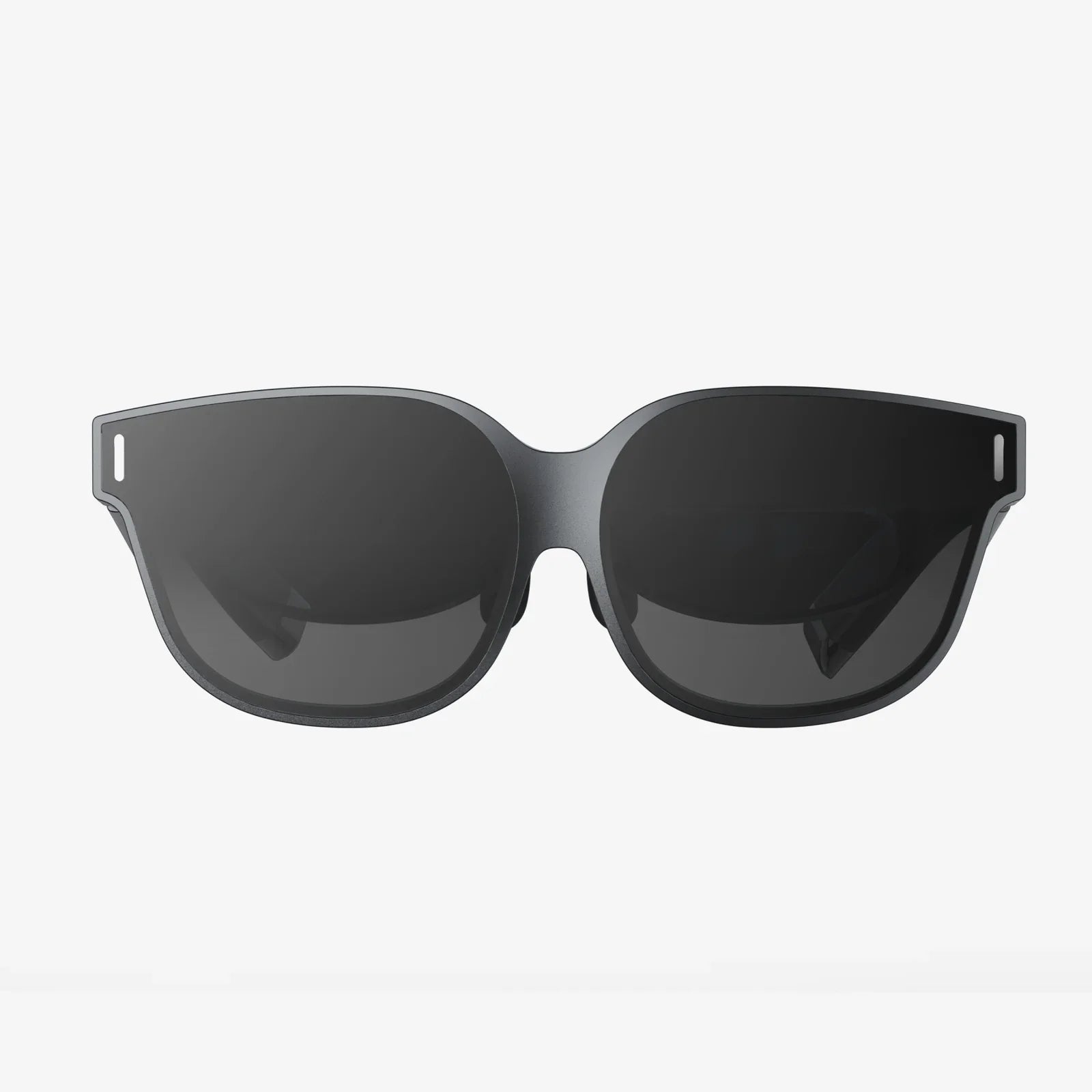
Advanced Form Factors and Ambient Computing: Technology will continue to become less obtrusive. We will see advances in smart rings, smart glasses with augmented reality (AR) displays, and even epidermal electronics (electronic tattoos). The goal is to make technology ambient—always available and contextually aware but not demanding of our constant attention.
A Focus on Mental Health and Wellness: The next frontier for wearables is the mind. Features that track stress levels through heart rate variability (HRV), guide users through breathing exercises, and monitor the quality of sleep to improve mental recovery are already present and will become more sophisticated. In a post-pandemic world where mental wellbeing is a top priority, this functionality will be a major selling point.
As these trends converge, the Australian wearable technology market will solidify its role not as a purveyor of gadgets, but as an essential component of a modern, health-focused, and connected Australian lifestyle. The device on the wrist will become a window into our wellbeing, a gateway to our digital world, and a trusted partner in our pursuit of a healthier, more efficient life.
Imagine a device that not only tracks your morning run along the Sydney Heads but also predicts your risk of illness, seamlessly pays for your post-run coffee, and alerts your doctor to a potential health issue before you even feel a symptom—this is the imminent future of wearable technology in Australia, a future where the line between human and machine blurs in the pursuit of a better self.
Share:
What Does AR Mean in Business: The Strategic Advantage of Accounts Receivable
Different Types of Wearable Devices: A Comprehensive Guide to the Tech on Your Wrist and Beyond