


Imagine a world where your watch doesn't just tell time—it tells you about your health, your environment, and your potential. This is no longer the realm of science fiction; it is the pulsating reality of today's wearable technology trends, a dynamic frontier where biology and technology converge to redefine human potential. The journey from simple step counters to sophisticated, life-altering systems has been rapid and revolutionary, setting the stage for a future where our very clothing might think for us.
The Evolution from Quantified Self to Qualified Health
The initial wave of wearables was dominated by the "quantified self" movement—a fascination with tracking basic metrics like steps taken, calories burned, and hours slept. While this provided a novel entry point into personal data, the trend has dramatically matured. The focus has decisively shifted from mere quantification to intelligent qualification and proactive health management.
Modern devices are now equipped with a suite of advanced sensors capable of capturing clinical-grade data. Continuous glucose monitoring (CGM), once confined to medical devices for diabetics, is becoming more accessible, allowing individuals to understand their metabolic health in real-time. Electrocardiogram (ECG) apps can detect signs of atrial fibrillation, potentially alerting users to serious heart conditions before they become critical. Similarly, optical sensors are now sophisticated enough to measure blood oxygen saturation (SpO2), a key vital sign.
This trend is moving wearables from the fitness aisle into the doctor's office. The data collected is no longer just for personal curiosity; it is becoming integrated into remote patient monitoring (RPM) systems. Physicians can now receive continuous, real-world data from their patients, enabling more personalized and preventative care plans. This is paving the way for a paradigm shift from reactive sick-care to proactive health-care, empowering individuals with unprecedented insight into their own bodies.
The Silent Revolution: Ambient and Unobtrusive Sensing
A significant hurdle for early wearables was user compliance. A device that is uncomfortable, requires constant charging, or is easily forgotten is ultimately useless. The next major trend addresses this directly: the move towards ambient and unobtrusive sensing. The ideal wearable is one you hardly notice.
This is being achieved through miniaturization and the development of novel form factors. We are seeing the rise of smart rings, which offer a comfortable, always-on form factor for sleep tracking and basic activity monitoring. Smaller, more efficient sensors consume less power, extending battery life from days to weeks. Furthermore, the integration of sensors into everyday objects is accelerating. Hearables—smart earphones—are now capable of monitoring heart rate, temperature, and even conducting hearing tests.
The ultimate expression of this trend is the development of smart fabrics and electronic textiles (e-textiles). Instead of wearing a separate device, the clothing itself becomes the sensor. Shirts woven with conductive fibers can monitor respiration and muscle activity, while socks can analyze gait and pressure distribution. This seamless integration promises a future where health monitoring is continuous, comfortable, and completely invisible, woven directly into the fabric of our daily lives.
The AI Brain: From Data Collection to Intelligent Context
An exponential increase in raw biometric data is meaningless without interpretation. This is where Artificial Intelligence (AI) and machine learning emerge as the most critical enabler in modern wearable technology trends. AI acts as the brain that makes sense of the body's data, transforming it from noise into actionable insights.
Advanced algorithms can now identify complex patterns and correlations that would be impossible for a human to discern. For instance, by analyzing sleep patterns, heart rate variability, and activity levels, an AI can provide a holistic stress score and suggest personalized breathing exercises or meditation sessions. It can correlate a slight change in skin temperature with the onset of illness or predict a potential migraine hours before symptoms appear.
This predictive and prescriptive capability is the true power of AI in wearables. The device evolves from a passive recorder to an active health partner. It doesn't just tell you you had a bad night's sleep; it explains the potential why (e.g., late caffeine consumption or elevated stress the previous afternoon) and suggests a tailored schedule for the day to help you recover. This move towards hyper-personalized, context-aware coaching is what will separate the next generation of wearables from their predecessors.
Beyond the Wrist: The Expansion into New Form Factors
While the wrist remains a popular location, innovation is exploding across the entire body. The wearable technology landscape is diversifying to meet specialized needs and preferences.
- Hearables: Beyond playing music, advanced earbuds now offer features like real-time language translation, augmented audio for situational awareness, and detailed biometric tracking.
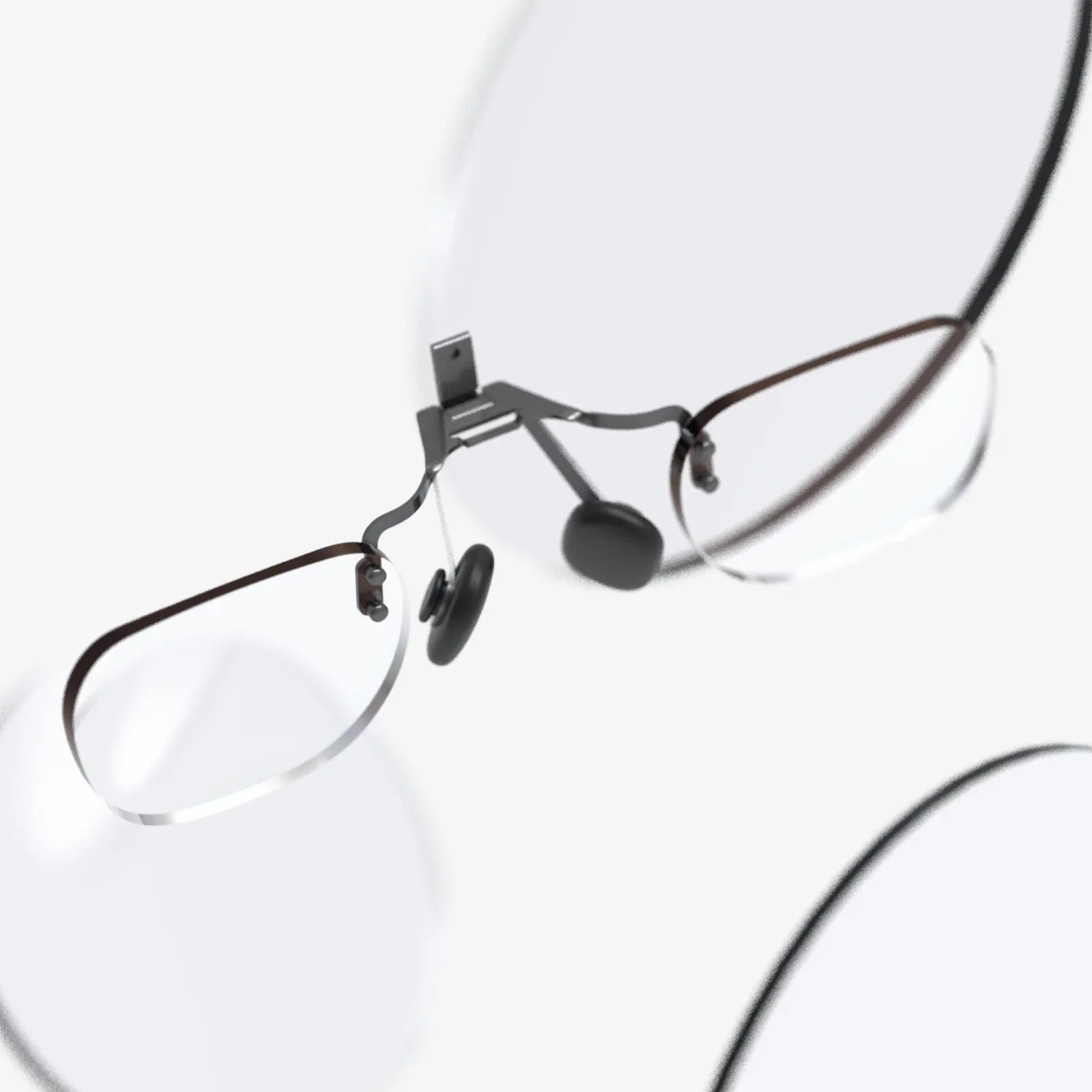
- Smart Eyewear: Augmented Reality (AR) glasses are slowly transitioning from enterprise applications to consumer use. They overlay digital information onto the physical world, offering hands-free navigation, information display, and new forms of interactive entertainment.
- Smart Patches: These single-use, disposable devices adhere directly to the skin for continuous monitoring of specific biomarkers over a period of days, often used in clinical trials or for delivering medication.
- Neural Interfaces: Though still in early stages, non-invasive headbands that can monitor focus and relaxation are entering the consumer market for meditation, while more advanced research continues into brain-computer interfaces.
This diversification signifies that there is no one-size-fits-all solution. The future of wearables is a constellation of devices, each chosen for a specific task or context, all working in concert to provide a complete picture of the user's state of being.
The Connected Ecosystem: Interoperability and the Internet of Bodies
A wearable device in isolation has limited utility. Its true potential is unlocked when it becomes a node in a larger, interconnected ecosystem—often referred to as the Internet of Bodies (IoB). This trend focuses on the seamless flow of data between your wearable, your smartphone, your home, and even your healthcare provider.
Imagine your sleep tracker communicating with your smart thermostat to optimize the bedroom temperature for optimal rest. Your fitness band could automatically adjust the difficulty of your smart home workout equipment based on your fatigue levels. Crucially, this data can be securely shared with your doctor's electronic health record (EHR) system, providing a continuous stream of real-world data to inform treatment decisions.
Standardization and interoperability are the keys to this future. The industry is moving towards open standards that allow devices from different manufacturers to communicate effectively. This breaks down data silos and creates a unified, holistic view of an individual's health and wellness, making the entire ecosystem smarter and more responsive than the sum of its parts.
The Double-Edged Sword: Privacy, Security, and Ethical Dilemmas
As wearables become more integrated and capable, they generate an incredibly intimate and continuous stream of personal data. This raises profound questions about privacy, security, and ethics—a trend that society is only beginning to grapple with.
Who owns this data? Is it the user, the device manufacturer, or the software platform? How is it being used beyond providing user insights? Could it be sold to third parties, such as insurers or employers, potentially leading to discrimination based on health predispositions? The security of this data is equally critical; a breach of biometric data is far more damaging than a stolen password, as it cannot be changed.
These concerns necessitate robust regulatory frameworks and transparent data governance policies from companies. Users must be given clear control over their data, with easy-to-understand consent mechanisms. The development of on-device processing, where data is analyzed locally on the wearable instead of being sent to the cloud, is a promising trend that enhances privacy. Navigating this ethical landscape is just as important as the technological innovation itself for the sustainable future of wearable technology.
The Horizon: What's Next for Wearables?
The trajectory of wearable technology points towards even deeper integration with the human body. Research is ongoing into non-invasive sweat-based sensors that can measure cortisol (stress hormone) or lactate levels. Breakthroughs in battery technology, such as energy harvesting from body heat or movement, could eventually lead to devices that never need to be charged.
The long-term vision is a closed-loop system where a wearable not only diagnoses a problem but also automatically acts to correct it. Imagine a smart insulin pump that communicates with a continuous glucose monitor to autonomously regulate blood sugar levels for diabetics. This fusion of diagnostics and treatment represents the ultimate goal: creating a seamless extension of our own biological systems that works tirelessly in the background to keep us healthy and enhance our capabilities.
The line between user and device is blurring, promising a future where technology is not something we carry, but something we are—a seamless, intelligent layer enhancing every facet of the human experience.
Share:
Best VR for PS5: The Ultimate Immersive Gaming Experience
Top Rated 3D Glasses - The Ultimate Viewer's Guide to Immersive Entertainment