


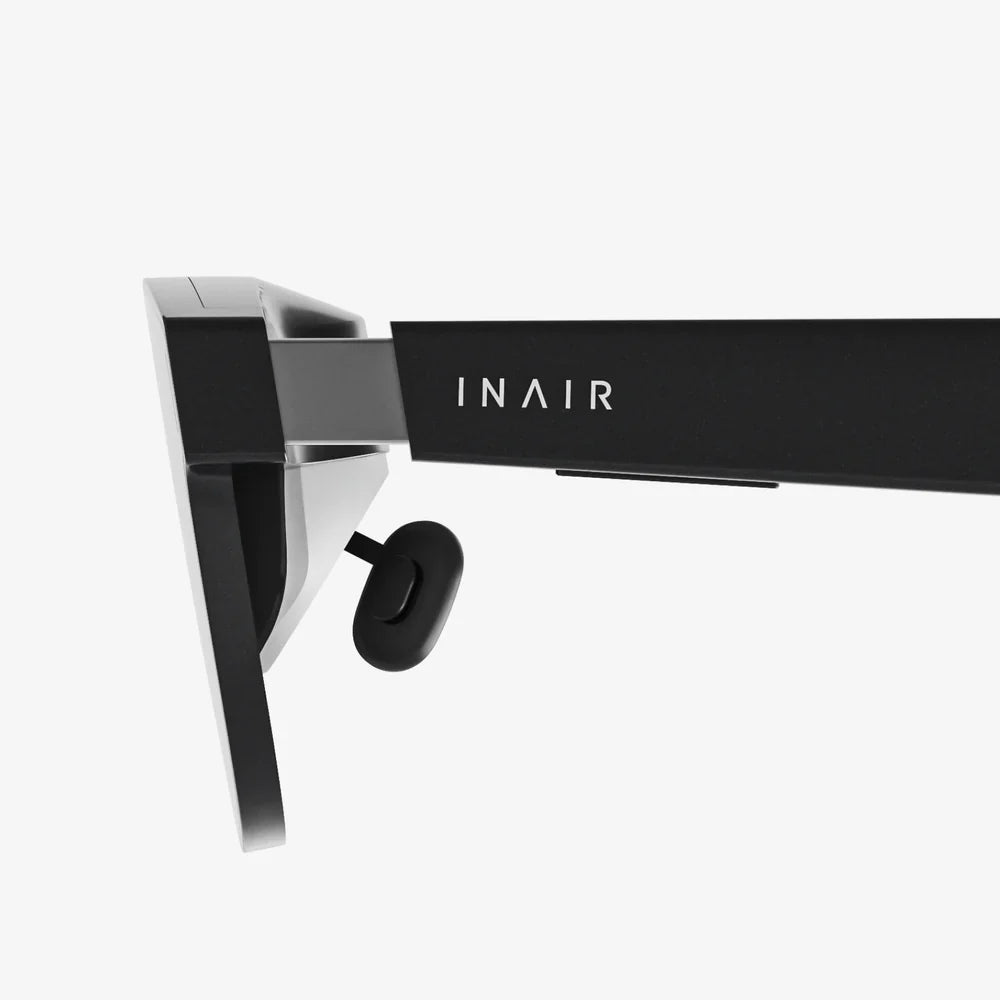
Imagine a world where your watch not only tells time but also tells you about your health, your glasses overlay digital information onto the real world, and your clothing can monitor your posture. This isn't a scene from a science fiction movie; this is the reality of today, powered by the silent revolution of wearable technology. From the subtle ring tracking your sleep to the sophisticated smartwatch guiding your workout, these devices are weaving computing power seamlessly into the fabric of our daily lives, promising a future of unprecedented personal data and convenience. But what exactly lies beneath the sleek surfaces of these gadgets, and how are they truly transforming our existence?
The Essence of Wearables: Beyond the Hype
At its core, wearable technology, often shortened to "wearables," refers to any electronic device designed to be worn on the user's body. This can be as an accessory, like a watch or a ring, as part of clothing (often called smart clothing or e-textiles), or even implanted directly onto the skin. The defining characteristic is its integration into the user's personal space, enabling a constant, hands-free interaction between human and computer.
Unlike a smartphone that you pull out of your pocket, a wearable is always on and always connected to you. It acts as a bridge between the physical and digital worlds, collecting data from your body and your environment, processing it, and providing actionable feedback. This creates a deeply personalized and contextualized computing experience. The primary goal is to augment human capabilities, enhance productivity, provide insights into health and wellness, and deliver information in a more intuitive and immediate way.
A Brief Walk Through Time: The Evolution of Wearables
The concept of wearable technology is far older than most people realize. While the current boom feels recent, its roots stretch back decades.
The Early Pioneers
In the 1960s, mathematicians Edward Thorp and Claude Shannon developed a miniature computer that could be concealed in a shoe to predict the outcome of a roulette wheel. The 1970s saw the introduction of the calculator watch, a iconic piece of tech that embedded computational power into a timepiece. The 1980s brought us the Sony Walkman, which, while not a computer, revolutionized the wearable personal audio experience. However, the true genesis of modern wearables is often traced to the 1990s and early 2000s with the rise of the internet and miniaturization of components.
The Fitness Tracker Boom
The late 2000s marked a pivotal moment with the advent of the modern fitness tracker. These simple devices, often clipped to clothing or worn on the wrist, focused on one thing: quantifying movement through step counting. They democratized data about personal activity, sparking a global fascination with metrics. This focus on health and fitness provided a clear and compelling use case that drove mass adoption and paved the way for more complex devices.
The Era of the Smartwatch and Beyond
The subsequent release of more advanced smartwatches transformed the landscape. These devices absorbed the functionality of fitness trackers and added smartphone connectivity, notifications, apps, and more sophisticated sensors. Today, the market has exploded into a diverse ecosystem encompassing smart rings for sleep tracking, smart glasses for enterprise and augmented reality, wearable ECG monitors for medical-grade heart readings, and smart clothing with sensors woven directly into the fabric.
How Do They Work? The Magic Behind the Scenes
The functionality of any wearable device rests on a sophisticated interplay of hardware and software, all packed into an incredibly small form factor.
The Hardware Core: Sensors and Processors
At the heart of every wearable are sensors—the eyes and ears of the device. These tiny components are responsible for gathering raw data from the user and their surroundings.
- Accelerometers and Gyroscopes: These measure movement, orientation, and rotation. They are fundamental for tracking steps, distinguishing between walking and running, detecting falls, and understanding sleep movement.
- Optical Heart Rate Monitors: Using a method called photoplethysmography (PPG), these sensors shine green light onto the skin and measure the amount of light reflected back by blood flow. This allows for continuous heart rate monitoring.
- Global Positioning System (GPS): GPS chipsets connect to satellites to accurately track distance, speed, and elevation during outdoor activities like running or cycling without needing a paired smartphone.
- Electrocardiogram (ECG) Sensors: These more advanced sensors measure the electrical activity of the heart by requiring the user to touch the device's bezel to create a closed circuit. This can help identify signs of atrial fibrillation (AFib).
- Bioimpedance Sensors: These send a tiny, imperceptible electrical current through the body to measure resistance, which can be used to estimate body composition metrics like body fat percentage.
- Microphones and Speakers: Enable voice assistant control, call functionality, and audio feedback.
This raw sensor data is then processed by a small, low-power microprocessor that acts as the brain of the device, converting electrical signals into digital data.
The Software Brain: Algorithms and Connectivity
The raw data from sensors is often meaningless on its own. This is where sophisticated algorithms come into play. These complex sets of instructions analyze the data patterns to extract meaningful insights. An algorithm might interpret specific arm movements as swimming strokes, distinguish between light and deep sleep based on movement and heart rate variability, or detect a sudden fall.
Finally, this processed information is relayed to the user via a companion application on a smartphone or directly on the device's own display. This connectivity, typically achieved through Bluetooth Low Energy (BLE), is crucial. It allows for data synchronization, firmware updates, and a richer user interface. The smartphone app acts as a dashboard, providing historical trends, deeper analysis, and personalized recommendations based on the collected data.
A World of Wearables: Categories and Applications
The application of wearable technology has expanded far beyond the wrist, infiltrating nearly every aspect of modern life.
Health and Fitness Domination
This remains the largest and most popular category. Devices here are focused on improving physical well-being and performance.
- Activity Trackers: Monitor steps, calories burned, distance traveled, and active minutes.
- Smartwatches: Offer comprehensive health suites including heart rate monitoring, sleep staging, blood oxygen saturation (SpO2) measurements, workout tracking for dozens of activities, and stress tracking.
- Specialized Fitness Devices: Include GPS running watches with advanced performance metrics for athletes, wearable heart rate straps for greater accuracy during intense training, and smart swim goggles that display performance data in real-time.
Medical and Clinical Use
This is one of the most transformative areas. Wearables are moving from general wellness into actual clinical healthcare, a field known as digital health.
- Remote Patient Monitoring (RPM): Devices can continuously monitor patients with chronic conditions like diabetes, hypertension, or cardiac issues from their homes, transmitting data directly to their healthcare providers. This allows for earlier intervention and reduces hospital readmissions.
- Post-Operative Care: Sensors can monitor a patient's recovery, range of motion, and adherence to rehabilitation exercises after surgery.
- Advanced Diagnostics: Wearable ECG patches can monitor heart rhythm over extended periods (e.g., 14 days) to catch intermittent arrhythmias that a short in-clinic ECG might miss.
Enterprise and Industrial Applications
Businesses are leveraging wearables to improve safety, efficiency, and workflow.
- Smart Glasses: In warehouses, workers use smart glasses for hands-free order picking, receiving visual instructions directly in their field of view. Field service technicians can use them for remote expert assistance, where a specialist can see what they see and guide them through complex repairs.
- Wearable Sensors: In dangerous environments like construction sites or oil rigs, wearables can monitor workers' vital signs for heat stress, detect falls, and ensure they are in safe zones.
Everyday Life and Convenience
Wearables are also simplifying daily tasks and providing new forms of interaction.
- Contactless Payments: Paying for coffee with a flick of the wrist is now commonplace.
- Smart Rings: Offering a minimalist, jewelry-like form factor for tracking activity, sleep, and even acting as access keys for doors or cars.
- Hearables: Advanced wireless earbuds now offer features like real-time language translation, active noise cancellation, and integrated fitness tracking.
The Double-Edged Sword: Benefits and Challenges
As with any transformative technology, the rise of wearables brings a host of incredible benefits alongside significant challenges that must be addressed.
The Bright Side: Empowerment and Connection
- Quantified Self: Wearables provide unprecedented access to personal data, empowering individuals to take a more proactive role in their health and well-being. Seeing tangible data can be a powerful motivator for positive behavior change.
- Early Detection: There are countless anecdotes of smartwatches alerting users to potentially life-threatening heart conditions they were otherwise unaware of, enabling them to seek medical attention early.
- Convenience and Efficiency: Glancing at a notification on your wrist is far less disruptive than pulling out your phone. Controlling music, getting directions, and making payments become seamless actions.
- Safety and Security: Features like fall detection with automatic emergency service calling and location sharing provide peace of mind for both the user and their loved ones.
The Challenges: Privacy, Accuracy, and Society
- Data Privacy and Security: This is the paramount concern. Wearables collect a deeply intimate portrait of your life: where you go, how you sleep, your heart patterns, and more. Who owns this data? How is it being used? Is it being sold to third parties or insurance companies? The potential for misuse and hacking is a serious threat.
- Questionable Accuracy: While improving, consumer-grade wearables are not medical devices. Readings for blood oxygen, ECG, and sleep stages can be influenced by many factors and may not be clinically accurate. Over-reliance on this data without medical consultation can lead to unnecessary anxiety (often called "cyberchondria") or a false sense of security.
- The Battery Life Dilemma: The more features a device has, the more power it consumes. Frequent charging remains a pain point and can lead to gaps in data collection, especially for sleep tracking.
- Digital Divide and Accessibility: High-cost devices could exacerbate health inequalities, where only those who can afford them have access to this level of self-monitoring.
- Constant Connectivity and Burnout: The always-on nature of wearables can contribute to digital overload and make it harder for users to truly disconnect and unwind.
Gazing into the Crystal Ball: The Future of Wearables
The trajectory of wearable technology points towards even deeper integration into our lives and bodies. The future is moving beyond the wrist towards more seamless, invisible, and powerful applications.
- Advanced Biomarker Sensing: Future devices may non-invasively monitor blood glucose levels, cortisol (stress hormone) levels, hydration, and even detect early signs of viral infections like flu or COVID-19 through sweat or interstitial fluid analysis.
- Brain-Computer Interfaces (BCIs): Companies are developing wearables that can interpret neural signals, potentially allowing users to control devices with their thoughts, restore function to paralyzed individuals, or enhance cognitive abilities.
- True Augmented Reality (AR): The evolution of smart glasses into stylish, everyday wearables that can seamlessly overlay contextual digital information onto the physical world will redefine computing, navigation, and social interaction.
- E-textiles and Smart Fabrics: Clothing itself will become the interface, with sensors and conductive threads woven directly into shirts, socks, and shoes, making the technology truly disappear into the background.
- Personalized AI Health Coaches: Leveraging artificial intelligence, future wearables will move from simply presenting data to offering highly personalized, predictive, and actionable health advice tailored to an individual's unique physiology and goals.
The line between human and machine, physical and digital, is becoming increasingly blurred. Wearable technology is the vanguard of this integration, offering a glimpse into a future where our technology understands us as intimately as we understand ourselves. The potential to revolutionize healthcare, redefine human potential, and create a more connected world is immense. Yet, it is a path that must be navigated with careful consideration for the ethical implications and a steadfast commitment to putting human well-being above all else. The device on your wrist is just the beginning; the true journey into the age of wearables is already underway, and it promises to be one of the most defining technological adventures of our century.
Share:
AR Meaning: Unlocking the Layers of Augmented Reality and Its Revolutionary Impact
Do VR Goggles Work With Any Phone? The Ultimate Compatibility Guide