


Imagine pointing your smartphone at a poster and watching a dragon erupt from the page, circling your living room before vanishing into thin air. Or visualizing a new sofa in your exact space, to scale and in perfect color, without ever leaving your browser. This isn't science fiction; it's the accessible, click-and-play magic made possible by a Web AR platform. This revolutionary technology is breaking down the final barriers to widespread augmented reality adoption, and it's poised to change how we interact with the digital and physical worlds forever. The next evolution of the internet is here, and it’s happening not in a closed app, but right in your web browser.
Demystifying the Technology: What Exactly Is a Web AR Platform?
At its core, a Web AR platform is a suite of technologies and tools that enables the delivery of augmented reality experiences directly through a web browser, without the need for users to download a dedicated application. It transforms the browser into a window for overlaying digital content—3D models, animations, videos, and information—onto the user's real-world environment, viewed through their device's camera.
The fundamental shift here is from native to web. Traditional AR has lived predominantly within native apps, which require finding an app store, downloading, installing, and granting permissions before a user can even begin an experience. A Web AR platform bypasses this entire friction-filled process. Access is instantaneous via a simple URL click or scanning a QR code, leading to a universal, shareable, and incredibly lightweight experience.
The Engine Room: Core Components and How It Works
The seamless magic of seeing a virtual object in your room belies a complex orchestration of software working behind the scenes. A robust Web AR platform is built on several key pillars:
1. Computer Vision and Tracking
This is the brains of the operation. Using advanced algorithms, the platform must understand and interpret the user's environment in real-time. This involves:
- Image Tracking: Recognizing and tracking a specific 2D image (like a poster or product package) to anchor digital content to it.
- Surface Tracking (Plane Detection): Identifying horizontal and vertical surfaces like floors, tables, and walls to allow virtual objects to be placed realistically within the space.
- Face Tracking: Mapping the user's face to apply filters, accessories, or makeup, popularized by social media but with serious applications in cosmetics and telehealth.
- Object Tracking: Recognizing and tracking specific 3D objects, such as a piece of machinery, for interactive manuals or informational overlays.
2. 3D Rendering Engine
Once the environment is understood, the platform must render high-quality, realistic 3D content. Modern Web AR platforms leverage WebGL and WebGPU, powerful web standards that allow for complex 3D graphics to be processed efficiently by the device's GPU, all within the browser window.
3. Content Management and Creation Tools
A platform is useless without content. These systems provide user-friendly interfaces, often drag-and-drop, for developers and designers to create, manage, and publish AR experiences. This includes uploading 3D assets, defining interactions, setting triggers, and generating the all-important QR codes or short links.
4. Cross-Device Compatibility
Perhaps the greatest technical challenge is ensuring the experience works consistently across a staggering array of devices—different smartphones, tablets, operating systems (iOS and Android), and browser vendors (Safari, Chrome, Edge). The platform handles this abstraction, ensuring the AR experience is as universal as the web itself.
The Unbeatable Advantage: Why the Web Wins
The argument for Web AR over native AR is compelling and centers on accessibility and ease of use.
Frictionless Discovery and Instant Access
The number one advantage is the elimination of the download barrier. Users are notoriously reluctant to download new apps, with studies showing the average person downloads zero apps per month. Web AR requires no installation; you see a QR code on a product, you scan it, and you're in. This instant gratification is paramount for marketing, education, and impulse-driven interactions.
Universal Accessibility
A single Web AR experience can reach every user with a modern smartphone and a browser. There's no need to develop and maintain two separate native apps for different app stores. This universality drastically reduces development time and cost while maximizing potential audience reach.
Seamless Sharing and Virality
Web AR experiences live on the web, which is inherently shareable. The experience is just a link away. A user can effortlessly share a mind-blowing AR experience via social media, messaging apps, or email with a single tap, enabling organic, viral growth that is simply impossible with a native app that sits in a store.
Always Updated
Like any website, a Web AR experience is always the latest version. Developers can push updates and changes instantly to all users without going through app store review processes or begging users to update their apps. The user always gets the newest, most optimized experience on every visit.
Transforming Industries: Real-World Applications
The practical applications of Web AR platforms are vast and are already reshaping consumer and business interactions.
Retail and E-commerce
This is the killer app for Web AR. "Try before you buy" is now a digital reality. Customers can see how furniture fits and looks in their home, how sunglasses sit on their face, or how a new shade of paint covers their wall. This dramatically reduces purchase hesitation and lowers return rates, providing tangible value to both the consumer and the retailer.
Marketing and Advertising
Static print ads and billboards are being transformed into interactive portals. A movie poster can become a trailer-playing window; a drink can can morph into a game character. These immersive campaigns generate significantly higher engagement and recall rates than traditional media, creating memorable brand interactions.
Education and Training
Textbooks and manuals come to life. Students can dissect a virtual frog, watch a historical battle play out on their desk, or explore the layers of a volcano. For enterprise, technicians can receive overlay instructions on complex machinery, improving training efficiency and safety while reducing errors.
Art and Storytelling
Museums are creating AR galleries where statues narrate their own history or paintings extend beyond their frames. Artists are creating AR-enabled pieces that tell a deeper story when viewed through a phone, democratizing art and making it more interactive and engaging.
Navigating the Current Landscape: Challenges and Considerations
While powerful, Web AR is not without its limitations. Understanding these is key to deploying successful experiences.
- Performance Constraints: Web AR must be lightweight to load quickly. Highly complex 3D models with immense polygon counts can cause lag or slow loading times, potentially breaking the immersive illusion. Optimization is crucial.
- Browser and Device Fragmentation: While platforms strive for compatibility, the performance and feature availability (like access to LiDAR scanners) can vary across devices and browsers, requiring careful testing.
- The Discovery Hurdle: While easier than app discovery, users still need a trigger to enter the experience, typically a QR code or a link. Integrating these triggers intuitively into the physical world is a key design challenge.
The Future is Now: Where Web AR Platforms Are Headed
The trajectory of Web AR is pointed straight toward a more deeply integrated and immersive future. We are moving towards the concept of the AR Cloud—a persistent, shared digital layer over the real world. Imagine leaving a virtual note for a friend on a restaurant table or seeing historical data about a building simply by pointing your phone at it, with that experience being the same for everyone.
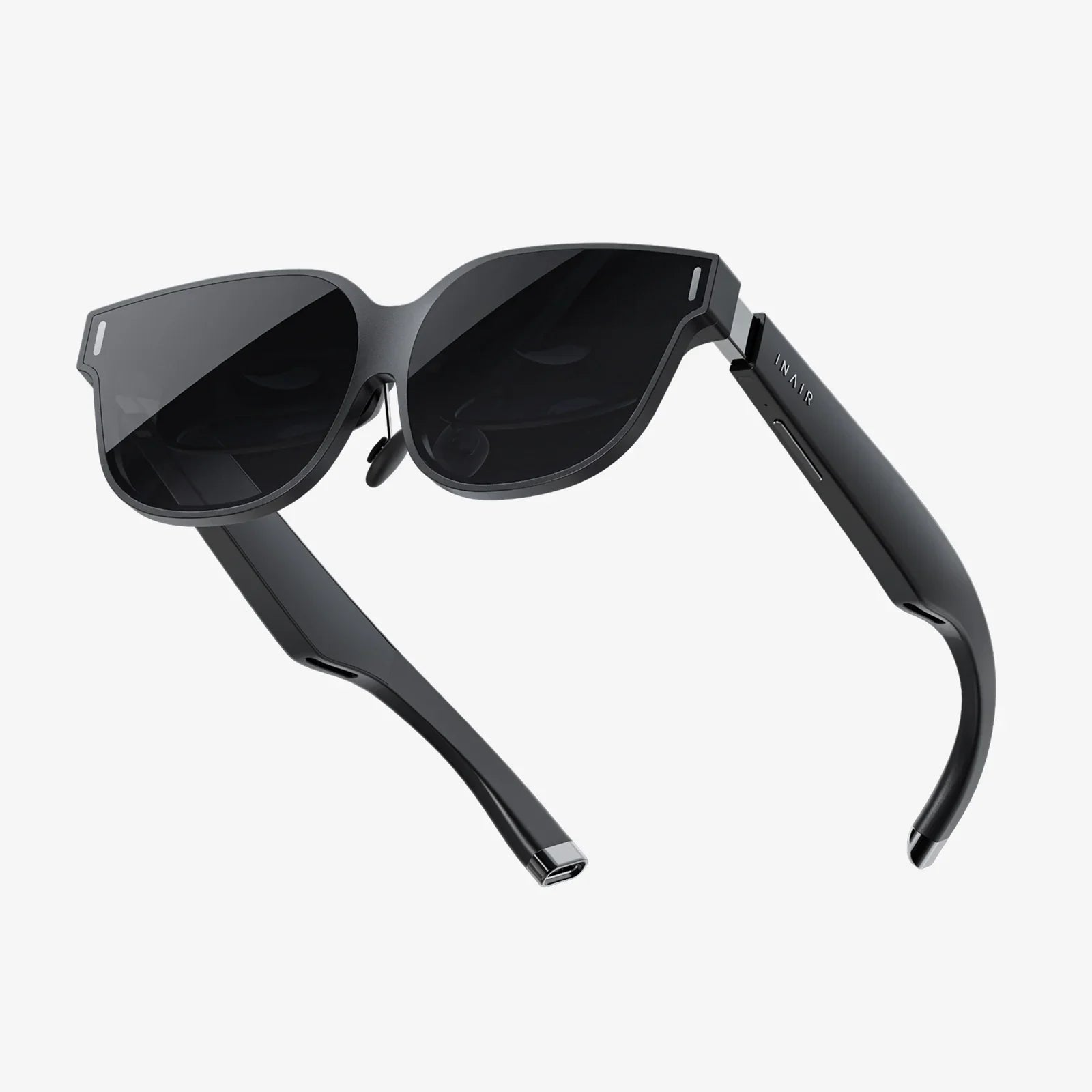
Advances in WebXR and device hardware will continue to blur the line between web and native performance. As 5G and faster networks become ubiquitous, latency will plummet, allowing for even richer, more complex experiences to stream instantly. Furthermore, the eventual proliferation of AR wearables will demand a web-based ecosystem for content, making the work of today's Web AR platforms more critical than ever.
The barrier between our digital and physical realities is dissolving, not through a complex technological ritual, but through the simple, elegant power of a web link. The next time you see a QR code, don't just scan it—step through it. You're not just accessing a website; you're stepping into the next chapter of the internet, an immersive world waiting to be explored, one browser tab at a time.
Share:
Working Space Virtual Office Meeting Room: The Future of Business is Now
Bigscreen Virtual Monitor: The Ultimate Guide to Your Infinite Workspace