


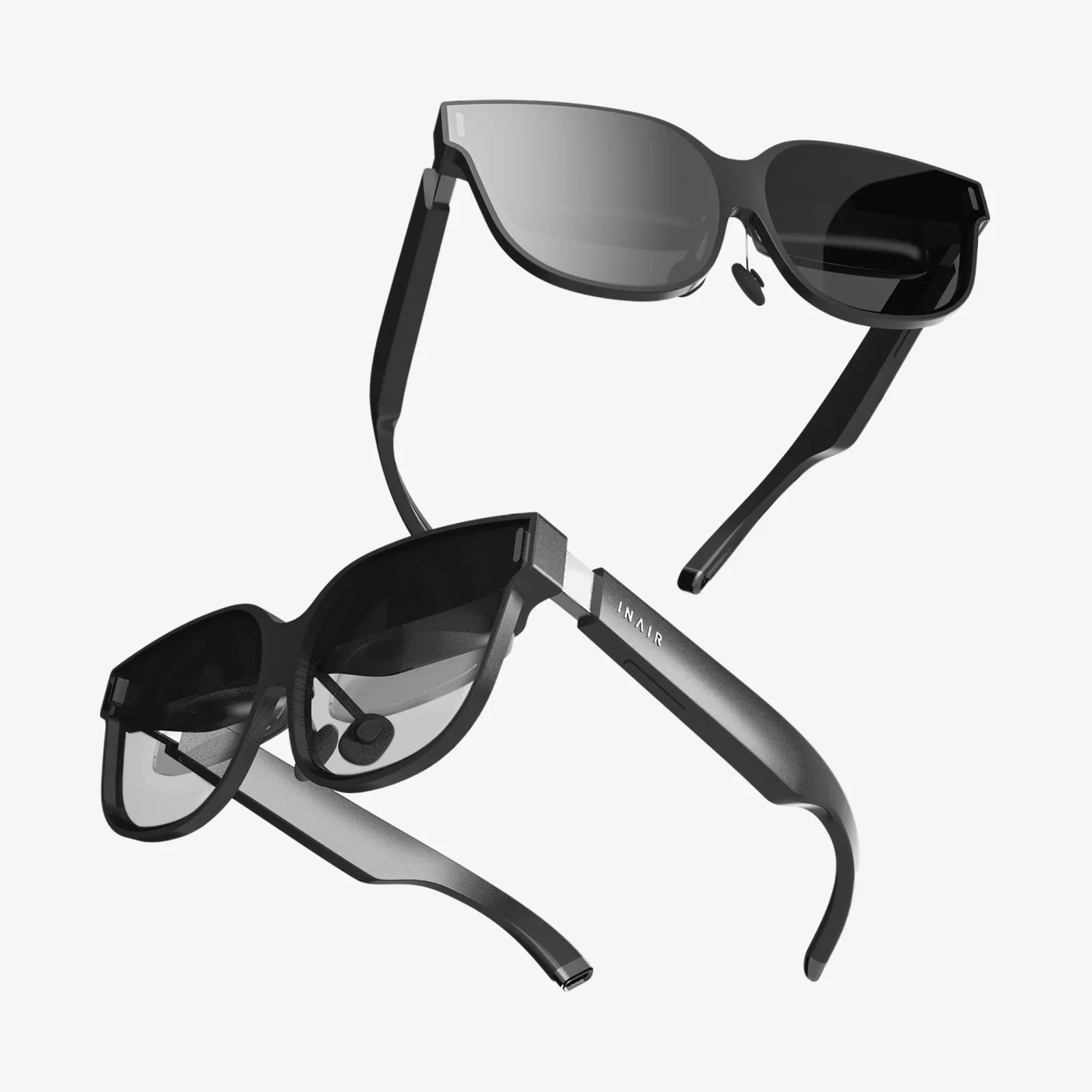
Imagine stepping into a new world, a digital frontier where the only limit is imagination itself. This is the promise of virtual reality, a technology that has captured global attention not as a fleeting trend, but as a transformative force reshaping how we work, learn, heal, and connect. The potential applications stretch far beyond entertainment, reaching into the very fabric of society with revolutionary implications.
The Unmatched Power of Immersive Experience
At its core, virtual reality's most significant advantage lies in its ability to create profound immersion. Unlike traditional screen-based media, VR transports users into fully three-dimensional environments that engage multiple senses simultaneously. This immersion triggers psychological responses that flat screens cannot replicate, creating a powerful sense of presence—the genuine feeling of "being there" in the virtual environment.
This psychological phenomenon has extraordinary implications for learning and memory retention. Studies have shown that experiences processed in immersive environments create stronger neural pathways than those processed through traditional learning methods. When we actively participate in an experience rather than passively observe it, our brains form more robust connections, leading to better long-term retention of information and skills.
Revolutionizing Educational Paradigms
Education represents one of the most promising domains for virtual reality implementation. The technology offers students unprecedented opportunities to explore subjects through direct experience rather than abstract description. Imagine history students walking through ancient Rome, biology students navigating the human bloodstream, or astronomy students witnessing supernovas from a virtual spaceship.
This experiential learning approach addresses multiple learning styles simultaneously, making complex concepts more accessible to diverse learners. Kinesthetic learners benefit from interactive manipulation of virtual objects, visual learners from rich three-dimensional representations, and auditory learners from spatialized sound that corresponds to virtual environments. The multi-sensory nature of VR creates a comprehensive learning experience that traditional methods struggle to match.
Beyond content delivery, virtual reality enables safe practice of dangerous or expensive procedures. Medical students can perform virtual surgeries without risk to patients, chemistry students can experiment with volatile compounds without safety concerns, and engineering students can assemble complex machinery without costly equipment. This safe failure environment encourages experimentation and discovery while eliminating real-world consequences.
Transforming Healthcare and Therapeutic Applications
The healthcare industry has embraced virtual reality with remarkable results across multiple specialties. In surgical training, VR simulations allow surgeons to practice complex procedures repeatedly until achieving mastery, significantly reducing learning curves while improving patient outcomes. The technology provides immediate performance feedback and allows for the creation of rare or challenging scenarios that might not be encountered during traditional training.
Pain management represents another breakthrough application. By immersing patients in calming virtual environments, healthcare providers can significantly reduce perceived pain levels during procedures ranging from wound care to chemotherapy. This distraction therapy approach has proven particularly effective for burn victims, whose painful dressing changes become more manageable when transported to snowy landscapes or other engaging environments.
Mental health treatment has been revolutionized through controlled virtual exposure therapy. Patients with phobias can gradually confront feared situations—such as heights, flying, or public speaking—in adjustable, controlled environments. Therapists can precisely calibrate exposure intensity while monitoring physiological responses, creating tailored treatment programs with unprecedented precision. Similarly, VR has shown promise in treating PTSD by allowing patients to process traumatic memories in safe, therapeutic contexts.
Redefining Professional Training and Skill Development
Beyond specialized fields, virtual reality offers advantages for workforce development across industries. Corporate training programs utilizing VR demonstrate significantly higher retention rates compared to traditional methods. Employees who learn through immersive experiences show better knowledge application and decision-making capabilities in real-world scenarios.
High-risk professions particularly benefit from VR training simulations. Emergency responders can practice disaster scenarios, electrical workers can learn safety procedures in hazardous environments, and pilots can train for emergency situations—all without actual risk. This practice translates to better preparedness and reduced errors when facing real challenges.
Soft skills development represents an emerging application with tremendous potential. Virtual reality enables practice of difficult conversations, public presentations, and leadership scenarios with realistic human avatars powered by artificial intelligence. These simulations provide safe spaces for developing interpersonal skills while offering analytics on performance metrics like eye contact, speech patterns, and body language.
Enhancing Remote Collaboration and Communication
As remote work becomes increasingly prevalent, virtual reality offers solutions to the limitations of traditional video conferencing. Spatial computing environments allow distributed teams to collaborate in shared virtual spaces with natural interaction patterns. Instead of talking to grids of faces on screens, colleagues can gather around virtual tables, examine 3D models together, and read body language more effectively.
This enhanced presence creates more meaningful connections than traditional remote communication tools. The subtle nonverbal cues that constitute much of human communication—gestures, spatial relationships, and eye contact—are preserved in well-designed virtual environments. This leads to more productive meetings, stronger team cohesion, and reduced miscommunication.
For global organizations, VR collaboration eliminates geographical barriers while maintaining the richness of in-person interaction. Design teams can iterate on 3D models in real time, architects can walk clients through unbuilt structures, and researchers can manipulate complex data visualizations together—regardless of physical location.
Expanding Creative Expression and Storytelling
The artistic potential of virtual reality represents perhaps its most exciting frontier. Traditional storytelling follows linear narratives, but VR enables experiential narratives where audiences become active participants. Filmmakers, game developers, and artists are exploring this new medium's unique language, creating works that respond to viewer movement and choice.
This interactive storytelling creates empathy in ways previously impossible. Instead of watching characters experience situations, users embody those characters and make decisions within narrative contexts. Journalistic organizations have leveraged this capability to create immersive documentaries that transport viewers to refugee camps, conflict zones, and environmental crisis areas, fostering deeper understanding of complex global issues.
For creators, VR provides entirely new canvases and tools. Sculptors work in three-dimensional virtual space, musicians compose spatial audio experiences, and choreographers develop performances unbounded by physical limitations. This expansion of creative possibility continues to evolve as the technology matures and artists discover its unique properties.
Advancing Architectural and Design Visualization
Design professionals have embraced virtual reality for its ability to bridge the gap between conception and reality. Architects can walk clients through unbuilt structures at human scale, experiencing lighting conditions at different times of day and testing functional relationships between spaces. This immersive preview capability reduces costly changes during construction and ensures client satisfaction before breaking ground.
Urban planners utilize VR to simulate proposed developments within existing contexts, evaluating visual impact, traffic flow, and pedestrian experience. Communities can experience planned changes to their neighborhoods rather than relying on abstract drawings or scale models, leading to more informed public participation in planning processes.
Product designers similarly benefit from evaluating virtual prototypes at full scale before manufacturing. Ergonomic assessments, assembly procedures, and aesthetic choices can be tested efficiently without physical mockups. This accelerated iteration process drives innovation while reducing development costs and time to market.
Addressing Physical and Mobility Limitations
Virtual reality demonstrates extraordinary potential for enhancing quality of life for individuals with physical limitations. Those with mobility restrictions can visit distant locations, experience activities like skiing or scuba diving, and socialize in environments designed for equal access. This expanded experience capability provides psychological benefits beyond mere entertainment.
Rehabilitation medicine has incorporated VR to make therapeutic exercises more engaging and measurable. Patients recovering from strokes or injuries often perform repetitive movements essential for recovery, and gamifying these exercises through VR increases motivation and adherence to treatment protocols. The technology also allows therapists to precisely track progress through movement analytics unavailable in traditional therapy settings.
For elderly populations, VR offers cognitive stimulation and social connection that can combat isolation and decline. Reminiscence therapy using historical virtual environments has shown promise for patients with dementia, triggering memories and improving mood through familiar settings from their past.
Challenges and Ethical Considerations
Despite its tremendous advantages, virtual reality development must address significant challenges. Accessibility remains a concern, as hardware costs and technical requirements currently limit widespread adoption. Motion sickness affects some users, though technological improvements continue to reduce this barrier. Privacy and data security present complex questions as immersive environments collect detailed behavioral metrics.
The psychological impact of prolonged immersion requires careful study, particularly regarding identity formation and reality distinction. Ethical guidelines must evolve alongside the technology to ensure responsible development and deployment. As with any powerful technology, virtual reality demands thoughtful consideration of potential misuse alongside celebration of its benefits.
The Future Landscape of Virtual Reality
Looking forward, virtual reality stands poised to become increasingly integrated into daily life. Advancements in display technology, haptic feedback, and artificial intelligence will continue to enhance immersion and interaction quality. Wireless systems and more comfortable hardware will reduce barriers to adoption, while content libraries expand across applications.
The convergence of VR with augmented reality suggests a future where digital information seamlessly enhances physical reality rather than replacing it. This spectrum of experiences will likely become as ubiquitous as mobile computing, transforming how we work, learn, and connect regardless of physical location.
As the technology matures, we may see virtual environments become platforms for economic activity, social organization, and cultural expression comparable in significance to the internet itself. The boundaries between physical and digital spaces will continue to blur, creating new opportunities and challenges across society.
The true advantage of virtual reality ultimately lies in its ability to expand human experience beyond physical and biological limitations. It offers not an escape from reality, but an enhancement of it—new dimensions of connection, understanding, and possibility. As this technology continues to evolve, its greatest gift may be reminding us of the incredible potential of human creativity when empowered by tools that match the scope of our imagination.
Share:
Can Make Virtual Reality Happen Real: The Bridge Between Digital Dreams and Tangible Experience
Virtual Reality Social Work: The Dawn of a New Therapeutic Frontier