


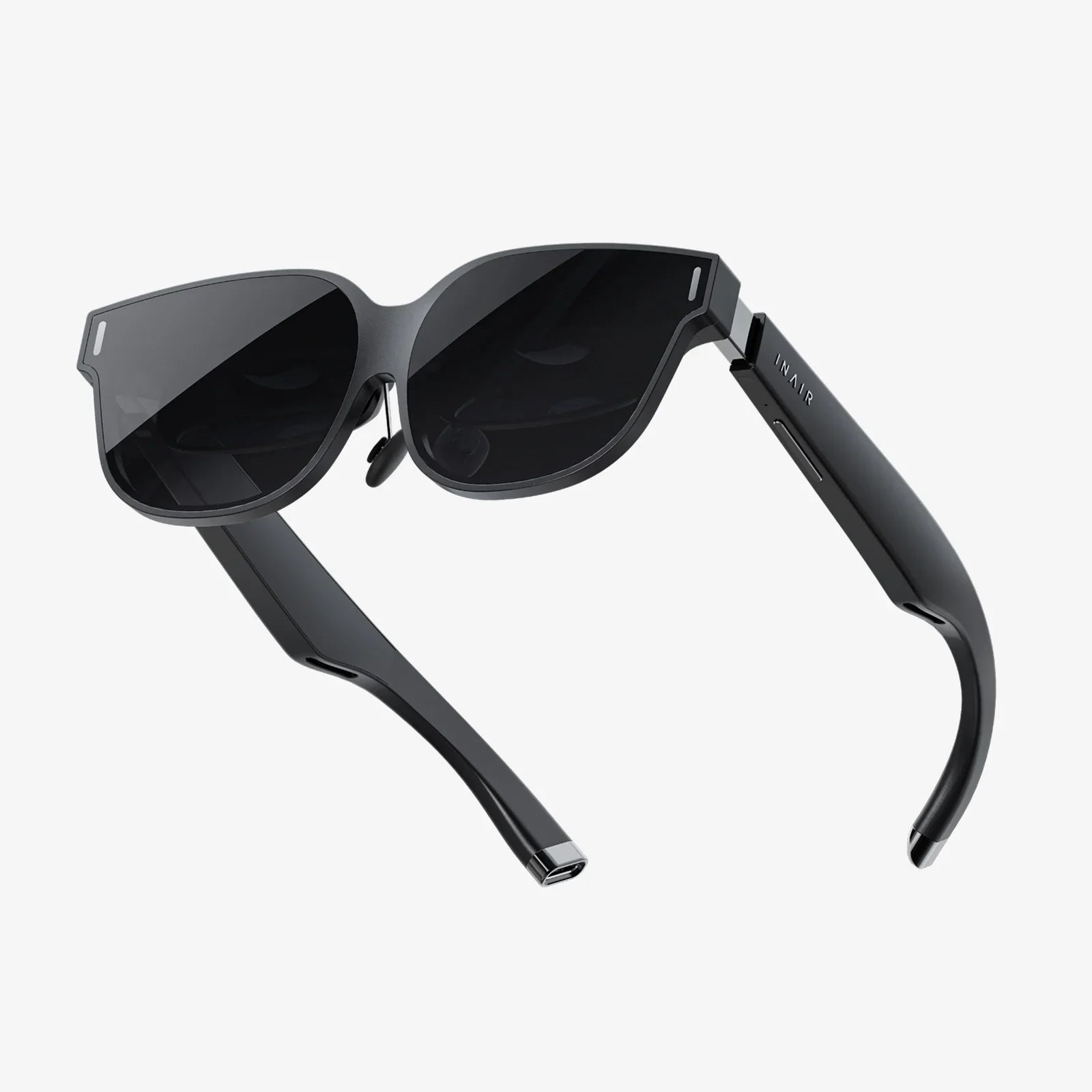
Imagine a world where digital information seamlessly blends with your physical reality, accessible not from a device in your hand but right before your eyes. This is the promise of smart glasses, a technology once confined to the realms of science fiction and exorbitant price tags. But what if you could experience this futuristic convenience without draining your savings? The hunt for affordable wearable tech is more viable than ever, and the question on many minds is: what are the cheapest smart glasses that still deliver on functionality? This guide is your roadmap to navigating this exciting, budget-friendly corner of the tech world.
Defining the "Smart" in Smart Glasses
Before diving into cost, it's crucial to understand what you're actually buying. The term "smart glasses" encompasses a wide spectrum of devices with varying capabilities. At its core, smart glasses are wearable computer glasses that add information alongside or within the user's field of vision.
Key Features to Look For
Even at a lower price point, certain features define the experience. The most common include:
- Audio: Many budget-friendly models focus on delivering high-quality, open-ear audio for listening to music, taking calls, and hearing audio notifications. This is often achieved through bone conduction or miniature directional speakers.
- Basic Notifications: The ability to receive alerts for calls, texts, and app notifications directly in your eyewear, often paired with a companion app on your smartphone.
- Voice Assistant Integration: Hands-free access to voice assistants is a standard feature that adds significant convenience.
- Built-in Microphone: For conducting calls and issuing voice commands without needing to reach for your phone.
- Camera: Some models include a basic camera for photos, videos, or even live streaming, though this feature is less common on the most affordable options.
The Spectrum of Affordability: From Basic to Feature-Rich
The market for low-cost smart glasses is broadly divided into three categories, each with its own price range and feature set.
Category 1: The Audio-Focused Companions
This is where you will find the absolute cheapest options. These devices prioritize audio functionality above all else. They are, in essence, Bluetooth headphones built into the frame of eyeglasses or sunglasses. Their primary purpose is wireless audio and communication.
Typical Price Range: $50 - $150
What You Get: Expect decent sound quality for music and crystal-clear call audio. They will reliably connect to your smartphone via Bluetooth, allow you to manage calls, and perhaps offer basic voice assistant support. They often lack any form of visual display. The build quality and battery life can vary significantly within this range, but they offer a fantastic, low-risk entry point into wearable audio.
Category 2: The Notification Hubs
The next tier up introduces a subtle visual element. These glasses might feature a small LED indicator light on the frame or a basic, monochrome display in the periphery of the lens that shows icons for incoming calls, messages, or battery status.
Typical Price Range: $100 - $250
What You Get: You gain the convenience of glancing at your glasses to see who is calling or if you have a new message without ever touching your phone. This is a significant step up in utility for those who want to stay connected but remain discreet and present in the moment. The audio features are usually improved from the bottom tier as well.
Category 3: The Aspirational AR Lites
This category represents the most advanced end of the "affordable" spectrum. Here, you start to see more sophisticated micro-displays that can project basic information like navigation directions, weather updates, or song titles more clearly into your line of sight.
Typical Price Range: $200 - $400
What You Get: While not full-fledged augmented reality with 3D holograms, these glasses provide a more integrated and information-rich experience. They often boast better design, more premium materials, and advanced features like built-in GPS or touch controls on the frames. This is for the user who wants a taste of true heads-up display technology without the four-figure investment.
Where to Find These Budget-Friendly Gems
Knowing where to look is half the battle. The cheapest smart glasses are not always found in mainstream electronics stores.
Online Marketplaces
Major e-commerce platforms are a treasure trove for affordable tech. Numerous manufacturers, particularly from regions with strong electronics manufacturing capabilities, offer their products directly to consumers here. The key is to be a savvy shopper: read reviews meticulously, check seller ratings, and pay close attention to product specifications and customer-uploaded photos.
Direct from Manufacturer Websites
Many smaller tech companies specializing in wearable audio and smart glasses sell primarily through their own websites. They often run promotions, offer discount codes for first-time buyers, and provide detailed support. Buying direct can sometimes yield a better price and a more reliable warranty.
Refurbished and Previous-Generation Models
This is one of the smartest ways to acquire higher-tier technology at a fraction of the original cost. When a company releases a new model, the previous version often sees a significant price drop. Furthermore, certified refurbished models—devices that have been returned, inspected, repaired if necessary, and certified to work like new—can offer incredible value and are typically backed by a warranty.
Critical Considerations Before You Buy
A low price should not mean ignoring crucial factors that affect your daily use and satisfaction.
Battery Life: The Lifeline of Mobility
There's nothing smart about glasses that are constantly dead. Battery life is paramount. For audio-focused glasses, aim for a minimum of 6-8 hours of continuous music playback or call time. Check reviews to see if the real-world usage matches the manufacturer's claims. Also, consider the charging mechanism—USB-C is now the modern standard for convenience.
Design and Fit: Fashion Meets Function
You will be wearing these on your face. They must be comfortable and, ideally, look good. Consider the weight—lighter is almost always better for all-day wear. Look for models with adjustable nose pads and flexible temples. Some brands offer a selection of frame styles, while others have a one-size-fits-most approach. If possible, try to find video reviews where you can see the glasses on a real person.
Smartphone Compatibility and App Ecosystem
Ensure the glasses are compatible with your smartphone's operating system. Most will work with both major platforms, but it's always best to confirm. Download the companion app from the app store before you buy and read its reviews. A clunky, poorly designed app can ruin the experience of an otherwise decent piece of hardware.
Privacy and Social Acceptance
This is a two-fold consideration. First, if your glasses have a camera, be mindful of the privacy of those around you and always follow local laws regarding recording. Second, while smart glasses are becoming more common, wearing a conspicuous tech-heavy design might draw attention. More discreet, classic-frame designs are often better for social acceptance.
The Future of Low-Cost Smart Glasses
The trajectory is clear: the technology is becoming more accessible every year. As components like micro-displays, sensors, and batteries become cheaper to produce, the features once reserved for premium models will trickle down into the budget category. We can expect to see better displays, longer battery life, and more intuitive controls at lower and lower price points, making the blending of our digital and physical lives an affordable reality for everyone.
The barrier to entering the world of augmented reality and hands-free computing is lower than it has ever been. You no longer need a futuristic budget to own a piece of the future. By understanding the market categories, knowing where to look, and focusing on the features that matter most to you, finding a pair of smart glasses that enhance your daily life without breaking the bank is an entirely achievable goal. The perfect pair of affordable smart glasses is out there, waiting to change how you see the world—and your digital life within it.
Share:
Wearable Security Device Market Growth: A Surge in Personal Safety and Technological Integration
Human Computer Interaction Problems: The Hidden Costs of Poor Design