


Imagine a world where your clothing monitors your posture, your glasses overlay digital information onto the real world, and a tiny sensor on your skin can predict a health event before you feel a single symptom. This isn't science fiction; it's the present and very near future of wearable technology. The market has exploded far beyond the simple step counter, evolving into a sophisticated ecosystem of devices designed to integrate seamlessly into our lives, augment our capabilities, and provide unprecedented insights into our health and well-being. From our wrists to our ears, and even woven into the fabrics of our clothes, wearable devices are fundamentally changing our relationship with technology and ourselves. This deep dive will unpack the intricate taxonomy of this rapidly advancing field, answering the pivotal question: what are the different types of wearable devices, and how are they shaping our future?
The Wrist-Worn Revolution: Smartwatches and Fitness Trackers
The wrist has become the primary real estate for wearable technology, dominated by two closely related but distinct categories.
Fitness Trackers
Often considered the gateway device into the world of wearables, fitness trackers are specialized gadgets laser-focused on health and activity metrics. Their primary function is quantitative data collection related to physical movement and basic physiological signs.
Key Characteristics:
- Core Functionality: Step counting, distance traveled, calories burned, and active minutes.
- Basic Health Monitoring: Heart rate monitoring (optical PPG sensors), sleep stage tracking (light, deep, REM), and sometimes blood oxygen saturation (SpO2) monitoring.
- Design: Typically lightweight, with long battery life (often a week or more), and feature minimalist displays or even simple LED indicator lights.
- User Experience: The interface is usually simple, with data synced to a companion smartphone app for detailed analysis, trend spotting, and goal setting.
These devices are ideal for fitness enthusiasts, beginners on a wellness journey, or anyone seeking to maintain a baseline awareness of their daily activity levels without the complexity or cost of a full-featured smartwatch.
Smartwatches
Smartwatches are the Swiss Army knives of wearables. They encompass all the features of a fitness tracker but build upon that foundation with advanced connectivity, processing power, and a wider array of applications, effectively acting as a secondary screen and companion for your smartphone.
Key Characteristics:
- Advanced Connectivity: Receive and respond to notifications, calls, and messages directly from the wrist. Many offer cellular connectivity for complete independence from a phone.
- App Ecosystem: Support for third-party applications for everything from navigation and music streaming to meditation and home automation control.
- Enhanced Sensors: Often include more sophisticated sensors like an ECG for atrial fibrillation detection, altimeters for elevation, and built-in GPS for precise location tracking without a phone.
- Design & Interface: Feature larger, high-resolution touchscreens, digital crowns or bezels for navigation, and a focus on customizable watch faces and bands.
The line between fitness trackers and smartwatches continues to blur, with many devices now occupying a comfortable middle ground. However, the distinction remains: fitness trackers are primarily health tools with some smart features, while smartwatches are miniature computers with comprehensive health capabilities.
Hearables: The Sound of Intelligence
Moving up from the wrist, 'hearables'—a portmanteau of 'hearing' and 'wearables'—represent one of the fastest-growing categories. These are intelligent auditory devices that do far more than just play music.
True Wireless Stereo (TWS) Earbuds with Smart Features
Modern wireless earbuds are packed with technology that transforms them into powerful wearable computers.
Key Features:
- Active Noise Cancellation (ANC): Uses microphones to analyze ambient sound and generate opposing frequencies to cancel out noise.
- Transparency Mode: The inverse of ANC, using microphones to pipe outside sound in, allowing you to remain aware of your surroundings.
- Voice Assistant Integration: Direct access to voice assistants for tasks, queries, and smart home control without touching a phone.
- Biometric Sensors: Some models now include heart rate sensors and accelerometers for tracking activity, turning a music session into a workout tracking session.
Hearing Enhancement and Augmentation Devices
This subcategory goes beyond consumer audio, focusing on enhancing human hearing capability.
- Hearing Aids: Modern digital hearing aids are sophisticated wearables that can be fine-tuned via smartphone apps, connect wirelessly to other devices (audio streaming), and filter soundscapes to improve speech clarity.
- Language Translation Earbuds: Specialized devices that can translate spoken language in near-real-time, breaking down communication barriers.
- Augmented Audio: Future-facing hearables may allow users to augment their reality with soundscapes, highlighting specific sounds or providing audio notifications based on location.
Smart Eyewear: A New Vision of Reality
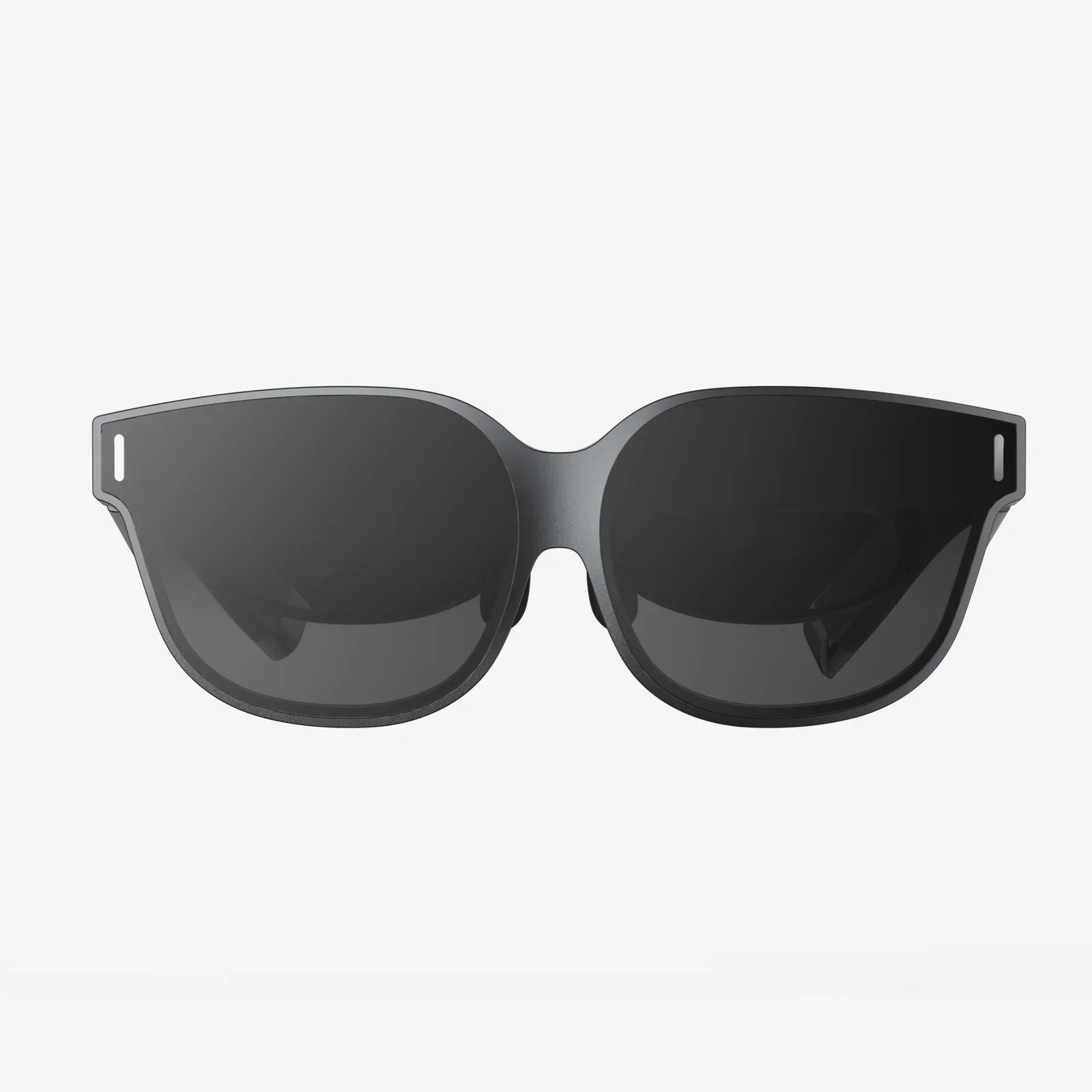
Smart glasses aim to superimpose digital information onto the user's field of view, creating a blended experience of the physical and digital worlds—a concept known as augmented reality (AR).
Augmented Reality (AR) Glasses
These are the quintessential smart glasses, designed to be a primary display for digital content.
Key Characteristics:
- Optical Technology: Use waveguides, micro-LEDs, or other systems to project images onto transparent lenses.
- Use Cases: Providing navigation cues, displaying messages and notifications, offering step-by-step instructions for complex tasks (e.g., machinery repair), and immersive gaming.
- Sensors: Equipped with cameras, depth sensors, and inertial measurement units (IMUs) to understand the environment and the user's position within it.
Smart Spectacles
A less intrusive category that focuses on integrating technology into a form factor that looks like regular glasses.
- Audio-Centric Glasses: Feature built-in speakers and microphones in the temples for taking calls and listening to audio without earbuds, while maintaining a low-profile, traditional glasses design.
- Camera Glasses: Designed primarily for first-person point-of-view (POV) photography and videography, often favored by athletes and adventurers.
The challenge for all smart eyewear remains balancing technological capability with social acceptance, battery life, and a comfortable, aesthetically pleasing design.
Smart Clothing and Body Sensors: Technology Woven In
Perhaps the most intimate category of wearables involves integrating technology directly into what we wear on our bodies, moving beyond accessory gadgets.
Smart Textiles and E-Textiles
This involves weaving conductive threads and sensors directly into the fabric of clothing itself.
Applications:
- Biometric Monitoring: Shirts and bras that accurately measure heart rate, breathing rate, and exertion levels through textile electrodes, providing superior data compared to wrist-worn optical sensors during high-movement activities.
- Posture Correction: Shirts that vibrate gently to alert the wearer when they are slouching.
- Athletic Performance: Insoles that measure running gait, force distribution, and balance, sending data to a coach or app for analysis.
Medical and Continuous Glucose Monitors (CGMs)
This represents the most critical and life-changing segment of wearables. These devices are often prescribed or used for managing chronic conditions.
- Patched Sensors: Small, disposable sensors adhered to the skin (e.g., on the abdomen or arm) that continuously measure interstitial glucose levels, transmitting data to a smartphone or dedicated reader. This liberates diabetics from frequent finger-prick tests.
- ECG Patches: Wearable patches used for long-term cardiac monitoring over days or weeks, providing doctors with extensive data to diagnose intermittent arrhythmias.
- Smart Inhalers: Inhalers for asthma and COPD equipped with sensors that track usage, monitor environmental triggers, and remind patients to take their medication.
Specialized and Niche Wearables
The innovation in wearables extends into highly specialized fields, creating devices tailored for specific environments and purposes.
Head-Mounted Displays (HMDs) for Virtual and Mixed Reality
While often considered separate from mainstream wearables, VR/AR headsets are a crucial part of the spectrum. They create fully immersive digital experiences (VR) or blend digital objects convincingly with the real world (Mixed Reality).
Wearable Cameras
Devices like body cams for law enforcement and security, or POV cameras for athletes and industrial workers, are designed for hands-free documentation and streaming.
Smart Rings
An emerging category that packs sensors into a tiny ring form factor. They excel at sleep tracking due to their comfort and can provide discreet notifications and authentication (e.g., unlocking doors or devices).
The Future We Wear: Trends and Implications
The evolution of wearable technology is marching toward greater miniaturization, deeper integration, and enhanced intelligence.
Key Future Trends:
- Invisible Technology: The ultimate goal is for the technology to disappear—becoming so small, comfortable, and integrated into daily items that the user forgets it's there.
- Multi-device Ecosystems: Devices will no longer work in isolation. Your smart ring will detect you've fallen asleep and signal your lights to turn off and your thermostat to adjust. Your smartwatch will detect atrial fibrillation and prompt your CGM to check for related metabolic stress.
- AI-Powered Predictive Health: Moving beyond tracking, wearables will use artificial intelligence to analyze vast datasets and provide predictive insights, potentially warning users of impending illness or health deterioration based on subtle changes in their biometrics.
- Brain-Computer Interfaces (BCIs): The frontier of wearables. Non-invasive headsets are already being developed to monitor focus, control applications with thought, and even help manage neurological conditions.
Challenges and Considerations: This future is not without its hurdles. Widespread adoption depends on solving battery life constraints, ensuring robust data privacy and security, navigating complex regulatory landscapes for medical devices, and addressing the potential for increased digital anxiety and data overload.
The journey from a simple pedometer to a glucose-monitoring patch or a pair of AR glasses illustrates a profound shift: we are not just using technology; we are beginning to wear it as a seamless extension of our human intent. This isn't just about counting steps anymore; it's about unlocking a deeper dialogue with our own bodies, enhancing our perception of reality, and fundamentally redefining the boundaries of human potential. The next time you glance at your wrist or put in an earbud, remember—you're not just wearing a device; you're wearing a window into a smarter, healthier, and more connected future, and the view is getting more incredible every day.
Share:
3D Modeling AI: The Revolutionary Force Reshaping Digital Creation
AR Collaboration: The Next Frontier in How We Work and Create Together