


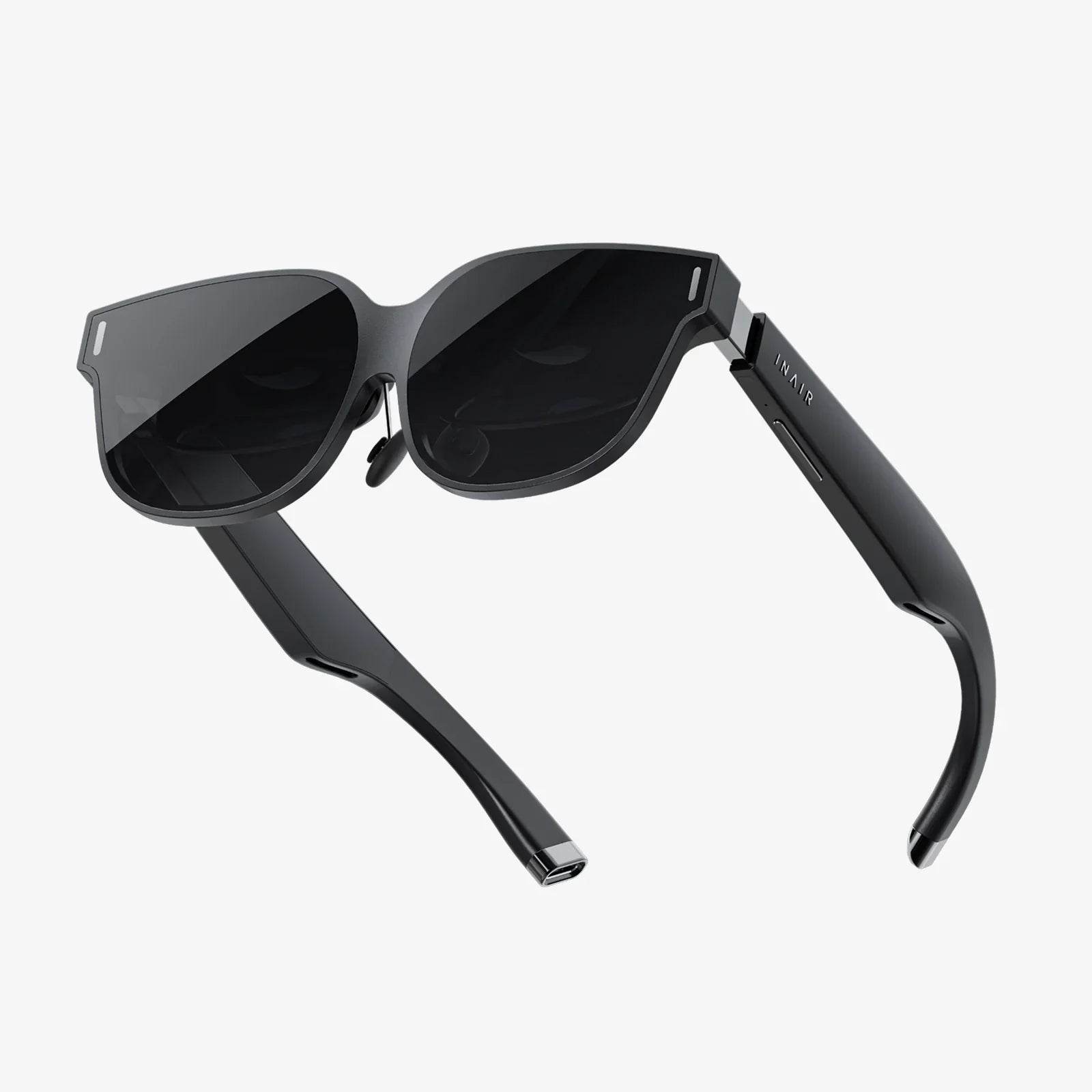
What can smart glasses do that your phone or laptop cannot? Imagine walking down a busy street while directions float in front of your eyes, your messages appear in the corner of your vision, and a discreet voice explains what you are seeing in real time. For many people, this sounds like science fiction, yet the building blocks of this experience already exist. Smart glasses are quietly evolving from experimental gadgets into powerful, everyday tools that can reshape how we work, learn, travel, and stay healthy.
Understanding what smart glasses can do starts with recognizing that they are more than just wearable screens. They combine sensors, cameras, microphones, speakers, connectivity, and sometimes advanced displays into a pair of glasses that can see, hear, and interpret the world alongside you. Whether you want hands-free navigation, live translation, in-the-moment coaching, or immersive entertainment, smart glasses are positioned to become the next major step in personal computing.
What Can Smart Glasses Do: Core Features That Matter
At their core, smart glasses are designed to bring digital information into your line of sight without requiring you to pull out a phone. This simple shift unlocks a surprisingly wide range of capabilities.
1. Display Information Directly in Your Field of View
One of the most fundamental things smart glasses can do is display information in front of your eyes. Depending on the model, this might be a small notification area in the corner or a more immersive overlay that appears to float in the environment around you.
- Notifications and alerts: Incoming calls, messages, calendar reminders, and app alerts can appear quietly in your field of view.
- Heads-up dashboards: For tasks like cycling, walking, or working, you can see speed, distance, time, or other key metrics without looking down at a screen.
- Contextual prompts: When you enter a meeting, your glasses might show the agenda or names of the people present.
This heads-up approach reduces the constant need to check a phone, which can improve focus and safety, especially when you are on the move.
2. Provide Hands-Free Navigation and Guidance
What can smart glasses do for navigation that a phone cannot? The answer lies in how naturally they can guide you.
- Turn-by-turn directions: Arrows or lines can be overlaid on your view of the street, showing exactly where to turn.
- Indoor navigation: In large buildings like airports, hospitals, or shopping centers, smart glasses can display route markers to help you reach your gate, department, or store.
- Contextual information: As you walk, the glasses can display points of interest, such as restaurant ratings, store hours, or historical facts about landmarks.
Because the instructions appear where you are looking, you can keep your hands free and your attention on your surroundings instead of constantly glancing down at a map app.
3. Enable Real-Time Translation and Language Assistance
Among the most exciting answers to the question "what can smart glasses do" is real-time language support. Smart glasses can combine microphones, connectivity, and on-device processing to help you communicate in foreign languages more naturally.
- Live subtitles: As someone speaks, translated text can appear in your field of view, acting like real-time subtitles.
- Sign translation: Some systems can help interpret signs, menus, and notices by recognizing text in the environment and translating it on the fly.
- Pronunciation assistance: When you speak, the glasses can show phonetic hints or translated phrases to help you respond correctly.
This capability can make travel less intimidating, support cross-border collaboration at work, and open up new opportunities for learning languages.
4. Enhance Productivity with Hands-Free Computing
Smart glasses can function as a lightweight, always-available computer for tasks that benefit from hands-free operation. This is particularly valuable in professional settings but can also improve personal productivity.
- Voice-controlled notes and messages: Dictate emails, notes, and reminders without touching a keyboard.
- Task checklists: View step-by-step instructions while keeping your hands free for the work itself.
- Remote collaboration: Share your point of view with a colleague or expert who can annotate your display or talk you through a process.
For people who work in the field, in warehouses, in healthcare, or in technical roles, this can dramatically reduce friction and errors, while also speeding up training and support.
What Can Smart Glasses Do for Work and Industry
While many people think of smart glasses as consumer gadgets, some of the strongest use cases so far have emerged in professional environments. These devices can reduce downtime, improve accuracy, and enhance safety across a variety of industries.
1. Support Field Service and Maintenance
Technicians servicing complex equipment often need to consult manuals, diagrams, or remote experts. Smart glasses can bring all of this information directly into their line of sight.
- Step-by-step overlays: Instructions can appear over the equipment, highlighting which part to adjust or inspect.
- Remote expert guidance: A specialist in another location can see what the technician sees and offer real-time guidance.
- Automatic documentation: Photos or videos of the work can be captured as part of a digital service record without interrupting the task.
This reduces the need for bulky manuals or repeated site visits and can help less-experienced workers perform complex tasks with confidence.
2. Improve Training and Onboarding
What can smart glasses do to accelerate learning? By overlaying instructions and feedback directly on the task at hand, they can turn training into a more intuitive, immersive experience.
- Guided workflows: New employees can follow visual cues that show exactly where to look and what to do next.
- Performance tracking: Sensors can track how long each step takes and where errors occur, helping trainers refine their programs.
- Interactive simulations: In some cases, virtual objects can be overlaid onto the real world to simulate scenarios without real-world risk.
For industries with complex equipment or safety-critical procedures, this type of training can drastically reduce mistakes and shorten the time needed to reach proficiency.
3. Enhance Safety in Hazardous Environments
Smart glasses can also help protect workers in environments where safety is a constant concern.
- Real-time hazard alerts: Sensors or connected systems can trigger warnings that appear in the worker's field of view.
- Vital signs monitoring: When paired with other wearables, smart glasses can display alerts if a worker shows signs of fatigue or heat stress.
- Compliance checks: Visual prompts can remind workers to perform safety checks or confirm that protective gear is in place.
By bringing warnings and instructions into direct view, smart glasses can reduce the chance that critical information is missed at a dangerous moment.
4. Streamline Logistics and Warehousing
What can smart glasses do in a warehouse or distribution center? They can act as a dynamic, visual guide for workers who need to pick, pack, and move items efficiently.
- Pick-by-vision: Glasses can show the shortest route through the warehouse and highlight the exact shelf and item to pick.
- Real-time inventory updates: As items are scanned or moved, the system can update stock levels and locations automatically.
- Reduced training time: New workers can become productive faster by following visual prompts rather than memorizing layouts.
The result can be higher throughput, fewer errors, and more flexible operations that adapt quickly to changing demand.
What Can Smart Glasses Do for Health, Fitness, and Wellness
Smart glasses are not limited to productivity and navigation. They also have the potential to become powerful allies in health, fitness, and personal well-being.
1. Offer Real-Time Fitness Coaching
Traditional fitness trackers collect data but often require you to look at a wrist or phone screen. Smart glasses can take that data and display it where you are already looking.
- Performance metrics: Pace, heart rate, distance, and other metrics can appear in your field of view during a run, bike ride, or workout.
- Form feedback: With the help of cameras and motion sensors, smart glasses can analyze your posture or technique and provide corrective cues.
- Adaptive coaching: Based on your performance, the glasses can suggest when to speed up, slow down, or rest.
This type of real-time feedback can make training more efficient and help you avoid injury by correcting bad habits as they occur.
2. Support Accessibility and Assistive Experiences
One of the most meaningful answers to "what can smart glasses do" lies in accessibility. For people with visual, hearing, or cognitive challenges, smart glasses can provide an extra layer of support.
- Object recognition: Cameras and artificial intelligence can identify objects, text, or obstacles and describe them verbally.
- Speech-to-text: Spoken words can be converted into on-screen text, helping those with hearing difficulties follow conversations.
- Contextual reminders: Visual prompts can remind users of tasks, appointments, or important steps in a routine.
By blending digital assistance with the real world, smart glasses can help people maintain independence and confidence in their daily lives.
3. Monitor Wellness and Daily Habits
Beyond fitness, smart glasses can support broader wellness goals by tracking activities and encouraging healthier habits.
- Activity tracking: Steps, movement patterns, and time spent sitting or standing can be monitored and displayed.
- Screen-time awareness: For those who work long hours on computers, glasses can suggest breaks to reduce eye strain.
- Mindfulness prompts: Gentle reminders to breathe, stretch, or relax can appear at intervals you choose.
These small interventions can add up over time, helping you stay more aware of how you use your body and mind throughout the day.
What Can Smart Glasses Do for Entertainment and Creativity
Smart glasses are also opening new doors for play, creativity, and immersive media. They can turn the world around you into a canvas for digital experiences.
1. Deliver Augmented Reality Experiences
Augmented reality is central to many smart glasses experiences. It involves layering digital content onto the real world in a way that feels anchored to your surroundings.
- Interactive games: Virtual characters or objects can appear in your living room, backyard, or city streets, responding to your movements.
- Educational overlays: Historical sites, museums, or science exhibits can be enhanced with interactive labels and animations.
- Creative tools: You can sketch, place virtual sculptures, or design spaces by placing digital objects in your environment.
Because these experiences are tied to your real surroundings, they can feel more engaging and memorable than content confined to a flat screen.
2. Enhance Media Consumption
What can smart glasses do for the way you watch and listen? They can make media more personal and adaptable to your environment.
- Private viewing: Videos, shows, or presentations can appear as a virtual screen visible only to you, even in public spaces.
- Context-aware content: Information about what you are watching, such as cast details or related articles, can appear alongside the main content.
- Immersive audio: Built-in speakers or bone-conduction audio can create a soundscape that follows your head movements.
This combination of visual and audio immersion can make everyday media feel more cinematic without requiring a large physical display.
3. Encourage New Forms of Storytelling
Smart glasses can also inspire new ways to tell stories that blend physical and digital worlds.
- Location-based narratives: Stories can unfold as you walk through specific locations, with scenes triggered by where you go.
- Interactive tours: Guided experiences can adapt to your choices, showing different content based on what you look at or how you move.
- Collaborative experiences: Multiple people wearing smart glasses can share the same augmented environment, interacting with the same virtual objects.
For creators, this opens up a new medium that blends game design, film, and theater with real-world exploration.
What Can Smart Glasses Do in Everyday Life
Beyond specialized uses, many people wonder what smart glasses can do in ordinary routines. The answer is that they can quietly enhance numerous small moments throughout your day.
1. Simplify Daily Tasks
Smart glasses can act as a personal assistant that is always within view but never in your way.
- Shopping support: View your grocery list while walking through the store, check off items, and see recipe suggestions.
- Home projects: Follow visual instructions for repairs, cooking, or crafts without juggling a phone or tablet.
- Time management: See subtle reminders about upcoming appointments or deadlines while you go about your day.
These small conveniences can reduce mental load and help you stay organized with less effort.
2. Capture Moments Effortlessly
What can smart glasses do for photography and video? They can allow you to capture what you see from your own perspective without reaching for a device.
- Hands-free capture: Start recording or take a photo with a voice command or subtle gesture.
- First-person perspective: Show others exactly what it felt like to be in your position during an event or experience.
- Context-aware tagging: Photos and videos can be automatically tagged with location, time, and activity information.
This makes it easier to document trips, projects, or special moments while staying fully present in the experience itself.
3. Support Learning and Curiosity
Smart glasses can also act as an instant research assistant for your curiosity about the world around you.
- Object identification: Point your gaze at a plant, building, or product and receive information about it.
- On-demand explanations: Ask questions about what you are seeing and get concise answers without breaking your focus.
- Skill building: Follow along with tutorials overlaid on your environment, such as learning an instrument or a new craft.
By turning the world into an interactive encyclopedia, smart glasses can make learning more spontaneous and engaging.
Limitations and Challenges of Smart Glasses
While it is exciting to explore what smart glasses can do, it is equally important to understand their current limitations. These constraints shape how useful and acceptable they are in everyday life.
1. Battery Life and Comfort
Smart glasses pack a lot of technology into a small frame, which often leads to trade-offs.
- Limited battery life: High-performance features such as continuous camera use, bright displays, or constant connectivity can drain batteries quickly.
- Weight and balance: Extra components can make some models heavier or less comfortable than regular glasses.
- Heat management: Processing tasks can generate heat, which must be controlled to keep the glasses comfortable.
Designers are working to improve efficiency and ergonomics, but for now, users may need to balance intensive use with charging and comfort considerations.
2. Privacy and Social Acceptance
Another major concern is how smart glasses affect privacy and social norms.
- Camera awareness: People may feel uneasy if they are not sure whether they are being recorded.
- Data handling: Information captured by sensors and cameras needs to be stored and processed responsibly.
- Social signals: Wearing visible technology on your face can affect how others perceive and interact with you.
Clear visual indicators, transparent policies, and thoughtful design can help address these concerns, but they remain central issues for widespread adoption.
3. Visual Distraction and Safety
Because smart glasses place information directly in your field of view, there is a risk of distraction.
- Competing for attention: Notifications or overlays can draw focus away from important real-world cues.
- Use in critical situations: Activities such as driving or operating machinery require strict safety considerations.
- Interface design: Poorly designed interfaces can clutter your view or cause eye strain.
Developers need to design experiences that prioritize safety, with modes that limit distracting content when full attention is required.
4. Cost and Accessibility
Many advanced smart glasses are still relatively expensive compared to common devices like phones or basic wearables.
- Hardware costs: High-quality displays, sensors, and processors raise the price of production.
- Specialized use cases: Some models are targeted at niche professional applications rather than general consumers.
- Insurance and support: For medical or assistive uses, coverage and long-term support can be uncertain.
Over time, as components become cheaper and more efficient, smart glasses are likely to become more accessible to a broader audience.
The Future: What Smart Glasses Could Do Next
Looking ahead, the question "what can smart glasses do" becomes even more intriguing. Advances in hardware, software, and connectivity are poised to expand their capabilities significantly.
1. More Natural Interfaces
Future smart glasses are likely to rely on more intuitive ways of interacting with digital content.
- Eye tracking: Systems can respond to where you look, making selection and navigation more fluid.
- Gesture recognition: Subtle hand or finger movements can control interfaces without physical controllers.
- Context-aware automation: The glasses can anticipate what you need based on your location, activity, and habits.
These improvements can make the experience feel less like using a device and more like having a natural extension of your perception and memory.
2. Deeper Integration with Other Devices
Smart glasses will increasingly act as a central hub for information from your other devices and services.
- Seamless handoff: Start a task on your phone or computer and continue it through your glasses without friction.
- Unified notifications: See and manage alerts from multiple devices in one place.
- Environment-aware control: Adjust lights, temperature, or media in your home simply by looking at or speaking about the device.
As more everyday objects become connected, smart glasses can become a convenient way to interact with them.
3. Smarter, More Personalized Assistance
With advances in artificial intelligence, smart glasses can become highly personalized assistants.
- Contextual recommendations: Suggestions for routes, activities, or content based on your preferences and current situation.
- Memory support: Subtle prompts about names, past conversations, or important details in social and professional settings.
- Adaptive learning: The system can learn how much information you prefer and when you prefer to see it.
This level of personalization raises important questions about data privacy and control, but it also offers the potential for truly meaningful digital companionship.
How to Decide If Smart Glasses Are Right for You
With so many possibilities, it can be challenging to decide whether smart glasses fit your life today. Considering what smart glasses can do for your specific needs can help clarify the decision.
1. Identify Your Primary Use Cases
Start by asking yourself where hands-free information or augmented views would help you most.
- Work: Do you perform tasks where you need instructions, checklists, or remote support while keeping your hands free?
- Travel: Would real-time translation or navigation make your trips more comfortable and efficient?
- Fitness and hobbies: Could real-time metrics, coaching, or documentation enhance your training or creative projects?
Focusing on a few high-value scenarios will give you a clearer sense of potential benefits.
2. Consider Comfort and Lifestyle Fit
Smart glasses are worn on your face, so comfort and appearance matter more than with many other devices.
- Wearing time: Will you use them for short sessions or for extended periods each day?
- Style preferences: Are you comfortable with visibly tech-forward designs, or do you prefer subtle, traditional frames?
- Vision needs: If you already wear prescription lenses, compatibility is crucial.
A model that fits your personal style and physical comfort is more likely to become part of your daily routine.
3. Balance Benefits Against Trade-Offs
Finally, weigh the advantages against the limitations discussed earlier.
- Cost versus value: Do the specific things smart glasses can do for you justify the investment?
- Privacy comfort: Are you comfortable with the data these devices may collect and how it is handled?
- Social context: How will these glasses fit into the environments where you spend most of your time?
Being honest about these factors will help you decide whether now is the right moment to adopt smart glasses or whether it makes more sense to wait for future generations.
As you look at everything smart glasses can do, from guiding you through unfamiliar streets to coaching your workouts, translating conversations, enhancing your work, and turning everyday scenes into rich digital experiences, it becomes clear that they are more than a passing trend. They represent a new way of blending the digital and physical worlds, one that could eventually feel as natural as glancing at a watch or checking a phone. Exploring what smart glasses can do today gives you a glimpse of how your daily life might look tomorrow, and it invites you to decide how soon you want that future resting comfortably on the bridge of your nose.
Share:
smart glasses canada: A Deep Dive Into the Future of Wearable Tech
Screen Goggles For Digital Comfort And Eye Protection Explained