


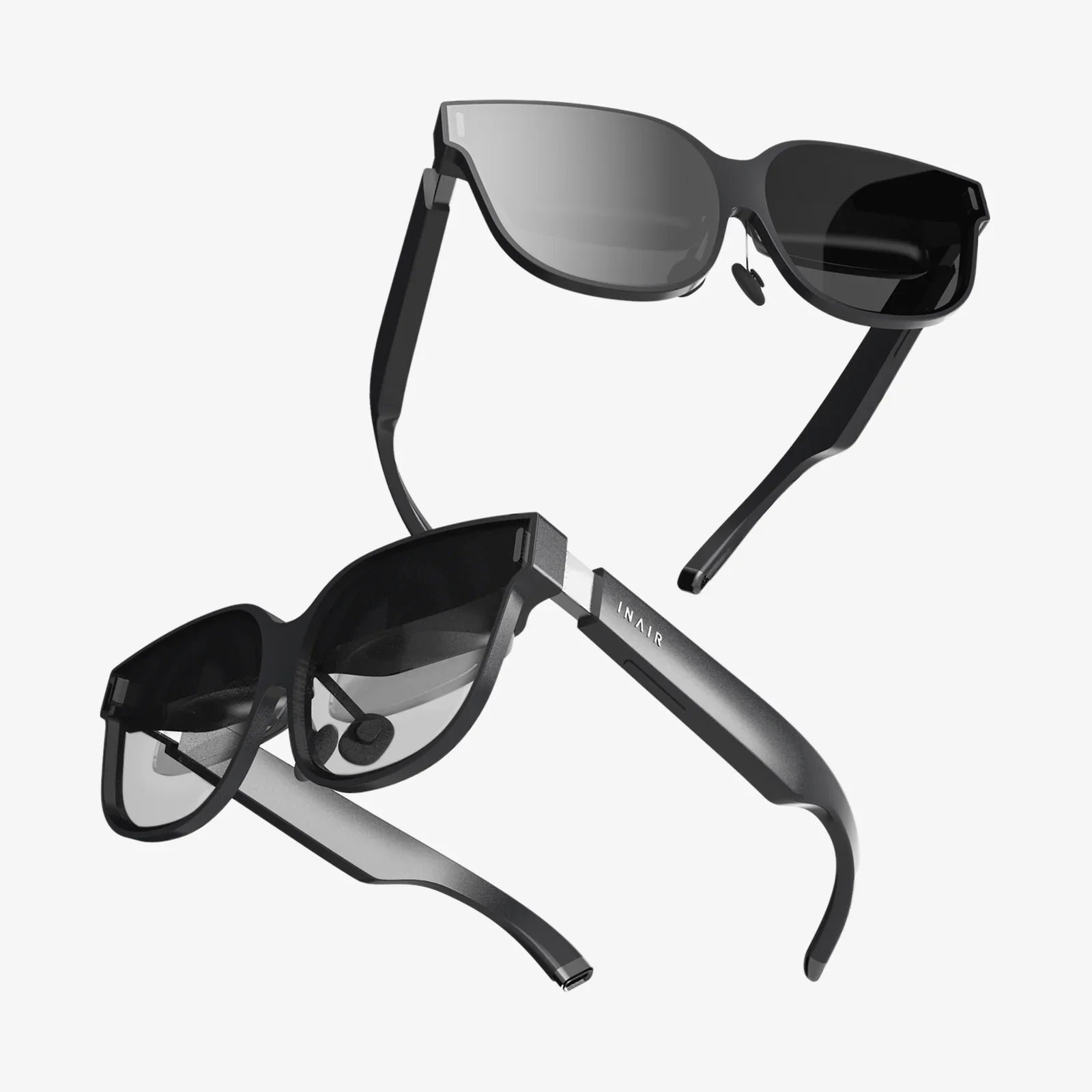
Imagine a world where your glasses translate foreign street signs in real-time, your watch warns you of an irregular heartbeat before you feel a symptom, and your clothing monitors your posture to prevent injury. This isn't a distant sci-fi fantasy; it's the emerging reality powered by wearable computers, a technological revolution that is fundamentally reshaping our relationship with data, our environment, and our own bodies. The era of passive accessories is over; we are entering the age of intelligent, connected, and proactive wearable technology that promises to augment human capabilities in ways previously unimaginable.
The Defining Characteristics of a Wearable Computer
At its core, a wearable computer is any small technological device equipped with computing power that is designed to be worn on the user's body. Unlike a smartphone that is carried and intermittently used, a wearable is characterized by its persistent, on-body presence and its ability to interact with the user and the environment with minimal conscious effort. Several key principles distinguish it from other portable electronics.
Constancy and Always-Ready Status: A true wearable is always on and always accessible. It does not need to be pulled out of a pocket or bag; it is integrated into the user's personal space, providing a continuous stream of information or monitoring without requiring active engagement. This creates a seamless flow of interaction, blurring the line between user and machine.
Augmentation, Not Replacement: The primary purpose of a wearable is to augment human intelligence and capability, not to replace another device. It enhances the user's senses, provides contextual information, and automates tasks. For instance, smart glasses can overlay digital instructions onto a physical engine a mechanic is repairing, augmenting their vision with a schematic.
Contextual Awareness: Through an array of sophisticated sensors—including accelerometers, gyroscopes, heart rate monitors, GPS, microphones, and environmental sensors—wearables are deeply aware of their context. They know if the user is running, sleeping, or sitting; they can track location, altitude, and ambient light. This sensor data allows them to provide highly personalized and situationally relevant feedback and automation.
Operational Hands-Free or Eyes-Free Use: Many wearables are designed for scenarios where using a handheld device is impractical or dangerous. A head-mounted display allows a surgeon to view patient vitals without looking away from the operating table, and a smartwatch can be controlled by voice commands while cycling, keeping hands on the handlebars.
A Journey Through Time: The Evolution of Wearable Tech
The concept of wearable computing is far older than most realize. Its seeds were planted not in Silicon Valley garages, but in the casinos of Nevada and the halls of academia.
The 1960s - The Pioneering Spirit: The first true wearable computer is widely credited to mathematicians Edward Thorp and Claude Shannon. In 1961, they created a shoe-worn computer the size of a cigarette pack to predict the outcome of roulette wheels. While its purpose was controversial, it established the foundational idea of covert, body-worn computation.
The 1970s and 1980s - The Wristwatch Revolution: The calculator watch, introduced in the mid-1970s, brought wearable computation to the masses for the first time. It was a novelty, but it cemented the wrist as a prime location for interactive technology. Concurrently, Steve Mann, a researcher now known as the "father of wearable computing," began experimenting with head-mounted displays and backpacks full of computing gear in the late 1970s, envisioning a future of mediated and augmented reality.
The 1990s - Defining the Field: This decade saw the term "wearable computer" enter the academic lexicon. MIT's Media Lab, led by researchers like Mann and Thad Starner, became a hotbed for development. They created systems for "personal augmentation" and explored the concept of "constant connectivity through personal technologies." The 1994 IEEE International Symposium on Wearable Computers (ISWC) became the first major conference dedicated to the field.
The 2000s and 2010s - The Consumer Explosion: The convergence of miniaturized sensors, low-power processors, and ubiquitous wireless connectivity (Bluetooth, Wi-Fi) finally made consumer wearables viable. Fitness trackers exploded in popularity, democratizing health data. The launch of modern smart glasses, while facing initial hurdles, brought augmented reality back into the public consciousness. The smartwatch evolved from a peripheral notification screen to a powerful health and communication hub on the wrist.
Today and Tomorrow - The Era of Integration and Intelligence: Modern wearables are moving beyond discrete devices. We are seeing the rise of smart fabrics (e-textiles), where the clothing itself is the computer, and advanced hearables that augment hearing and translate languages. The focus is shifting from simple data collection to intelligent analysis and proactive intervention using artificial intelligence and machine learning.
The Diverse Ecosystem of Modern Wearables
The landscape of wearable computers is vast and varied, with devices designed for nearly every part of the body and every aspect of life.
Wrist-Worn Devices: This is the most mature and popular category, encompassing fitness trackers and advanced smartwatches. They monitor activity, sleep, and heart rate, deliver notifications, run apps, and facilitate contactless payments.
Head-Mounted Displays (HMDs): This category includes both Virtual Reality (VR) headsets, which immerse the user in a completely digital environment, and Augmented Reality (AR) glasses, which overlay digital information onto the real world. Applications range from immersive gaming and training simulations to complex industrial maintenance and remote assistance.
Hearables: Far more advanced than simple wireless earbuds, modern hearables are intelligent computers for the ear. They feature active noise cancellation, real-time language translation, biometric monitoring (e.g., core temperature), and personalized soundscapes that adapt to your environment.
Smart Clothing and E-Textiles: This involves integrating sensors and connectivity directly into fabrics. Examples include running shirts that monitor breathing and form, socks that track running gait, and safety vests for construction workers that monitor vital signs and detect falls.
Health and Medical Wearables: This is a critically important sub-category. Devices like continuous glucose monitors (CGMs) for diabetics, ECG-enabled smartwatches that can detect atrial fibrillation, and smart patches that track medication adherence are moving from consumer wellness into clinically validated healthcare, enabling remote patient monitoring and empowering individuals with unprecedented insights into their own health.
Beyond the Hype: Profound Benefits and Applications
The value of wearable computers extends far beyond convenience; they are catalysts for transformation across industries.
Revolutionizing Personal Health and Wellness: Wearables have democratized health data. Individuals can now track trends in their sleep, activity, and heart rate, moving from reactive healthcare to proactive wellness. For those with chronic conditions, these devices can provide life-altering continuous monitoring and early warning systems, reducing hospital visits and improving quality of life.
Enhancing Professional and Industrial Efficiency: In fields like logistics, manufacturing, and field service, AR glasses can deliver hands-free instructions, diagrams, and remote expert support directly into a worker's field of view, drastically reducing errors and training time. Wearable sensors can also monitor worker fatigue and environmental hazards, enhancing safety.
Creating New Realities for Training and Education: VR wearables can transport medical students into a virtual operating room or history students onto an ancient battlefield, creating immersive, experiential learning opportunities that are impossible to replicate with textbooks. This safe, simulated environment allows for practice and mistake-making without real-world consequences.
Enabling Seamless and Contextual Connectivity: Wearables filter the digital world, delivering only the most important information based on your context. A gentle tap on the wrist for an urgent message is far less disruptive than a ringing phone during a meeting. This creates a more intuitive and less intrusive form of connectivity.
Navigating the Challenges: The Flip Side of the Coin
This powerful technology does not come without significant challenges and concerns that society must grapple with.
The Privacy Paradox: Wearables are data collection powerhouses, generating a intimate, continuous stream of biometric and location information. This creates a massive vulnerability. Who owns this data? How is it being used, aggregated, and sold? Could health data be used by insurers or employers? The potential for surveillance, both corporate and governmental, is unprecedented.
Battery Life and the Tether to Charging: Despite advances, the constant need to charge multiple devices remains a practical hurdle. For a device to be truly constant and always-ready, battery technology needs a leap forward to support more powerful processors and always-on sensors without becoming a daily chore.
Digital Divide and Accessibility: High-end wearables are expensive, potentially creating a new dimension of inequality between those who can afford human-augmenting technology and those who cannot. Furthermore, complex interfaces can exclude elderly populations or those with disabilities who might benefit most from assistive wearables.
Psychological and Social Impacts: Constant connectivity can lead to increased anxiety and an inability to disconnect. The quantification of every aspect of life can also lead to obsessive behaviors, particularly around health and fitness metrics. Socially, the widespread use of devices like AR glasses and hearables in public spaces raises new questions about etiquette and shared reality.
Gazing into the Crystal Ball: The Future of Wearable Computing
The trajectory of wearable technology points toward even deeper integration with our lives and our biology.
The Invisible Computer: The ultimate goal is for the technology to disappear. Future wearables will likely be smaller, lighter, and more seamlessly integrated into everyday objects like rings, conventional-looking glasses, and clothing. The computer will fade into the background, leaving only the augmented experience.
Brain-Computer Interfaces (BCIs): The next frontier is direct communication between the brain and computers. Non-invasive headsets are already being developed to control devices with your mind, and while still in early stages, this technology holds the potential to restore mobility and communication for people with paralysis and revolutionize how we interact with all technology.
Predictive and Prescriptive Health: Moving beyond tracking, future health wearables will use AI to predict health events, such as predicting the onset of an illness like the flu based on subtle changes in vitals, or suggesting personalized dietary recommendations based on continuous glucose monitoring.
The Ethical Imperative: As this technology advances, a robust ethical and legal framework must evolve alongside it. Clear regulations on data ownership, privacy, security, and equitable access will be essential to ensure that the wearable revolution benefits all of humanity, not just a privileged few.
The line between human and machine is softening, not with the clunky implants of cyberpunk lore, but with elegant, intelligent, and increasingly indispensable devices that live on our bodies. From a clandestine roulette predictor to a life-saving health monitor on your wrist, the journey of the wearable computer is a testament to human ingenuity. This is not just about technology we wear; it's about a fundamental shift in human potential, a future where our tools understand our context, anticipate our needs, and empower us to live healthier, smarter, and more connected lives. The next time you glance at your wrist or adjust your earbuds, remember—you're not just wearing a device; you're wearing a piece of the future.
Share:
New VR Goggles 2025: The Unseen Revolution Reshaping Reality
Cheap Smart Devices: The Revolution in Affordable Home Automation