


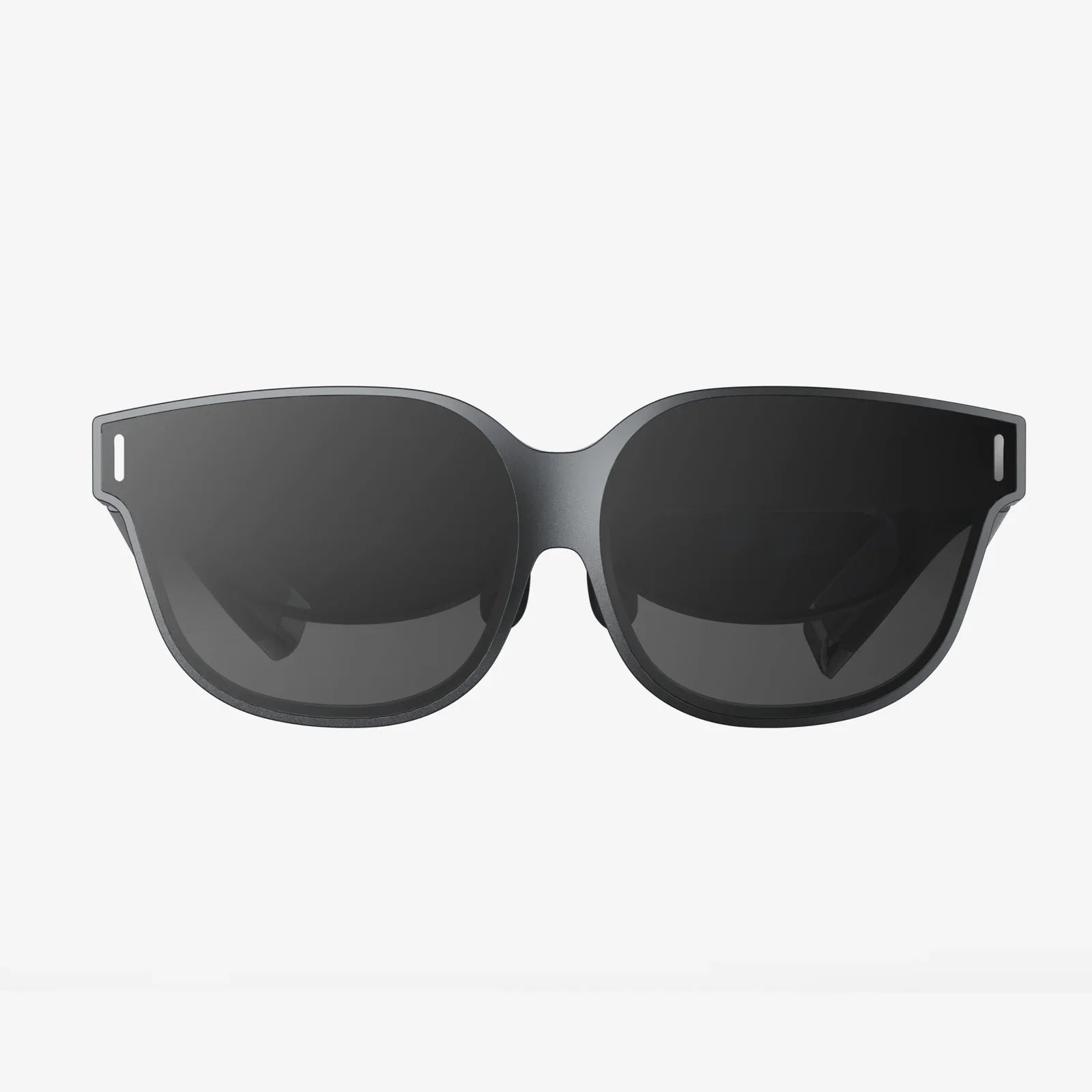
You've decided to take the plunge into the breathtaking worlds of PC-powered virtual reality, but a critical question halts your journey before it even begins: with so many options boasting high-resolution displays, advanced tracking, and immersive audio, how do you possibly choose the right one for your setup, your playstyle, and your wallet? The search for the ultimate PC VR experience is a personal quest, one where the 'best' headset is not a single model but the perfect alignment of technology and individual preference. This comprehensive guide is designed to be your trusted navigator, demystifying the key specifications and helping you identify which headset will truly make your virtual dreams a reality.
Beyond the Hype: Defining "Best" in PC VR
The term "best" is a mirage in the tech world, constantly shifting with new releases and innovations. In the context of a PC VR headset, it's a deeply subjective metric. For a competitive esports player, "best" might mean the absolute lowest latency and clearest tracking. For a flight simulator enthusiast, it translates to the highest possible resolution and widest field of view. For someone with a more limited budget, "best" is the headset that delivers a solid, reliable experience without breaking the bank. Therefore, our exploration won't crown a single winner but will equip you with the knowledge to crown your own.
The Pillars of PC VR Performance: What Truly Matters
To make an informed decision, you must understand the core components that define a headset's capabilities and how they interact with your powerful gaming computer.
Visual Fidelity: Resolution, Refresh Rate, and Lens Technology
This is where your GPU's power is translated into immersion.
- Resolution & PPD (Pixels Per Degree): While manufacturers tout per-eye resolutions like 2160x2160 or 2880x2880, a more accurate measure of clarity is PPD. This factors in the field of view (FOV); a high-resolution screen crammed into a narrow FOV will look sharper than the same resolution stretched across a wider FOV. Most modern headsets now sit in the 20-25 PPD range, a significant leap from earlier generations, drastically reducing the "screen door effect" (the visible lines between pixels).
- Refresh Rate: Measured in Hertz (Hz), this determines how many times the image refreshes per second. Standard rates are 90Hz and 120Hz, with some headsets pushing 144Hz or even 160Hz. A higher rate provides smoother motion, which is crucial for fast-paced games and reduces the potential for simulation sickness. However, it also demands more from your GPU.
- Lens Quality & FOV: The lenses are the window to the virtual world. Fresnel lenses are common but can cause god rays (glare around high-contrast objects). Aspherical and pancake lenses, found in newer designs, offer a clearer picture with less distortion and glare but can be more complex and expensive. Field of View represents how much of your vision is occupied by the virtual environment. A wider FOV (110 degrees and above) is more immersive but, again, requires more rendering power.
Tracking: The Inside-Out Revolution
How the headset and controllers understand their position in space is fundamental to presence.
- Outside-In Tracking: This older method uses external sensors or base stations placed around your room to track the position of the headset and controllers. It is renowned for its millimetre-perfect precision and is the gold standard for professional applications and competitive players. The downside is the setup process, requiring mounting hardware, cables, and permanent play space dedication.
- Inside-Out Tracking: The modern standard for consumer headsets. Cameras on the headset itself look outward to track the controllers and map the environment. This eliminates the need for external sensors, making setup a breeze and allowing for more flexible, portable use. While its absolute precision can be a fraction less than outside-in, the technology has advanced to the point where the difference is negligible for the vast majority of users and games.
Comfort and Ergonomics: The Forgotten Spec
A headset can have the most advanced specs on paper, but if it's a pain to wear, it will gather dust. Comfort is a multi-faceted spec.
- Weight Distribution: Is the weight front-heavy? A good counterbalance strap or battery at the back can make a heavy headset feel much lighter than a poorly balanced lighter one.
- Headstrap Design: Basic elastic straps are a hallmark of budget headsets and often lead to discomfort. Rigid, adjustable headbands with a top strap and dial-based tightening systems are far superior for long sessions.
- Facial Interface: The material that touches your face. Foam is common but can absorb sweat. PU leather and other synthetic materials are easier to clean. The shape is also critical for supporting different face shapes and preventing light leakage.
Audio: Building the Soundscape
Immersive audio is half of the VR experience. Most headsets feature built-in solutions, either:
- Off-Ear Speakers: Positioned close to the ears but not on them, these deliver high-quality spatial audio while allowing you to remain aware of your real-world surroundings. They are often the preferred choice for their convenience and clarity.
- On-Ear Headphones: Some headsets have built-in headphones that press against the ears, offering more bass and noise isolation but potentially less comfort and more heat buildup.
- Audio Jack: The presence of a 3.5mm jack is vital for those who prefer their own high-end headphones or earbuds for a personalized audio experience.
The Contenders: A Spectrum of Experiences
Let's break down the current landscape of PC VR headsets into clear categories based on their primary appeal.
The High-Fidelity Champions
These headsets are designed for users with high-end GPUs who will accept no compromises on visual clarity and performance. They prioritize the absolute best picture quality, often featuring mini-LED or OLED displays with local dimming for incredible contrast, high resolutions, and wide fields of view. They frequently, though not always, rely on outside-in tracking for its uncompromising precision, requiring a more involved setup. The trade-off is usually a higher price point, increased weight, and higher system requirements. For the enthusiast who views their PC as a platform for the cutting-edge, this category represents the pinnacle of consumer VR technology.
The Wireless Freedom Advocates
This category is defined by one revolutionary feature: complete untethered operation. While some high-fidelity headsets offer a wireless adapter as an expensive add-on, these headsets are designed from the ground up for wireless play. They use powerful internal processors and Wi-Fi 6/6E streaming to receive data from your PC without a single cable. The liberation from a tripping hazard cannot be overstated; it fundamentally changes how you interact with VR, allowing for full, uninhibited 360-degree rotation and movement. The compromise comes in a potential for very slight latency or compression artifacts compared to a pristine wired signal, and they require diligent battery management for both the headset and controllers.
The Versatile All-Rounders
This is arguably the most popular and competitive category, representing the best value proposition for most users. These headsets strike a careful balance between performance, features, and cost. They typically feature very good inside-out tracking, solid resolution and refresh rates that will satisfy the majority of games and experiences, and a comfortable, user-friendly design. They often boast extensive software ecosystems and strong compatibility. You won't get the absolute peak performance of the high-fidelity champions or the total freedom of the dedicated wireless headsets, but you get a fantastic, no-compromise (and often no-hassle) VR experience that makes excellent use of a mid-to-high-range gaming PC without demanding the very latest GPU.
The Budget-Conscious Gateways
This category proves that a compelling PC VR experience is more accessible than ever. While these headsets may lack the highest-resolution displays or the most premium materials, they deliver the core VR experience reliably. You might encounter a more visible screen door effect, a lower refresh rate, or a less robust headstrap. However, they provide fully tracked motion controllers and access to the entire library of PC VR content. For someone dipping their toes into virtual reality or working with a tighter budget, these headsets offer an incredible entry point that still showcases the magic and immersion that makes VR so compelling.
The Deciding Factors: Your PC and Your Play Space
Your dream headset is useless if your PC can't run it or it doesn't fit in your room.
- Check the Specs: Before falling in love with a high-resolution headset, scrutinize the recommended GPU. Driving two displays at 4K resolution and 90Hz+ is immensely demanding. A headset that requires a top-tier GPU will be a stuttering, unplayable mess on an mid-range system.
- Measure Your Space: While inside-out tracking has reduced the need for a massive dedicated space, you still need room to swing your arms without hitting your monitor, desk, or wall. Know your available dimensions, both seated and standing.
- Consider Your Use Case: Are you primarily a seated sim racer or flight enthusiast? Then comfort for long sessions and maximum clarity are key. Are you a room-scale action gamer who wants to dodge, duck, and dive? Then controller tracking quality and a comfortable, secure fit during intense movement are paramount.
Your perfect VR headset isn't the one with the highest number on a spec sheet; it's the one that disappears on your head, making you forget about the technology and lose yourself completely in the experience. It's the harmonious combination of stunning visuals that your PC can actually render, flawless tracking that makes your virtual hands an extension of your body, and sublime comfort that lets you stay in the game for hours. By weighing the pillars of performance against your own hardware, environment, and desires, you can move beyond the question of what is objectively best and discover what is objectively best for you. The virtual frontier is vast and waiting; the right key will unlock all of it.
Share:
Is First Android XR Headset The Game Changer We've Been Waiting For?
Average VR Headset Price - A Deep Dive Into The Cost Of Immersion