


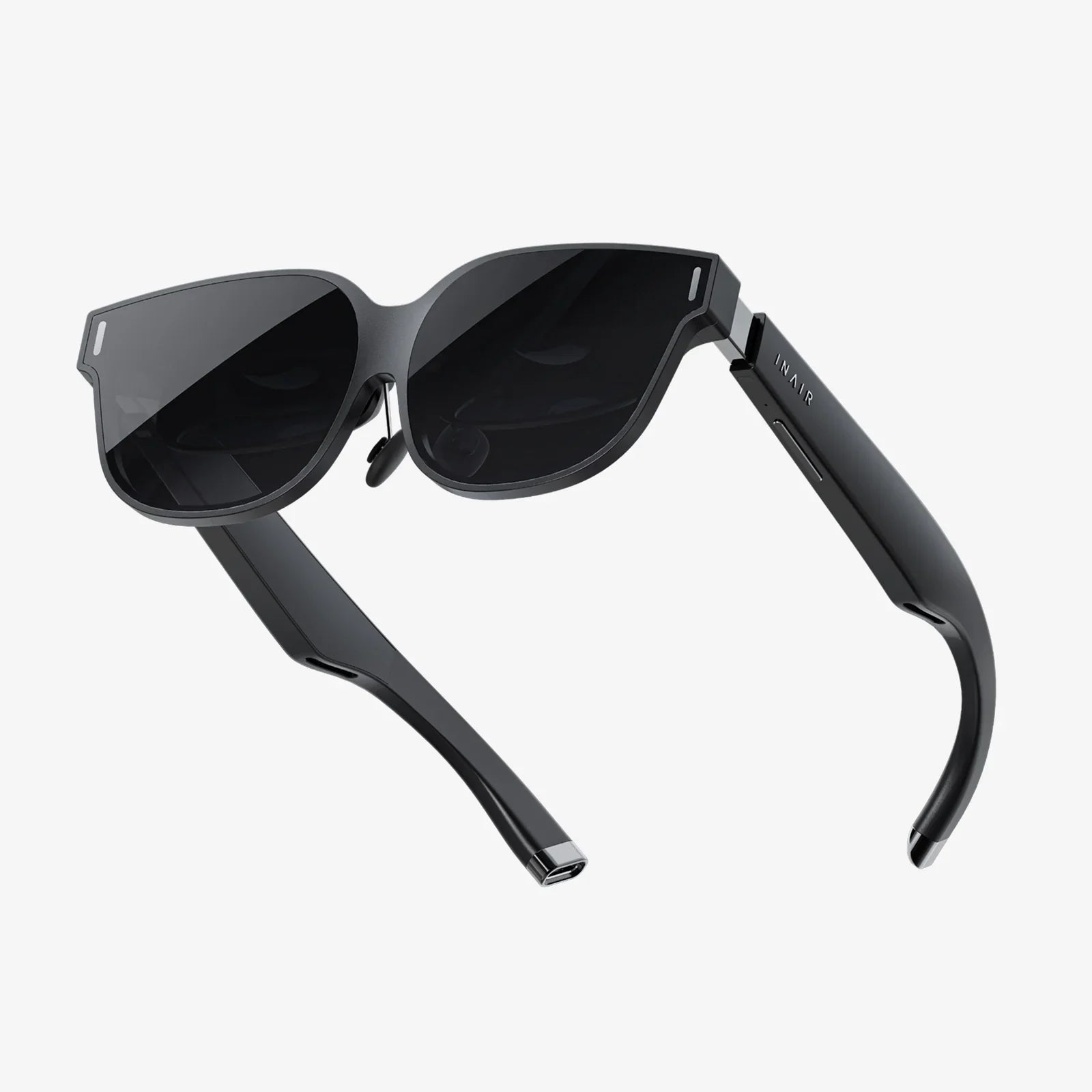
In a world increasingly obsessed with data, optimization, and seamless connectivity, the question isn't just about owning a gadget; it's about choosing a digital extension of yourself. The quest to find the best wearable technology is a deeply personal journey, one that intertwines with our health goals, professional needs, and personal style. It’s a search for a device that doesn’t just sit on your wrist or in your ear but integrates into the very fabric of your daily life, offering insights, convenience, and a glimpse into the future of human-computer interaction. This isn't about a single product; it's about finding the perfect technological symbiosis for your unique lifestyle.
Defining "Best" in a Sea of Options
The term "best" is a mirage unless we first define the oasis we're trying to reach. There is no single "best" wearable technology for everyone. Instead, the pinnacle of wearable tech is a subjective summit reached only when a device perfectly aligns with an individual's specific needs, aspirations, and constraints. For a marathon runner, the best device might be one with unparalleled GPS accuracy and brutal battery life. For a corporate executive, it might be a discrete piece of elegant hardware that filters out the world's noise while seamlessly managing notifications. For someone managing a chronic health condition, the best wearable is a vigilant, clinical-grade guardian. Therefore, our exploration must be guided by categories of excellence rather than a solitary champion.
The Health and Wellness Guardians
For many, the primary draw of wearable technology is the promise of better health. This category has evolved far beyond simple step counting.
Clinical-Grade Health Monitoring
The frontier of health wearables is the move from general wellness to actionable medical data. Devices now offer features like:
- Electrocardiogram (ECG/EKG): Allowing users to take a medical-grade reading of their heart's rhythm to detect signs of atrial fibrillation (AFib) and other irregularities.
- Blood Oxygen Saturation (SpO2) Monitoring: Measuring the percentage of oxygen in the blood, a key metric for understanding overall respiratory wellness and sleep quality.
- Skin Temperature Sensors: Tracking subtle changes that can indicate the onset of illness, stress, or ovulation.
- Sleep Staging and Analysis: Moving beyond simple movement tracking to using accelerometers and heart rate data to estimate time spent in Light, Deep, and REM sleep stages, providing a comprehensive picture of sleep quality.
The "best" device in this realm is one that provides accurate, reliable data you can potentially share with a healthcare provider, turning abstract numbers into a foundation for informed health decisions.
The Fitness Powerhouses
Closely related to health is pure athletic performance. Fitness wearables are the digital personal trainers for the modern age.
- Advanced GPS and Navigation: Top-tier devices offer multi-band GNSS for lightning-fast, incredibly accurate location tracking even in challenging environments like dense cities or forest trails. Some include pre-loaded maps for breadcrumb navigation on the go.
- Multisport Tracking: The ability to seamlessly switch between running, swimming, cycling, and dozens of other activities with metrics specific to each sport.
- Recovery Metrics: Using data like heart rate variability (HRV), resting heart rate, and sleep quality to provide a daily "readiness" or "recovery" score, advising you on whether to push hard or take it easy.
- Built-in Workouts and Coaching: Offering structured training plans, on-screen workout prompts, and real-time pace guidance.
For the serious athlete, the best wearable is a rugged, data-rich companion that can withstand the elements and provide the insights needed to shave seconds off a personal best.
The Convenience and Connectivity Hubs
Not all wearables are about breaking a sweat. For many, their primary value lies in streamlining daily life and keeping us connected without being tethered to a phone.
The Smartwatch as a Digital Assistant
These devices act as a second screen for your smartphone, prioritizing convenience and efficiency.
- Notification Management: Glancing at your wrist to triage emails, messages, and calls without disrupting your flow.
- Contactless Payments: Using NFC technology to pay for groceries, coffee, or transit fares with a flick of the wrist.
- Smart Home Control: Controlling lights, thermostats, and other IoT devices from a wearable interface.
- Music and Media Control: Storing music locally for phone-free listening or acting as a remote for your phone's playback.
The best connectivity-focused wearable integrates so smoothly into your routines that its absence is genuinely felt, making tasks simpler and more efficient.
Hearables: The Sound of Silence and Sound
Often overlooked in the "best wearable" conversation, advanced hearables (wireless earbuds) are some of the most sophisticated tech we wear.
- Active Noise Cancellation (ANC): Creating a personal bubble of silence in noisy environments, perfect for focus or relaxation.
- Transparency Mode: The opposite of ANC, piping in outside sound so you can remain aware of your surroundings without removing the earbuds.
- Spatial Audio and High-Fidelity Sound: Creating an immersive, theater-like listening experience for music and movies.
- Enhanced Call Quality: Using beamforming microphones and AI algorithms to isolate your voice from wind and background noise, making calls crystal clear.
The best hearables are those that disappear in your ears, offering impeccable sound when you want it and blissful silence when you don't.
Key Criteria for Choosing Your Best
With the categories in mind, how does one actually decide? Weigh these critical factors against your personal needs.
Ecosystem Compatibility
This is arguably the most important practical consideration. The best wearable for an iPhone user is often different from the best for an Android user. Seamless integration with your phone's operating system ensures reliable notifications, smoother app functionality, and a generally frustration-free experience. A device locked into a specific ecosystem will feel clunky and limited if used outside its intended environment.
Battery Life: The Freedom Factor
Battery life dictates the rhythm of your interaction with the device. Does it last a day, requiring a nightly charge alongside your phone? Or does it last a week or more, allowing you to forget the charger on a short trip? For health tracking, multi-day battery life is crucial for capturing consistent sleep data. The "best" battery life is one that aligns with your habits—minimalists may prefer daily charging, while adventurers will prioritize endurance above all else.
Design and Form Factor
A wearable is a piece of personal jewelry as much as it is a tool. Do you prefer a large, rugged screen that makes no apologies for its tech origins, or a classic, minimalist design that could be mistaken for a traditional timepiece? The device must be something you're comfortable wearing every day, in every context, from the boardroom to the gym. Comfort, size, weight, and band material are all essential elements of the design that contribute to long-term wearability.
Data and App Experience
The hardware is only half the product. The accompanying app and software are what transform raw sensor data into meaningful insights. The best apps are intuitive, visually appealing, and provide clear context for your data. They offer actionable feedback, not just overwhelming dashboards of numbers. Before choosing a device, explore the app it pairs with, as this will be your primary window into your own information.
The Future on Your Wrist and In Your Ears
The definition of "best" is a moving target, constantly evolving with new breakthroughs. The near future promises even more profound integrations.
- Non-Invasive Glucose Monitoring: A holy grail for diabetics, this would allow for continuous blood sugar tracking without finger-prick tests.
- Blood Pressure Monitoring: Achieving accurate, cuffless blood pressure readings from a wearable device.
- Advanced Stress and Mental Health Metrics: Using a combination of biometrics to not only detect stress but also suggest personalized interventions like breathing exercises.
- True AI Integration: Moving beyond simple voice assistants to proactive, predictive AI that anticipates your needs based on your schedule, location, and biometric state.
The best wearable of tomorrow may be one we don't even perceive as technology—a smart ring, a sensor-lensed contact, or fabric woven with conductive threads—further blurring the line between our biological and digital selves.
Ultimately, the search for the best wearable technology is an inward journey as much as an outward one. It forces you to ask what you truly value: Is it deeper health knowledge, peak athletic performance, seamless convenience, or simply a better soundtrack to your life? By mapping your personal priorities against the incredible spectrum of available technology, you'll find more than just a gadget; you'll find a partner in your pursuit of a better, more connected, and more understood life. The perfect device isn't the one with the most features—it's the one whose features you use every single day to become a slightly better version of yourself.
Share:
Newest Best VR Headset: A Deep Dive into the Pinnacle of Immersive Technology
Is Human Computer Interaction Hard? The Multifaceted Challenge of Designing for People