


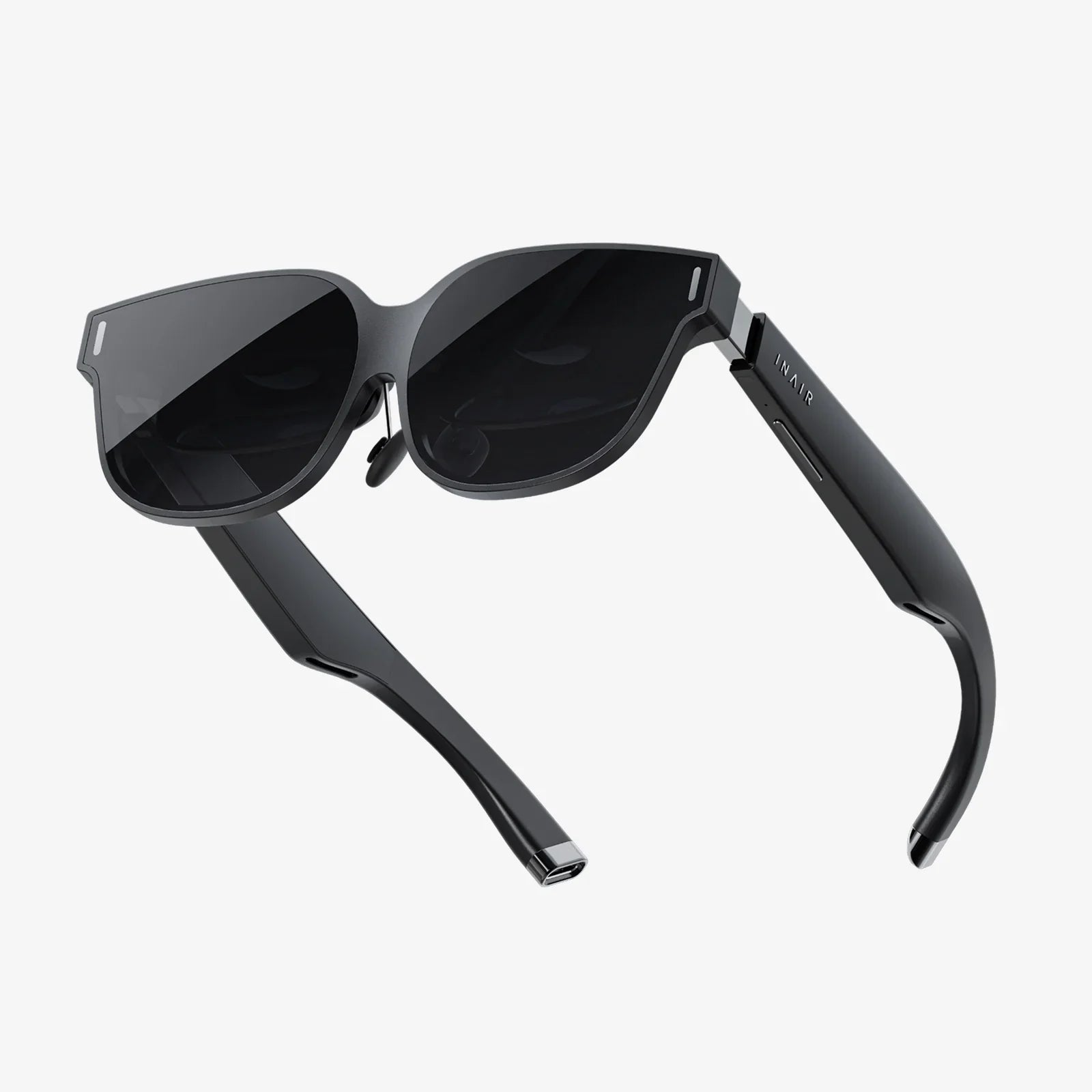
Step into the metaverse, a digital frontier rapidly expanding its borders, and one question burns in the minds of newcomers and tech enthusiasts alike: which gateway is everyone using? The virtual reality landscape, once a fragmented collection of prototypes and promises, has coalesced around a few key players, but identifying the single most used headset is a fascinating journey through sales figures, user engagement, and the very definition of what it means to be "used." This isn't just about who sold the most units at launch; it's a deep dive into the ecosystem that captures the majority of our screen time in virtual worlds, from immersive gaming to social connection and productivity.
Defining "Most Used": A Question of Metrics
Before crowning a champion, we must first agree on the terms of victory. "Most used" can be interpreted in several crucial ways, each telling a different part of the story.
Installed Base and Unit Sales
The most straightforward metric is the raw number of headsets sold and actively in use—the installed base. This is a pure measure of hardware proliferation. Tracking exact numbers is challenging as companies often report shipment figures rather than sales to consumers, and many users own multiple devices. However, industry analysts and market research firms provide reliable estimates that paint a clear picture of market dominance.
Monthly Active Users (MAU)
A more nuanced metric is Monthly Active Users (MAU). A headset might be purchased, but does it gather dust in a closet after the initial novelty wears off? MAU measures genuine, ongoing engagement. A platform with a slightly smaller installed base but dramatically higher MAU could arguably be considered more "used" in a meaningful sense. This data is often gleaned from platform-level software like app stores and social hubs.
Content Engagement and Software Sales
Finally, we can look at where the content is being consumed. Which platform generates the most software sales, the most hours played, and the most developer interest? A vibrant software ecosystem is both a cause and effect of a large, active user base, creating a powerful feedback loop that cements a platform's position.
The Titans of the Virtual Realm
The VR market has stratified into three primary categories, each with its own leader: the untethered standalone segment, the high-fidelity PC-connected segment, and the emerging mobile-based segment.
The Standalone Sovereign: A Clear Front-Runner
In the realm of all-in-one, untethered VR headsets, one company has established what amounts to a market hegemony. The announcement of a strategic shift by a major social media company to focus on the "metaverse" was accompanied by an aggressive and sustained push into hardware. Their flagship standalone headset, now in its second generation, is widely recognized as the industry's sales leader.
Several factors contribute to its dominant position:
- Accessible Pricing: By subsidizing the hardware cost, the company has placed a powerful VR system within reach of a mass audience, treating the headset as a gateway to their ecosystem rather than a primary profit center.
- Compelling Content Library: The platform boasts an extensive and growing library of games, fitness applications, and social experiences. Exclusive titles, developed in-house or funded directly, act as system-sellers.
- Seamless User Experience: The setup process is famously simple. There are no external sensors to calibrate or high-end gaming PCs required. The user simply puts on the headset and enters VR, lowering a significant barrier to entry.
- Social Integration: Deep integration with a vast existing social network allows for easy friend-finding and content sharing, fostering a strong sense of community.
Market analysis from firms like IDC has consistently shown this family of devices capturing a overwhelming majority of the standalone VR market share, often cited as over 80% in recent years. Its MAU figures, reported by the company itself, number in the tens of millions, dwarfing the reported active users of any other single platform. By the metrics of installed base and monthly active users, this standalone headset is the unequivocal answer.
The PC-VR Powerhouse: A Niche of Enthusiasts
For users seeking the highest possible fidelity, full-body tracking, and the most complex simulations, PC-connected VR headsets remain the gold standard. In this more niche but critical segment, a different contender takes the crown. A headset from a renowned software company, developed in partnership with a leading PC hardware manufacturer, has long been the reference device for this market.
While its absolute sales numbers are lower than the leading standalone headset, its influence and user engagement are profound:
- Premium Experience: It offers superior resolution, a wider field of view, more accurate tracking, and higher refresh rates, catering to hardcore gamers and professionals.
- Dominance on Steam: The digital game distribution platform Steam conducts a monthly hardware survey. For years, this PC VR headset has consistently held a commanding lead, typically representing well over 40% of all PC VR users on the platform, with its main competitor trailing significantly. This makes it the most used headset within the PC VR ecosystem.
- Developer Favorite: Its prevalence on Steam makes it the primary target for PC VR game developers, ensuring it receives the lion's share of high-end content first and often exclusively.
Therefore, if the question is refined to "What is the most used VR headset for PC gaming?", this device is the clear winner, validated by hard data from the largest PC gaming platform.
The Fading Giant: Mobile VR
It is impossible to discuss market penetration without acknowledging the first wave of modern VR: smartphone-based headsets. By slotting a smartphone into a simple head-mounted holder, these devices brought a taste of VR to millions. A pioneering product in this space, developed by a major tech company, became a cultural phenomenon upon release and remains, by sheer volume of units distributed, one of the most sold VR devices of all time.
However, this category has sharply declined. The experience was limited by smartphone processing power, lack of positional tracking, and a dearth of deep content. Support for these platforms has largely been discontinued. While the installed base is enormous, the Monthly Active User count is a fraction of what it once was, and engagement is low. It is a king of the past, not the present.
Beyond Gaming: The Enterprise and Professional Landscape
The conversation around "most used" often focuses on consumers, but VR is a powerful tool in enterprise and professional settings. In fields like architecture, medicine, design, and training, specialized headsets are prevalent. These devices prioritize different features: ultra-high resolution for CAD model review, eye-tracking for research, and ruggedized designs for industrial training environments.
In this professional sphere, a different set of players emerges. A standalone headset from a company with a long history in professional graphics, known for its exceptional display quality and color accuracy, is a popular choice for enterprise applications. Another Chinese company produces high-end standalone and PC-connected headsets that are widely used for arcades and location-based entertainment in Asia. While their consumer market share is smaller, their B2B impact is significant, reminding us that "most used" is entirely context-dependent.
Regional Variations: A Global Perspective
The VR market does not look the same in every country. The dominant standalone headset faces limited availability in one of the world's largest tech markets, China. In its place, a robust domestic ecosystem has flourished. Companies like Pico (now owned by a major Chinese tech giant) and iQIYI have developed competitive standalone headsets that lead the market there.
Pico's headsets, in particular, offer similar specs and experiences to the market leader and are the default choice for millions of Chinese consumers. In South Korea and Japan, local brands and arcade culture also influence adoption rates. A global "most used" title belongs to the standalone leader, but on a regional level, the answer can be very different.
The Future of Adoption: What's Next?
The race is not over. The VR landscape is poised for further disruption. The recent entry of a tech giant from Cupertino into the space with a high-end "spatial computing" device has redefined the high-end market. While not a traditional VR headset and not competing on price, its launch has brought immense media attention and developer interest to the broader category of head-worn computing.
Furthermore, the standalone market leader continues to iterate, with rumors of a more affordable entry-level model and a high-end "Pro" version circulating, aiming to capture both ends of the market. The goal for all companies is to move from a niche product to a general computing platform, much like the smartphone. This transition will depend on reducing size and weight, improving battery life, developing killer apps beyond gaming, and creating intuitive interfaces.
So, who wins the title? The answer requires a dual crown. For the broader market, encompassing casual users, fitness enthusiasts, and social explorers, the crown belongs indisputably to the leading standalone headset. It has won the numbers game through accessibility, content, and a strategic ecosystem play. For the dedicated enthusiast and PC gamer seeking the absolute best performance, the crown belongs to the premier PC-connected headset, as confirmed by its enduring dominance on the Steam platform. The world of VR is big enough for both, but if you're looking for the headset that has brought virtual reality to the masses, the data leaves no doubt. The path into the digital frontier for most people is worn by the untethered, accessible, and socially-connected experience offered by the market's standalone leader.
Ready to see what the buzz is about for yourself? The gateway to virtual worlds has never been more open or crowded with possibility, and understanding which path most travelers are taking is the first step toward choosing your own adventure.
Share:
Use Your Phone as VR Headset for PC: The Ultimate Guide to High-Immersion, Low-Cost Virtual Reality
How Much Power VR Headset Use: The Ultimate Energy Drain Breakdown