


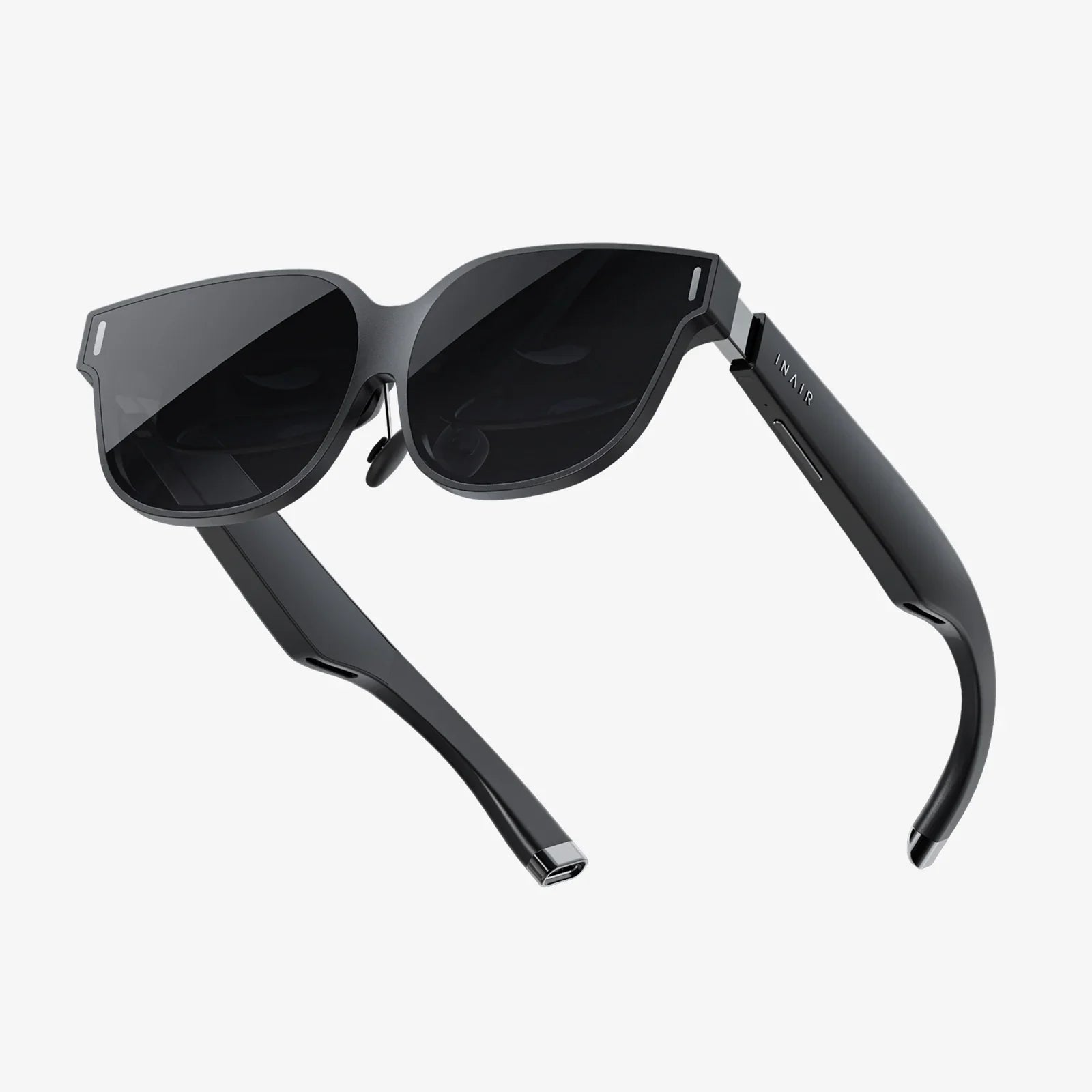
Imagine a technology so transformative it can transport a student to ancient Rome, a surgeon into a detailed 3D model of a human heart, and an architect through a building that hasn't been built yet. This is the promise of Virtual Reality (VR), a technology once confined to the realms of science fiction and high-end gaming. But as the hardware becomes more sophisticated and the software more compelling, a critical question emerges: who is this for? Identifying the target market for virtual reality is no longer a simple task of pinpointing gamers; it's about mapping a vast and rapidly evolving ecosystem of industries, professionals, and consumers whose realities are being fundamentally reshaped.
Beyond the Game: Redefining the VR Landscape
For years, the public perception of VR was synonymous with immersive video games. While gaming remains a powerful and lucrative segment, it is merely the tip of the spear. The true breadth of VR's application is found in its ability to simulate, educate, and connect in ways previously unimaginable. The target market is not a monolith but a constellation of distinct segments, each with unique needs, pain points, and value propositions that VR addresses.
The Enterprise and Industrial Arena: Where ROI Meets Innovation
Perhaps the most significant and rapidly growing target market for VR exists within the enterprise sector. Here, the technology is not for entertainment but for solving real-world business challenges, driving efficiency, reducing costs, and enhancing safety.
Design, Engineering, and Architecture
This sector has embraced VR as an indispensable tool. Architects and designers use VR for immersive walkthroughs of their creations long before the foundation is poured. This allows for unparalleled spatial awareness, enabling stakeholders to experience scale, lighting, and flow in a way 2D blueprints or screen-based 3D models could never provide. The target user here is the design professional, the project manager, and the end-client, all of whom benefit from catching design flaws early, saving immense costs on post-construction changes.
Healthcare and Medical Training
The healthcare industry represents a profoundly impactful target market. VR applications are diverse:
- Surgical Training: Medical students and seasoned surgeons can practice complex procedures in a risk-free, repeatable virtual environment. This accelerates the learning curve and enhances patient safety.
- Pain Management and Therapy: VR is being used as a powerful non-pharmacological tool for distracting patients during painful procedures and for treating conditions like phobias, PTSD, and anxiety through controlled exposure therapy.
- Rehabilitation: Physical therapy regimens can be turned into engaging VR games, increasing patient motivation and adherence to often repetitive exercises.
The target demographic includes medical institutions, teaching hospitals, therapists, and ultimately, the patients themselves.
Corporate Training and Simulation
From Walmart training employees to manage a busy holiday sale floor to aviation companies simulating cockpit emergencies, VR provides a scalable and consistent training platform. It is especially valuable for training in high-risk situations—like handling hazardous materials or operating heavy machinery—where mistakes in the real world have severe consequences. The target is large-scale corporations across retail, manufacturing, energy, and logistics seeking to improve training outcomes and operational safety.
Remote Collaboration and Virtual Workspaces
The shift to remote work has accelerated the need for better collaboration tools. VR offers the next evolution: virtual meeting rooms where participants, represented by avatars, can interact with 3D models, share virtual whiteboards, and feel a sense of co-presence that video calls cannot replicate. The target market is the distributed workforce, from global engineering teams to creative agencies.
The Consumer Market: More Than Just Games
While enterprise adoption grows, the consumer market remains vital. However, it has splintered into several key demographics beyond the core gamer.
The Hardcore Enthusiasts and Early Adopters
This is the demographic that fueled the initial modern VR boom. They are typically tech-savvy, have higher disposable income, and prioritize cutting-edge experiences. They invest in high-end hardware for the most immersive gaming and simulation experiences available. They are a key market for driving innovation and setting trends.
The Mainstream Entertainment Seeker
As hardware becomes more affordable and accessible, a broader audience is emerging. This group may be attracted to VR through:
- Social VR Experiences: Platforms that allow users to socialize, attend virtual concerts, watch movies together, and play casual games.
- Fitness: A booming subcategory that uses VR to make cardio and rhythm-based workouts fun and engaging, targeting health-conscious consumers.
- Travel and Exploration: Applications that offer virtual tours of global landmarks, underwater adventures, or even spacewalks, appealing to curious minds and those with physical or financial travel limitations.
The Education and Family Segment
Parents and educational institutions are a crucial target market. VR's power for immersive learning—whether exploring the human body in biology class or visiting historical sites—makes it an incredible educational tool. The target is schools, universities, and families looking for enriching and educational content for their children.
Real Estate and Retail
On the consumer end, these industries use VR for virtual property tours and try-before-you-buy experiences. A potential homeowner can tour dozens of properties across the country without leaving their couch. A furniture shopper can see how a new sofa would look in their living room. This targets convenience-driven consumers making high-value purchases.
Demographic and Psychographic Profiling
Understanding the target market also requires looking at demographics and psychographics.
Age and Tech-Familiarity
While younger generations (Gen Z and Millennials) are generally more receptive to adopting new technology, VR's enterprise applications target professionals of all ages. The key factor is not age itself, but openness to new technological solutions and specific professional or entertainment needs.
Income and Price Sensitivity
The market is currently bifurcated. High-end, powerful systems target consumers and professionals with higher disposable income. Meanwhile, more affordable, standalone headsets aim for the mass market, lowering the barrier to entry and appealing to a more price-sensitive demographic.
The Psychographic Driver: The Desire for Experience
A core psychographic trait unites much of the VR target market: a desire for experiences. This could be the experience of unparalleled immersion, the experience of learning in a new way, the experience of achieving a fitness goal through play, or the experience of collaborating seamlessly from afar. They are often experiential learners and early adopters in their respective fields.
Challenges in Market Penetration
Despite its potential, reaching these target markets is not without hurdles. Barriers include the cost of quality hardware, the need for compelling and abundant content (the "killer app" beyond gaming), concerns over user privacy and data security in social spaces, and the social stigma or physical discomfort (cybersickness) that some users experience. Overcoming these challenges is essential for moving from niche audiences to mainstream adoption across all identified sectors.
The Future is a Blended Reality
The future target market for VR may not be distinct from other technology markets. As VR converges with Augmented Reality (AR) in the concept of the metaverse—a persistent network of shared virtual spaces—the lines will blur. The target will evolve into anyone who works, learns, socializes, or plays. It will become less about a specific piece of hardware and more about accessing a spectrum of immersive experiences seamlessly integrated into daily life.
The journey to discover the true target market for virtual reality is still unfolding. It’s a story of a technology escaping its niche and weaving itself into the fabric of industry, education, and daily life. From the surgeon preparing for a life-saving operation to the family exploring the solar system from their living room, VR's potential is limited only by the imagination of its creators and the evolving needs of a world eager for the next profound digital leap.
Share:
How Can Virtual Reality Help People: Beyond Gaming into a New Dimension of Human Potential
Mixed Reality vs Virtual Reality Headsets: The Ultimate Guide to Understanding the Difference