


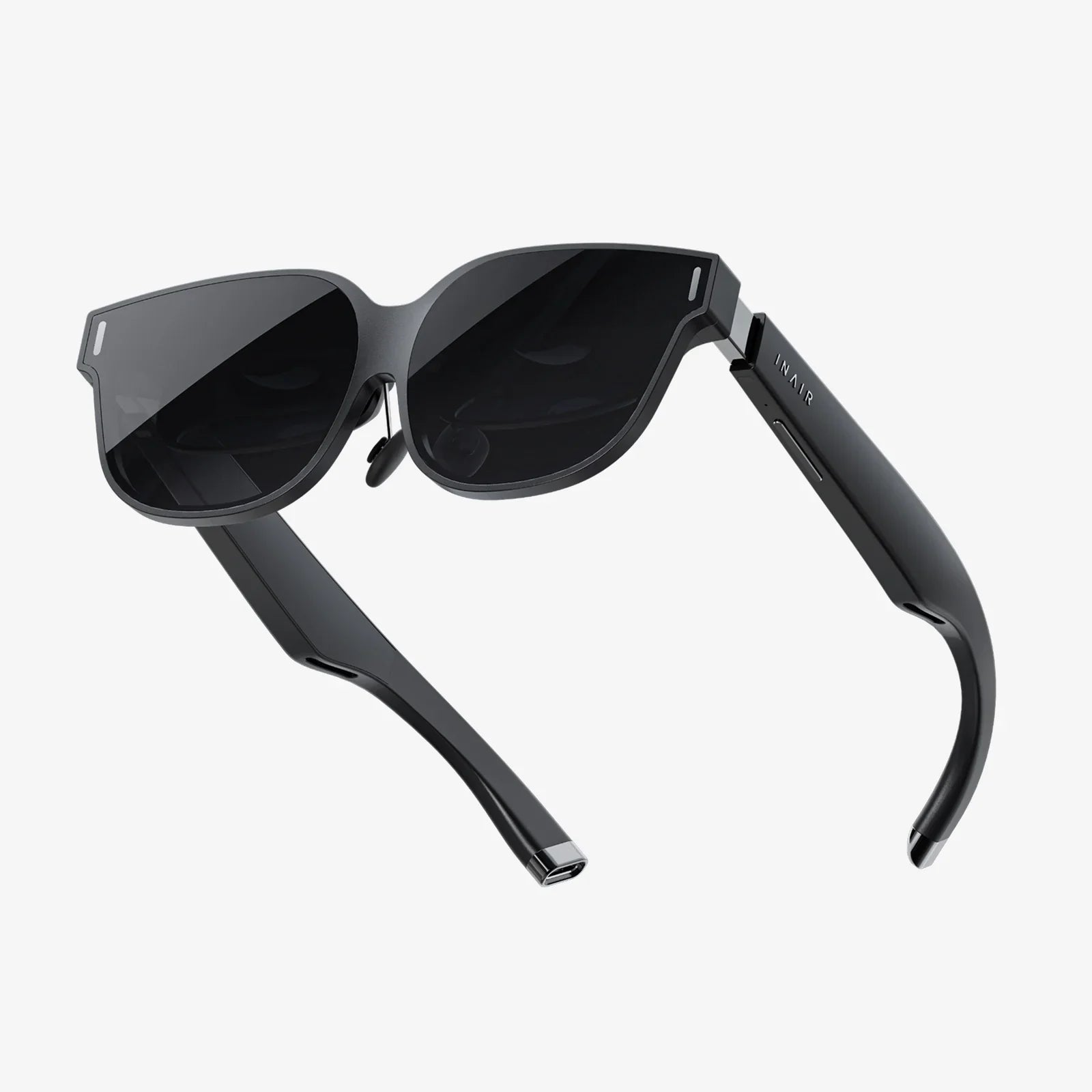
The world of wearable technology is evolving at a breathtaking pace, and smart glasses are no longer a futuristic concept but a tangible reality. Promising a seamless blend of the digital and physical worlds, they offer everything from discreet notifications and immersive audio to augmented reality overlays that can transform how you work, navigate, and play. But with this exciting potential comes a critical question: how do you choose the right pair for you? The market is burgeoning with options, each boasting different features and capabilities. Navigating this landscape requires a clear understanding of your own needs and a methodical approach to evaluating the technology. This definitive guide will walk you through every crucial factor, ensuring your investment enhances your life without becoming an expensive disappointment.
Defining Your Core Purpose and Use Case
Before diving into technical specifications, the most important step is to look inward. Ask yourself: what do I truly want these glasses to do? Your primary use case will be the north star guiding every other decision.
- The Digital Companion: Are you looking for a subtle way to stay connected? If your main goal is to receive calls, read messages, control music, and get navigation prompts without constantly pulling out your phone, your needs lean towards a notification-focused device.
- The Audio Aficionado: For many, the primary appeal of modern smart glasses is high-quality, open-ear audio. If your dream is to enjoy podcasts, music, and calls with sound that feels like it's in your head, all while remaining aware of your surroundings, audio performance becomes your top priority.
- The Augmented Reality Explorer: Do you envision digital objects anchored in your real world? This use case is for gaming, complex navigation with arrows painted on the street, translating foreign text in real-time, or viewing 3D models for work or education. This requires more advanced display technology and processing power.
- The Content Creator and Professional: Some glasses are designed with built-in cameras for first-person point-of-view photography, videography, and live streaming. If this is you, camera resolution, video stability, and recording duration are paramount.
Honestly defining your purpose will immediately narrow the field and prevent you from paying for features you'll never use.
The Heart of the Experience: Display Technology
For models that offer visual information, the display is the centerpiece of the experience. There are generally two approaches, each with significant trade-offs.
Heads-Up Display (HUD)
This technology projects a small, monochrome (often green or white) image onto a tiny prism or waveguide lens in the corner of your vision. It's excellent for displaying simple, glanceable information like notifications, time, speed, or navigation arrows. The key advantage is that it's minimally intrusive; your main field of view remains completely clear, making it safe for activities like driving or walking. The downside is its limitation to basic graphics and text; it's not suitable for rich color AR experiences.
Augmented Reality (AR) Waveguide
This is more advanced technology that uses microscopic gratings on the lens to project full-color digital images into your line of sight. This allows for complex AR applications where digital objects can interact with the real world. The experience is far more immersive but also more demanding on processing and battery life. Current consumer-grade versions often have limitations in field of view (the size of the digital "window") and brightness, which can affect visibility in direct sunlight.
Consider the field of view (FOV), measured in degrees. A larger FOV means a bigger digital canvas, but it often comes with a bulkier design. Also, assess brightness (nits) for outdoor visibility and overall resolution for a crisp, clear image.
Hearing the Future: Audio Solutions
Since many smart glasses forego visual displays entirely to focus on audio, understanding the audio technology is critical.
Bone Conduction
This technology bypasses the eardrum entirely. Transducers vibrate against the bones of your face (typically near the temples), sending sound directly to your inner ear. The primary benefit is that your ears remain completely open, offering unparalleled situational awareness. This is ideal for runners, cyclists, and anyone who needs to hear their environment clearly. The audio quality, however, has historically been criticized for lacking bass and can sometimes be heard by people nearby in quiet environments.
Open-Ear Speakers
This is the most common solution in today's market. Tiny directional speakers are housed in the arms of the glasses, pointed towards your ears. They create a personal sound bubble, allowing you to hear your audio while also letting in ambient noise. The sound quality is generally superior to bone conduction, with better frequency response. However, there is more potential for sound leakage (audio bleed) in very quiet settings, meaning people close to you might hear a faint version of your audio.
When evaluating audio, look for features like multipoint connectivity for switching between devices, noise cancellation for calls (which uses beamforming microphones to focus on your voice), and a dedicated mobile app for equalizer controls.
Powering Your Day: Battery Life and Charging
Smart glasses are only as good as their battery life. Manufacturers will often quote two figures: one for audio playback and a much shorter one for active display or recording use.
- All-Day Audio: Many audio-focused glasses aim for 6+ hours of continuous music playback and a total standby time that can extend over multiple days. This is sufficient for most users.
- Mixed Usage: If you plan to use the display frequently, expect battery life to drop significantly to 2-4 hours. This is a crucial consideration for AR applications or extended recording sessions.
- Charging Solutions: Almost all models use a proprietary magnetic or pogo-pin charging cable. Assess the convenience of the case. Does it double as a charging case, providing multiple additional charges on the go? This is a huge advantage for travelers and power users.
Always look for real-world battery tests in reviews rather than relying solely on manufacturer claims.
The Look: Design, Fit, and Prescription Compatibility
Unlike other tech, you wear this device on your face, making it a very public statement. Aesthetics and comfort are not secondary; they are primary.
- Style: Do the glasses look like normal eyewear? Are there multiple frame styles (e.g., rectangular, round, aviator) to choose from to match your personal style? You're more likely to wear a device you feel confident in.
- Weight and Comfort: The technology is packed into the arms (temples), which can make them heavier than standard glasses. They must be balanced and comfortable for long-term wear. Look for lightweight materials and adjustable nose pads.
- Prescription Lenses: This is a deal-breaker for many. Can the frame be fitted with custom prescription lenses? Some manufacturers partner with online opticians to make this process seamless, while others offer only non-prescription or pre-made reader lens options. Factor this cost and process into your decision.
- Interchangeability: Can you swap out the lenses (e.g., for sunglasses) or even the arms themselves? This adds to the versatility and longevity of the product.
Staying Connected: Connectivity and the Companion App
Smart glasses are an accessory to your smartphone. They primarily connect via Bluetooth, but some higher-end AR models may also use Wi-Fi.
The companion app is your control center. A well-designed app is essential for managing device settings, applying firmware updates, controlling audio, and accessing special features. Test the app's user reviews. Is it intuitive and reliable, or is it buggy and frustrating? The software experience is just as important as the hardware.
Protecting Your Digital Self: Privacy and Security
A device with a camera and microphone on your face raises legitimate privacy concerns.
- Recording Indicators: Any reputable product will have a very clear and always-visible LED light that illuminates when the camera or microphone is active. This is non-negotiable.
- Data Handling: Research the company's privacy policy. What data do the glasses collect? Where is it processed (on the device or in the cloud)? How is it used? Your personal audio and video data is incredibly sensitive.
- Social Awareness: Be mindful of your surroundings. Recording video or taking photos in private spaces, gyms, or changing rooms is not only unethical but likely illegal. Understand the social etiquette of wearing a device with recording capabilities.
Ecosystem and Future-Proofing
Consider the broader ecosystem. Does the manufacturer have a history of supporting its products with long-term software updates and new features? Are there developer kits encouraging the creation of new apps, or is it a closed, static system? Investing in a platform with a vibrant ecosystem can greatly enhance the functionality of your glasses over time.
The Investment: Price and Value
Prices for smart glasses can range from a moderate amount for basic audio models to a significant investment for full-featured AR spectacles. Set a realistic budget based on your defined use case. Avoid overpaying for cutting-edge AR if you only want notifications and audio. Remember to factor in the potential cost of adding prescription lenses. Ultimately, the value is determined by how seamlessly and reliably the device integrates into and improves your daily routine.
The perfect pair of smart glasses doesn't just boast the longest spec sheet; it's the one that disappears into your life, enhancing your moments without intruding upon them. It’s the tool that feels less like a piece of technology and more like a natural extension of your own capabilities. By weighing these considerations—purpose, display, audio, battery, design, and privacy—you move beyond the hype and make a choice that is uniquely tailored to your world. The future is looking bright, and it’s waiting for you to try it on.
Share:
Fully Immersive Computer Interface: The Final Frontier of Human-Computer Symbiosis
Digital Product Business: The Ultimate Guide to Building a Scalable Online Enterprise