


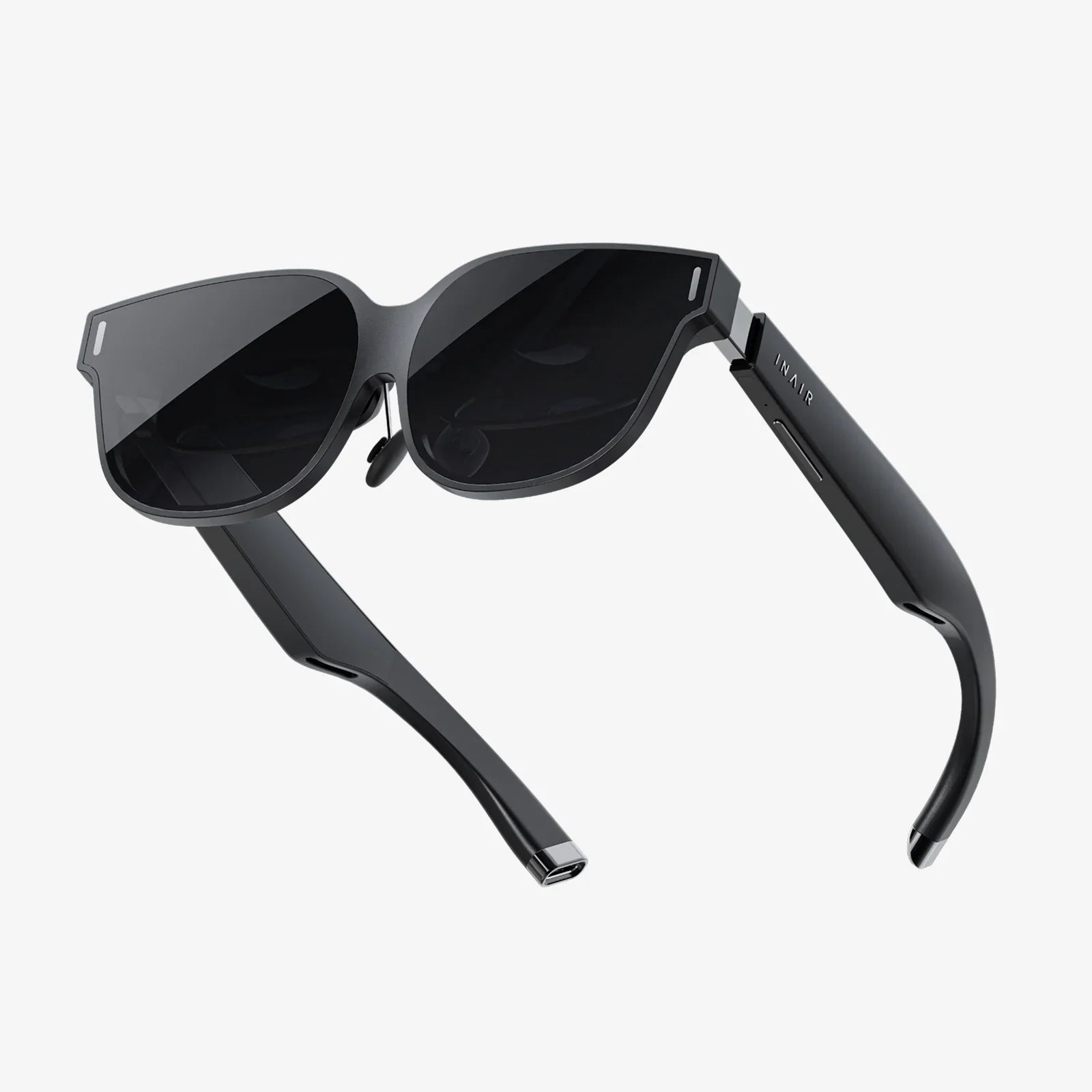
You’re ready to dive into virtual worlds, explore fantastical landscapes, and experience gaming and entertainment like never before, but the last thing you want is a mess of cables tying you down. The quest for the perfect untethered experience begins with a single, burning question: what's the best standalone VR headset? The answer isn't as simple as naming a single device; it's about finding the perfect match for your expectations, your budget, and your desired digital life. This comprehensive guide will serve as your trusted navigator, dissecting every critical factor to help you discover the headset that will become your portal to new realities.
The Core Contenders: A New Era of Untethered Freedom
The standalone VR market, once a niche segment, is now dominated by a powerful rivalry that has pushed innovation to incredible heights. The competition primarily exists between two ecosystems, each with its own philosophy, strengths, and target audience. Understanding this fundamental divide is the first step to making an informed decision.
On one side, we have the ecosystem built for the enthusiast, the gamer, and the power user. This platform is synonymous with a vast, mature library of high-end experiences and a commitment to cutting-edge hardware that pushes the boundaries of what's possible inside a self-contained unit. It's a walled garden, but one that is meticulously curated and densely populated with quality content.
On the other side, we have the ecosystem focused on accessibility, social connection, and a more casual, integrated metaverse experience. Driven by a tech giant, its strength lies in its seamless social features, its aggressive pricing strategy, and its aim to be a general-purpose computing and communication device for the next generation of the internet, not just a gaming console for your face.
Breaking Down the Key Decision Factors
To move beyond brand allegiance and marketing hype, you must evaluate each headset against a set of objective criteria. The "best" headset is the one that scores highest in the categories that matter most to you.
Visual Fidelity: Resolution, Lens Clarity, and Display Technology
This is often the first thing users notice. Visual fidelity is determined by three main components:
- Resolution and PPI (Pixels Per Inch): Higher numbers generally mean a sharper, clearer picture with less visible "screen door effect" (the fine lines between pixels). Modern standalone headsets boast impressive resolutions that make text legible and distant objects much clearer.
- Lens Quality: The lenses are your window into the virtual world. Pancake lenses, a newer technology, allow for a much thinner and lighter headset design while providing a larger "sweet spot"—the area where the image is perfectly in focus. Fresnel lenses, older but effective, can be bulkier and have a smaller sweet spot, leading to more blurring around the edges if the headset isn't fitted perfectly.
- Display Type and Refresh Rate: Most use Fast-Switch LCDs for their reliability and low persistence, but some high-end models are beginning to incorporate micro-OLED technology for perfect blacks and incredible contrast. The refresh rate, measured in Hz, affects smoothness; 90Hz is standard, but 120Hz provides an even more fluid and comfortable experience, especially in fast-paced games.
Performance and Processing Power: The Brain of the Operation
The processor inside a standalone headset is its engine. It renders the complex 3D environments, tracks your movements, and runs the entire operating system. A more powerful chipset allows for:
- More graphically complex and detailed worlds.
- Stable, high frame rates for smooth gameplay.
- Better physics simulations and more advanced artificial intelligence.
- Superior rendering techniques like enhanced resolution scaling and foveated rendering (which focuses processing power only where your eyes are looking).
The latest generation of processors found in flagship headsets represents a monumental leap over their predecessors, enabling experiences that were previously only possible on powerful gaming PCs.
Comfort and Ergonomics: The Marathon, Not The Sprint
A headset can have the best specs in the world, but if it's a pain to wear, it will gather dust. Comfort is subjective but crucial. Key elements include:
- Weight Distribution: A well-designed headset uses a counter-balanced strap (like a rigid halo design or an elite-style strap with a rear battery) to distribute weight away from your face and onto your forehead and the back of your head. This is far superior to having all the pressure on your cheeks and nose.
- Facial Interface: The material that touches your face should be soft, breathable, and easy to clean. Many manufacturers offer optional interfaces made of materials like silicone or faux leather for hygiene and comfort.
- Adjustability: Easy-to-use dials for tightening, IPD (Interpupillary Distance) adjustment (either software-based or physical slider), and flexible arms ensure the headset can be customized for a wide range of head shapes and sizes.
Content Library: The Worlds You Can Inhabit
Hardware is nothing without software. The available library of games, apps, and experiences is arguably the most important factor. When evaluating a platform, consider:
- Exclusive Titles: These are system-sellers. Does the platform have must-play games or experiences you can't get anywhere else?
- App Store Quality: Is the store curated with high-quality content, or is it flooded with low-effort experiences? A robust storefront with regular, high-profile releases is a sign of a healthy ecosystem.
- Media Consumption: Beyond games, can you watch movies on a giant virtual screen? Are there dedicated apps for streaming services? The best headset can be your personal cinema.
- Productivity and Social Apps: For some, a headset is a tool for work and socializing. Are there capable web browsers, virtual meeting spaces, and creative applications like drawing or 3D modeling tools?
Controllers and Tracking: Your Hands in the Virtual World
Your controllers are your primary interface. Inside-out tracking (using cameras on the headset itself to see the controllers) is the standard for standalone VR. Look for:
- Precision: Controllers should feel responsive and accurate, with minimal jitter or lag.
- Ergonomics: They should feel natural in your hands, with buttons and triggers placed intuitively.
- Battery Life: Controllers that use a single standard battery often last for weeks, while rechargeable built-in batteries need more frequent charging.
- Haptics: Advanced haptic feedback provides subtle vibrations that greatly enhance immersion, making you feel the virtual objects you interact with.
Battery Life and Audio
Battery Life: Most standalone headsets offer 2-3 hours of active use on a single charge. Some innovative designs place the battery in the rear of the strap, which improves balance and allows for hot-swapping—changing the battery without turning off the headset for indefinite playtime.
Audio: High-quality, spatial audio is non-negotiable for immersion. The best solutions use directional speakers built into the strap that pipe sound directly into your ears without isolating you from your real environment. For private listening, a standard 3.5mm headphone jack or Bluetooth audio support is essential.
The Verdict: And The Winner Is...
So, after this deep dive, which standalone VR headset claims the crown? The truth is, there are two winners, each in their own category.
For the Hardcore Gamer and Tech Enthusiast: The crown for the most powerful, performance-driven standalone VR headset goes to the flagship model in the enthusiast ecosystem. It wins on raw power, display clarity thanks to its advanced pancake lenses and high-resolution panel, and its unparalleled library of deep, graphically intensive games. It is the definitive device for anyone who views VR primarily as a high-end gaming platform and wants the absolute best visual experience available without a PC. Its comfort, especially with an optional upgraded strap, is top-tier, making it suitable for long play sessions. If your priority is cutting-edge gameplay and you have the budget to match, this is your champion.
For the Social User and Value-Seeker: The crown for the most accessible, social, and value-packed standalone VR headset goes to the latest offering in the accessible ecosystem. It wins on price point, offering a incredible amount of functionality for a significantly lower cost of entry. Its strength is its seamless social integration, making it effortless to hang out with friends, attend virtual events, and feel connected to a vast community. While its raw processing power is lower, its library is massive and growing, filled with fun, accessible games and unique social experiences. For families, first-time users, or anyone who values connection and affordability above raw graphical horsepower, this is the undeniable choice.
Final Considerations Before You Buy
Before you finalize your decision, think about the hidden costs. An upgraded, more comfortable strap is often a necessary purchase for the enthusiast model, adding to the total cost. Similarly, investing in a few must-have games will be an immediate additional expense on any platform.
Also, consider the future. Look at the roadmap for each ecosystem. Which company is investing heavily in new content and features? Which one has a track record of supporting its hardware for years with software updates? Your headset is a gateway to a digital world, and you want that world to thrive for years to come.
The journey to find your perfect VR match is personal, but armed with this knowledge, you're no longer just asking a question—you're equipped to find the definitive answer tailored just for you. The ultimate virtual reality is waiting, and it’s completely wireless.
Share:
How Much Is a Normal VR Headset? A Complete Price & Value Guide
AR Smart Goggles: The Next Evolutionary Leap in Personal Computing and Human Interaction