


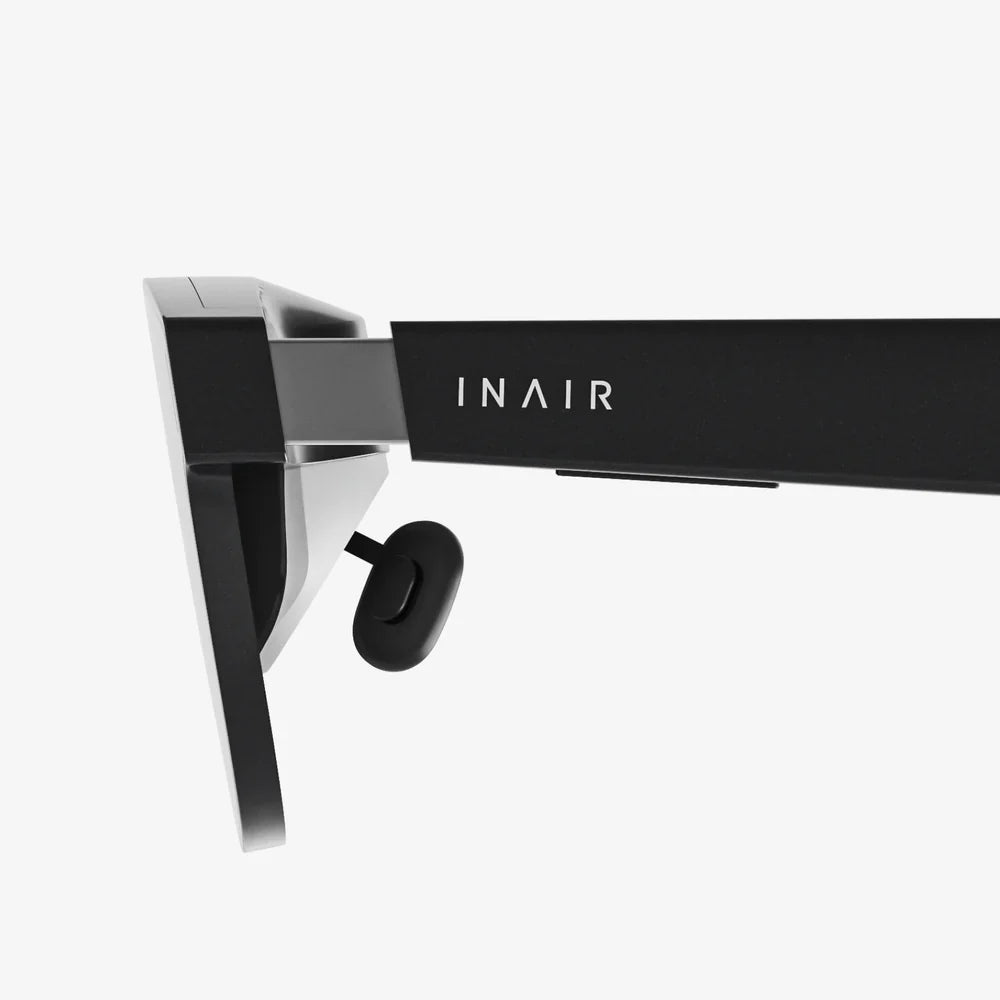
You’ve seen the headlines, the futuristic concept videos, and maybe even someone on the street wearing a pair—smart glasses are perpetually hovering on the edge of a mainstream breakthrough, promising to reshape our reality. But what’s the real deal behind this ambitious wearable technology? Are they the next indispensable piece of tech, destined to replace our smartphones, or are they doomed to be a fascinating but flawed footnote in the history of innovation? The answer is far more complex and intriguing than a simple yes or no, weaving together threads of technological ambition, societal hesitation, and a fundamental reimagining of how we interact with the world around us.
The Vision: A World Augmented
At its core, the promise of smart glasses is nothing short of revolutionary. The concept, often referred to as Augmented Reality (AR), is to seamlessly blend digital information with our physical environment. Unlike Virtual Reality (VR), which aims to replace your world with a simulated one, AR seeks to enhance it. Imagine walking through a foreign city and seeing translated street signs overlaid onto the real ones, historical facts popping up as you gaze at a monument, or navigation arrows painted directly onto the pavement in front of you. The potential applications extend far beyond consumer convenience.
In industrial and professional settings, the technology is already proving its worth. Technicians can have complex wiring diagrams or repair instructions superimposed onto the machinery they are fixing, allowing for hands-free, error-free work. Surgeons could potentially see vital signs and 3D imaging of a patient’s anatomy during procedures. Architects and engineers could walk through full-scale 3D models of their designs before a single foundation is poured. This utilitarian value demonstrates a clear path to adoption that isn't reliant on mass consumer whims.
A Checkered Past: The Hype Versus The Reality
To understand the current skepticism, one must rewind to the first major attempt to bring smart glasses to the masses. The initial wave of consumer-focused devices, while groundbreaking from an engineering standpoint, became a cultural cautionary tale. They were often criticized for their clunky, awkward design, making wearers look more like a character from cyberpunk fiction than a fashionable early adopter. The cameras embedded in them, a necessity for understanding the environment, sparked intense privacy debates. The term “glasshole” entered the lexicon, describing a user oblivious to the discomfort and unease they caused by their ability to potentially record interactions without clear consent.
This first foray created a significant societal hurdle. It established a public perception of smart glasses as intrusive, socially awkward, and a threat to personal privacy. Furthermore, the technology itself was limiting. Battery life was short, the field of view for digital displays was often compared to looking through a tiny postage stamp, and the software ecosystem was nascent, offering few compelling reasons for the average person to invest. The hardware was a solution in search of a problem that most consumers didn’t know they had.
The Technological Hurdles: More Than Meets the Eye
Creating a compelling pair of smart glasses is one of the most formidable challenges in consumer electronics. It’s a tightrope walk of competing priorities, and getting it wrong in any single area can sink the entire product.
Battery Life and Thermal Management
Processing high-resolution video feeds from multiple cameras, running complex AR algorithms, and powering displays all demand significant energy. Cramming a battery large enough to last a full day into the slim arms of a pair of glasses is incredibly difficult. Furthermore, all that computing power generates heat, and no one wants a hot, uncomfortable device on their face. Managing thermals is a constant battle for engineers.
The Display Dilemma
This is perhaps the most critical technical challenge. The ideal AR display must be bright enough to be seen in direct sunlight, but subtle enough to not be distracting in a dark room. It must have a wide field of view to feel immersive, but remain small and efficient enough to fit into a standard eyeglass form factor. Technologies like waveguides and microLEDs are making strides, but the perfect blend of visual fidelity, size, and power consumption remains the holy grail.
Input and Interaction
How do you control a computer on your face? Touchpads on the arms are clumsy. Voice control is not always socially appropriate or practical in noisy environments. Gesture control, where tiny cameras track your hand movements, is promising but can be fatiguing and inaccurate. Developing an intuitive, seamless, and private method of interaction is paramount for user adoption.
The Invisible Elephant in the Room: Privacy and Social Acceptance
Even if all the technical challenges are solved, the social ones remain. The specter of the first generation’s privacy backlash still looms large. The idea of people wearing cameras that can record at a moment’s notice, or even continuously, is a legitimate concern for public spaces, offices, and private gatherings. For the technology to become ubiquitous, manufacturers must prioritize transparent and robust privacy features. This could include obvious physical indicators like a light that shows when the camera is active, clear audio cues, and ethical guidelines built into the operating system that prevent covert recording.
Social acceptance is the other side of this coin. Will it ever be considered normal to wear technology that can identify people, pull up their public social profiles, or analyze your surroundings in real-time? Norms evolve, but this represents a significant shift. The device must not only be useful but also desirable as a fashion accessory. Collaborations with renowned eyewear brands are a step in the right direction, moving the design from geeky to chic, making them something people want to be seen wearing, rather than something they feel they have to explain.
A Glimpse into the Future: Where Do We Go From Here?
The path forward for smart glasses is likely not a single, monolithic device that does everything, but a spectrum of form factors tailored for specific use cases. We may see:
- Lifestyle Glasses: Focused on audio, minimal notifications, and fitness tracking, resembling standard glasses with subtle tech enhancements.
- Professional AR Headsets: Bulkier, more powerful devices designed for specific industries like manufacturing, medicine, and field service, where their utility outweighs cosmetic concerns.
- True Consumer AR Glasses: The ultimate goal—a stylish, all-day wearable that offers a compelling mixed-reality experience. This category awaits further miniaturization of components and breakthroughs in display technology.
The development of the “metaverse” or spatial computing platforms is also a key driver. For these digital worlds to feel persistent and connected to our own, a visual gateway like smart glasses is essential. They could become the primary interface for a new layer of digital interaction superimposed on our physical lives.
The Verdict on Smart Glasses
So, what’s the deal with smart glasses? The deal is that they represent a fundamental shift in computing, away from devices we look down at and towards technology that looks out at the world with us. Their journey has been longer and more turbulent than many anticipated, hampered by technology that wasn’t ready and a society that wasn’t sure it wanted this particular future. The immense technical challenges of miniaturization, battery life, and display technology continue to be significant barriers to the idealized version we see in science fiction.
Yet, the promise remains too powerful to ignore. The ability to have contextually relevant information available instantly, hands-free, could redefine everything from how we work and learn to how we navigate and connect. The technology is iterating rapidly, learning from the missteps of the past. While the road to ubiquitous, stylish AR glasses may be longer than a decade, the incremental progress is undeniable. They are moving from a novel toy for tech enthusiasts to a specialized tool for professionals, and eventually, they may evolve into an indispensable and invisible part of our daily lives. The future they promise is one where the line between the digital and the physical finally blurs, and that’s a future worth watching closely.
Imagine a world where your surroundings become an interactive canvas, where information appears not on a screen but integrated into your field of vision, answering questions you haven’t even asked yet. The true potential of smart glasses lies not in replicating the smartphone experience, but in transcending it altogether, offering a more intuitive, immersive, and ultimately human way to connect with the vast digital realm we’ve built. The journey has just begun, and the final destination promises to change everything.
Share:
AI Glasses with AR Display: The Invisible Computer Reshaping Reality
AI Glasses with AR Display: The Invisible Computer Reshaping Reality