


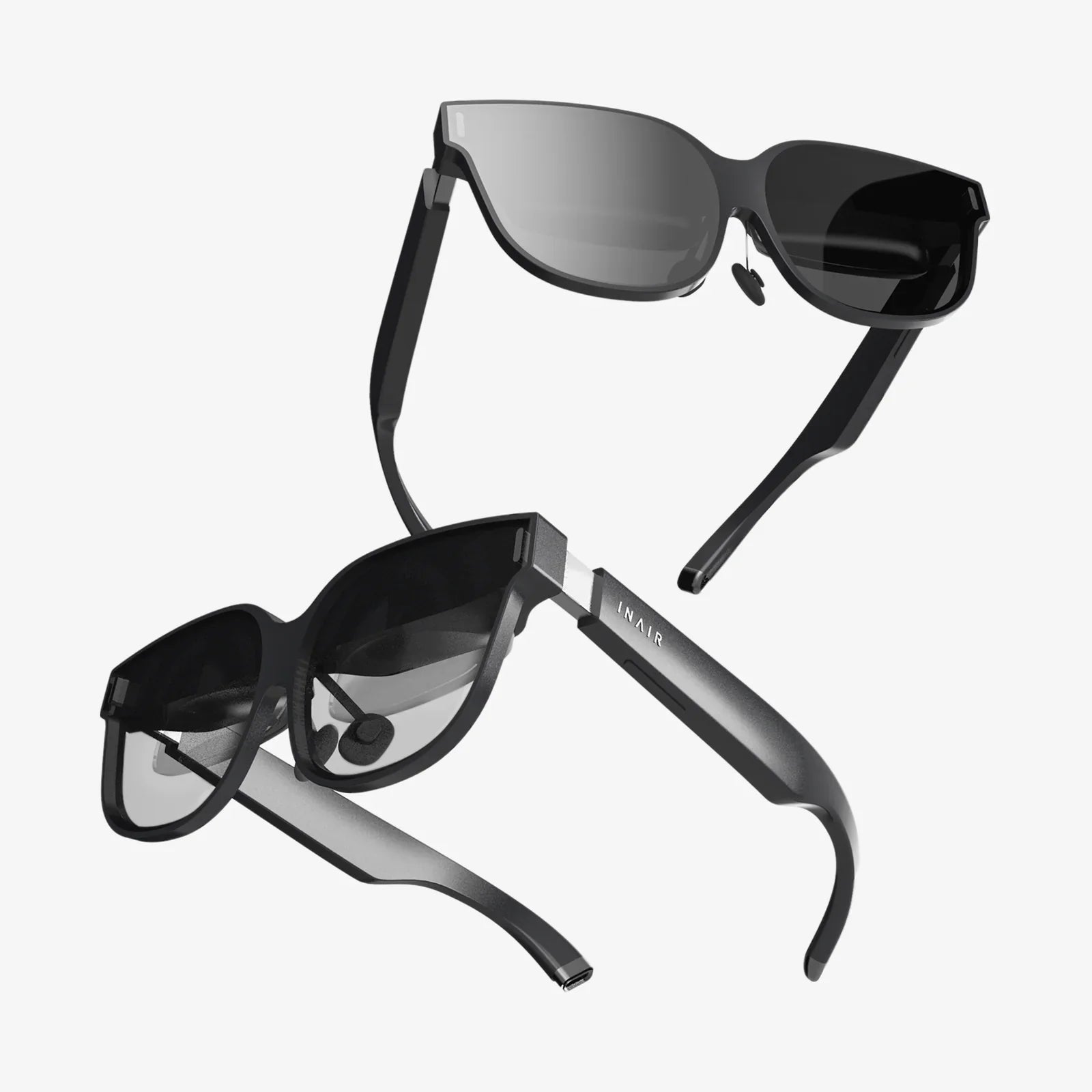
Imagine a world without the frustrating tangle of cables behind your entertainment center, where the photo from your phone instantly appears on your living room TV, and the soundtrack of your life follows you from room to room without a single plug. This is no longer a futuristic fantasy but a present-day reality, all thanks to the revolutionary power of wireless stream content. This technology has quietly dismantled the physical barriers between our devices, weaving a seamless, invisible web of digital connectivity that is fundamentally reshaping how we consume media, work, and interact with our homes.
The Invisible Threads: How Wireless Streaming Works
At its core, wireless streaming is the act of transmitting digital data—be it video, audio, or any other media—from a source device to a receiver without a physical connection. This magic is performed using radio frequency (RF) waves, primarily over two ubiquitous wireless protocols: Wi-Fi and Bluetooth. Each serves a distinct purpose in the ecosystem.
Wi-Fi, operating on the 2.4 GHz and 5 GHz bands (and now the blazing-fast 6 GHz band with newer standards), is the workhorse for high-bandwidth activities. It creates a local area network (LAN) that allows multiple devices to communicate. When you stream a high-definition movie from your laptop to your smart display, the data is broken into packets, sent over your Wi-Fi router, and then reassembled and decoded by the receiver in near real-time. Protocols like Miracast, Apple's AirPlay, and Google Cast are built on top of Wi-Fi to standardize this communication between devices, ensuring your video doesn't stutter and your audio stays in sync.
Bluetooth, on the other hand, excels in short-range, low-power connections. It's perfect for pairing wireless headphones to a phone or a speaker to a tablet. It creates a direct, personal area network (PAN) between two devices. For higher-quality audio streaming, codecs like aptX HD and LDAC compress and transmit audio data with minimal loss of fidelity, bringing wireless sound much closer to wired quality.
The true marvel is the seamlessness. Modern technologies employ sophisticated error correction and buffering algorithms to compensate for network congestion or interference, ensuring a smooth, uninterrupted experience. The goal is to make the complex process of encoding, transmitting, and decoding data entirely invisible to the user, who simply sees their content appear where they want it, when they want it.
A Universe of Applications: Beyond the Living Room
The applications of wireless streaming extend far beyond watching films and listening to music. It has become a foundational technology in numerous aspects of modern life.
The Entertainment Hub
The most obvious application is in home entertainment. Modern smart displays and streaming sticks have made cable clutter obsolete. Consumers can wirelessly project content from a myriad of sources: subscription services, personal media libraries on network-attached storage (NAS) devices, or even live gameplay from a mobile device. Multi-room audio systems use wireless streaming to synchronize music across an entire household, allowing for an immersive audio environment that moves with you from the kitchen to the patio.
The Productive Workspace
In the professional realm, wireless presentation systems have transformed meetings and conferences. Gone are the days of fumbling with dongles and incompatible ports. Employees can now walk into a conference room and wirelessly stream their laptop screen to a large display with a single click, fostering a more dynamic and collaborative environment. This technology also powers digital signage in corporate lobbies, retail stores, and airports, where content can be updated and managed remotely and wirelessly.
Gaming Without Limits
For gamers, wireless streaming is a game-changer—literally. Cloud gaming services leverage powerful data centers to run demanding games, streaming the video output directly to a player's device over the internet. This allows for high-end gaming on modest hardware, from tablets to TVs. Furthermore, the ability to stream gameplay from a console or PC to a mobile device or another screen in the house offers unparalleled flexibility and freedom.
Education and Collaboration
Classrooms and lecture halls have embraced wireless streaming. Educators can wirelessly project educational material, videos, and interactive apps from their tablet to a central screen, moving freely around the room to engage with students. This interactive approach breaks down the traditional front-of-class barrier, creating a more inclusive and engaging learning experience.
Navigating the Hurdles: Challenges and Considerations
Despite its many advantages, the wireless ecosystem is not without its challenges. Achieving a flawless experience requires navigating a few potential pitfalls.
Network Congestion and Bandwidth: The most common enemy of wireless streaming is a congested or weak network. Multiple devices streaming high-definition video simultaneously can strain even a robust Wi-Fi network, leading to buffering, reduced resolution, and lag. The solution often lies in upgrading to a modern router with strong Quality of Service (QoS) features, which can prioritize streaming traffic, or utilizing the less crowded 5 GHz and 6 GHz bands.
Latency and Synchronization: Latency, or lag, is the delay between the source sending data and the receiver processing it. For listening to music, a slight delay might be unnoticeable. However, for real-time activities like gaming or video conferencing, even a few milliseconds of lag can be disruptive. Technologies like Wi-Fi 6 and low-latency Bluetooth codecs are specifically designed to minimize this delay. Audio-video sync (lip-sync) is another critical issue, where the sound arrives noticeably before or after the corresponding video. Modern protocols continuously work to automatically detect and correct these sync errors.
Interoperability and Fragmentation: The wireless streaming landscape is sometimes fragmented by competing standards and proprietary protocols. While universal standards like Miracast exist, some ecosystems have their own optimized (but often closed) systems. This can sometimes lead to compatibility issues, where a device from one manufacturer doesn't play nicely with a device from another. Consumers must be mindful of compatibility when building their connected environments.
Security and Privacy: Transmitting your personal media over the airwaves naturally raises security questions. It is crucial to ensure your home network is secured with a strong password and up-to-date encryption (WPA3 is the current standard). Be cautious when connecting to public networks for streaming, as unsecured transmissions could potentially be intercepted.
The Horizon of Connectivity: What the Future Holds
The evolution of wireless streaming is accelerating, driven by advancements in core networking technologies. The rollout of Wi-Fi 6 and the emerging Wi-Fi 7 standard promises not just faster speeds, but vastly increased capacity and efficiency, handling dozens of high-bandwidth streams at once with minimal latency. This will be the backbone for the next leap in streaming: widespread adoption of 8K resolution and immersive virtual reality (VR) and augmented reality (AR) experiences streamed wirelessly to headsets.
5G technology will also play a pivotal role, extending the high-speed, low-latency wireless streaming capabilities of a home network to the entire world. Imagine downloading a full 4K movie in seconds at a park or participating in a lag-free, high-definition video conference from a moving vehicle. 5G fixed wireless access will also bring broadband-level streaming to rural and underserved areas, closing the digital divide.
Furthermore, we are moving towards even smarter and more intuitive ecosystems. Artificial intelligence (AI) will manage our home networks, automatically optimizing channel selection and traffic routing to ensure the best possible streaming experience for every device, without any user input. Streaming will become context-aware; your content might automatically follow you from your car's infotainment system to your home display as you walk through the door.
The lines between local and cloud streaming will continue to blur. The power of remote servers will be harnessed so seamlessly that the device in your hand will simply become a portal, with the heavy processing done elsewhere and the results streamed instantly and perfectly to your screen. The physical limitations of hardware will become almost irrelevant.
The cord has been cut, and there's no going back. We are stepping into an era where our digital experiences are no longer anchored to a specific screen or location but are fluid, dynamic, and personalized. Wireless stream content is the invisible current carrying us into this new world of digital freedom, promising a future where our entertainment, work, and connections are limited only by imagination, not by cables.
Share:
Most Portable Keyboard Computer - The Ultimate Guide to Ultra-Compact Computing
Most Portable Keyboard Computer - The Ultimate Guide to Ultra-Compact Computing