


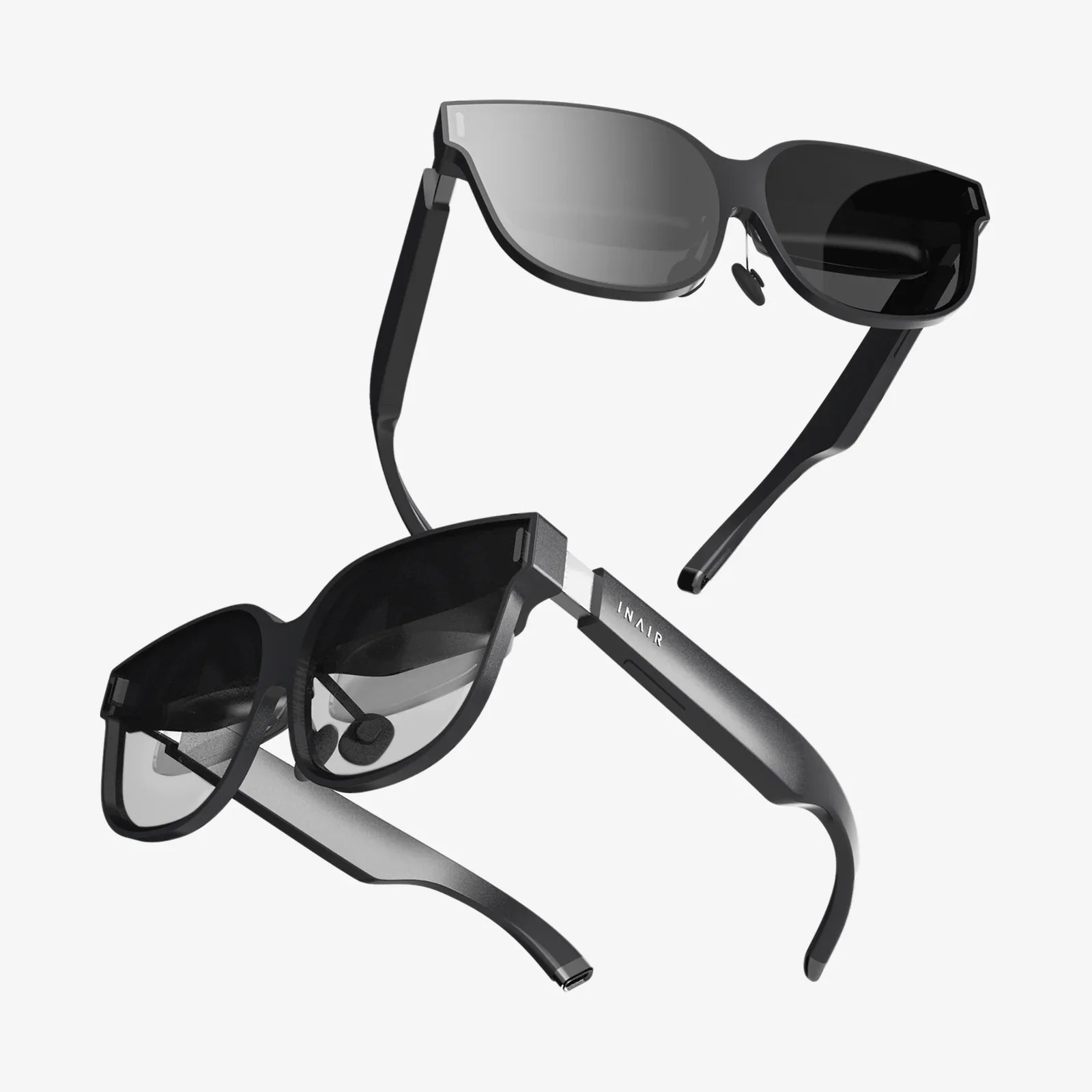
Imagine slipping on a pair of sleek, comfortable goggles and instantly being transported to a front-row seat at a Parisian fashion show, a serene yoga retreat in Bali, or a collaborative design studio where you can mold virtual clay with your bare hands. This is the promise of virtual reality, a technological frontier once dominated by a narrow demographic but now rapidly evolving to welcome everyone. For women, this evolution is particularly significant, moving beyond one-size-fits-all hardware to technology that considers form, function, and a uniquely diverse set of needs and aspirations. The journey into the metaverse is about to become far more accessible, comfortable, and personally empowering.
Beyond the Generic: Why a Focus on Female Users Matters
The technology industry has a long history of designing for a default user, who often does not represent the full spectrum of its audience. Early VR systems were no exception. They were engineering marvels, but often designed with little consideration for anatomical diversity. This oversight created tangible barriers to entry. A headset that is too heavy, a facial interface that doesn't seal properly, or controllers that are too large can transform an exciting experience into one of discomfort and frustration, leading to quicker adoption abandonment.
Focusing on the design of woman VR goggles isn't about creating a 'pink it and shrink it' product. It's a fundamental shift towards human-centric design. It acknowledges that physiological differences—such as average interpupillary distance (IPD), facial structure, and hand size—are crucial for comfort and visual clarity. It recognizes that hairstyles, from long hair to intricate braids, can impact how a headset is worn. Most importantly, it understands that the applications and virtual experiences that resonate can be vastly different. By addressing these points, the industry isn't just selling to a new market; it's building better, more inclusive technology for all users.
The Anatomy of Comfort: Engineering for the Female Form
True immersion in VR is impossible without physical comfort. The moment a user becomes aware of the weight on their brow or the pressure on their cheeks, the magic of the virtual world begins to fade. For many women, standard headsets present specific comfort challenges that next-generation goggles are starting to solve.
Weight Distribution and Ergonomics
The average female head is smaller and lighter than the average male head. A headset designed for a larger cranial mass can feel front-heavy and unstable, requiring excessive strap tension to keep it from slipping. This leads to pressure points on the forehead and cheeks, often called "VR face." Innovative solutions for woman VR goggles include:
- Counter-balancing: Strategically placing the battery pack at the back of the headstrap to act as a counterweight, evenly distributing mass and reducing strain on the front of the face.
- Softer, Wider Straps: Replacing thin, rigid straps with wider, padded, and flexible materials that disperse pressure across a larger surface area.
- Adjustable Pivot Points: Allowing the headset to tilt and swivel more freely to accommodate different nose bridges and cheekbone heights for a secure yet gentle seal.
Optical Precision: The IPD Factor
Interpupillary distance—the space between the centers of your pupils—is critical for a clear, strain-free visual experience. The average IPD for women is generally smaller than for men. If a headset's lenses cannot adjust down to a lower IPD range, the result is a blurry image, eye strain, headaches, and even nausea, effectively barring a significant portion of users from comfortable VR.
Modern woman VR goggles are addressing this through either mechanical IPD adjustment with a wider range (e.g., starting from 58mm instead of 60mm) or, more advanced, through software-based IPD correction. This technology uses eye-tracking sensors to understand the user's specific IPD and then digitally adjusts the image rendering to match, ensuring visual sharpness and comfort for a much broader user base without the need for complex physical mechanisms.
The Facial Interface: A Personal Seal
The foam or silicone interface that touches your face is a critical comfort point. A standard interface can gap on narrower faces, letting in ambient light and breaking immersion, or press uncomfortably on high cheekbones.
The future is customizable. We are seeing a move towards:
- Multiple Interface Sizes: Headsets offering small, medium, and large facial gaskets in the box.
- Hypoallergenic Materials: A shift away from standard foams to easier-to-clean, antimicrobial silicone or memory foam options that are gentler on the skin, especially for users with makeup or skincare concerns.
- Magnetic Attachments: Interfaces that pop on and off magnetically, making cleaning and swapping sizes effortless.
A World of Content: VR Applications That Resonate
Hardware is only half the equation. The virtual experiences themselves are what give the technology its purpose. The spectrum of content that appeals to female audiences is as vast and varied as women themselves, shattering the outdated stereotype that VR is solely for hardcore gaming.
Fitness and Wellness Revolution
VR has exploded as a powerful fitness tool, and this resonates strongly with women seeking engaging and convenient ways to stay healthy. Woman VR goggles are the gateway to this revolution:
- Immersive Workouts: Boxing against virtual opponents, dancing in fantastical worlds, and flowing through yoga sessions on a tranquil beach. This transforms exercise from a chore into an adventure.
- Mental Wellness: Guided meditation apps transport users to calming environments—from misty mountaintops to quiet forests—to practice mindfulness and reduce stress. It's a private sanctuary available at any time.
- Mind-Body Connection: VR fitness emphasizes fun and achievement over appearance, fostering a positive relationship with physical activity.
Social Connection and Collaboration
The metaverse promises a new paradigm for social interaction. For women, who often value deep relational connection, this is a key appeal.
- Virtual Gatherings: Attending concerts with friends from across the globe, watching movies together in a virtual cinema, or simply chatting around a digital campfire with embodied avatars that express real gesture and emotion.
- Professional Collaboration: Architects, designers, and engineers can meet in shared virtual spaces to interact with 3D models at life-size scale, revolutionizing remote work and creative teamwork.
Creative Expression and Learning
VR is the ultimate canvas for creativity. Applications allow users to paint in 3D space, sculpt virtual clay, make music with immersive tools, and even design fashion on digital avatars. The learning potential is also immense, from practicing public speaking in a virtual auditorium to conducting complex scientific experiments in a safe, virtual lab. This democratizes creative and educational tools that were once expensive or inaccessible.
Design Aesthetics: Where Technology Meets Style
For technology to be embraced, it must not only work well but also be something users want to be seen wearing. The stark, bulky, and often masculine design of early headsets was a barrier. The next wave of woman VR goggles understands that aesthetics are part of functionality.
This means exploring:
- Sleeker Profiles: Using advanced materials and miniaturized components to create headsets that are closer to swim goggles or fashion sunglasses than a scuba mask.
- Color and Material Options: Moving beyond universal black to offer a palette of colors and finishes—matte, metallic, translucent—that feel personal and stylish.
- Modularity: Interchangeable headbands and accents that allow users to customize their headset to match their personal style, much like a phone case.
This approach reframes the headset from a piece of lab equipment to a personal accessory, reducing the social friction of wearing one and making it a more desirable object to own and display.
Overcoming Barriers: Safety, Hygiene, and Accessibility
For widespread adoption, legitimate concerns must be addressed head-on. Woman VR goggles are at the forefront of implementing features that build trust and safety.
- Passthrough Technology: High-resolution color cameras allow users to switch to a view of their real-world environment with a double tap, ensuring they are aware of their surroundings and avoiding obstacles. This is crucial for both safety and practicality.
- Hygienic Considerations: As mentioned, easy-to-clean, anti-microbial interfaces and the availability of optional personal interfaces are vital, particularly for shared or fitness-use headsets.
- Accessibility Features: Software features like voice control, subtitles, and adjustable user interfaces make VR accessible to users with different abilities, ensuring everyone can participate.
The Future is Inclusive: A New Reality for Everyone
The development of woman VR goggles is not a niche pursuit. It is a necessary and transformative step in the maturation of virtual reality. By prioritizing comfort through thoughtful ergonomics, offering a diverse and rich content ecosystem, and embracing stylish, human-centric design, the industry is finally building a metaverse that welcomes everyone. This focus on the female user doesn't just create better products for women; it forces innovation that results in lighter, more adjustable, more comfortable, and more aesthetically pleasing headsets for all of humanity. It pushes the entire medium forward.
The door to countless virtual worlds is opening, and it's being designed with you in mind. This is the dawn of a new era in technology—one where power, creativity, and connection are not just experienced but are shaped by the diverse perspectives of all who step inside.
Share:
Smart Glasses with Diopter Adjustment: The Future of Personalized Vision is Here
VR Headset Deals News: Your Ultimate Guide to Finding the Perfect Immersive Tech Bargain