


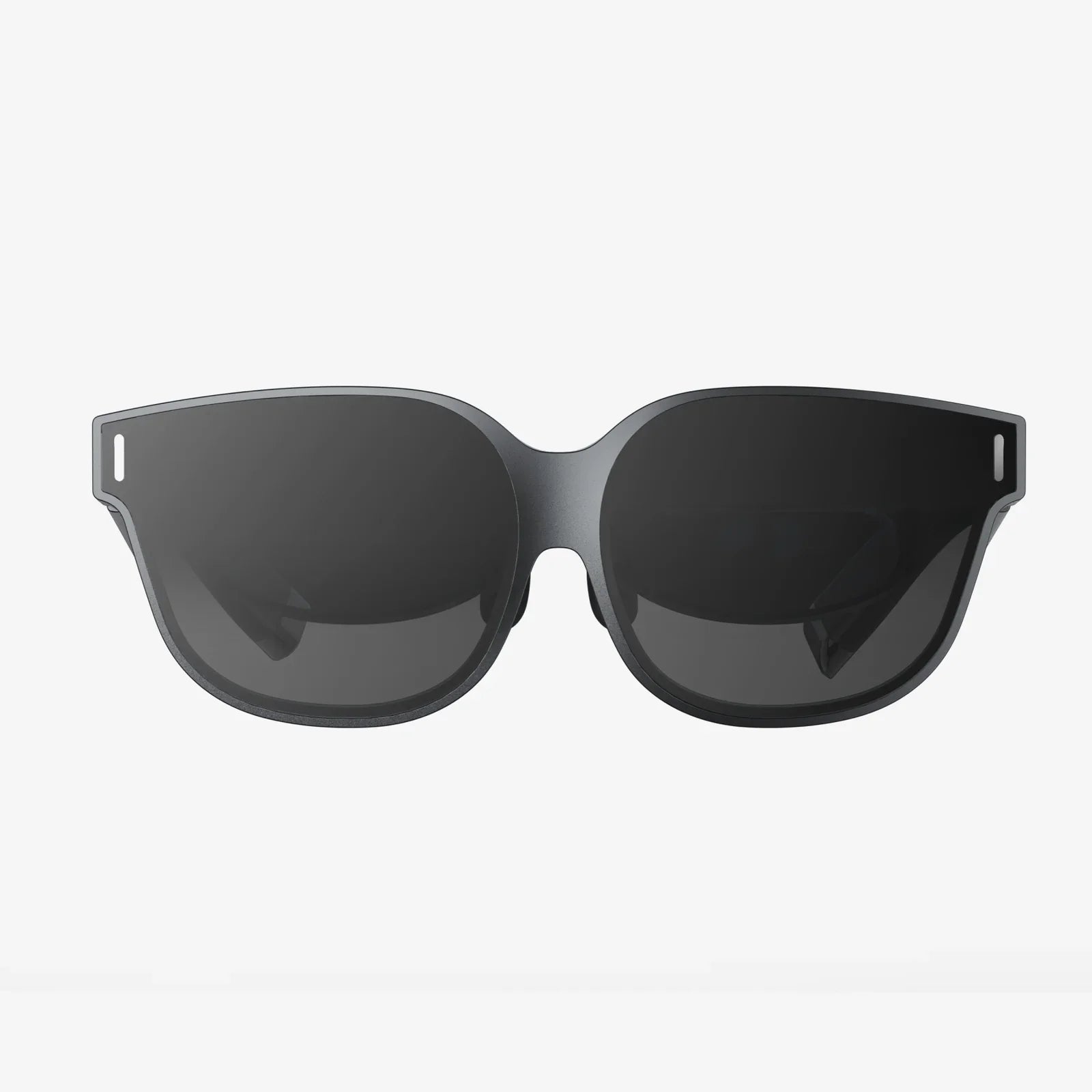
The digital frontier is shifting beneath our feet, and the race to dominate our visual field is heating up. By 2025, the Extended Reality (XR) headset market is projected to be a multi-billion-dollar battleground, a crucible where tech titans, agile startups, and software ecosystems will collide to define the next paradigm of human-computer interaction. The question of XR headset market share in 2025 is not merely about who sells the most hardware; it’s a complex puzzle of technological innovation, strategic pricing, ecosystem development, and ultimately, which vision of the future resonates most powerfully with consumers and enterprises alike. This deep dive explores the forces that will shape this dynamic landscape, forecasting the key players, disruptive trends, and the seismic shifts that will determine who leads the charge into a new reality.
The Foundation: Understanding the XR Spectrum and Its Current State
Before projecting into 2025, it is crucial to define the terrain. Extended Reality (XR) is the umbrella term encompassing Virtual Reality (VR), which immerses users in a fully digital environment; Augmented Reality (AR), which overlays digital information onto the real world; and Mixed Reality (MR), which blends the two, allowing digital objects to interact with the physical space. The market share battle will be fought across all these fronts, but with different leaders likely emerging for different use cases.
As of the present day, the market is characterized by a clear division. The VR segment is more mature, driven primarily by gaming and entertainment, with a handful of established players holding significant sway. The AR segment, meanwhile, is fragmented. It includes everything from sophisticated, high-priced enterprise-grade headsets to simpler smartphone-based experiences and nascent consumer smart glasses. The path to 2025 will be defined by the convergence of these technologies into more capable and versatile XR devices, blurring the lines between these categories.
Key Drivers Propelling the Market Toward 2025
Several powerful macro-trends will act as rocket fuel for XR adoption, directly influencing unit sales and, by extension, market share.
The Enterprise Metaverse Becomes Operational
While consumer metaverse hype has seen fluctuations, the enterprise sector is quietly building a compelling, ROI-driven case for XR. By 2025, we will see widespread adoption of XR for:
- Remote Collaboration and Training: Complex procedures, from surgery to machinery repair, will be taught and performed via shared virtual spaces, saving organizations millions in travel and operational downtime.
- Design and Prototyping: Automotive, aerospace, and architecture firms are already using XR to visualize and iterate on designs in 1:1 scale before a single physical prototype is built.
- Field Service and Logistics: AR smart glasses overlaying schematics, inventory data, and instructions will become standard equipment for technicians and warehouse workers, drastically improving efficiency and reducing errors.
This enterprise push will create a massive and lucrative segment of the market, favoring hardware that is robust, secure, and integrated with enterprise software suites.
The Great Hardware Leap: Silicon, Optics, and Form Factor
The hardware available in 2025 will be unrecognizable from today's clunky prototypes. Several breakthroughs are converging:
- Advanced Silicon: Custom chipsets designed specifically for XR workloads will deliver desktop-level computing power in a mobile form factor, enabling richer graphics, complex tracking, and longer battery life.
- Revolutionary Optics: Technologies like pancake lenses and holographic waveguides will finally make devices smaller, lighter, and with a much wider field of view, addressing major adoption barriers like comfort and visual immersion.
- The Form Factor Revolution: The industry is moving relentlessly towards a glasses-like form factor. By 2025, we will see a proliferation of sleek, socially acceptable AR glasses that users can wear all day, moving the technology from a dedicated activity to an always-available utility.
The Content Ecosystem Matures
Hardware is nothing without software. The race for XR headset market share in 2025 will be won by those who cultivate the most vibrant ecosystems. This includes not just games, but productivity apps, social platforms, and creative tools. The ability to run a familiar operating system, access a vast app store, and seamlessly integrate with other devices (phones, laptops, cloud services) will be a decisive factor for both consumers and businesses.
The Contenders: Analyzing the Future Competitive Landscape
The battle for market share will not be a single fight but a series of conflicts across different product categories and user segments.
The Incumbent Powerhouse: The Gaming-First Approach
One current leader has a formidable head start, built on a foundation of passionate gamers and a walled-garden ecosystem. Their strategy is to dominate the high-end, immersive VR segment and use that installed base to expand into broader social and productivity experiences. Their strengths are immense: a loyal user base, top-tier content, and strong brand recognition in gaming. Their challenge will be transitioning from a tethered or all-in-one gaming console model to a sleek, all-day AR device without alienating their core audience. They are likely to maintain a dominant share in the dedicated VR gaming segment through 2025 but may face stiff competition in the broader AR-focused XR space.
The Mobile Ecosystem Giant: The Platform Play
Another tech behemoth is taking a diametrically opposite approach. With billions of users on its mobile operating system, its strategy is one of ubiquity and platform dominance. It is developing a platform for others to build upon, betting that its brand, developer relationships, and expertise in miniaturized consumer electronics will win the day. The anticipated launch of its first-generation AR glasses could be a watershed moment. If successful, it could leverage its immense distribution channel and marketing power to quickly capture a massive share of the consumer AR market, making XR an extension of the smartphone rather than a replacement.
The Social Metaverse Visionary: Betting on a New Reality
For one company, the entire future is predicated on the success of the metaverse and XR. They are investing tens of billions of dollars not just in hardware, but in the social fabric and economic systems of virtual worlds. Their goal is to make their headset the gateway to a new social platform. Their advantage is this singular focus and deep investment. However, their path is high-risk. They must prove that consumers want a metaverse-centric existence and that their hardware can evolve quickly enough from its current niche to a mainstream product. Their market share in 2025 will be a direct referendum on the public's appetite for their vision.
The Dark Horses and Niche Players
Beyond the giants, a host of other players will carve out significant pieces of the pie. Specialized enterprise-focused companies will continue to thrive by building rugged, purpose-built headsets with industry-specific software solutions. Their market share in verticals like manufacturing, healthcare, and the military will be formidable. Meanwhile, a vibrant ecosystem of startups, particularly in China and Asia, will drive innovation and compete aggressively on price in the consumer and prosumer markets, potentially capturing a large volume share with capable, affordable hardware.
Regional Dynamics: A Global Battlefield
The fight for XR headset market share in 2025 will have distinct geographic flavors. North America is expected to be an early adopter, particularly in the enterprise sector, driven by large tech and industrial firms. Europe will follow a similar pattern with strong uptake in automotive and engineering. The most fascinating and potentially largest market is the Asia-Pacific region. Led by tech-savvy consumers in South Korea, Japan, and China, and supported by massive manufacturing and supply chain ecosystems, APAC could become the volume leader in consumer XR adoption. Government support for metaverse initiatives in countries like South Korea will further accelerate this growth.
Beyond the Numbers: What Market Share Truly Means
In this nascent market, traditional market share metrics based solely on unit sales can be misleading. A company might sell millions of low-cost headsets but have low engagement, while another might sell fewer high-priced units but lock in the most valuable enterprise customers and developers. Therefore, a more holistic view of leadership in 2025 must include:
- Engagement Share: Time spent in a device's ecosystem is a more valuable metric than units sold.
- Developer Mindshare: Where are the most innovative applications being built first?
- Revenue Share: This includes not just hardware revenue, but the cut from software and services sold through the platform, which is often more profitable.
A company could "lose" the unit share battle but "win" the war by controlling the most profitable and influential segment of the market.
Potential Disruptors and Wild Cards
The path to 2025 is not set in stone. Several wild cards could completely reshape the competitive landscape:
- The Killer App: The arrival of a single, must-have application—a Pokémon Go for AR or a WhatsApp for VR—could instantly tilt the scales toward the platform it debuts on.
- Breakthrough Pricing: A player with deep pockets could decide to subsidize hardware aggressively to build ecosystem share, dramatically accelerating adoption.
- Regulation and Data Privacy: How governments choose to regulate data collection through always-on cameras and microphones on your face could create significant hurdles or advantages for certain companies.
The battle for XR headset market share in 2025 is far more than a spec sheet competition; it is a foundational struggle to own the next platform after the smartphone. It will be won by those who best execute a trio of critical elements: pioneering truly transformative hardware, cultivating an indispensable and open ecosystem, and articulating a vision for XR that is not just technological, but human. The companies that succeed will do so by understanding that they are not selling headsets—they are selling new ways to work, connect, learn, and play. The stakes could not be higher, for the winner will not just lead a market; they will help write the next chapter of human experience.
Imagine a world where your digital life is no longer confined to a rectangle in your pocket but is seamlessly woven into the fabric of your physical reality. This is the promise that hangs in the balance, and the fierce competition to deliver it will redefine our relationship with technology forever. The next time you look up from your phone, the device that captures your attention might just be on your face, and the company that put it there will have won the most significant tech battle of the decade.
Share:
PC for VR: The Ultimate Guide to Building Your Virtual Reality Powerhouse
PC for VR: The Ultimate Guide to Building Your Virtual Reality Powerhouse