


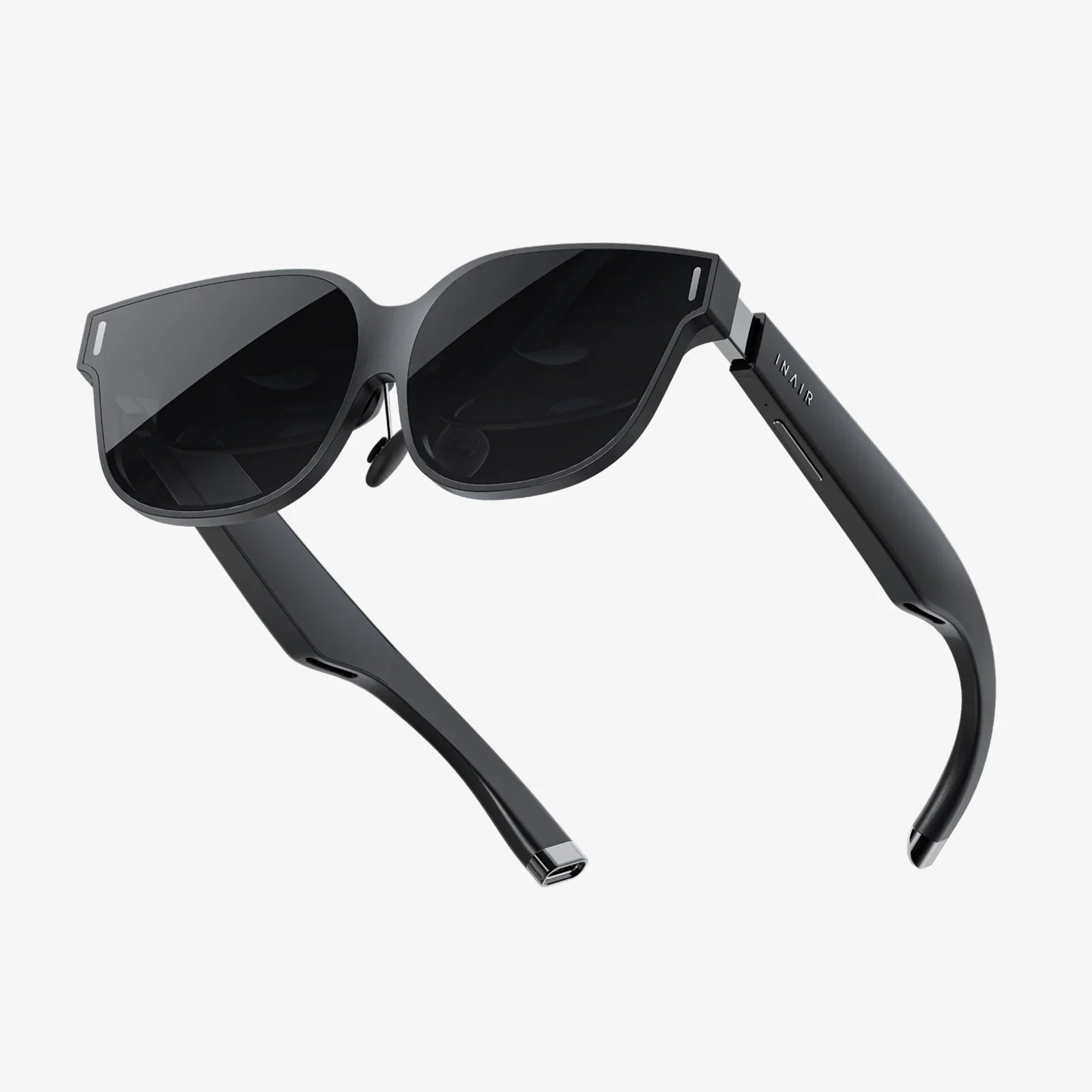
You've seen the breathtaking demos, heard the promises of a new digital frontier, and felt the pull of a more immersive way to work, play, and connect. But one burning question holds you back from taking the plunge: what will it really cost to step into the metaverse? The answer is more complex, and more fascinating, than a simple number on a price tag.
Deconstructing the XR Headset Price Tag: More Than Just Hardware
When consumers see an XR headset price, they often perceive it as the cost of the physical unit—the plastic, glass, and silicon they hold in their hands. In reality, that figure is the culmination of immense research and development, cutting-edge component costs, sophisticated software ecosystems, and a fiercely competitive market strategy. Understanding these elements is key to understanding the value proposition.
The core components that drive the cost include:
- Display Technology: High-resolution, fast-switching LCD or OLED micro-displays are essential for a sharp, clear image and are a significant cost driver. More advanced headsets are now incorporating Mini-LED and even Micro-OLED panels, which offer superior contrast and brightness but at a higher price point.
- Optics: The lens systems, whether Fresnel, pancake, or aspherical, are precision-engineered to bend light correctly for your eyes. Advanced optics are crucial for reducing god rays, improving clarity, and creating a comfortable experience, and their complexity adds to the manufacturing cost.
- Processing Power: Standalone headsets require a mobile system-on-a-chip (SoC) powerful enough to render two high-resolution displays simultaneously, track the environment, and run complex applications. This is essentially a smartphone's worth of computing power, dedicated solely to immersion.
- Sensors and Cameras: A suite of sensors—including accelerometers, gyroscopes, magnetometers, and a growing number of high-resolution cameras—is required for inside-out tracking, hand tracking, and passthrough AR functionality. Each added sensor increases both the component cost and the computational complexity.
- Structural Design and Materials: From the lightweight polymers used in consumer models to the carbon fiber and magnesium alloys found in professional-grade gear, the materials chosen impact comfort, durability, and ultimately, the XR headset price.
The Three Tiers of the Market: Finding Your Price Point
The XR market has matured into three distinct pricing and capability tiers, each catering to different user needs and budgets.
1. The Accessible Tier: Mobile and Entry-Level Standalone (Under $500)
This tier is focused on mass-market adoption and accessibility. Headsets in this category, often described as VR-headsets-first, prioritize ease of use and a low barrier to entry. They are typically fully standalone, meaning they have all the necessary computing power built-in and require no external PC or console.
The experience here is geared towards casual gaming, fitness applications, social VR spaces, and media consumption. To hit this aggressive XR headset price, manufacturers often make compromises on maximum processing power, display resolution, and premium materials. They may also employ a subsidized hardware model, aiming to recoup costs through their curated software marketplaces. For many, this tier represents the perfect, low-risk introduction to immersive technology.
2. The Enthusiast and Professional Tier: The Power Middle Ground ($500 - $1500)
This is the most dynamic and competitive segment of the market. Here, the XR headset price reflects a device that balances high-end features with relative affordability. We see headsets with significantly improved resolution, much wider field of view, more advanced pancake optics for a slimmer design, and superior tracking capabilities.
This tier often includes devices that can function in both standalone mode and as a PC-connected headset, offering users flexibility. The target audience is serious gamers, developers, and professionals in fields like architecture and design who need capable hardware without the extreme cost of the top tier. The build quality, controllers, and overall feature set represent a clear step up from the accessible tier, justifying the higher investment for those who will actively use the device.
3. The Enterprise and Ultimate Performance Tier ($1500 and Above)
At the pinnacle of the market, the XR headset price is a secondary concern to capability, reliability, and feature set. These devices are engineered for maximum performance and are targeted almost exclusively at enterprise, industrial, and military applications.
Key characteristics include:
- Ultra-high-resolution displays with exceptional pixel-per-degree density for reading text and intricate detail.
- Advanced eye and face tracking for realistic avatars and nuanced user analytics.
- Ruggedized designs built to withstand harsh environments and continuous use.
- Enterprise-grade software support, security, and device management tools.
For a Fortune 500 company training surgeons or designing jet engines, the productivity gains and cost savings achieved by using such advanced tools easily justify the high initial XR headset price. This tier also includes cutting-edge technology like varifocal displays, which are not yet cost-effective for consumer markets.
The Hidden Costs: What Your XR Headset Price Doesn't Tell You
The initial purchase is just the beginning. To accurately budget for an XR headset, savvy buyers must consider the total cost of ownership.
- Software and Content: While many apps are free or low-cost, premium games and professional-grade enterprise software can cost anywhere from tens to thousands of dollars per license.
- Essential Accessories: The base headset price rarely includes everything you might need. A longer, more durable cable for PC-connected play, an additional external battery pack for extended standalone sessions, a premium facial interface for comfort, and a dedicated carrying case are common and often necessary additions.
- PC Hardware Requirements: If you opt for a PC-connected headset, you must ensure your computer meets or exceeds the often-steep system requirements. Upgrading a GPU alone can cost as much as a high-end headset itself.
- Replacement Parts: Controllers, with their complex internals and propensity for accidental impacts against walls, can be expensive to replace. Similarly, facial gaskets and straps are wear items that may need replacing over time.
The Future of XR Headset Pricing: A Trajectory Towards Clarity
Predicting the future of XR headset price is an exercise in understanding technological and economic trends. Several key factors will shape the market in the coming years.
Economies of Scale and Manufacturing Efficiency: As the total addressable market grows and volumes increase, manufacturers will achieve better economies of scale. The cost of producing complex components like micro-OLED displays and custom silicon will decrease, allowing for more advanced features to trickle down to lower price points.
The Component Cost Curve: Like all computing technology, the components inside XR headsets are subject to rapid innovation and price reduction. What is a cutting-edge, expensive sensor today will be a commodity component in two to three years. This natural progression will continuously push capabilities upward while putting downward pressure on prices.
Software and Ecosystem as a Differentiator: The future battleground may not be the XR headset price itself, but the strength of its ecosystem. We may see hardware sold at or near cost, with profitability driven by software marketplaces, subscription services for cloud streaming, enterprise software suites, and advertising within social platforms. This model, familiar in the gaming console world, could make hardware more accessible than ever.
Market Segmentation and Specialization: The market will likely fragment further. We will see ultra-low-cost headsets for specific tasks like media viewing, mid-range all-rounders, and hyper-specialized, expensive headsets for niche professional use. This will give consumers more choice but will require them to be more informed about what they are actually paying for.
The journey to find the perfect XR headset is a balance between aspiration and practicality. By looking beyond the sticker price to understand the technology, market forces, and hidden costs, you transform from a passive observer into an empowered architect of your digital future. The gateway to new worlds is waiting, and its value is defined not just by its cost, but by the experiences it unlocks.
Share:
VR Platforms: The Unseen Architectures Reshaping Our Digital and Physical Realities
Office Space Virtual: The Definitive Guide to the Future of Work