


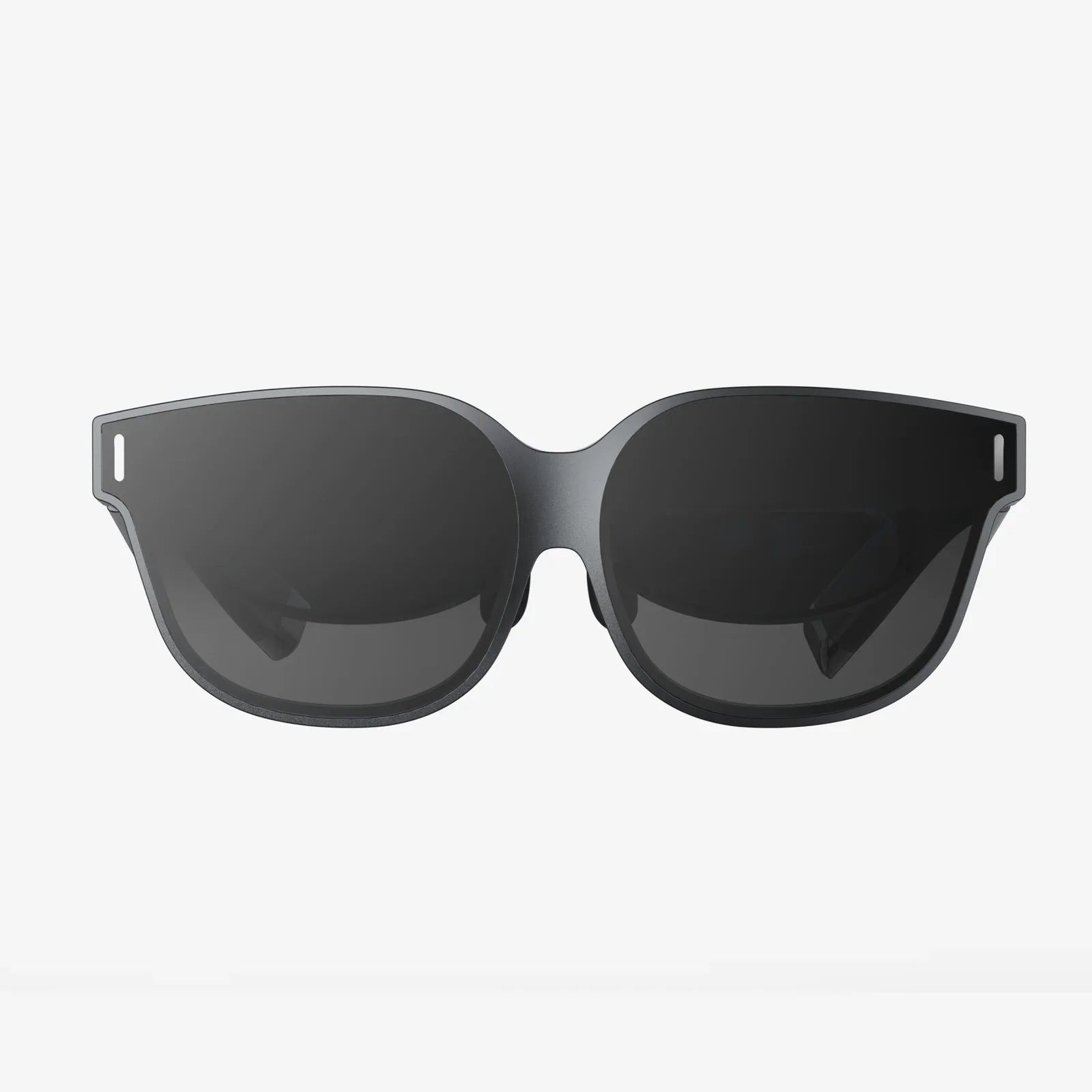
AR XR is no longer a futuristic buzzword; it is quietly reshaping how we see, work, learn, and play. From digital overlays that guide technicians through complex repairs to fully immersive environments where teams collaborate across continents, these technologies are turning science fiction into the default interface of everyday life. If you have ever wondered how to keep up with this shift, or how it will affect your job, your business, or your creativity, now is the time to pay attention.
While many people still associate immersive tech with games, AR XR has rapidly moved into serious domains: surgery, construction, logistics, training, remote support, and design. The screen in your pocket is slowly giving way to interfaces that blend seamlessly with your physical surroundings. Understanding what this means, and how to prepare, can give you a powerful edge in the years ahead.
What AR XR Actually Means
Before diving into applications, it helps to clarify the terminology. Immersive technology is a spectrum, and AR XR sits at its center.
Augmented Reality (AR)
Augmented Reality overlays digital content onto the real world. You still see your environment, but with added layers of information, graphics, or interactive elements. AR typically works through smartphones, tablets, or head-worn displays.
- Key trait: The real world remains primary; digital elements enhance it.
- Common uses: Navigation overlays, maintenance instructions, virtual try-ons, educational visualizations.
Extended Reality (XR)
Extended Reality is an umbrella term that covers AR, Mixed Reality (MR), and Virtual Reality (VR). XR refers to any technology that merges or extends physical and digital environments.
- AR: Digital content on top of the real world.
- MR: Digital objects anchored in the real world and interacting with it (e.g., a virtual model placed on your real desk, occluded by real objects).
- VR: Fully immersive digital environments that block out the physical world.
When people say AR XR, they are usually talking about the entire continuum of experiences that blend real and virtual content in some way, with a particular emphasis on AR as the gateway technology.
Core Technologies Powering AR XR
AR XR is not magic; it is the result of several mature technologies converging. Understanding them helps explain both the current capabilities and the limitations.
1. Computer Vision
Computer vision enables devices to understand and interpret their surroundings. For AR XR, it is responsible for:
- Tracking: Determining the position and orientation of the device in real time.
- Mapping: Building a 3D model of the environment (walls, floors, objects).
- Recognition: Identifying surfaces, images, or objects to attach digital content to.
Without accurate tracking and mapping, digital objects would float or jitter instead of appearing anchored to the real world.
2. Sensors and Hardware
AR XR devices rely on a combination of sensors to understand motion, depth, and orientation:
- Cameras: Capture visual information for computer vision.
- IMU (Inertial Measurement Unit): Combines accelerometers, gyroscopes, and sometimes magnetometers to track movement.
- Depth sensors: Measure distance to objects, enabling occlusion and realistic placement of virtual items.
The quality and combination of these sensors determine how stable and convincing the AR XR experience feels.
3. Rendering and Graphics
Once the device knows where it is and what is around it, it must render digital content convincingly. This involves:
- 3D models and animation: Objects, characters, and interfaces.
- Lighting and shadows: Matching real-world lighting to blend digital content naturally.
- Occlusion: Ensuring virtual objects appear behind or in front of real objects correctly.
Advances in mobile graphics and efficient rendering pipelines have made high-quality AR XR possible on portable devices.
4. Connectivity and Cloud Services
Many AR XR experiences rely on connectivity to access real-time data, synchronize multi-user sessions, or offload heavy computation to the cloud.
- Low-latency networks: Essential for collaborative and remote experiences.
- Cloud rendering: Allows complex scenes to be processed remotely and streamed to lightweight devices.
- Shared spatial maps: Enable multiple users to see the same digital content anchored in the same physical space.
How AR XR Is Transforming Work and Industry
The most profound changes driven by AR XR are happening in professional environments, often behind the scenes. Organizations are using these tools to reduce errors, speed up training, and cut costs.
Field Service and Maintenance
Technicians can wear AR devices that overlay step-by-step instructions directly on the equipment they are servicing. Instead of flipping through manuals, they see:
- Highlighted components that need inspection or replacement.
- Animated guides showing the correct sequence of actions.
- Real-time annotations from remote experts who see what the technician sees.
This reduces downtime, minimizes travel for experts, and allows less experienced staff to handle complex tasks with confidence.
Manufacturing and Assembly
In manufacturing, AR XR is used to guide workers through assembly processes, quality checks, and configuration changes. Benefits include:
- Reduced errors: Visual cues help workers follow precise procedures.
- Faster onboarding: New employees learn by doing, with digital guidance.
- Real-time updates: Process changes can be pushed instantly to AR workflows.
By overlaying digital instructions directly onto physical parts, AR XR shortens the gap between training and full productivity.
Architecture, Engineering, and Construction
Architects and engineers can use AR XR to visualize building designs at full scale on-site. This makes it easier to identify clashes, plan logistics, and communicate with stakeholders.
- Designs can be walked through at true scale before construction.
- Potential conflicts between systems (such as piping and electrical) can be spotted early.
- Clients can better understand the spatial experience, reducing misunderstandings.
On construction sites, supervisors can compare digital models with the current state of the build, catching deviations early and improving quality control.
Remote Collaboration and Digital Twins
AR XR also enables remote collaboration around digital twins: virtual replicas of physical assets or environments. Teams can:
- Inspect a virtual model of a factory or building from anywhere.
- Annotate issues in 3D space for others to review.
- Simulate changes and see their impact before making physical modifications.
This reduces travel, shortens decision cycles, and allows global teams to work as if they were on-site together.
AR XR in Education and Training
Learning is one of the areas where AR XR has the most immediate and intuitive impact. Human brains are wired for spatial understanding and hands-on experience, and immersive tools tap directly into that.
Interactive Learning Experiences
Instead of reading about complex systems in a textbook, learners can explore them in 3D. For example:
- Biology students can view and manipulate anatomical structures in their classroom.
- History lessons can place learners in reconstructed historical sites.
- Physics concepts can be demonstrated with virtual experiments overlaid on the real world.
This not only makes learning more engaging but can also improve retention by connecting abstract concepts to tangible experiences.
Skill Training and Simulation
AR XR is particularly powerful for training in fields where mistakes are costly or dangerous. Trainees can practice procedures repeatedly in controlled environments.
- Medical trainees can rehearse procedures using virtual patients.
- Industrial workers can simulate hazardous scenarios without real risk.
- Emergency responders can run through realistic drills with dynamic variables.
The ability to repeat, rewind, and review actions in detail helps build competence faster and more safely than traditional methods alone.
Healthcare and AR XR: From Operating Rooms to Rehabilitation
Healthcare is embracing AR XR as a way to improve precision, communication, and patient outcomes.
Surgical Assistance
Surgeons can use AR overlays to see critical information during procedures, such as:
- 3D reconstructions of patient anatomy aligned with the surgical site.
- Guidance paths for incisions or instrument placement.
- Real-time vital data without looking away from the patient.
This can enhance situational awareness and reduce cognitive load, especially in complex surgeries.
Medical Visualization and Patient Communication
Explaining diagnoses and treatment plans can be challenging. AR XR allows clinicians to show patients:
- Visual representations of conditions in the context of their own anatomy.
- Simulations of how treatments might work over time.
- Interactive models that patients can explore, leading to better understanding.
Better communication can improve adherence to treatment and reduce anxiety.
Rehabilitation and Therapy
AR XR is also being used in physical and cognitive rehabilitation. Therapists can design exercises that patients perform in interactive environments, with real-time feedback and progress tracking.
- Gamified physical exercises encourage consistent participation.
- Movement tracking helps ensure exercises are performed correctly.
- Cognitive tasks can be embedded in engaging scenarios to support recovery.
By making therapy more engaging and measurable, AR XR can support better long-term outcomes.
Entertainment, Media, and Everyday Life
For many people, the first encounter with AR XR happens through entertainment and daily utilities. These early experiences set expectations for how natural and useful immersive interfaces can be.
Games and Interactive Stories
AR XR games transform everyday environments into dynamic play spaces. Storytelling experiences can unfold around the user, blending narrative elements with physical surroundings. This shifts entertainment from passive consumption to active participation.
Social Experiences
Immersive social platforms allow people to meet in shared virtual or mixed environments, represented by avatars or digital personas. Friends or colleagues can:
- Collaborate on creative projects in virtual spaces.
- Attend events that mix live and digital performances.
- Share AR content anchored in real locations, visible to others who visit.
As these experiences become more natural, they may complement or partially replace traditional video calls and text-based communication.
Everyday Utilities
Beyond entertainment, AR XR is infiltrating mundane tasks:
- Navigation overlays that label streets, buildings, and points of interest.
- Home improvement tools that preview furniture, colors, or layouts in your space.
- Language assistance that translates signs or labels in real time.
These small conveniences gradually normalize the idea that digital information should live in the same space as physical objects.
Designing for AR XR: Principles and Challenges
Building effective AR XR experiences requires a shift in design thinking. Screens, buttons, and flat layouts give way to spatial interfaces that must coexist with the real world.
Spatial Interface Design
Designers must consider:
- Placement: Where digital elements appear in relation to the user and the environment.
- Scale: Ensuring objects are appropriately sized and not overwhelming.
- Legibility: Text and icons must remain readable under varying lighting conditions.
Interfaces must be intuitive in three dimensions, avoiding clutter and respecting the user’s physical space.
Interaction Methods
Traditional input methods like keyboards and mice are often replaced by:
- Hand tracking and gesture recognition.
- Gaze-based selection and focus.
- Voice commands and natural language interaction.
Each method has strengths and limitations, and many AR XR applications combine several to create fluid interactions.
Comfort, Safety, and Ethics
Immersive experiences raise unique comfort and ethical issues:
- Motion sickness: Poor tracking or mismatched motion cues can cause discomfort.
- Physical safety: Users may be distracted from real-world hazards.
- Privacy: Always-on sensors and cameras can capture sensitive data about environments and behavior.
Responsible AR XR design requires clear boundaries, transparent data practices, and safeguards against misuse.
Business Opportunities in AR XR
For entrepreneurs, professionals, and organizations, AR XR opens new avenues for value creation. Recognizing where the technology fits can lead to strategic advantages.
New Products and Services
Entirely new categories are emerging, including:
- Immersive training solutions for specialized industries.
- Spatial analytics tools that interpret how people move through real spaces.
- Location-based experiences in retail, tourism, and entertainment.
Businesses that understand their domain deeply can layer AR XR on top of existing expertise to solve problems in novel ways.
Enhancing Existing Offerings
Even without building dedicated AR XR products, organizations can enhance current offerings:
- Adding AR instructions and support to physical products.
- Providing immersive previews for services such as interior design or travel.
- Using AR XR for marketing campaigns that invite customers to interact with content in their own space.
This can differentiate brands, deepen engagement, and provide richer data on how customers interact with products.
Internal Transformation
Internally, AR XR can streamline operations:
- Immersive onboarding and training for new employees.
- Remote assistance and collaboration between distributed teams.
- Spatial planning and simulation for facilities and logistics.
These applications often deliver measurable returns through reduced travel, faster learning, and fewer errors.
Skills You Need to Thrive in an AR XR World
Whether you are a developer, designer, manager, or curious professional, certain skills will position you well as AR XR continues to grow.
Technical Foundations
For those interested in building AR XR experiences, useful skills include:
- 3D modeling and animation.
- Programming for real-time graphics and interactive systems.
- Understanding of computer vision and spatial computing concepts.
Even basic familiarity can help non-technical professionals communicate better with technical teams.
Spatial Thinking and Experience Design
Beyond coding, the ability to think spatially is crucial:
- Imagining how information should be arranged in three dimensions.
- Anticipating how users move through space and interact with objects.
- Balancing immersion with usability and comfort.
Professionals in design, architecture, and related fields often find their existing skills transfer well to AR XR contexts.
Domain Expertise
The most valuable AR XR solutions solve specific real-world problems. Deep knowledge of a particular domain, such as healthcare, manufacturing, or education, is often more important than advanced technical skills.
- Identify pain points that spatial interfaces can address.
- Collaborate with technical teams to translate needs into solutions.
- Evaluate whether AR XR adds real value or is simply a novelty.
Combining domain expertise with an understanding of AR XR capabilities creates a powerful foundation for innovation.
Challenges and Limitations of AR XR Today
Despite the excitement, AR XR is not without hurdles. Being realistic about challenges helps set appropriate expectations and guides smarter adoption.
Hardware Constraints
Many AR XR experiences still rely on devices that are bulky, expensive, or limited in battery life. For widespread, all-day use, devices must become:
- Lighter and more comfortable.
- More power-efficient.
- Affordable for both consumers and enterprises.
Progress is steady, but mass adoption will depend on hardware that feels as natural as wearing glasses or using a smartphone.
Content Creation and Standards
Creating high-quality AR XR content is still resource-intensive. There is a need for:
- Better tools that simplify 3D content creation.
- Standards for spatial data and interactions.
- Reusable building blocks that reduce duplication of effort.
As toolchains mature and standards emerge, it will become easier for more organizations to participate.
Privacy, Security, and Social Impact
AR XR devices can collect detailed information about environments, behavior, and interactions. This raises questions about:
- Who owns spatial data captured in public and private spaces.
- How to prevent unauthorized tracking or profiling.
- How immersive content might influence perception and behavior.
Developers, policymakers, and users must work together to ensure AR XR evolves in ways that respect rights and foster trust.
How to Start Exploring AR XR Today
You do not need advanced equipment or a massive budget to begin exploring AR XR. Simple steps can help you understand its potential and identify where it fits into your life or work.
Experiment with Mobile AR
Modern smartphones and tablets often support AR features out of the box. You can:
- Try AR utilities for measurement, visualization, and navigation.
- Explore educational AR apps that demonstrate scientific or historical concepts.
- Use AR tools for simple tasks like planning room layouts.
These experiences will give you a feel for what works well and where current limitations lie.
Identify Use Cases in Your Domain
Think about your own work or interests:
- Where do people struggle to understand complex spatial information?
- Which processes are error-prone or require intensive training?
- Where would hands-free access to information be valuable?
These questions can reveal opportunities for AR XR solutions that deliver tangible benefits.
Build a Basic Prototype or Pilot
If you have access to development resources, even a simple prototype can be revealing. Focus on:
- One specific problem or workflow.
- Clear success metrics, such as reduced time or errors.
- User feedback on comfort, usability, and perceived value.
Small pilots reduce risk and provide evidence to support broader adoption if results are positive.
The Future of AR XR: Where This Is All Heading
Looking ahead, AR XR is likely to become less visible as a distinct technology and more like an assumed layer of our environment. Just as the internet moved from a novelty to an invisible backbone of daily life, immersive interfaces may become the default way we access information.
Imagine walking into a workspace where relevant data quietly appears around you, or learning new skills through guided overlays that adapt in real time to your progress. Consider how collaboration might change when distance is no longer a barrier to shared presence, and how creativity will evolve when ideas can be sketched directly into the world around us.
AR XR is not about escaping reality; it is about enriching it. The organizations and individuals who learn to think spatially, design responsibly, and focus on real human needs will shape how this technology unfolds. If you start exploring now, you will not just be watching the next interface revolution from the sidelines—you will be ready to help build it.
共有:
Wearable Display Glasses And The Future Of Immersive Everyday Computing
Tempered Glass Screen Protector for iPhone: The Complete 2025 Buyer’s Guide