


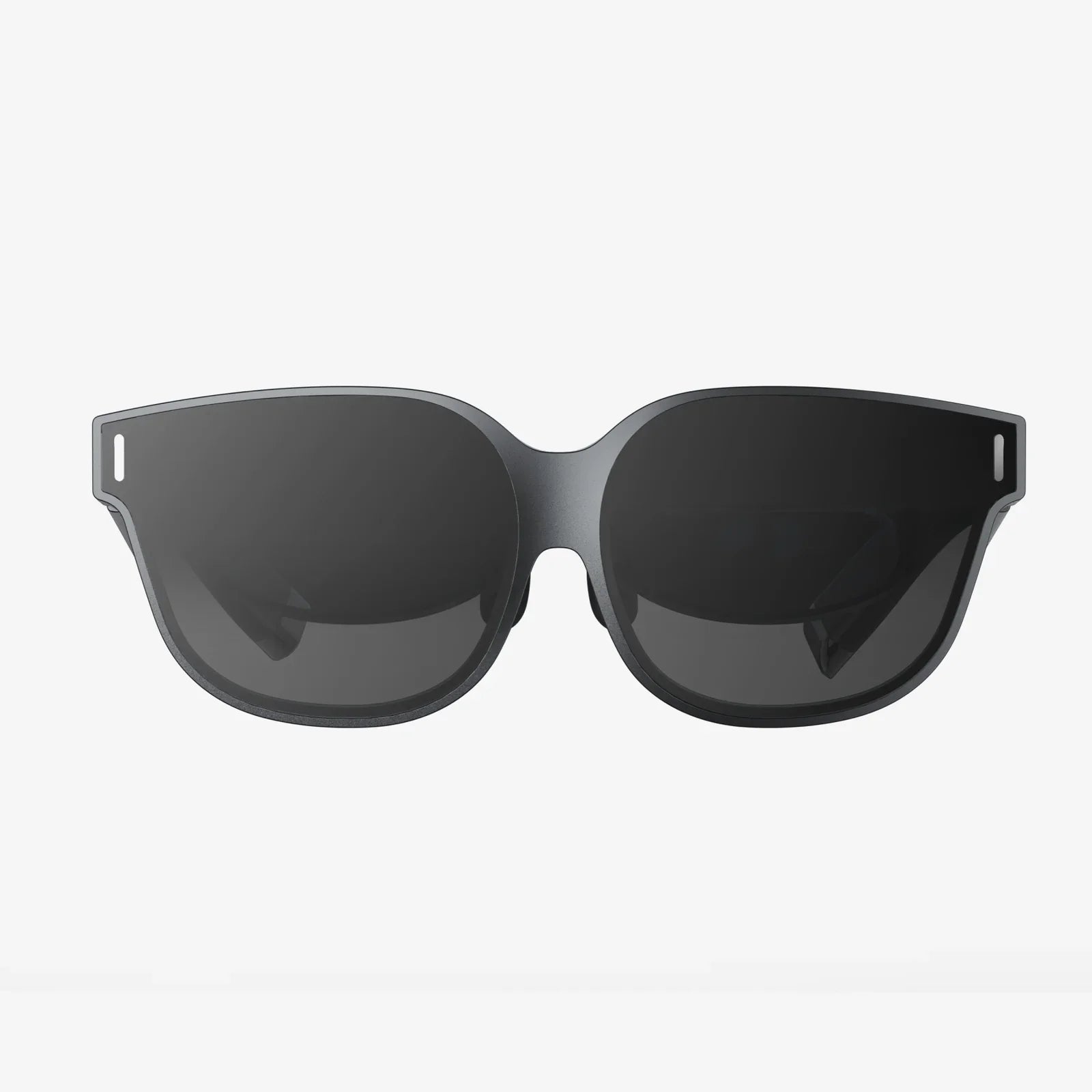
vr augmented reality is no longer a distant sci-fi dream; it is rapidly becoming the most powerful way to change how you see, feel, and interact with the world. From stepping into fully immersive virtual universes to overlaying digital information on your living room, this technology is quietly rewriting how we play, learn, work, and connect. If you have ever wondered whether you should pay attention to this shift, the answer is yes: the way you experience reality is about to change, and you do not want to be the last one to catch up.
To understand why vr augmented reality matters, it helps to break down what these terms actually mean and how they work together. Virtual reality (VR) places you inside a completely digital environment, shutting out the physical world and replacing it with a simulated one. Augmented reality (AR), on the other hand, keeps you grounded in the real world while layering digital images, text, and 3D objects over what you see. Together, they form a spectrum often called extended reality, where the real and the digital blend in increasingly seamless ways.
The Foundations: How VR and AR Actually Work
At the core of vr augmented reality experiences are a few key technologies. Understanding them makes it easier to see why this field is expanding so quickly and where it might go next.
Headsets, Displays, and Wearables
VR typically relies on a headset that covers your eyes, blocking out the physical environment and replacing it with high-resolution screens. Inside the headset, lenses adjust the images so they appear three-dimensional and distant, even though they are just inches from your eyes. Many VR headsets also include built-in audio to deepen the sense of immersion.
AR can use several types of devices. Some experiences run on smartphones or tablets, using the camera to capture your surroundings and then overlaying digital objects on the screen. More advanced AR uses transparent or semi-transparent smart glasses or headsets that let you see the real world directly while projecting digital content onto your field of view.
Tracking, Sensors, and Spatial Awareness
To feel convincing, vr augmented reality must know where you are and how you move. This is where tracking and sensors come in. Gyroscopes, accelerometers, and cameras measure the position and orientation of your head and hands. Some systems use external sensors placed around a room, while others rely on cameras built into the headset to map the environment.
AR adds another layer: spatial awareness. The system must recognize surfaces, distances, and objects in the real world so that digital content appears anchored in place. For example, a virtual chair should stay on your floor as you walk around it, not slide across the room. This is achieved through computer vision, depth sensing, and real-time mapping algorithms.
Interaction: From Controllers to Hand and Eye Tracking
Interaction is what transforms vr augmented reality from a passive display into a living environment. Many VR systems use handheld controllers that track your movements and translate them into the virtual world. You can pick up objects, press buttons, or draw in the air.
More advanced systems offer hand tracking, detecting your fingers and gestures without physical controllers. Some also incorporate eye tracking, allowing the system to know exactly where you are looking. This enables more natural interfaces, such as selecting items by simply staring at them or making digital characters respond to your gaze.
VR and AR Across the Immersive Spectrum
vr augmented reality is best thought of as a continuum rather than two separate boxes. At one end, you have pure VR, where everything you see and hear is generated by a computer. At the other end, you have subtle AR overlays that simply add information to your normal view.
Between those extremes is mixed reality, where digital objects and real-world elements interact dynamically. For instance, a virtual character might walk behind your couch and disappear from view, respecting the physical layout of your room. As hardware and software improve, these experiences are blending more seamlessly, making it harder to distinguish where the real ends and the virtual begins.
Gaming and Entertainment: The First Wave of Adoption
Gaming has been the most visible entry point for vr augmented reality. It is easy to see why: games are interactive, visually rich, and benefit enormously from immersion. VR gaming lets you step directly into the worlds that were once limited to flat screens. Instead of pressing keys to swing a sword or fire a blaster, you physically swing your arm or aim with your hands.
AR gaming takes a different approach. Rather than transporting you elsewhere, it transforms your existing environment into a playground. Digital creatures can appear in your backyard, puzzle elements can float above your kitchen table, and collaborative games can span both physical and virtual spaces. Because AR can run on devices many people already own, it lowers the barrier to entry and introduces immersive concepts to a wider audience.
Beyond games, vr augmented reality is reshaping entertainment more broadly. Virtual concerts let fans stand inches away from performers without leaving home. Immersive films and experiences place you inside the story, letting you look around freely and sometimes influence the narrative. Virtual theaters and social spaces host events, screenings, and meetups, blurring the line between watching and participating.
Work and Collaboration: The New Digital Office
While games may grab the headlines, the workplace is where vr augmented reality could quietly have its deepest impact. Remote work has already made video calls and shared documents commonplace, but these tools are still inherently flat. VR and AR promise to add depth, presence, and spatial context to digital collaboration.
Virtual Offices and Meeting Rooms
Imagine slipping on a headset and instantly finding yourself in a shared virtual office with colleagues from around the world. Instead of staring at a grid of faces on a screen, you are seated around a virtual table, able to turn your head to address different people, use hand gestures, and stand up to present. Avatars can mirror your movements and facial expressions, making interactions feel more natural and less tiring than traditional video calls.
These virtual spaces can be customized to suit the task: a boardroom for strategy sessions, a workshop for brainstorming, or a design studio filled with 3D models. The key advantage is flexibility. You can scale the room to any size, rearrange furniture with a gesture, or pull up data visualizations in midair for everyone to see.
Augmented Reality in Everyday Workflows
AR is particularly powerful when it comes to hands-on work. Technicians can wear AR glasses that overlay instructions directly onto machinery, highlighting the exact parts to inspect or replace. This reduces errors, speeds up training, and allows less experienced workers to handle complex tasks with guidance.
In logistics and warehousing, AR can show pickers the most efficient route through a facility and visually mark the correct shelves and packages. In construction and architecture, AR can project building plans onto the actual site, helping teams verify that what is being built matches the design before costly mistakes occur.
Remote Assistance and Expert Support
One of the most practical uses of vr augmented reality in the workplace is remote assistance. A field worker can stream their view to an expert who may be thousands of miles away. The expert can then draw annotations, arrows, or notes that appear in the worker’s AR view, guiding them step by step. This approach saves travel time, reduces downtime, and allows specialized knowledge to be shared more efficiently.
Education and Training: Learning by Doing, Virtually
Education is another area where vr augmented reality shines, because it transforms abstract concepts into tangible experiences. Instead of reading about historical events, students can stand in the middle of them. Instead of memorizing diagrams of the human body, they can walk around a virtual model, zooming in and out to explore organs and systems in 3D.
Immersive Classrooms and Virtual Field Trips
VR can turn any lesson into an immersive journey. Geography classes can visit distant landscapes without leaving the school. Science classes can shrink down to explore the interior of a cell or travel through space to study planets up close. History lessons can be enriched by standing inside ancient cities, hearing ambient sounds, and observing daily life as it might have been.
These experiences do more than entertain; they tap into the brain’s preference for spatial and experiential learning. When students feel as if they have been somewhere or done something, they are more likely to remember and understand it.
Skill Training and Simulations
For technical and vocational training, vr augmented reality offers safe, repeatable practice environments. Trainees can simulate operating heavy machinery, performing complex procedures, or responding to emergencies without real-world risks. Mistakes become learning opportunities instead of expensive or dangerous incidents.
AR supplements this by providing real-time guidance during actual tasks. For example, a trainee mechanic might practice in VR, then later use AR overlays on real vehicles to reinforce what they learned. This combination of simulated and real-world practice can shorten learning curves and improve competence.
Healthcare: From Therapy to Surgery
Healthcare is already seeing powerful applications of vr augmented reality. Because medicine is both highly visual and highly procedural, immersive technologies are a natural fit.
Surgical Planning and Guidance
Surgeons can use VR to study detailed 3D models of a patient’s anatomy created from medical scans. This allows them to rehearse complex procedures, explore different approaches, and anticipate potential complications before entering the operating room.
During surgery, AR can overlay critical information directly onto the surgeon’s field of view. Blood vessels, tumors, or internal structures can be highlighted, helping the surgeon navigate with greater precision. This reduces the need to constantly look away at separate monitors and can improve safety and outcomes.
Rehabilitation and Physical Therapy
VR-based rehabilitation programs can turn repetitive exercises into engaging activities. Patients recovering from injuries or strokes can perform movements in a virtual environment that responds and rewards progress. This can increase motivation and adherence to rehabilitation plans.
AR can assist physical therapists by tracking a patient’s movements and providing real-time feedback, ensuring that exercises are performed correctly. Patients can even continue their therapy at home with guided AR sessions, while therapists monitor their progress remotely.
Mental Health and Exposure Therapy
VR is also being used in mental health treatment, particularly for exposure therapy. Patients with phobias, anxiety, or post-traumatic stress can gradually confront triggering situations in a controlled virtual environment. Therapists can adjust the intensity, monitor reactions, and guide patients through coping strategies.
Because the brain often responds to virtual stimuli as if they were real, these sessions can be highly effective while still providing a safe and adjustable setting.
Social Interaction and Shared Virtual Spaces
One of the most intriguing aspects of vr augmented reality is its potential to change how people meet and interact. Social platforms in VR create shared virtual spaces where users appear as avatars, talk in real time, and engage in activities together.
These spaces can be anything from realistic meeting rooms to fantastical landscapes. Friends can watch movies together in a virtual theater, attend live events, or simply hang out in a virtual lounge. Because voice, gestures, and spatial audio are involved, these interactions can feel more natural and embodied than traditional text or video chats.
AR adds another dimension by enhancing physical gatherings. Imagine wearing AR glasses at a party that show you contextual information about the music, interactive art on the walls, or translation overlays during conversations with someone who speaks a different language. Shared AR experiences can make events more engaging and inclusive.
Retail, Shopping, and Consumer Experiences
vr augmented reality is also reshaping how people discover and evaluate products. In VR, virtual showrooms let you explore items in a fully digital store, walking around displays and inspecting products from all angles. This can be especially useful for large items such as furniture or vehicles, where scale and presence matter.
AR goes a step further by bringing products into your own environment. You can place a virtual sofa in your living room to see if it fits, try on digital clothing or accessories using your device’s camera, or preview how a new paint color will look on your walls. This reduces uncertainty and can make online shopping more confident and satisfying.
Retailers can also use AR in physical stores to provide additional information when customers point their phones at products. Nutritional details, usage tips, or complementary items can appear instantly. This bridges the gap between in-store browsing and digital convenience.
Key Challenges Facing VR and AR Adoption
Despite all the promise, vr augmented reality still faces significant challenges before it becomes as common as smartphones or laptops. Understanding these obstacles helps explain why adoption is steady but not yet universal.
Hardware Comfort and Accessibility
Headsets must balance performance with comfort. Early devices were often heavy, tethered by cables, and prone to causing fatigue after short sessions. Newer models are lighter and more ergonomic, but extended use can still be tiring for some people.
Visual comfort is another issue. Motion sickness can occur when what you see does not perfectly match what your inner ear senses. Improving tracking, frame rates, and visual stability helps, but not everyone adapts at the same pace. Making devices accessible to people with different vision and mobility needs is also an ongoing challenge.
Content Quality and Variety
Hardware alone is not enough; people need compelling reasons to use it. High-quality content for vr augmented reality takes time and expertise to create. Developers must think in three dimensions, design intuitive interactions, and optimize for performance on specialized hardware.
As more creators learn these skills and tools become more user-friendly, the variety and quality of experiences will grow. For now, some users still see immersive devices as niche gadgets rather than essential tools, largely because they have not yet encountered experiences that truly fit their daily needs.
Privacy, Safety, and Ethics
Immersive technologies raise serious questions about privacy and safety. VR and AR devices can collect detailed data about your movements, gestures, environment, and even eye patterns. This information could reveal intimate details about your preferences, habits, and emotional responses.
Protecting this data is crucial. Clear policies, strong encryption, and transparent user controls are needed to prevent misuse. There are also concerns about psychological effects, such as addiction, detachment from reality, or exposure to harmful content in deeply immersive ways. Developers, policymakers, and users must work together to establish healthy norms and safeguards.
Designing for Human Beings, Not Just Technology
For vr augmented reality to reach its full potential, designers must focus on human needs rather than technical novelty. This means creating experiences that respect attention spans, minimize discomfort, and enhance rather than replace meaningful real-world interactions.
Good immersive design considers accessibility from the start. Interfaces should be usable by people who cannot stand for long periods, who have limited range of motion, or who rely on assistive technologies. Text should be legible, controls should be intuitive, and experiences should offer adjustable comfort settings.
There is also a growing recognition that not every task benefits from full immersion. Sometimes a simple AR overlay on a phone is more practical than a full VR simulation. The best solutions will emerge from thoughtful matching of the technology to the problem, not from forcing immersion where it is not needed.
The Future: Toward a Seamless Blend of Real and Virtual
Looking ahead, vr augmented reality is likely to become more subtle and more integrated into everyday life. Headsets and glasses will get lighter, displays sharper, and tracking more precise. Battery life will improve, and wireless connectivity will become faster and more reliable, making immersive experiences more convenient and spontaneous.
One major trend is the move toward persistent digital layers over the physical world. Imagine walking through a city where your AR glasses show you real-time navigation, contextual information about buildings, and personalized recommendations for nearby experiences. Digital art, games, and utilities could be anchored to specific locations, turning the world into a canvas for shared experiences.
At the same time, VR will continue to evolve as a place for deep focus, creativity, and social connection. Virtual workspaces may become as common as email, and immersive learning may be a standard part of education and professional development. As these technologies mature, the distinction between being "online" and "offline" will blur; you will simply move along a spectrum of immersion depending on what you are doing.
How You Can Prepare and Get Involved
You do not need to become an engineer to benefit from vr augmented reality, but you can start positioning yourself now for a future where immersive experiences are normal. Explore entry-level VR or AR apps on devices you already own to get a feel for what is possible. Pay attention to how these experiences make you feel: what is comfortable, what is confusing, and what genuinely enhances your tasks or entertainment.
If you work in a field like education, healthcare, design, manufacturing, or entertainment, consider how immersive tools might solve existing problems or open new opportunities. Even simple pilots, such as virtual tours or AR instructions, can reveal insights about what your audience or team finds valuable.
Most importantly, stay curious and critical. Ask how data is being used, how inclusive designs are, and whether an immersive solution truly improves on existing methods. By engaging thoughtfully rather than passively, you can help shape a future where vr augmented reality enriches human experience instead of distracting from it.
The next wave of digital transformation will not just change the tools you use; it will change the very space in which you use them. vr augmented reality is turning screens into worlds and information into something you can walk around, touch, and share. Whether you are a creator, a professional, a student, or simply someone who loves discovering what is next, this is your moment to step beyond flat interfaces and into a reality that is bigger, smarter, and more alive than ever before.
共有:
Aura Frames And The New Era Of Digital Photo Memories
vr glasses for android: The Complete 2025 Buyer’s and Setup Guide