


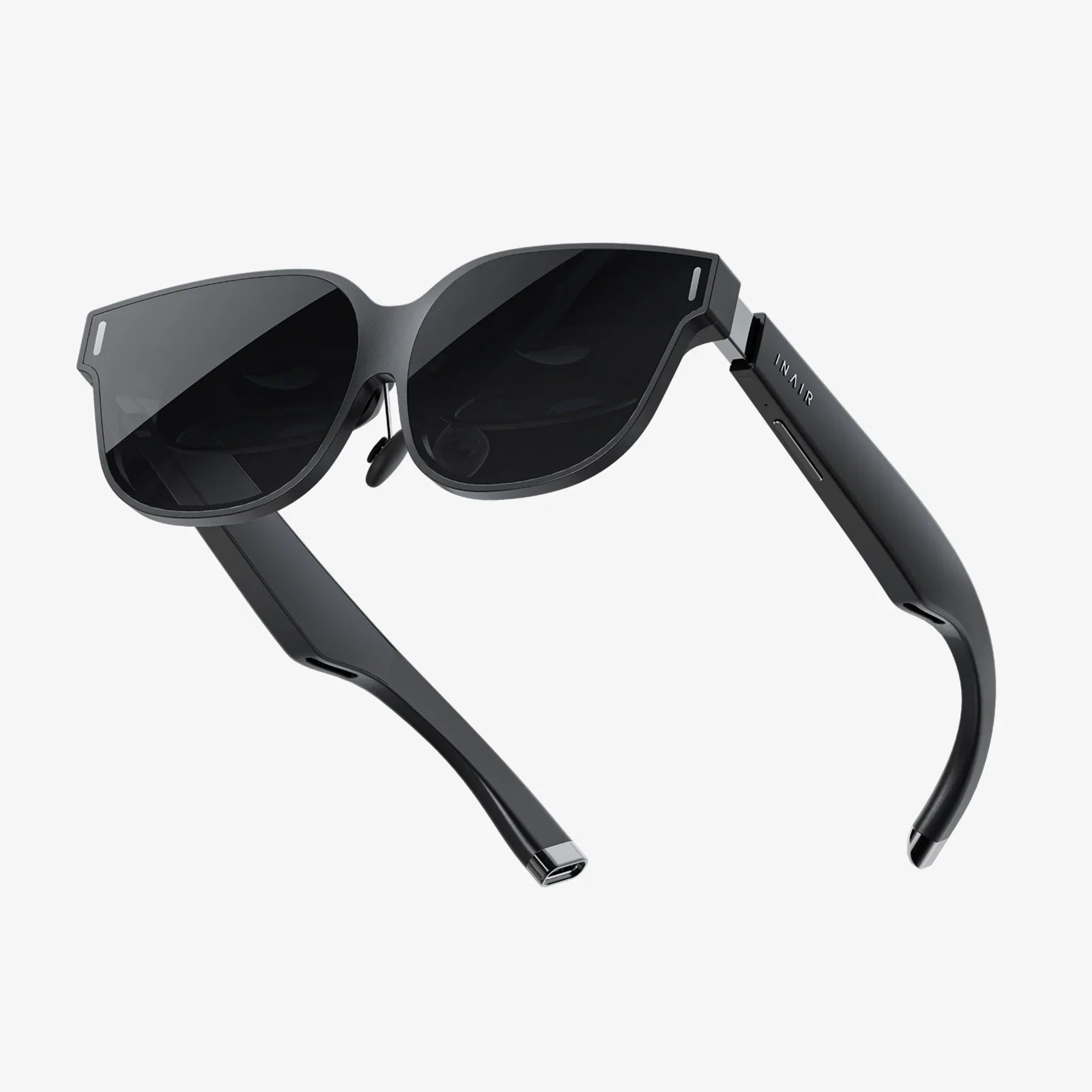
Imagine a world where the screen before you is not just a window to another reality, but a portal you can almost step through, where images leap out with palpable depth and dimension. This is the siren call of 3D video, a technology that has fascinated and frustrated audiences for decades. Yet, for every thrilling moment of depth, there is the timeless, elegant simplicity of 2D—the foundational language of cinema and television that has told our greatest stories for over a century. The choice between 2D and 3D is more than a technical preference; it's a philosophical debate about how we perceive art, absorb narratives, and connect with the moving image. This deep dive goes beyond the glasses to explore the heart of the dimensional divide, examining the science, the psychology, and the sheer spectacle of it all.
The Foundational Divide: Defining Dimensions
At its most fundamental level, the difference between 2D and 3D video is a question of how visual information is captured and presented to trick the human brain into perceiving depth.
Two-Dimensional (2D) Video: This is the format we are all intimately familiar with. A 2D video presents a flat image on a flat screen. It has height and width, but no true depth. The illusion of depth is created artistically by filmmakers using techniques like relative object size, parallax (where closer objects move faster than distant ones), lighting, shadows, and perspective. Our brains are exceptionally good at interpreting these visual cues to understand the spatial relationships within the scene. A character standing in front of a mountain is understood to be closer to us because they appear larger, even though both the character and the mountain are on the same flat plane of the screen.
Three-Dimensional (3D) Video: 3D video actively replicates the way human binocular vision works. We have two eyes, spaced approximately two-and-a-half inches apart. Each eye sees a slightly different image, and our brain merges these two separate images into one, calculating the differences to perceive depth. 3D video mimics this process.
- Capture: It is typically filmed with a special rig that uses two camera lenses, spaced to approximate human eyes, to record two slightly offset images simultaneously.
- Presentation: To recreate the effect for a viewer, these two different images must be delivered separately to the left and right eyes. This is achieved through various technologies:
- Anaglyph 3D (The Classic Red/Cyan Glasses): The two images are superimposed on the screen but filtered through complementary colors. The glasses have colored lenses that filter out one image for each eye. While inexpensive, this method often compromises color fidelity.
- Polarized 3D (Common in Modern Cinemas): The two images are projected with different light polarizations. The glasses have lenses that are polarized to match, allowing each eye to see only its intended image. This allows for full-color viewing.
- Active Shutter 3D (Used for Some Home Theaters): The screen displays the left-eye and right-eye images in rapid alternation. Battery-powered glasses synchronize with the screen, using LCD lenses that black out one eye at a time, so fast that the brain fuses the sequence into a single, continuous 3D image.
The core technological mission of 3D is to artificially induce the physiological experience of depth perception that 2D can only suggest through artistic convention.
A Brief History of Depth: The Ebb and Flow of 3D
The battle between 2D and 3D is not new. It's a cycle of boom and bust that has repeated itself throughout film history.
The first major 3D boom occurred in the early 1950s. With the rise of television threatening cinema attendance, Hollywood desperately needed a gimmick to get people back into theaters. Films like Bwana Devil (1952) and the iconic House of Wax (1953) promised a sensational new experience. The era was defined by its technological limitations—often poor alignment of the two film reels leading to eye strain and headaches—and its genre focus, heavily favoring horror and spectacle films where things could be thrust at the audience for a cheap thrill. The novelty wore off quickly, and by the mid-1950s, the fad had largely subsided, leaving 2D as the unchallenged king.
The second wave arrived in the 1980s and early 1990s, again capitalizing on a novelty factor. This period saw sequels like Jaws 3-D and Friday the 13th Part III in 3D, alongside IMAX documentaries exploring the natural world in depth. The technology improved but was still largely seen as a gimmick rather than a legitimate storytelling tool.
The modern era of 3D was unequivocally launched by the massive critical and commercial success of Avatar (2009). Director James Cameron didn't use 3D as a mere gag; he used it for immersion, building a world that felt tangible and alive. The film's unprecedented box office success convinced every major studio to hastily convert their upcoming blockbusters into 3D. This led to a gold rush, but also a crisis of quality. Many films underwent post-production conversion, a process often rushed and done cheaply, resulting in a dark, dim, and sometimes nauseating experience that gave 3D a bad name. The home market also embraced 3D televisions, but the format failed to catch on, requiring expensive equipment and glasses that consumers largely rejected for everyday viewing.
Today, 3D in cinema has found a more stable, albeit niche, role. It thrives primarily in big-budget spectacles (especially in the superhero and action genres) and in the family animation market, where directors often plan for the format from the outset. The technology in premium large-format theaters (like IMAX with laser and Dolby Cinema) is vastly superior, offering brighter images and a more comfortable experience. However, 2D remains the default, standard format for the vast majority of content, from arthouse films to television series to online videos.
The Viewer Experience: Immersion vs. Comfort
The most immediate difference for any audience member is the experiential divide between the two formats.
The Case for 3D: The Allure of Immersion
When executed well, 3D's primary strength is its ability to create a profound sense of immersion and presence. It can pull the viewer into the world of the film in a uniquely visceral way.
- Enhanced Depth and Scale: A well-composed 3D shot can create a breathtaking sense of scale. The vastness of space in Gravity, the floating mountains of Pandora in Avatar, or the dizzying heights of a skyscraper in a superhero film feel more real and awe-inspiring.
- Visual Clarity and Layering: Skilled directors can use depth to guide the viewer's eye and separate foreground action from background detail, adding a new layer of visual composition.
- Emotional Connection: By making a environment feel more tangible, 3D can theoretically enhance emotional resonance. Being "closer" to the characters and their world can make the narrative feel more immediate.
The Case for 2D: The Beauty of Simplicity
2D offers a timeless, straightforward, and often more comfortable viewing experience that prioritizes the story over the spectacle.
- Visual Brilliance and Color: Even with modern advancements, 3D projection requires polarized filters that significantly reduce the brightness and can sometimes dilute the color saturation of the image. 2D projects a brighter, richer, and more vibrant picture exactly as the cinematographer intended.
- Unobstructed Viewing: 2D requires no intermediary technology. There are no glasses to wear, which can be uncomfortable for some, especially over those with prescription eyewear. It eliminates the potential for headaches, eye strain, or vertigo that poorly executed 3D can induce.
- Focus on Narrative: By removing the "wow" factor of depth, 2D allows the viewer to focus purely on the elements of storytelling: performance, composition, editing, and dialogue. The film becomes a window to observe, not a space to inhabit, which many argue is the true purpose of cinema.
- Accessibility and Ubiquity: 2D is universally accessible. It is the standard for all home viewing, streaming services, and television broadcasts. It is the common language of visual media.
The Art of Storytelling: How Dimension Shapes Narrative
The choice between 2D and 3D is not just technical; it's a directorial decision that impacts how a story is told. Some stories are enhanced by depth, while others are betrayed by it.
3D as a Narrative Tool: The most successful 3D films are those where the format is integral to the theme and plot. In Gravity, the terrifying emptiness of space and the characters' disorientation are central to the narrative; 3D is the perfect vehicle to convey that feeling to the audience. In Hugo, Martin Scorsese used 3D not for gimmicks but to recreate the magical, dreamlike quality of early cinema and to draw viewers into the intricate clockwork world of its young protagonist. For these films, 3D is not an add-on; it is part of the film's DNA.
2D's Narrative Neutrality: The vast majority of stories do not benefit from an added dimension. A intimate drama, a witty comedy, or a dialogue-heavy thriller gains nothing from objects flying at the screen. The flat canvas of 2D is a neutral ground upon which any story can be painted. It is the director's mastery of framing, lighting, and movement within that two-dimensional space that creates meaning and emotion. The powerful performances in a film like Manchester by the Sea or the meticulous compositions in a Wes Anderson movie would be distracted by, not enhanced by, artificial depth.
The Economic Equation: Cost, Value, and Market Forces
The production and distribution of 3D video come with a significant financial premium that has heavily influenced its adoption.
- Production Costs: Filming in native 3D requires specialized, heavier, and more expensive camera rigs and requires a crew with specific expertise. Post-production conversion, if done well, is a painstaking and costly process involving rotoscoping and depth mapping by teams of artists. A bad conversion is cheap and looks it.
- Exhibition Costs: Movie theaters must invest in expensive digital projectors capable of displaying 3D, along with stacks of glasses that require cleaning and maintenance. This cost is passed on to the consumer in the form of higher ticket prices.
- The Value Proposition: For studios, 3D has been a lucrative way to increase per-ticket revenue. For audiences, the decision is whether the potential for a more immersive experience is worth the extra cost and the hassle of glasses. For many, the answer has been a resounding "no," leading to a decline in 3D's popularity outside of specific event films.
The Future is Not Flat: Beyond Glasses and Gimmicks
The dimensional debate is far from over. It is simply evolving. The next frontier is moving beyond the screen entirely, towards technologies that make the 2D vs. 3D debate seem quaint.
Autostereoscopy (Glasses-Free 3D): The holy grail of 3D viewing has always been a technology that delivers depth without the need for glasses. While early attempts on devices like the Nintendo 3DS were flawed, advancements in lenticular lenses and eye-tracking technology are making this more feasible. Future screens could potentially project different images depending on the viewer's angle of perspective, creating a convincing 3D effect for multiple people without accessories.
Virtual Reality (VR) and Augmented Reality (AR): VR represents the ultimate extension of 3D's immersive promise. Instead of looking at a world with depth, VR places you inside it, with a full 360-degree field of view and head tracking. It is the complete negation of the traditional "screen." AR, meanwhile, overlays digital 3D information onto our real world. These technologies represent a fundamental shift from passive viewing to active experience, making the current 3D vs. 2D discussion part of a much larger conversation about the future of media consumption.
High Dynamic Range (HDR) and Resolution: While 3D adds depth, the industry's parallel push has been towards enhancing the 2D image with incredible clarity. 4K, 8K, and especially HDR—which expands the range of contrast and color—create a stunningly vibrant and realistic image that often provides a more satisfying visual experience than a dim 3D presentation. For many, this path of enhancing the existing 2D canvas is more compelling than adding a dimension.
So, who wins the ultimate showdown between 2D and 3D video? The answer is not a victor but a truce. 3D has carved out its territory as a specialized tool for specific types of event cinema, offering unparalleled immersion when used with artistic intent and cutting-edge technology. Meanwhile, 2D remains the undisputed champion of universal storytelling—brilliant, accessible, and focused on the narrative heart of a film. The choice is not about which is objectively better, but about what you seek from the experience. Do you want to be awestruck by a world you can almost touch, or do you want to lean in and lose yourself in a story told on a timeless, perfect canvas? The dimension of your next adventure is, wonderfully, entirely yours to choose.
Share:
Best AI Product Recommendation Tool: Your Ultimate Guide to Smarter Shopping
Future of Computing Technology: A Journey Beyond the Silicon Horizon