


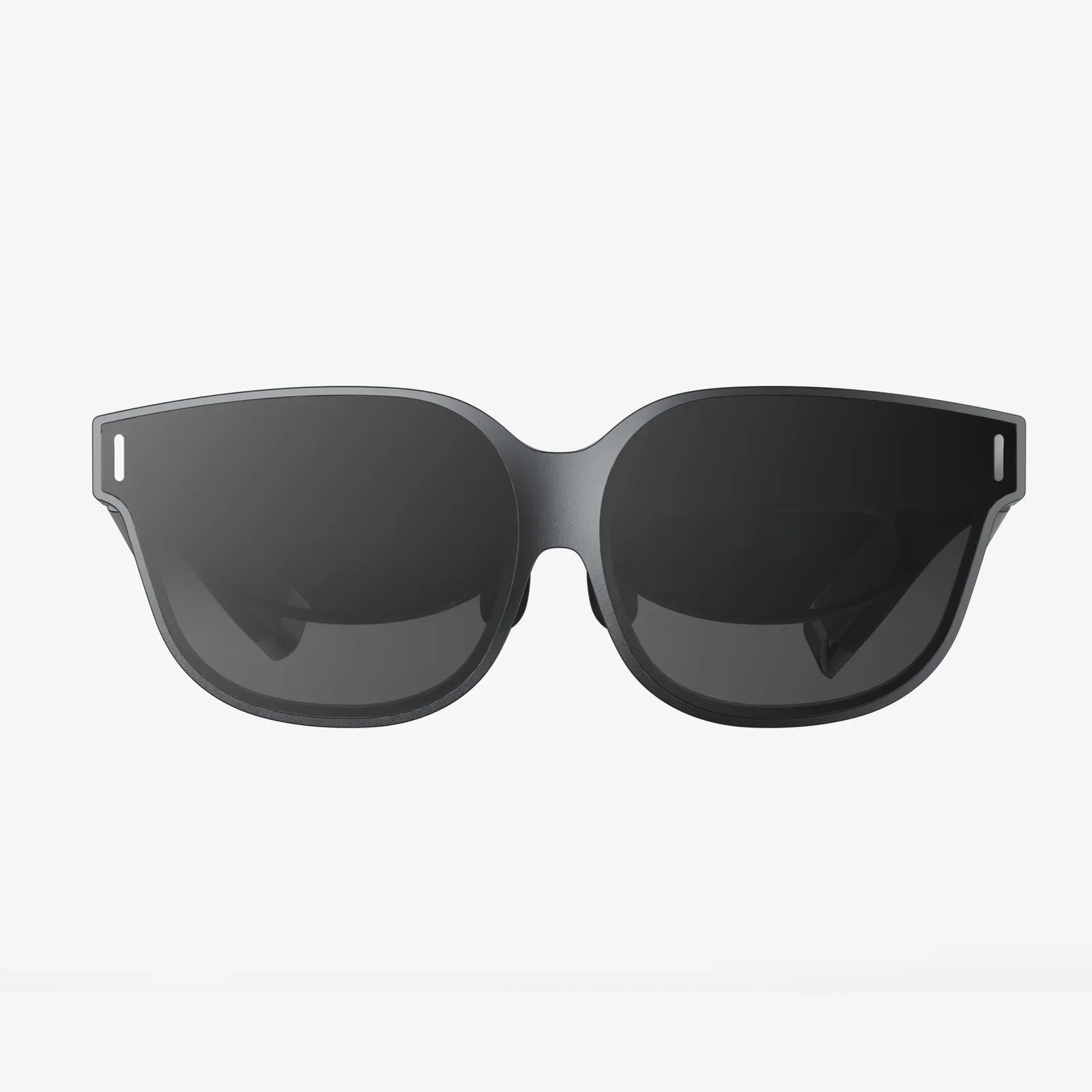
- by wangfred
3 glasses project for smarter vision, health, and productivity
- by wangfred
If you could transform your daily comfort, protect your long-term vision, and boost your productivity with one simple strategy, would you try it? That is exactly what the 3 glasses project aims to do: turn something you already use every day into a powerful system for better focus, healthier eyes, and more energized living.
The 3 glasses project is not about buying expensive gadgets or chasing trends. It is a practical, structured approach to using three distinct types of eyewear throughout your day, each with a clear purpose: one for daytime clarity and protection, one for screen-heavy work and digital balance, and one for evening calm and sleep-friendly routines. When you combine them thoughtfully, you create an environment that supports your eyes, your brain, and your overall performance.
This method is especially useful in a world where most people spend hours staring at screens, under harsh indoor lighting, and dealing with eye strain, headaches, and poor sleep. Instead of reacting to these problems after they appear, the 3 glasses project helps you build a proactive system that prevents many of them from taking hold in the first place.
The 3 glasses project is a lifestyle framework built around three core roles that eyewear can play in your daily life:
Instead of treating glasses as a single, static tool, this project treats them as a dynamic system. Each pair is chosen and used according to time of day, activity, and environment. The result is less strain, more comfort, and a subtle but powerful improvement in how you feel and perform.
Many people think of glasses as a simple fix for blurry vision. You get a prescription, wear one pair all day, and that is the end of the story. But modern life is more complex than that. We move between bright outdoor light, dim indoor spaces, high-glare screens, and late-night scrolling. A single, all-purpose pair of glasses rarely handles all of these conditions well.
Common problems that arise from this one-size-fits-all approach include:
The 3 glasses project addresses these issues by recognizing that your eyes have different needs at different times. Just as you would not wear the same shoes for running, working in an office, and going to a formal event, it makes sense to match your eyewear to your environment and activities.
At the heart of the 3 glasses project are three functional roles. You can adapt them to your own prescription and preferences, but the underlying goals remain the same.
The first role in the 3 glasses project focuses on the hours when natural light is strongest and you are most active. This pair is designed to give you:
Key considerations for this role include:
In the 3 glasses project, this daytime pair is your "default" for active hours. It is the pair you reach for when you leave the house, go to work, or run errands. Its mission is to support your mobility, awareness, and safety while minimizing fatigue.
The second role in the 3 glasses project targets one of the biggest stresses on modern eyes: digital screens. Whether you work on a laptop, spend hours on a phone, or manage multiple monitors, your eyes are doing a lot of close-up, repetitive focusing work.
This pair is optimized for:
Important design choices for this role include:
In the 3 glasses project, this is your "focus" pair. You put it on when you sit down to work, study, or do any extended digital task. Over time, your brain learns to associate this pair with deep work and concentration, which can also support better productivity habits.
The third role in the 3 glasses project is all about winding down. Evening is when many people feel the accumulated strain of the day: dry eyes, tension, and mental fatigue. It is also when screen use can interfere most with natural sleep rhythms.
This pair is designed to:
Helpful features for this role include:
Within the 3 glasses project, this is your "recovery" pair. It is less about performance and more about restoration. Using it consistently can help you separate intense work time from gentle, restorative evening time.
While the 3 glasses project is highly practical, it also has a strong foundation in protecting your long-term eye health. Each role addresses specific risks and stressors that accumulate over years.
Here is how this system supports healthier eyes:
The project does not replace professional care. Regular eye exams remain essential. Instead, this approach amplifies the benefits of professional guidance by turning your glasses into a coordinated, daily system rather than a single, blunt tool.
One of the most compelling benefits of the 3 glasses project is its impact on productivity. It does this in two main ways: by reducing friction and by reinforcing routines.
1. Less friction, more focus
When your eyes are comfortable, you can stay focused longer and switch tasks more smoothly. Instead of losing time to discomfort, rubbing your eyes, or taking frequent breaks just to rest your vision, you can work in longer, more effective blocks.
The screen-focused pair in this project is particularly powerful. It is optimized for the exact distance and conditions of your work environment, which makes reading, editing, and detailed tasks feel more natural and less tiring.
2. Routine reinforcement
The 3 glasses project also acts as a behavioral framework. Each pair becomes a physical cue for a certain type of activity:
Over time, simply putting on a specific pair can help you mentally shift gears. This reduces the mental effort required to start working, stop working, or begin relaxing. That kind of environmental cue is a well-known tool in habit formation and productivity systems.
The beauty of the 3 glasses project is that it is flexible. You do not need a complex collection of eyewear to start. You simply need to define three roles and assign the best available pair to each one. As you learn what works, you can refine your setup over time.
Begin by looking at a typical day and asking:
Write down the main blocks of your day: morning, midday, afternoon work, evening. Note the lighting, activities, and distances involved. This will guide how you assign roles to each pair of glasses.
You may already own more than one pair of glasses. For example, you might have:
Start by assigning a role to each:
This may not be perfect, but it gives you a practical starting point. The key is consistency: use each pair for its assigned role for at least a couple of weeks and observe how you feel.
As you live with your version of the 3 glasses project, pay attention to:
Use this feedback to refine your roles. You might discover that:
Over time, you can plan your next pair of glasses with these insights in mind, ensuring that each new pair strengthens your 3 glasses project instead of duplicating what you already have.
To get the full benefit of the 3 glasses project, treat it as part of your daily structure rather than an occasional experiment. You can do this by creating simple, repeatable routines tied to each pair.
In the morning, after basic hygiene and getting dressed, put on your daytime pair. This signals the start of your active hours. If you commute, walk, or exercise outdoors, this is the pair you keep on. Keep it near your keys, wallet, or bag so it becomes part of your automatic start-of-day sequence.
When you sit down at your desk or open your laptop, switch to your work pair. Make this part of a short ritual: clear your workspace, set your task list, adjust your chair and screen height, then change glasses. This small act helps separate "work mode" from everything else, making it easier to focus.
In the evening, especially one to two hours before bedtime, switch to your evening pair. Combine this with dimmer lighting, quieter activities, and shorter device sessions. Over time, your body will associate this combination with winding down, which can help you fall asleep more easily and sleep more deeply.
Adopting the 3 glasses project is straightforward, but a few obstacles may appear. Here is how to handle them.
At first, you may simply forget to change pairs at the right times. To fix this, try:
Switching glasses can feel like extra work until you experience the benefits. Remind yourself that this is a few seconds of effort in exchange for hours of potential comfort and productivity. Many people find that once the routine is established, it becomes automatic and no longer feels like a chore.
If you are concerned about cost, remember that the 3 glasses project does not require three brand new, high-priced pairs. You can:
Even a basic implementation of the project can offer noticeable benefits.
Almost anyone who uses glasses can benefit from a more intentional approach, but certain groups may see especially strong advantages from the 3 glasses project:
The 3 glasses project works best when combined with simple, proven eye-care habits. Together, they create a powerful foundation for long-term comfort and performance.
Consider adding these practices to your routine:
When you combine these habits with the structure of the 3 glasses project, you are no longer just reacting to discomfort. You are building a system that supports your eyes before problems appear.
At its core, the 3 glasses project is not just about eyewear. It is about taking control of an important part of your environment that most people ignore. Your visual world shapes your mood, productivity, and health more than you might realize. By dividing your day into three roles and matching each one with a dedicated pair of glasses, you are sending a clear message: your comfort and performance matter.
This mindset shift has ripple effects. You begin to notice how lighting affects your energy. You become more aware of how long you spend on screens. You pay attention to the difference between "on" time and "off" time. Over weeks and months, these small shifts add up to a more intentional, sustainable way of living and working.
The most compelling part of the 3 glasses project is that you can start today, with whatever you already own. You do not have to wait for a perfect setup. Assign roles to your current pairs, observe how you feel, and refine as you go. As you experience less strain, clearer focus, and calmer evenings, you will see why so many people are turning a simple accessory into a powerful system for better living. Your eyes are doing more work than ever before; the 3 glasses project is your chance to finally give them the structured support they deserve.