


Imagine standing atop Mount Everest, feeling a dizzying sense of altitude as you slowly turn to see the world fall away beneath you. Now, picture yourself not just watching a documentary about ancient Rome, but walking through its bustling forums, hearing the chatter of the crowd and looking up at the towering, newly constructed temples. This is the promise, the magic, and the sheer power of 360-degree virtual reality—a technology that doesn't just show you another world but convinces you that you are there. It’s the closest humanity has come to the holodeck, a portal to anywhere, anytime, and its implications are reshaping everything from entertainment to education, therapy to tourism. This isn't just a new way to view content; it's a fundamental shift in how we experience digital information and connect with stories, places, and each other.
The Core of the Experience: How 360-Degree VR Works
At its heart, 360-degree virtual reality is an elegantly simple concept: to completely replace a user's natural environment with a digital one, covering every direction of their field of view. But the technology that makes this possible is a complex symphony of hardware and software working in perfect harmony.
Capturing the World: The Art of 360-Degree Photography and Videography
The journey begins with capture. Unlike traditional filmmaking with a single-lens camera pointed in one direction, 360-degree content requires a full spherical view. This is typically achieved using a rig of multiple cameras, often with fisheye lenses, arranged to capture every angle simultaneously. Sophisticated software then stitches these individual feeds together into a single, seamless spherical video or image. The challenge of perfect stitching—ensuring no visible seams, mismatched colors, or temporal glitches—remains one of the biggest technical hurdles, a puzzle that engineers and artists solve frame by frame.
The Portal: Headsets and the Mechanics of Immersion
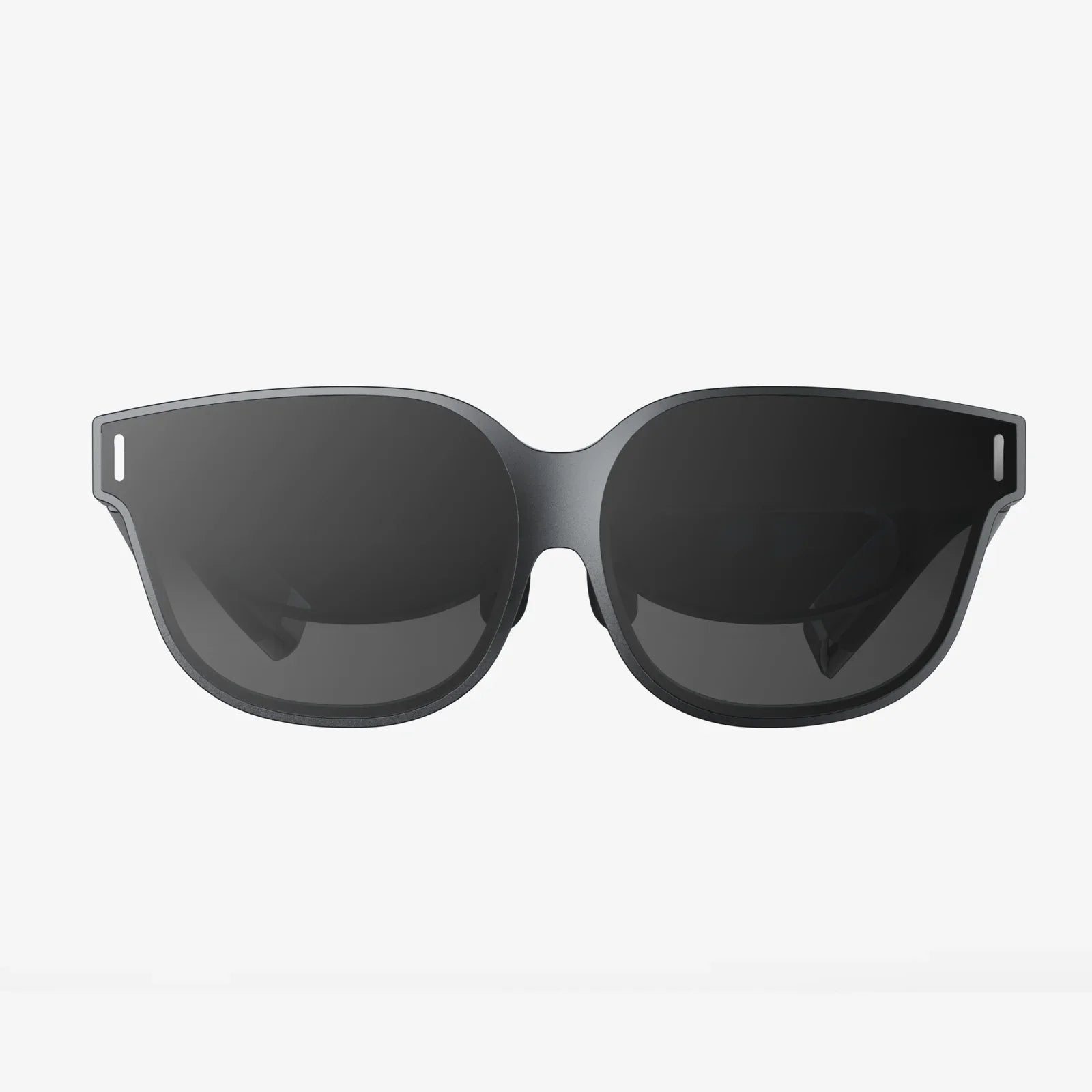
The captured sphere of content is then channeled through a head-mounted display (HMD). These devices are the critical gateway to the virtual world. They use a combination of high-resolution screens (one for each eye), lenses to focus and widen the field of view, and advanced tracking systems. This tracking is what separates true VR from simply watching a 360-video on a phone. Inside-out and outside-in tracking systems use cameras, gyroscopes, and accelerometers to monitor the precise movement of your head—up, down, left, right, and even the subtle tilt. This data is fed back to the software in real-time, which adjusts the perspective of the virtual environment accordingly. This 1:1 movement is the bedrock of presence—the visceral, brain-tricking feeling that you are actually in the virtual space.
Building Worlds from Scratch: Computer-Generated VR
Beyond captured video lies the realm of fully computer-generated VR. Here, artists and developers use game engines to build entire worlds from the ground up. This approach offers complete interactivity; you can not only look around but also pick up objects, push buttons, and manipulate the environment. This is the domain of immersive games, detailed architectural visualizations, and complex training simulations, where user agency is paramount. The line between captured and generated reality is increasingly blurring with photogrammetry, a technique where thousands of photographs of a real object or location are used to create a photorealistic 3D model, combining the authenticity of the real world with the interactivity of the digital one.
Beyond Gaming: The Expansive Applications of 360 VR
While often associated with gaming, the true potential of 360-degree virtual reality extends far beyond, infiltrating and enhancing a multitude of professional and personal fields.
Revolutionizing Education and Training
Imagine a medical student performing a delicate virtual surgery before ever touching a scalpel, or a history class not just reading about the pyramids but exploring their narrow passageways. VR provides a safe, scalable, and incredibly effective platform for experiential learning. It transforms abstract concepts into tangible experiences. Emergency responders can train for high-pressure disaster scenarios, mechanics can learn the intricacies of a new engine model, and astronauts can simulate spacewalks—all without risk, repetition, or enormous cost.
Transforming Real Estate and Architecture
The market for virtual property tours has exploded. Potential buyers or tenants can now walk through a property from anywhere in the world, getting a true sense of space, layout, and light that static photos or videos could never provide. For architects and developers, VR is an invaluable tool for client presentations and design validation. Walking through a full-scale model of a building before a single brick is laid allows for changes to be made easily and cheaply, saving millions in construction modifications.
Empowering Healthcare and Therapy
Therapeutic applications of VR are some of its most profound. It is being used for exposure therapy, helping patients with phobias (like fear of heights or flying) confront their triggers in a controlled, safe environment. It's a powerful tool for pain management, distracting burn victims during painful wound care procedures. Furthermore, VR experiences are being deployed to help patients with neurodegenerative diseases like Alzheimer's, using familiar virtual environments to stimulate memory and cognition.
Redefining Travel and Tourism
For those unable to travel due to physical or financial constraints, VR offers a compelling alternative. Museums offer virtual tours of their exhibits, national parks allow visitors to hike their trails remotely, and travel companies provide immersive previews of destinations and hotels. It's a powerful tool for both marketing and accessibility, democratizing experiences that were once out of reach for many.
Enhancing Remote Collaboration and Social Connection
The concept of the metaverse is predicated on social VR—shared virtual spaces where people can meet, collaborate, and socialize as if they were in the same room. Engineers from different continents can examine a 3D model of a product together, designers can brainstorm in a virtual workshop, and friends can watch a movie together in a virtual cinema. This has immense potential to make remote work more connected and effective and to foster social bonds across vast distances.
The Challenges on the Path to Ubiquity
Despite its incredible potential, 360-degree virtual reality is not without its significant hurdles. For the technology to move from an enthusiast's gadget to a mainstream staple, several barriers must be overcome.
The Technical Hurdles: Resolution, Latency, and Comfort
The screen-door effect—where users can see the fine lines between pixels—is becoming less of an issue with higher-resolution displays, but the pursuit of retinal clarity continues. More critically, latency—the delay between a user's head movement and the display updating—must be imperceptibly low to prevent motion sickness. This requires immense processing power. Furthermore, headsets need to become lighter, wireless, and more comfortable for extended use, eliminating the friction that prevents people from diving in regularly.
The Content Conundrum: Quality and Quantity
Hardware is useless without compelling software. While the library of VR experiences is growing, there is still a need for more high-quality, long-form content that justifies the investment in the technology. Creating premium 360-degree content or interactive VR experiences remains expensive and time-consuming, posing a challenge for creators and studios.
The Human Factor: Accessibility and the Digital Divide
Cost remains a primary barrier to entry. While more affordable options exist, a high-fidelity VR experience still requires a significant financial investment in hardware and a powerful computer. This creates a digital divide, limiting access to those who can afford it. Furthermore, issues of accessibility for users with different physical abilities are still being addressed, ensuring the technology can be enjoyed by all.
The Future is Spherical: What Lies Ahead?
The trajectory of 360-degree virtual reality points toward a future of even deeper immersion and seamless integration into daily life. We are moving toward varifocal displays that mimic the eye's natural focus, haptic feedback suits that let you feel virtual rain and wind, and brain-computer interfaces that could eventually allow us to navigate virtual spaces with our thoughts. The line between the physical and the digital will continue to erode, giving rise to new forms of art, new paradigms for communication, and new understandings of experience itself.
The ultimate destination for 360-degree virtual reality is not just better graphics or more comfortable headsets; it's presence—the flawless, unquestioning belief that you are somewhere else. It’s the technology's ability to evoke genuine emotion, to create memories of places you've never physically been, and to foster empathy by allowing you to literally see the world through another person's eyes. This is the true revolution. It’s a tool for connection, understanding, and exploration on a scale previously confined to the pages of science fiction. The door to countless new realities is now open, waiting for you to take that first step through and see what lies beyond.
Share:
Virtual Reality VR Headset Market: Navigating the Next Dimension of Consumer Technology
Immersive Virtual Reality Experience: Redefining Reality and Human Connection