


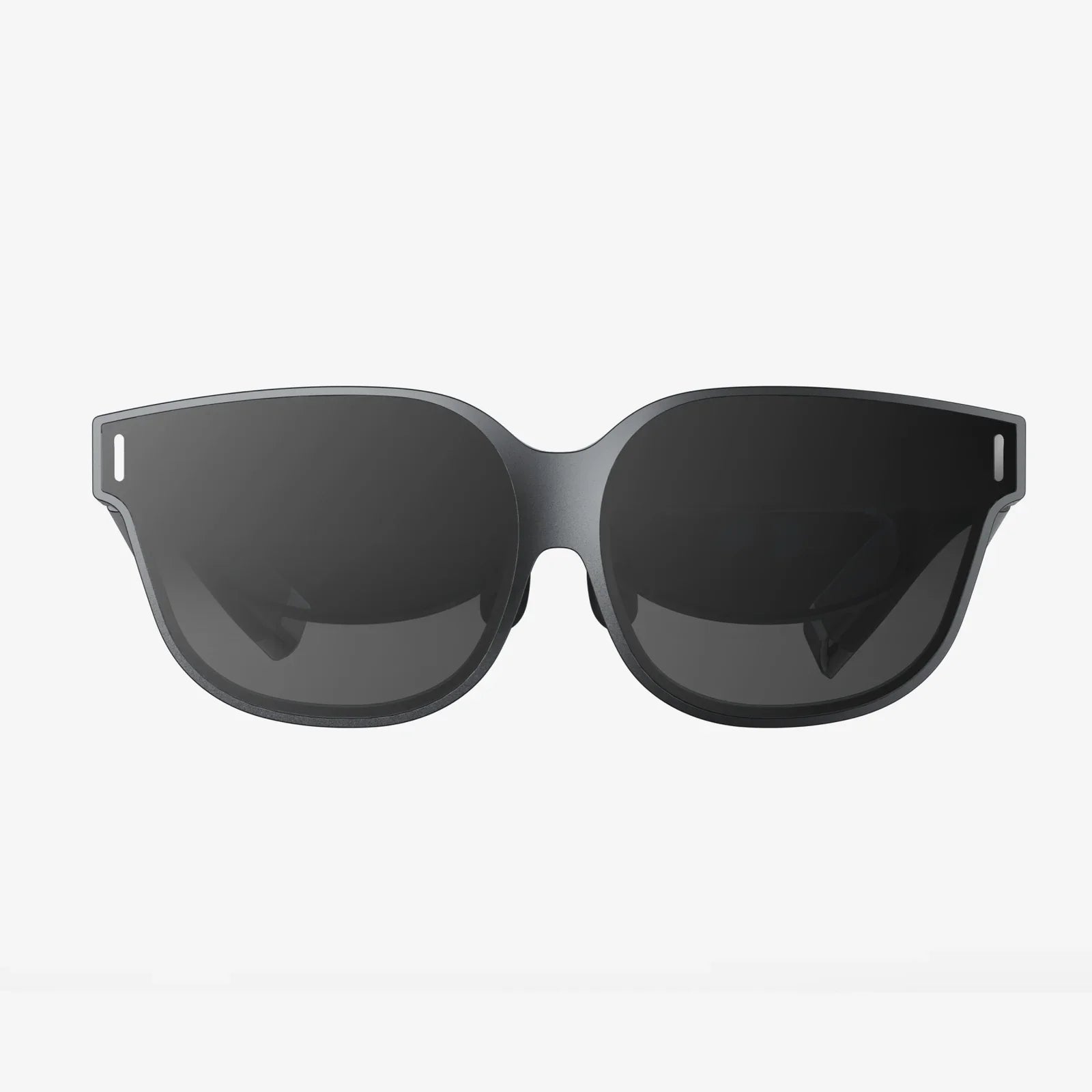
- by wangfred
3D & AR Product Customization: The Future of Personalized Shopping Experiences
- by wangfred
Imagine letting your customers design exactly what they want, seeing it from every angle, trying it in their own space, and buying with total confidence. 3D & AR product customization is making that experience not just possible, but expected, and businesses that move early are already seeing higher conversions, fewer returns, and stronger brand loyalty.
3D & AR product customization combines interactive 3D models with augmented reality experiences to let shoppers personalize products in real time. Instead of static images and limited dropdown menus, customers can rotate, zoom, recolor, resize, and configure products visually, then place them in their environment using a smartphone or tablet camera.
At its core, this approach merges three elements:
Instead of imagining how a product might look or fit, customers see it as if it were already theirs, customized to their preferences and context.
Consumer expectations have shifted dramatically. Shoppers want products that reflect their identity, fit their spaces, and suit their lifestyles. They are also increasingly comfortable using cameras and interactive tools in their shopping journeys.
Several trends are converging to make 3D & AR product customization especially powerful right now:
3D & AR product customization addresses all of these forces by giving shoppers confidence, clarity, and control.
Behind the scenes, a complete 3D & AR customization experience requires several layers of technology working together. Understanding the basics helps teams plan realistic implementations and avoid common pitfalls.
The process begins with building accurate 3D models of products:
For customizable products, models are often modular. Components can be swapped, recolored, or rearranged based on user choices.
Customization is not just visual; it must obey real-world constraints. A configuration engine enforces rules such as:
This logic ensures customers cannot design something impossible to produce or outside of defined business rules.
Real-time rendering technology updates the 3D model instantly as the user customizes it. When a color, material, or component changes, the visual representation updates without reloading the page.
Key aspects of real-time rendering include:
Once a product is configured, AR allows users to place it in their real environment. AR systems:
Some experiences are web-based, running directly in a browser, while others use dedicated apps. Both approaches can support realistic placement, scaling, and lighting adjustments.
For 3D & AR product customization to drive revenue, it must connect to inventory, pricing, and order systems. Typical integrations include:
When everything is connected, the customization experience becomes a seamless part of the buying journey instead of a standalone novelty.
Organizations invest in 3D & AR product customization because it delivers measurable impact across multiple metrics. The benefits go beyond aesthetics and novelty.
Interactive customization tools increase engagement, and engaged customers are more likely to purchase. When shoppers can see exactly what they are getting, hesitation decreases. Features that drive conversions include:
This clarity reduces the psychological distance between browsing and buying.
Many returns happen because the product did not meet expectations in size, color, or appearance. 3D & AR product customization reduces this gap by showing:
When customers feel confident that what they see is what they will receive, they are less likely to send items back.
Customization naturally encourages customers to explore upgrades and add-ons. Features that tend to increase basket size include:
Because customers can see the impact of each choice, they are more willing to invest in higher-value configurations.
3D & AR product customization communicates innovation and customer-centric thinking. Instead of competing purely on price or basic features, brands can compete on experience:
This differentiation can be especially valuable in crowded markets where many products look similar at first glance.
Beyond customer-facing benefits, 3D & AR customization can improve internal operations:
These insights help guide product development, inventory planning, and marketing strategies.
3D & AR product customization is not limited to a single sector. Many industries can leverage it to enhance their offerings and customer experiences.
For furniture, lighting, and decor, size and style are critical. 3D & AR customization lets customers:
This reduces the risk of buying items that clash with existing decor or simply do not fit the space.
Apparel, footwear, and accessories benefit from personalization and visualization. Shoppers can:
While full AR try-on can be complex, even basic 3D customization adds significant value to the online fashion experience.
Vehicles are high-consideration purchases with many configuration options. 3D customization tools help buyers:
AR can extend this by placing a life-size vehicle in a driveway or parking space for visual comparison.
Electronics often involve technical choices that are hard to understand from text alone. 3D & AR product customization can:
This reduces confusion and helps customers choose devices that fit their needs and spaces.
In B2B contexts, complex equipment and modular systems benefit from visual configuration. Decision-makers can:
3D & AR product customization in this space often integrates tightly with engineering and manufacturing systems.
Not all customization tools are equally successful. The most effective experiences focus on clarity, usability, and relevance rather than overwhelming users with complexity.
Interfaces should be intuitive even for first-time users. Best practices include:
The goal is to make customization feel playful and empowering, not confusing or tedious.
While customers appreciate flexibility, too many options can be paralyzing. Provide:
This balance helps users explore creatively without getting lost in endless possibilities.
Slow loading times or laggy interactions quickly kill engagement. To keep performance high:
A smooth experience is essential for maintaining trust and interest.
AR should enhance the experience, not distract from it. Effective use of AR includes:
When done well, AR transforms the final decision stage by answering the crucial question: “Will this work in my space?”
Customization is not just about options; it is about identity and storytelling. Consider:
These elements turn a functional tool into an emotional experience that deepens brand connection.
Rolling out 3D & AR product customization requires careful planning. Organizations need to align technology, operations, and marketing to realize the full value.
Not every product needs full customization. Ideal candidates for initial projects are:
Starting with a focused set of products reduces complexity and allows teams to learn before scaling.
Customization must be feasible and efficient behind the scenes. Key questions include:
Close collaboration between digital, operations, and logistics teams is essential to keep promises made in the configurator.
3D & AR customization generates rich behavioral data. Businesses should plan to track:
These insights can inform product design, pricing, and marketing campaigns.
3D assets need to be created, tested, and maintained over time. Considerations include:
Investing in scalable processes early prevents bottlenecks as the program grows.
While 3D & AR product customization is generally low-risk compared to other data-heavy systems, it still touches user devices and sometimes collects personal preferences. Businesses should:
Trust underpins the willingness of customers to engage deeply with interactive tools.
To justify investment and refine experiences, organizations must define clear success metrics. Common indicators include:
Healthy engagement suggests that customers find value in the experience.
These metrics link interactive experiences directly to business outcomes.
Monitoring these helps ensure that back-end processes keep pace with front-end innovation.
The landscape of 3D & AR product customization continues to evolve, with several promising developments on the horizon.
Advances in graphics and simulation will make virtual products even more lifelike. Shoppers can expect:
These improvements will narrow the gap between digital and physical experiences even further.
Artificial intelligence can streamline the customization process by:
This support can make customization more accessible and enjoyable for users who might otherwise feel overwhelmed.
3D & AR product customization will increasingly span channels, allowing customers to:
This continuity strengthens the relationship between online and offline touchpoints.
As digital and physical workflows converge, customized designs will feed more directly into production systems. This will enable:
Such integration will help businesses respond quickly to changing tastes and trends.
Organizations interested in 3D & AR product customization do not need to transform everything at once. A phased approach can reduce risk and build internal expertise.
Clarify what success looks like. Common goals include:
Clear objectives guide design decisions and measurement frameworks.
Choose a manageable set of products that align with your goals. Consider:
Pilots provide valuable feedback before committing to a full-scale rollout.
Work with internal teams or external partners to create high-quality 3D models. Focus on:
Good assets are the foundation of a convincing experience.
Map out how users will interact with the configurator:
User testing at this stage can reveal friction points early.
Connect the customization experience to your e-commerce and operational platforms. Ensure:
Integration turns a visual tool into a complete commercial solution.
Once live, monitor performance closely:
Continuous improvement helps maximize the long-term value of the investment.
3D & AR product customization is moving quickly from experimental to expected. Early adopters are already training their customers to expect immersive, personalized experiences as a standard part of shopping. Waiting too long risks turning innovation into catch-up.
By exploring 3D and AR customization now, you position your business to capture attention, build deeper trust, and convert interest into revenue with fewer surprises along the way. Customers are ready to co-create what they buy; the question is whether your brand will be the one that lets them do it.
Share:
Smart Interactions Reshaping How We Live, Work, and Connect
ai glasses price in south africa: Costs, Features and Smart Buying Guide