


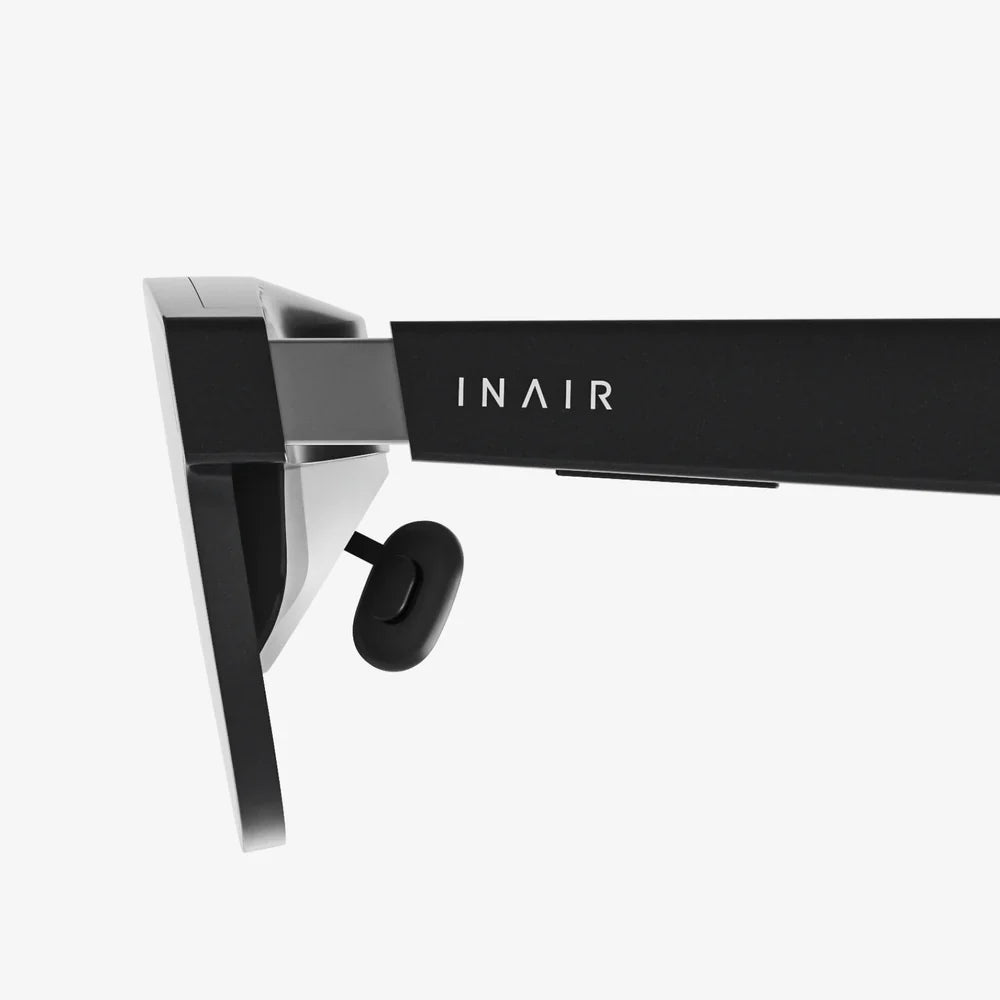
Imagine the thrill of a blockbuster movie not just playing on your screen, but erupting into your living room. Picture snowflakes falling around you, dragons soaring past your head, and feeling as if you could reach out and touch the alien world unfolding before your eyes. This is the unparalleled magic of 3D home theater, a cinematic experience that transcends traditional viewing. But the true gateway to this breathtaking dimension isn't just the projector or the television—it's the often-overlooked hero of the show: the 3D glasses. This definitive guide will pull back the curtain on these essential devices, transforming you from a curious viewer into an informed aficionado, ready to build a truly immersive home entertainment sanctuary.
The Magic Behind the Lenses: Understanding 3D Technology
Before diving into the glasses themselves, it's crucial to grasp the basic principle that makes 3D possible: stereoscopy. Human vision is binocular; we have two eyes spaced slightly apart, each seeing a slightly different perspective of the world. Our brain seamlessly merg these two images into one, interpreting the subtle differences to create the perception of depth and dimension.
3D technology artificially recreates this effect. A 3D film is shot or rendered with two separate images, one intended for the left eye and one for the right. The primary function of 3D glasses is to ensure each eye sees only its designated image. The brain then does the rest of the work, fusing the two pictures into a single, cohesive, and astonishingly deep scene. The method by which the glasses separate these images defines the different types of technology available for home use.
A Spectrum of Technology: Exploring the Different Types
The home theater market has been dominated by two main types of 3D glasses technology, each with its own distinct advantages and drawbacks. Understanding this divide is the first step in making an informed purchase.
Active Shutter 3D Glasses
Active shutter systems represent a more technologically complex approach. These glasses are electronic devices that require power, typically from a built-in rechargeable battery or a disposable button cell.
The principle is one of precise synchronization. The 3D display (a TV or projector) alternates rapidly between displaying the frame for the left eye and the frame for the right eye. The active shutter glasses communicate with the display via an infrared or Bluetooth signal. They contain liquid crystal lenses that act as shutters, electronically darkening in sync with the screen. When the left-eye image is on screen, the right lens darkens, and vice versa. This happens at such a high speed—often 120 times per second or more—that the viewer's brain perceives a constant, flicker-free 3D image.
Pros:
- Full HD 3D: Each eye receives a full 1080p (or higher) image, resulting in the highest potential resolution and a very sharp, detailed picture.
- No Color Distortion: Since the technology relies on timing rather than colored filters, the color reproduction is accurate and vibrant.
- Wide Viewing Angle: The 3D effect remains consistent even if you move your head or are not sitting directly in front of the screen.
Cons:
- Cost: The glasses themselves are significantly more expensive than their passive counterparts.
- Weight and Comfort: They are heavier due to the electronics and battery, which can cause fatigue during longer viewing sessions.
- Potential for Flicker: Some viewers are sensitive to the rapid shutter action and may perceive a faint flicker, especially in brighter scenes.
- Battery Dependency: They require charging, and a dead battery means no movie night.
- Interference: The IR sync signal can be blocked if something comes between the glasses and the emitter on the display.
Passive Polarized 3D Glasses
Passive technology is elegantly simple and has its roots in the classic 3D movies shown in theaters. Instead of an electronic shutter, these glasses use polarized lenses, much like high-quality sunglasses.
The display has a special filter that polarizes the left-eye and right-eye images in different directions (typically circular polarization: clockwise for one eye, counter-clockwise for the other). The lenses in the glasses are polarized to match. The left lens only allows light polarized in the left-eye direction to pass through, and it blocks the right-eye image, and vice versa. This filters the two images to the correct eyes simultaneously.
Pros:
- Lightweight and Comfortable: With no electronics or batteries, these glasses are incredibly light, often comparable to regular sunglasses. This makes them ideal for extended viewing and for children.
- Inexpensive: They are very cheap to manufacture and purchase, allowing you to easily buy multiple pairs for a large group.
- No Flicker: Since there's no active shutter, the image is completely flicker-free and easy on the eyes.
- No Charging Needed: They are always ready to use; just pick them up and put them on.
Cons:
- Resolution Trade-off: On most consumer TVs, the polarization filter reduces the vertical resolution. Each eye effectively sees a 540p image (on a 1080p display) which is then combined by the brain. Some viewers may notice slightly more jagged lines or a less razor-sharp image compared to active systems.
- Narrower Viewing Angle: Tilting your head can disrupt the polarization alignment and cause the 3D effect to diminish or create crosstalk (ghosting). Viewers must keep their head relatively upright.
- Potential for Ghosting: If the polarization is not perfect, some of the image for the opposite eye can "leak" through.
Universal Compatibility: Myth or Reality?
This is one of the most critical and confusing aspects of purchasing 3D glasses. The short answer is: they are not universally compatible.
Active shutter glasses are typically proprietary. A pair designed for one brand's system will almost certainly not work with another brand's TV or projector. This is due to differences in the infrared sync protocols, Bluetooth pairing, and timing signals. You must purchase active glasses that are explicitly certified to work with your specific display model.
Passive glasses, however, enjoy a much higher degree of universality. The standard for home theater polarized 3D is generally "RealD" style circular polarization. If your display uses passive 3D technology, there is a very high probability that any generic pair of passive "RealD" glasses will work with it. They are the closest thing to a universal standard in the consumer 3D world.
Always, without exception, verify the technology your display uses (active or passive) and check the manufacturer's compatibility recommendations before buying any glasses.
Beyond the Basics: Key Features to Consider
Once you've identified the correct technology for your system, several other factors will influence your enjoyment and comfort.
Fit and Comfort
This is paramount. If the glasses are uncomfortable, you won't want to wear them, ruining the experience. Look for models with flexible, adjustable nose pads and temple arms. Lightweight materials are a huge plus, particularly for active glasses. If you already wear prescription glasses, ensure the 3D glasses are designed to fit comfortably over them (often called "over-glass" or "clip-on" models).
Battery Life and Charging
For active glasses, battery life is a key specification. Look for models that offer at least 20-30 hours of use on a single charge. A convenient charging solution, like a docking station that can charge multiple pairs at once, is a fantastic investment for a household.
Lens Quality
The optical clarity of the lenses is vital. High-quality lenses will be free of distortions and offer coatings to reduce reflections from ambient light in your room. This minimizes eye strain and keeps you focused on the on-screen action.
Durability and Build Quality
Especially in homes with children or for frequent use, a sturdy build is important. Look for reinforced hinges and durable frame materials. Many manufacturers offer specific, more robust models designed for younger viewers.
Optimizing Your 3D Experience
Owning the right glasses is only part of the equation. To get the most out of your 3D home theater, consider these tips:
- Control Ambient Light: Reflections on the lenses can break immersion. Dimming the lights in your viewing room significantly enhances contrast and minimizes distractions.
- Calibrate Your Display: A properly calibrated display is even more important for 3D. Ensure your brightness, contrast, and color settings are optimized; incorrect settings can exacerbate issues like ghosting.
- Mind Your Viewing Angle: Particularly with passive systems, sit directly in front of the screen and try to keep your head level for the best effect.
- Start with High-Quality Content: Not all 3D Blu-rays are created equal. Seek out reference-quality discs known for their exceptional 3D conversion and effects to truly showcase your system's capabilities.
The Future of Home 3D Viewing
While the consumer market for 3D televisions has waned, the technology is far from dead. For projectors, 3D remains a very popular and supported feature. Furthermore, the core technology of stereoscopy is the foundation for the next great frontier in home entertainment: Virtual Reality (VR) and Augmented Reality (AR). VR headsets are, in essence, highly advanced, high-resolution 3D displays with head-tracking, offering the ultimate immersive experience. The lessons learned from 3D home theater regarding comfort, lens quality, and synchronization are directly feeding into these emerging technologies.
The journey into the third dimension is one of the most rewarding upgrades you can make to your home theater. It turns movie night into an event, a shared experience of wonder that flat images simply cannot replicate. By understanding the technology, choosing the right glasses for your system and your comfort, and setting up your environment correctly, you hold the key to unlocking this wonder anytime you wish. So dim the lights, put on your glasses, and prepare for the action to leap off the screen and into your world.
Share:
AR Putting Glasses: The Revolutionary Tech Reshaping Golf Training Forever
Portable All In One Computer: The Ultimate Fusion of Power and Mobility