


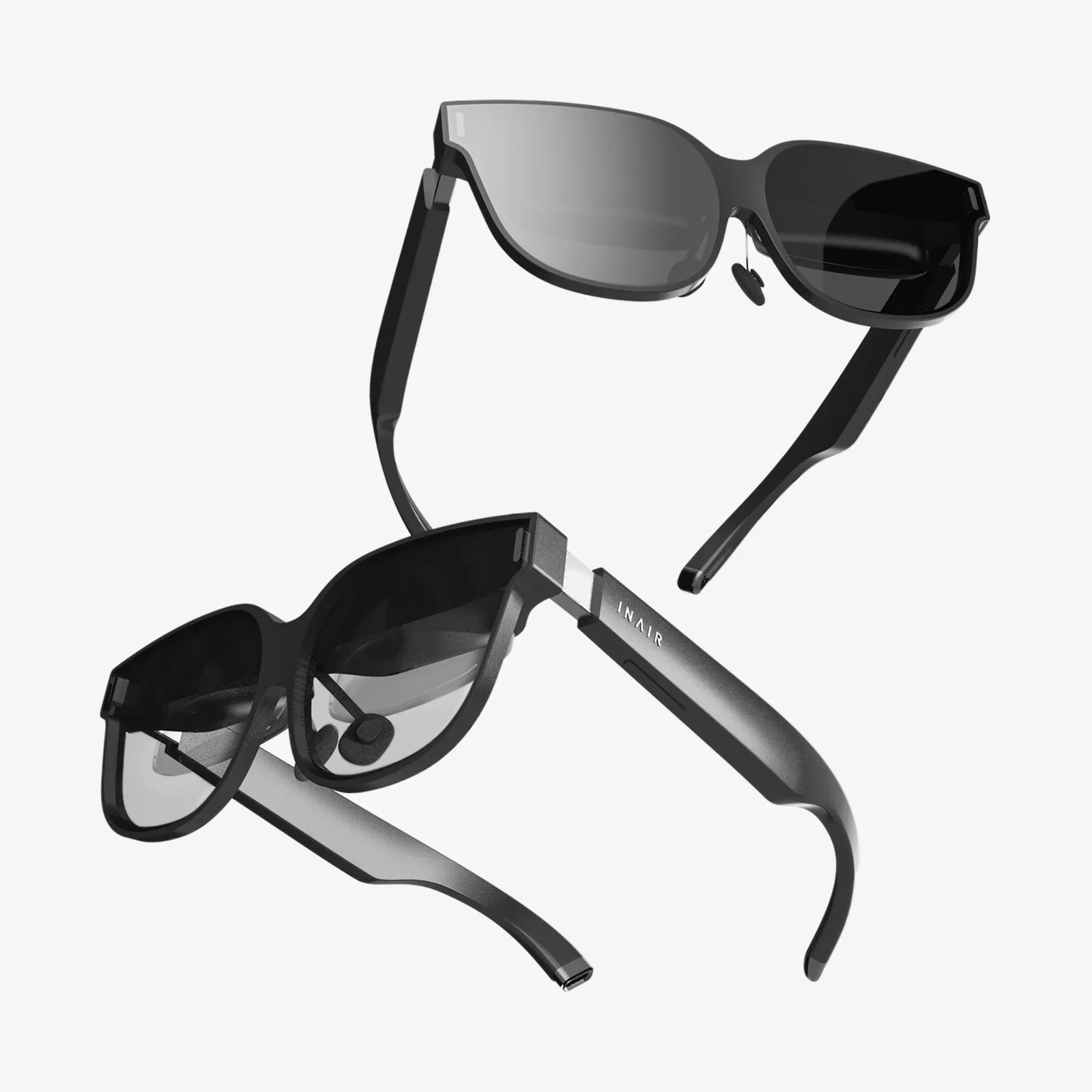
Imagine the thrill of a roaring T-Rex lunging from the screen, its jaws snapping just inches from your face, or the serene beauty of a snowflake drifting gently through your living room before settling on the floor. This is no longer the stuff of science fiction or exclusive to high-end commercial cinemas. The dream of a truly immersive, three-dimensional cinematic experience is now a stunning reality within the comfort of your own home. Welcome to the world of the modern 3D home theater, a technological marvel that has evolved from a niche novelty into a powerful, accessible, and utterly captivating form of entertainment. The journey from flickering black-and-white images to hyper-realistic 3D has been a long one, but the destination is more spectacular than ever before.
The Evolution of the Third Dimension: From Gimmick to Genius
The quest for three-dimensional imagery is almost as old as cinema itself. Early attempts involved rudimentary anaglyph systems—the classic red and blue glasses—which, while novel, often resulted in ghostly images, eye strain, and a distinct lack of color fidelity. For decades, 3D was seen as a periodic gimmick, trotted out for B-movies and theme park attractions. The turning point came with the digital revolution. The advent of digital projection and new optical technologies paved the way for a renaissance, culminating in a wave of high-profile films that showcased the true potential of 3D as a narrative tool, not just a visual trick. This cinematic rebirth sparked a parallel arms race in consumer electronics, bringing sophisticated 3D technology into living rooms across the globe, transforming them into private screening rooms of unparalleled quality.
Deconstructing the Magic: Core Technologies Behind the Illusion
At its heart, the illusion of depth in a 3D home theater relies on a simple principle: stereoscopy. Our brains perceive depth by combining the two slightly different two-dimensional images seen by each eye. 3D technology artificially creates this effect.
Active 3D Technology
This system employs battery-powered shutter glasses that synchronize with the display. The screen alternates between displaying the image intended for the left eye and the right eye at a very high speed—typically 120Hz or higher. The glasses actively shutter, blocking the left lens when the right-eye image is displayed, and vice versa, so quickly that the brain fuses the two streams into a single, seamless 3D image. The result is generally considered to be full-resolution imagery for each eye, offering a high-quality, high-brightness experience, though the glasses are more expensive and require charging.
Passive 3D Technology
Passive systems use simpler, lighter, and often cheaper glasses similar to those used in modern cinemas. The display has a special filter that polarizes the light for each eye differently (often in a circular pattern). The lenses in the glasses are polarized to match, allowing each eye to see only its intended image. While each eye technically receives only half the vertical resolution in some implementations, the comfort, lack of flicker, and affordability of the glasses make this a popular choice for family viewing and extended movie marathons.
Building Your Portal to Another World: Essential Components
Crafting a breathtaking 3D home theater is about more than just a pair of glasses. It is a symphony of components working in perfect harmony.
The Heart: The Display
Your choice of screen is paramount. While most modern projectors and high-end flat-panel displays are 3D-capable, they are not created equal. Projectors can create a truly massive canvas, making the 3D effect more immersive and less confined. They require a dedicated screen optimized for maintaining the polarization or brightness needed for 3D. Flat-panel displays, on the other hand, offer convenience and often higher overall brightness in a lit room, which can help combat the dimming effect of 3D glasses. Whichever path you choose, ensure it is specifically rated for 3D content to avoid lag, crosstalk (where the left and right images bleed into each other), and insufficient brightness.
The Brain: The Source Player and A/V Receiver
A robust media player is essential. This could be a dedicated 3D Blu-ray player, a high-end gaming console, or a capable media streaming box. It must be able to read and output the 3D signal in its native format. This signal is then passed to an Audio/Video (A/V) receiver. The receiver acts as the central hub, routing the video signal to the display while simultaneously decoding the advanced audio codecs that are a staple of 3D releases. It powers the speaker system, making it just as critical for the sound dimension as the video.
The Soul: The Sound System
If 3D video places you inside the picture, 3D audio places you inside the soundscape. You cannot have a truly immersive experience with tinny TV speakers. A multi-channel surround sound system is non-negotiable. Modern object-based audio formats like Dolby Atmos and DTS:X are the perfect companions to 3D video. Instead of being channel-based, these formats treat sounds as individual objects that can be precisely placed and moved anywhere in a three-dimensional space—above, behind, and to the sides. The sound of rain doesn't just come from the front; it falls from the ceiling. A helicopter doesn't just fly left to right; it circles overhead. This auditory immersion completes the illusion, making the world on screen feel tangibly real.
The Conduit: High-Speed Cables
Often overlooked, cables are the arteries of your system. A 3D signal, especially at 4K resolution with high dynamic range (HDR), carries a massive amount of data. Using outdated or low-quality cables can lead to signal dropouts, handshaking issues, and a complete failure to display 3D content. Certified High-Speed HDMI cables are a must to ensure every pixel of data travels flawlessly from the source to your eyes.
A Universe of Content: What Can You Actually Watch?
The library of available 3D content is vast and diverse, catering to nearly every taste.
The Cinematic Canon
The most straightforward source is the 3D Blu-ray disc. This physical media offers the highest possible quality, with lossless audio and pristine, uncompressed video directly from the studio master. The catalog includes breathtaking nature documentaries that transport you to the depths of the ocean or the peaks of mountains, alongside blockbuster action films, animated features where the depth adds a new layer of charm, and even classic films that have been thoughtfully converted.
Gaming in the Third Dimension
The interactive nature of video games makes them a perfect match for 3D. Many modern gaming consoles and high-end PCs support 3D output. Playing a game in 3D adds a incredible tactical advantage and a new level of immersion. Judging distances becomes intuitive, environments feel vast and explorable, and action sequences gain a visceral intensity that must be experienced to be believed.
Streaming and Broadcast
While less prevalent than in its heyday, some streaming services and satellite broadcasters still offer dedicated 3D channels and on-demand content, including live sports events and music concerts. The convenience is undeniable, though the streaming compression can sometimes result in a slight reduction in video quality compared to a disc.
Crafting the Perfect Experience: Setup and Calibration
Unboxing your components is only half the battle. Proper setup is what separates a good experience from a great one.
Optimizing the Visuals
First, dial in your display's 2D settings—color, contrast, brightness—using a calibration disc or built-in patterns. A well-calibrated 2D image is the foundation for a good 3D image. Then, dive into the 3D-specific settings. The most crucial of these is often the "3D Depth" or "Convergence" control. Adjusting this carefully ensures that the pop-out effects are dramatic without causing eye fatigue, and that the overall depth feels natural rather than exaggerated. The goal is a comfortable, engaging view that you can enjoy for hours.
Designing the Environment
Your viewing room plays a supporting role. For projectors, total light control is essential. Even for bright flat-panel displays, minimizing reflections and ambient light will significantly enhance contrast and color saturation, making the 3D image punchier and more defined. Consider acoustically treating the room with rugs, curtains, and soft furniture to tame sound reflections, allowing your audio system to perform at its best and further solidifying the immersive bubble.
The Future is Already Here: Beyond Current 3D
The evolution of immersive home entertainment never stops. The conversation is now shifting towards virtual reality (VR) and augmented reality (AR), which offer even more personal and interactive 360-degree experiences. However, these are not replacements for the 3D home theater; they are different paradigms. The social aspect of gathering friends and family on a couch to share a cinematic journey is a timeless ritual. The future likely holds technologies like light field displays and holography, which may one day eliminate the need for glasses altogether. But for now, the modern 3D home theater represents the pinnacle of shared, high-fidelity immersive entertainment—a technological triumph that continues to awe and inspire.
Your living room is waiting to be transformed. With the right combination of technology and thoughtful setup, that large blank wall can become a window to another universe, a portal to ancient worlds, or a front-row seat to the greatest spectacles ever filmed. The depth, the detail, the sheer wonder of seeing your favorite stories unfold with palpable reality is an experience that redefines what home entertainment can be. This isn’t just watching a movie; it’s stepping into it. The only thing left to do is choose your adventure, dim the lights, and let the world fade away as you dive into the breathtaking depth of your own 3D home theater.
Share:
Augment Inc. and the Next Leap in Human-Computer Collaboration
Windows Interactive Desktop: The Future of Personal Computing is Here