


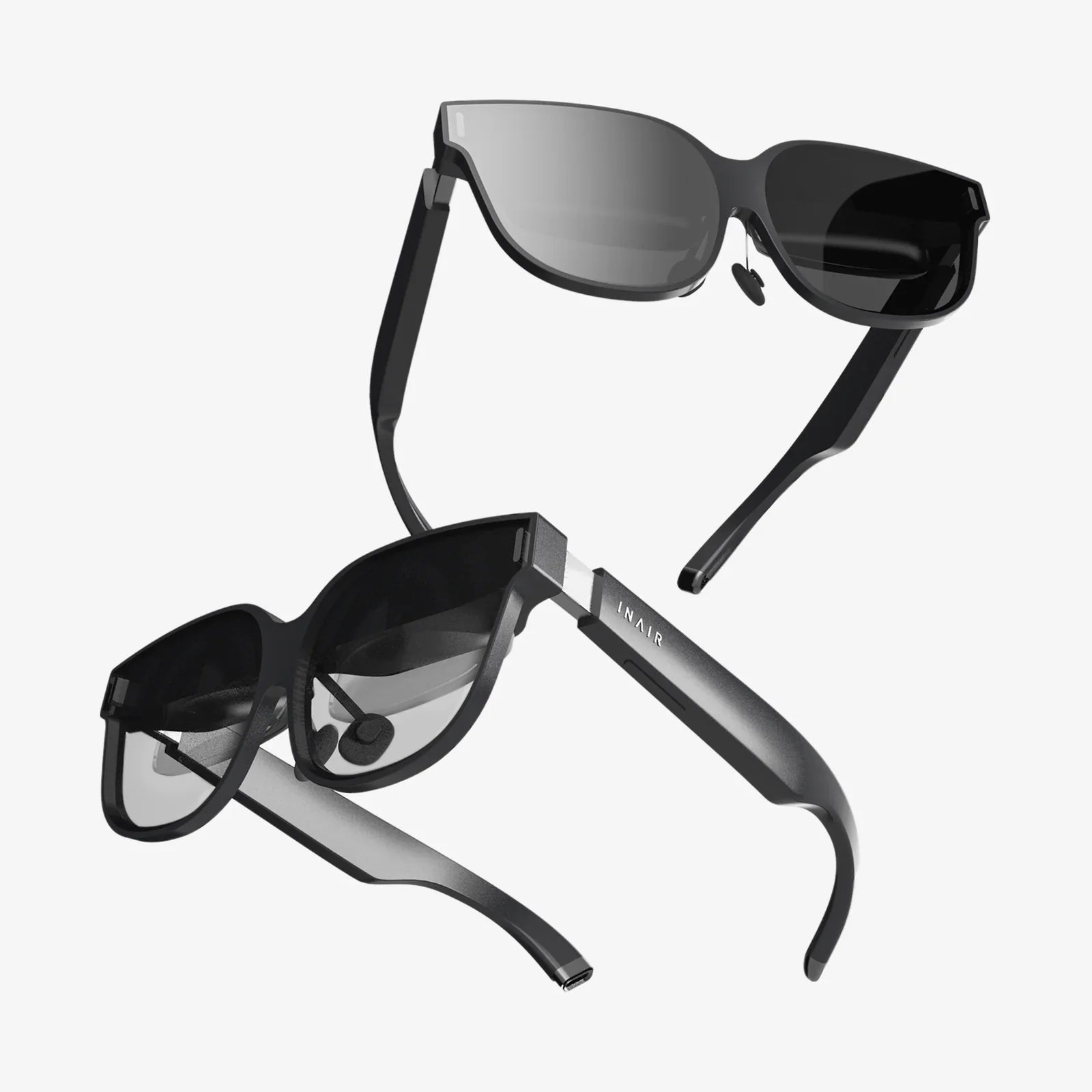
Imagine a world where the boundaries between the digital and the physical dissolve, where you can step inside a molecule, walk through a building that hasn't been built, or practice a complex surgical procedure on a hyper-realistic, virtual patient. This is no longer the stuff of science fiction; it is the present and future being forged by 3D immersive technology. This powerful suite of tools is not just evolving; it is fundamentally rewriting the rules of human interaction, creativity, and experience, promising to revolutionize every facet of our lives in ways we are only beginning to comprehend.
The Core Pillars of Immersion: More Than Just a Headset
At its heart, 3D immersive technology is about creating a profound sense of presence—the convincing feeling of being physically located in a computer-generated environment. This is achieved through a combination of sophisticated hardware and software, but the magic lies in how they work in concert to trick the human brain.
Virtual Reality (VR): The Complete Digital Escape
Virtual Reality is the most well-known facet of immersion. It completely shuts out the physical world, transporting the user into a fully digital, 360-degree environment. This is typically accomplished through a head-mounted display (HMD) that tracks the user's head movements, updating the visual field in real-time to create a convincing and responsive world. Advanced haptic feedback controllers allow users to reach out, manipulate virtual objects, and feel a sense of touch, further deepening the illusion. VR is the ultimate tool for total simulation, from exploring fantastical game worlds to conducting high-stakes military training in a risk-free digital sandbox.
Augmented Reality (AR): Enhancing the World Around You
If VR replaces reality, Augmented Reality enhances it. AR overlays digital information—images, text, 3D models—onto the user's view of the real world through devices like smart glasses, smartphones, or tablets. The key differentiator is context; the digital content is anchored to and interacts with the physical environment. Imagine a mechanic seeing a holographic schematic overlaid on a faulty engine, a furniture shopper seeing how a new sofa would look in their living room, or a tourist viewing historical facts pop up as they gaze upon a monument. AR bridges the gap between data and reality, making information instantly accessible and actionable.
Mixed Reality (MR): The Best of Both Worlds
Sitting on the spectrum between VR and AR is Mixed Reality. MR doesn't just overlay digital content; it allows that content to interact with and be aware of the physical world in real-time. Using advanced sensors and cameras, MR devices understand the geometry of a room. This allows a virtual character to jump onto your real-world coffee table and hide behind your actual sofa. The digital and physical objects coexist and interact, creating entirely new, hybrid experiences. This is the frontier where the most groundbreaking applications are emerging, particularly in collaborative design and complex assembly tasks.
The Engine Room: How Immersive Technology Actually Works
The seamless experience of immersion is powered by a complex technological stack. It begins with 3D computer graphics, generating the environments and objects with realistic lighting, textures, and physics. Powerful processors render these complex scenes at extremely high frame rates (often 90 frames per second or higher) to prevent motion sickness and maintain the illusion.
Critical to the experience is precise tracking, using a combination of technologies like Inside-Out Tracking, where cameras on the headset itself map the environment, and Outside-In Tracking, which uses external sensors placed around a room. This tracking data is fused with input from Inertial Measurement Units (IMUs)—gyroscopes and accelerometers—to provide ultra-precise, low-latency positional data.
Finally, spatial audio is the unsung hero of immersion. By simulating how sound waves interact with the environment and reach each ear, it creates a 3D soundscape. Hearing a virtual bee buzz past your ear and land on a virtual flower to your left completes the sensory deception, making the experience utterly convincing.
Transforming Industries: From the Operating Room to the Factory Floor
The potential of 3D immersive technology extends far beyond entertainment. It is a disruptive force driving efficiency, safety, and innovation across the global economy.
Revolutionizing Healthcare and Medicine
In medicine, immersion is saving lives and improving outcomes. Surgeons use VR to meticulously plan complex procedures, practicing on detailed 3D models reconstructed from patient CT and MRI scans. This reduces operative time and improves precision. AR is used during surgery itself, projecting vital signs, ultrasound data, or anatomical guides directly into the surgeon's field of view, keeping their focus on the patient.
Beyond surgery, VR is a powerful tool for therapy and rehabilitation. It is used to treat PTSD through controlled exposure therapy, help patients manage chronic pain through distraction, and provide engaging motor rehabilitation exercises for stroke victims. Medical students can dissect virtual cadavers an infinite number of times, democratizing access to crucial anatomical knowledge.
Reinventing Education and Training
Immersive technology is shifting education from passive learning to active experience. Instead of reading about ancient Rome, students can take a guided VR tour of the Colosseum at the height of its glory. Instead of watching a video about cellular mitosis, they can shrink down and witness the process unfold around them. This experiential learning dramatically improves knowledge retention and engagement.
In corporate and industrial training, the impact is measured in reduced risk and cost. Trainee pilots log hours in flawless flight simulators. Engineers practice repairing million-dollar equipment in a virtual replica before touching the real thing. Warehouse employees can learn complex safety protocols in a simulated environment, preventing real-world accidents. The ability to make mistakes without real-world consequences is invaluable.
Accelerating Design and Manufacturing
The design process is being upended by immersive tech. Architects and clients can walk through life-size virtual models of buildings before a single foundation is poured, making design changes instantly and cheaply. Automotive designers can evaluate the ergonomics and aesthetics of a full-scale virtual car prototype, saving millions on physical clay models.
On the factory floor, AR is a game-changer. Assembly line workers can see digital work instructions overlaid directly on the components they are assembling, reducing errors and speeding up production. Remote experts can see what a field technician sees through their smart glasses and annotate their view with arrows and notes to guide them through a repair, eliminating travel time and getting equipment back online faster.
The Human and Societal Implications: A Double-Edged Sword
As with any transformative technology, the rise of 3D immersion brings a host of challenges and ethical questions that society must confront.
The Privacy Paradox
Immersive devices are data collection powerhouses. They have cameras, microphones, and sensors that map our physical spaces and track our every movement, gaze, and even biometric responses. This data is incredibly valuable for improving user experience, but it also represents an unprecedented threat to privacy. Who owns this data? How is it stored and used? The potential for surveillance and manipulation is significant, requiring robust new legal and ethical frameworks.
The Blurring of Realities
As experiences become more convincing, the line between virtual and actual events may blur, a phenomenon sometimes called "reality confusion." This could have psychological impacts, particularly on developing brains. Furthermore, the concept of "deepfakes" could evolve into "deep experiences," where entirely fabricated, immersive events could be used for misinformation or propaganda with terrifying effectiveness. Establishing digital provenance and authenticity will become a critical challenge.
Accessibility and the Digital Divide
There is a real risk that immersive technology could exacerbate existing social and economic inequalities. High-end equipment remains expensive, potentially creating a divide between those who can afford these transformative experiences and those who cannot. If key sectors like education and healthcare increasingly adopt these tools, ensuring equitable access will be paramount to prevent a new, immersive digital divide.
The Future is Already Here: What's Next on the Horizon?
The evolution of 3D immersive technology is accelerating toward even more seamless integration with our lives and biology. The next generation of hardware will be lighter, more powerful, and eventually take the form of everyday eyewear. The concept of the "metaverse"—a persistent network of interconnected virtual spaces—promises a new paradigm for social interaction, work, and commerce.
Breakthroughs in haptics will move beyond handheld controllers to full-body suits and even direct neural interfaces, aiming to simulate touch, temperature, and force with incredible fidelity. Artificial Intelligence will play a massive role, generating dynamic, responsive environments and intelligent virtual characters on the fly. We are moving toward a future where the digital world will be as rich, complex, and interactive as the physical one, not as a replacement, but as a deeply integrated layer upon it.
The journey into this new dimension is just beginning, and the destination is limited only by our imagination. The power to create, to learn, to connect, and to experience is being fundamentally unlocked, inviting us all to step through the looking glass and participate in building what comes next.
Share:
Immersive Virtual World: The Next Frontier of Human Experience and Connection
How to Remove AR Coating from Glasses: A Complete Safety and Method Guide