


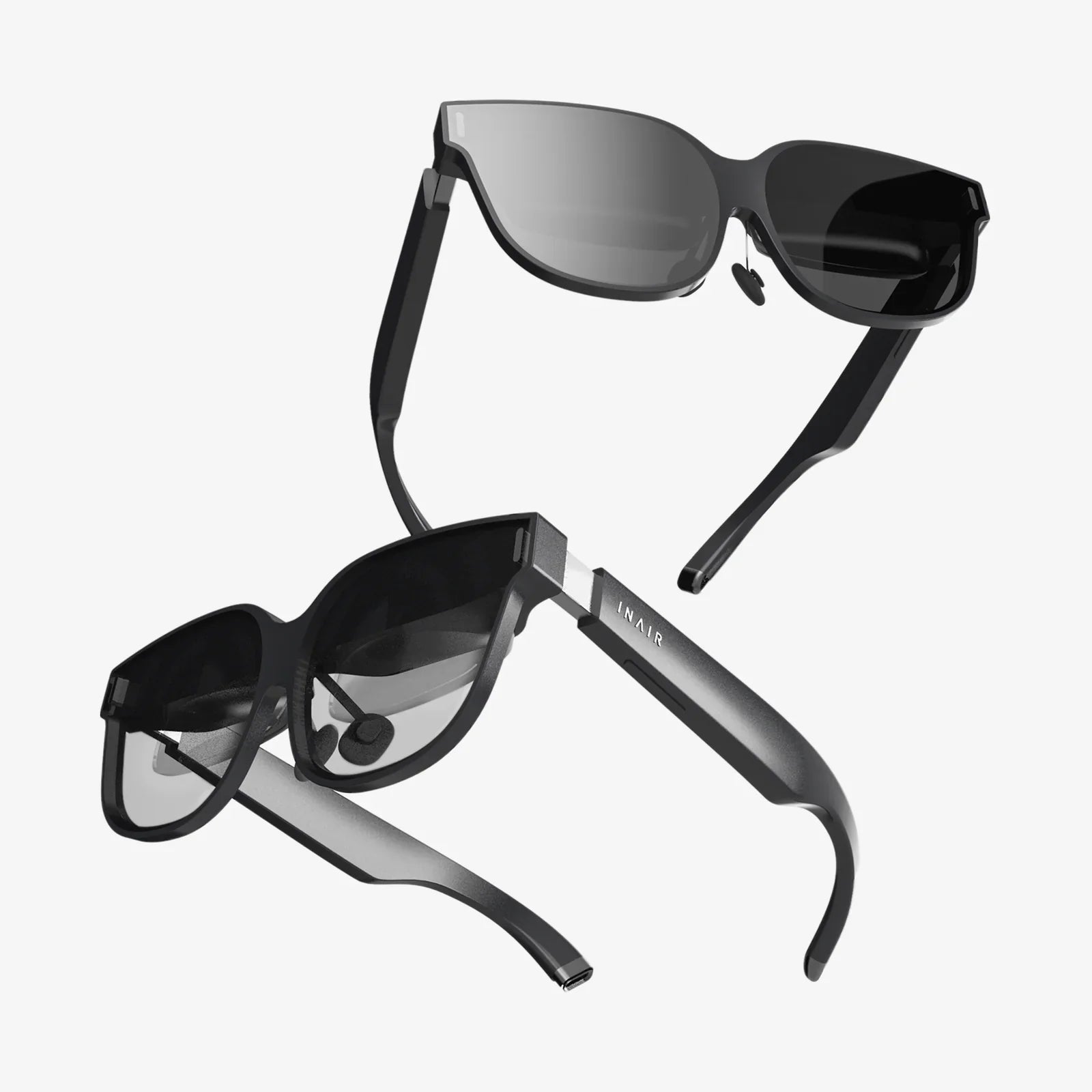
- by wangfred
3D Interactive Software: The Unseen Engine Reshaping Our Digital World
- by wangfred
Imagine reaching into your screen, grabbing a complex molecular structure, and spinning it between your fingers to study its bonds. Picture walking through a building that hasn't been built yet, feeling the scale of its atrium and the flow of its hallways. Envision a medical student performing a delicate virtual surgery, their hands guided by haptic feedback that mimics the resistance of tissue. This isn't science fiction; it's the reality being built today by the powerful, transformative force of 3D interactive software. This technology has quietly become the unseen engine driving innovation across countless fields, dissolving the line between the digital and physical worlds and offering a glimpse into a future where we don't just view information, but step inside it.
At its heart, 3D interactive software is a category of computer programs that allow users to create, manipulate, and experience three-dimensional models in a dynamic, real-time environment. It is a significant leap from traditional 3D modeling, which often results in static renders or pre-baked animations. The key differentiator is interactivity. This software generates environments that respond to user input instantaneously, creating a dialogue between the user and the digital realm.
This capability is built upon several foundational technological pillars. First is the rendering engine, which is responsible for generating the 2D image from the 3D data. Modern engines utilize real-time rendering techniques, often powered by sophisticated graphics processing units (GPUs), to calculate lighting, shadows, textures, and reflections on the fly, achieving photorealistic or stylized visuals at high frame rates.
Second is the physics engine, which simulates the laws of physics within the digital space. It governs gravity, collision detection, mass, friction, and soft-body dynamics. This is what makes a virtual ball bounce realistically, a car's suspension react to terrain, or a building's structure respond to stress tests in a simulation.
Finally, a crucial element is the user interface (UI) and user experience (UX) design. This software must provide intuitive tools for complex tasks. This includes everything from camera navigation controls—allowing users to orbit, pan, and zoom through a scene—to sophisticated toolbars for sculpting, texturing, and animating models. The goal is to make the immense power of 3D creation accessible, whether for a seasoned architect or a curious student.
The true measure of this technology's impact lies in its vast and varied applications. It is no longer confined to the realms of entertainment and gaming; it has become a critical tool in serious, high-stakes industries.
The AEC industry has been utterly transformed. Interactive software enables the creation of detailed Building Information Modeling (BIM) systems. These are not just 3D models; they are intelligent databases where every element—a wall, a pipe, a light fixture—contains data about its properties, cost, manufacturer, and installation schedule.
From concept to assembly line, 3D interactive software streamlines the entire product development lifecycle. Designers can create intricate, parametrically-driven models that can be adjusted and iterated upon in seconds. The software facilitates:
This technology has unlocked new frontiers in experiential learning. Interactive 3D models cater to visual and kinesthetic learners in a way textbooks never could.
The "try before you buy" dilemma of online shopping is being solved. 3D interactive software allows brands to create photorealistic, interactive models of their products. Customers can:
This immersive experience drastically reduces purchase hesitation and return rates, building consumer confidence and engagement.
Perhaps the most profound shift driven by 3D interactive software is its democratization. Historically, high-end 3D creation was the domain of specialists with expensive workstations and software costing thousands of dollars. Today, the landscape is radically different.
Powerful, and often free or low-cost, software is now accessible to anyone with a decent computer. Browser-based platforms allow users to create and share 3D experiences without any installation. This has unleashed a wave of creativity from indie game developers, digital artists, hobbyists, and students. Online communities and marketplaces flourish with user-created models, tools, and tutorials, fostering a collaborative ecosystem that accelerates learning and innovation. This decentralization means that the next great idea can come from a teenager's bedroom as easily as it can from a corporate R&D lab.
The evolution of this technology is inextricably linked to other cutting-edge fields. The future points towards even deeper immersion and intelligence.
Despite its promise, the path forward is not without obstacles. The computational demands of high-fidelity real-time 3D require powerful hardware, creating a barrier to entry for some. There is a significant learning curve associated with mastering professional-grade tools, though this is being mitigated by more intuitive interfaces. Furthermore, as worlds become more realistic and immersive, ethical questions regarding data privacy, psychological effects, and the potential for misuse become increasingly important to address.
The silent revolution of 3D interactive software is already here, weaving itself into the fabric of our professional and personal lives. It has stopped being a niche tool for visualization and has become a fundamental platform for creation, collaboration, and experience. It empowers us to prototype the future, learn by doing, and communicate ideas with unparalleled clarity. As this technology continues to evolve, becoming more accessible, powerful, and intelligent, its potential to reshape our reality is limited only by the boundaries of our own imagination. The door to these new worlds is open, waiting for you to step through and start interacting.
Share:
What Wireless Headphones Are Best For Streaming Music - The Ultimate Guide
How Do Virtual Reality Apps Work: A Deep Dive Into Simulating Reality