


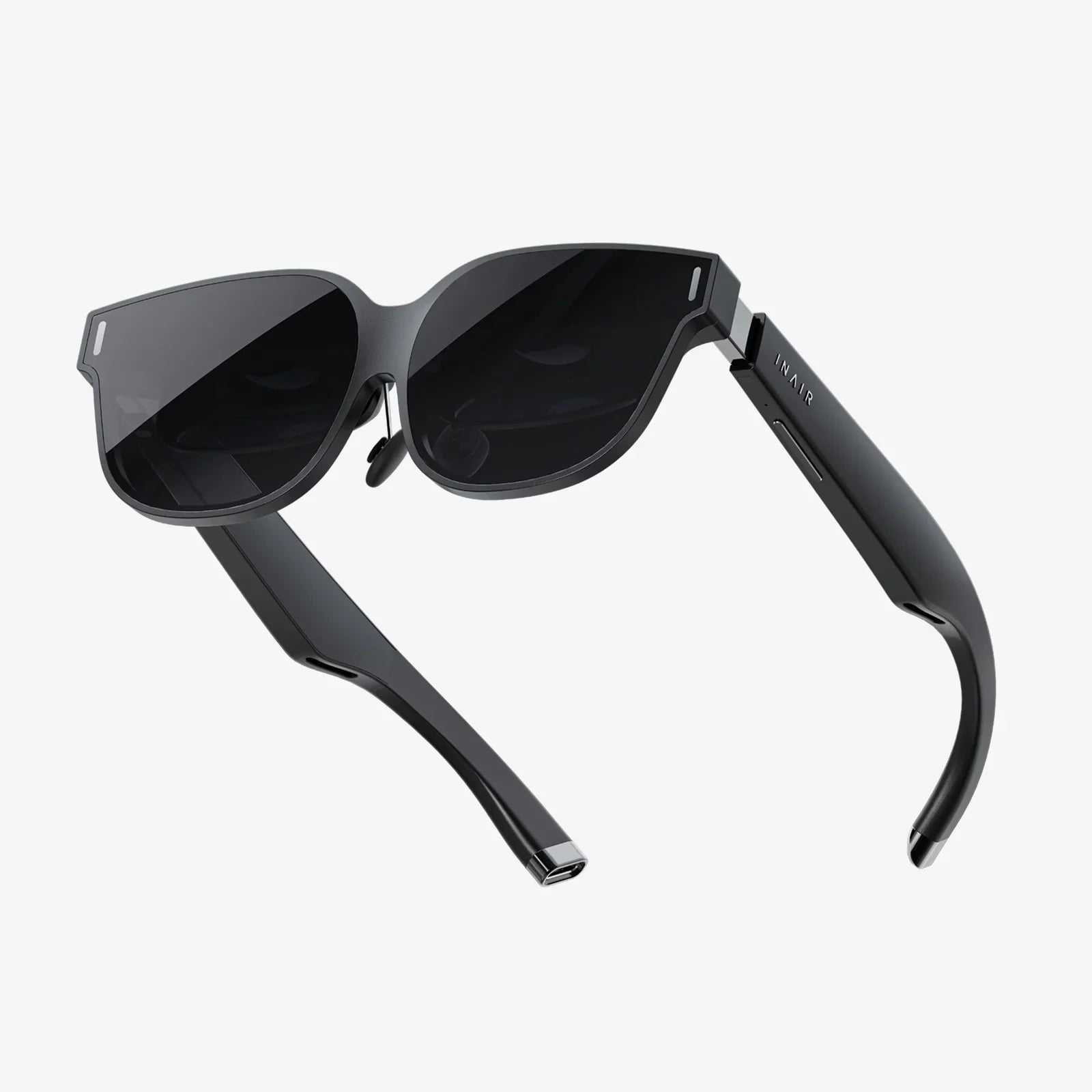
Imagine a world where you’re not just watching a story unfold, but you’re living inside its multiple dimensions simultaneously. The screen fractures, not as a flaw, but as a gateway, pulling your gaze into parallel actions, converging emotions, and a symphony of perspectives that traditional, single-frame video could never achieve. This is the captivating power of 3D split screen video, a technique rapidly evolving from a niche novelty into the forefront of immersive visual storytelling. It’s more than an effect; it’s a language, a tool for crafting deeper narratives and forging a powerful, unbreakable connection with the audience. Ready to have your perception of video fundamentally altered?
Beyond the Gimmick: Deconstructing the Technology
At its core, 3D split screen video is the sophisticated marriage of two distinct cinematic techniques: split-screen composition and three-dimensional depth. It’s crucial to understand that this isn't merely placing two 2D videos side-by-side. The true magic, and the significant technical challenge, lies in creating a cohesive three-dimensional space that exists across the divides.
The process begins long before any editing software is opened. It starts with meticulous planning and synchronized capture.
The Capture: Binocular Vision Replicated
To achieve genuine stereoscopic 3D, each perspective within the split screen must be captured using a two-lens system that mimics human binocular vision. This is typically done in one of two ways:
- Rig-Based Synchronized Cameras: The most professional method involves using a rig that holds two identical cameras, precisely aligned side-by-side (or one above the other) at an interocular distance (the distance between human eyes). These cameras are genlocked, ensuring their shutters open and close at the exact same moment, capturing perfectly synchronized frames. This setup is essential for capturing fast motion without any temporal artifacts between the two views.
- Beam-Splitter Rigs: For situations requiring a zero interocular distance, such as extreme close-ups, a beam-splitter rig is used. This employs a semi-transparent mirror placed at a 45-degree angle in front of a primary camera. A second camera is positioned at a 90-degree angle to the first, capturing its view through the mirror. This allows both cameras to capture the same subject from virtually the same point of view but with the necessary perspective shift for 3D.
For a multi-perspective split screen (e.g., a four-quadrant view), this process is multiplied, requiring either multiple 3D rigs or a sophisticated multi-camera array, all synchronized to a single timecode source. This ensures every fraction of a second is perfectly aligned across all feeds, a non-negotiable foundation for a seamless final result.
The Post-Production: Weaving Dimensions Together
Once captured, the real alchemy begins in post-production. This is where the raw footage is transformed into a cohesive 3D experience.
- Color Grading and Matching: Even with identical camera models, slight variations in exposure and color temperature are inevitable. A primary task is to color grade all feeds to match perfectly. Any discrepancy in color or brightness between adjacent panels instantly shatters the illusion of a unified space.
- Depth Alignment and Convergence: This is the most critical step for comfort and believability. Using specialized 3D editing software, editors adjust the convergence point for each feed—the point in the image where the left and right eye views align, determining whether an object appears to pop out of the screen or recede into it. All panels must be carefully balanced so their depth planes feel consistent with one another, preventing viewer disorientation or eye strain.
- Seamless Compositing: The splits between panels can be hard lines, or they can be blended and masked creatively. The key is intentionality. The edit must guide the viewer's eye fluidly across the narrative landscape, using motion within the frames and strategic cuts to maintain engagement without causing sensory overload.
A New Narrative Language: The Power of Multi-Dimensional Storytelling
The true value of 3D split screen video is not technical prowess but narrative power. It fundamentally expands the filmmaker's toolkit for telling stories.
Simultaneity and Emotional Juxtaposition
Traditional editing is linear; we see one thing, then another. Split screen allows us to see two or more events at the same time. In 3D, this effect is supercharged. Imagine a dramatic scene where one panel shows a character's anxious face in extreme close-up, seemingly hovering in front of you, while the adjacent panel shows what they are seeing—a tense negotiation across the room, with depth that makes you feel present at the table. The emotional resonance is multiplied, creating a rich, complex viewer experience that is both intimate and expansive.
Contrast and Comparison
This technique is unparalleled for drawing direct comparisons. A fashion show can display the front, side, and back of a garment in three separate 3D panels, allowing the viewer to appreciate the complete design in a single, immersive glance. A travel show can contrast the bustling, depth-filled streets of one city with the serene, expansive landscapes of another, creating a powerful visual essay on contrast.
Interactive Storytelling and User Agency
While true interactivity is limited in linear video, 3D split screen creates a compelling illusion of choice. By presenting multiple perspectives or outcomes simultaneously, the viewer's eye is given agency to roam and choose where to focus, essentially crafting their own narrative emphasis within the director's framework. This is a powerful tool for music videos, title sequences, and experimental filmmaking, fostering a deeper level of engagement.
Conquering the Challenges: A Demanding Art Form
For all its potential, 3D split screen video is fraught with challenges that have prevented its widespread adoption.
- Technical Complexity and Cost: The requirement for multiple synchronized 3D camera systems, extensive data storage, and specialized post-production skills makes it a significant investment in both time and money.
- The Comfort Factor: Poorly executed 3D can cause viewer discomfort, nausea, and eye strain. This is magnified in a split screen, where the brain must process multiple depth maps at once. Meticulous attention to depth alignment and comfortable parallax limits is paramount.
- Avoiding Gimmickry: The biggest pitfall is using the technique for its own sake. Every split must serve the story. If the narrative can be told more effectively with a single shot, then the split screen becomes a distracting nuisance. The rule of thumb is simple: the technique should enhance the story, not become the story.
The Future is Multi-Dimensional: Where the Technology is Headed
As technology advances, the barriers to creating stunning 3D split screen content are beginning to fall, opening up incredible new possibilities.
- Accessible Volumetric Capture: The emergence of more affordable volumetric video technology, which captures a full 3D model of a scene or person, could be a game-changer. Instead of being locked into fixed camera angles, editors could potentially place virtual cameras anywhere within a volumetric capture, generating multiple perfect 3D perspectives from a single recording session.
- AI-Powered Workflows: Artificial intelligence is poised to revolutionize the labor-intensive parts of the process. AI could automatically synchronize feeds, match color and exposure across panels, and even help optimize depth maps for viewer comfort, drastically reducing post-production time.
- Integration with AR and VR: This is the most exciting frontier. 3D split screen concepts could evolve into true multi-window augmented reality experiences, where information panels and alternative perspectives float around us in physical space. In virtual reality, this technique could be used to create narrative layers within a single immersive environment.
The evolution of screen technology itself, with the proliferation of glasses-free 3D displays and ever-higher resolutions, will provide the perfect canvas for this complex art form to flourish in living rooms and on personal devices.
We are standing at the precipice of a new era in visual media, one where the flat screen is no longer a boundary but a window into a layered, dynamic, and deeply engaging world. 3D split screen video is not just a way to show more; it is a profound evolution in how we tell stories, convey information, and connect with an audience on a visceral level. The screen has split, and from the fissures, a more immersive future is bursting forth, inviting us all to see the world from every angle at once. Will you look away?
Share:
Universal Virtual Reality Glasses: The Portal to a New Digital Epoch
How to Use 3D Virtual Reality Glasses: Your Ultimate Guide to Immersive Experiences