


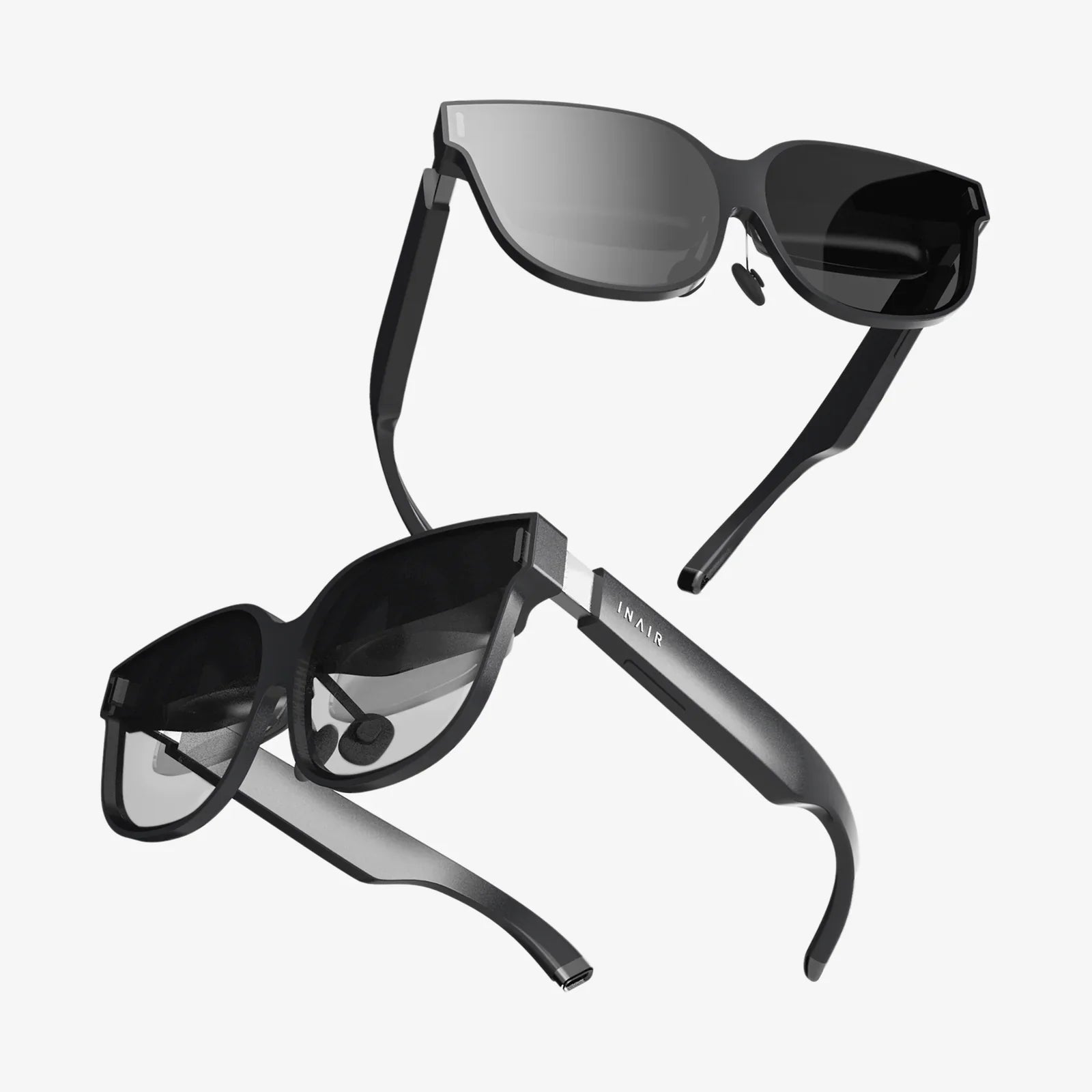
Imagine slipping a sleek viewer onto your head and, in an instant, being transported from your living room to the edge of a volcano, the front row of a concert, or the surface of Mars. This is no longer the stuff of science fiction; it's the everyday magic made possible by 3D virtual reality apps for iPhone. This powerful combination of sophisticated mobile hardware and innovative software has democratized VR, placing boundless, immersive worlds directly into the palms of our hands. The journey from a niche, expensive hobby to a mainstream portal of wonder is one of the most fascinating tales in modern technology, and it’s unfolding right on your smartphone screen.
The iPhone as a VR Powerhouse: More Than Just a Phone
To understand the viability of VR on a mobile device, one must first appreciate the technological marvel that the modern smartphone represents. It is not merely a communication tool but a compact computer equipped with sensors and processors powerful enough to render complex, three-dimensional environments in real-time.
The key components that make this possible include:
- High-Resolution Retina Displays: Providing the crisp, detailed imagery necessary to sell the illusion of reality and prevent the "screen door effect" where pixels are visible.
- Powerful GPUs (Graphics Processing Units): These are the workhorses that render the complex 3D graphics smoothly, ensuring a comfortable and immersive experience without lag or stutter, which can cause nausea.
- Advanced Sensor Arrays: The iPhone’s gyroscope, accelerometer, and magnetometer work in concert to precisely track head movements. Tilt, turn, or look up and down, and the virtual world responds instantly, creating a seamless sense of presence.
- High-Fidelity Audio Systems: Spatial audio technology mimics how sound behaves in the real world, making a noise behind you sound like it’s actually behind you, further deepening the immersion.
This hardware synergy creates a foundation upon which developers can build captivating virtual experiences, transforming the device from a flat window of information into a dynamic, interactive portal.
Beyond the Cardboard: The Evolution of Mobile VR Viewers
The initial wave of mobile VR was famously kickstarted by simple, affordable viewers made from cardboard and lenses. While these were revolutionary in their accessibility, the experience was fundamentally limited. Today, the market offers a spectrum of viewers that significantly enhance the iPhone VR experience.
These more advanced headsets often include:
- Improved, optically correct lenses for a wider field of view and reduced distortion.
- Comfortable, adjustable head straps for longer, more enjoyable sessions.
- Integrated controllers that allow for hand-tracking and interaction within the virtual space, moving beyond passive viewing to active participation.
- Additional sensors that can offload processing from the phone or provide more precise positional tracking.
This hardware evolution means that entering VR no longer requires a significant financial investment in a dedicated PC-tethered headset. For many, the combination of an iPhone they already own and a moderately priced viewer is the perfect gateway into the virtual realm.
A Universe of Experiences: Categories of 3D VR Apps
The true soul of the iPhone VR experience lies in the applications themselves. The digital storefronts are brimming with apps that cater to every conceivable interest, demonstrating the versatility of the platform.
Gaming and Interactive Entertainment
This is often the first destination for new VR users. The ability to be "inside" a game is a paradigm shift. From heart-pounding horror titles where monsters lurk in the shadows you can physically peer into, to intricate puzzle games where you manipulate the environment with your hands, VR gaming is intensely engaging. Rhythm games have you dodging obstacles to the beat, and flight simulators offer breathtaking, panoramic views that make you feel truly airborne. The iPhone’s processing power ensures these experiences are visually rich and responsive.
Educational and Cultural Exploration
Perhaps the most profound application of VR is its power to educate and inspire. Imagine a history class where students don a viewer and stand amidst ancient Roman ruins, not as a static image, but as a full 360-degree world they can explore. Biology students can take a journey through the human bloodstream, while astronomy apps can place them on the moon, looking back at a breathtaking Earth. Museums and cultural institutions worldwide have created VR tours, allowing anyone, anywhere, to walk their halls and examine artifacts up close, breaking down barriers of distance and accessibility.
Social Connection and Virtual Tourism
In an increasingly digital world, VR offers a new form of social interaction. Social VR platforms allow users to create avatars and meet friends, family, or strangers in virtual spaces—from movie theaters to alien landscapes. You can watch a film together, play a game, or simply chat as if you were in the same room. Furthermore, travel apps provide immersive 360-degree videos and photos of destinations across the globe. You can stand on a glacier in Iceland, dive the Great Barrier Reef, or walk the streets of Tokyo, all from your home. It’s a powerful tool for fostering empathy and understanding by letting people experience places and perspectives firsthand.
Creativity and Productivity
The immersive nature of VR also makes it a unique canvas for creativity. Apps exist that allow users to paint and sculpt in three-dimensional space, creating art that they can walk around and view from every angle. Architects and designers can visualize 3D models at full scale, and virtual desktop apps can create a massive, multi-monitor workspace for productivity, isolating the user from distractions.
Designing for Immersion: The Developer's Challenge
Creating a compelling VR app for a mobile platform like the iPhone is a unique challenge. Developers must balance immersive fidelity with hardware limitations. Key considerations include:
- Performance Optimization: Every frame must be rendered at a high, consistent frame rate (typically 60fps or higher) to maintain comfort. This requires incredibly efficient code and clever graphical tricks to create stunning visuals without overloading the processor.
- User Interface (UI) and User Experience (UX): Traditional screen-based UI elements don’t work in VR. Menus and information must be integrated into the 3D world in a way that feels natural and is easy to navigate using gaze or motion controls.
- Comfort and Safety: Developers must avoid design choices that cause simulator sickness, such as rapid artificial locomotion or visual conflicts between perceived motion and the body’s stationary position. They also must build in safety reminders to take breaks and be aware of one’s physical surroundings.
Gazing into the Crystal Ball: The Future of iPhone VR
The trajectory of mobile VR is pointing toward an even more integrated and powerful future. We can anticipate several key developments:
- Augmented Reality (AR) and VR Convergence: The line between VR (fully virtual) and AR (digital overlays on the real world) will blur. Future headsets might offer a mixed-reality (MR) experience, allowing virtual objects to interact with your physical environment.
- Enhanced Standalone Capabilities: While viewers will remain, future iPhones will likely feature even more advanced sensors and chipsets dedicated to spatial computing, potentially reducing the need for additional hardware.
- 5G Connectivity: The rollout of high-speed, low-latency 5G networks will enable cloud-based VR streaming. Complex rendering could be handled by remote servers, allowing for incredibly detailed experiences without taxing the phone’s internal hardware, making high-end VR more accessible than ever.
- Haptic Feedback Integration: The addition of more sophisticated touch feedback through controllers or even gloves would add the sense of touch to the visual and auditory immersion, completing the sensory package.
The potential is limitless. The iPhone, a device already central to our digital lives, is poised to become our primary lens through which we experience new realities, learn new skills, and connect with others in ways we are only beginning to imagine.
Your iPhone is no longer just a device for communication and productivity; it’s a key waiting to unlock doors to impossible places. The revolution isn't coming; it's already here, hidden in plain sight within the apps on your home screen. All that's missing is for you to take the leap, place your phone into a viewer, and see for yourself how a simple piece of technology can redefine your reality. The next great adventure doesn't require a ticket or a passport—it simply requires a curious mind and the device already in your pocket.
Share:
How to Adjust Nose Pads: A Complete Guide to Perfect Eyewear Comfort
Benefits of AI: How Artificial Intelligence is Reshaping Our World