


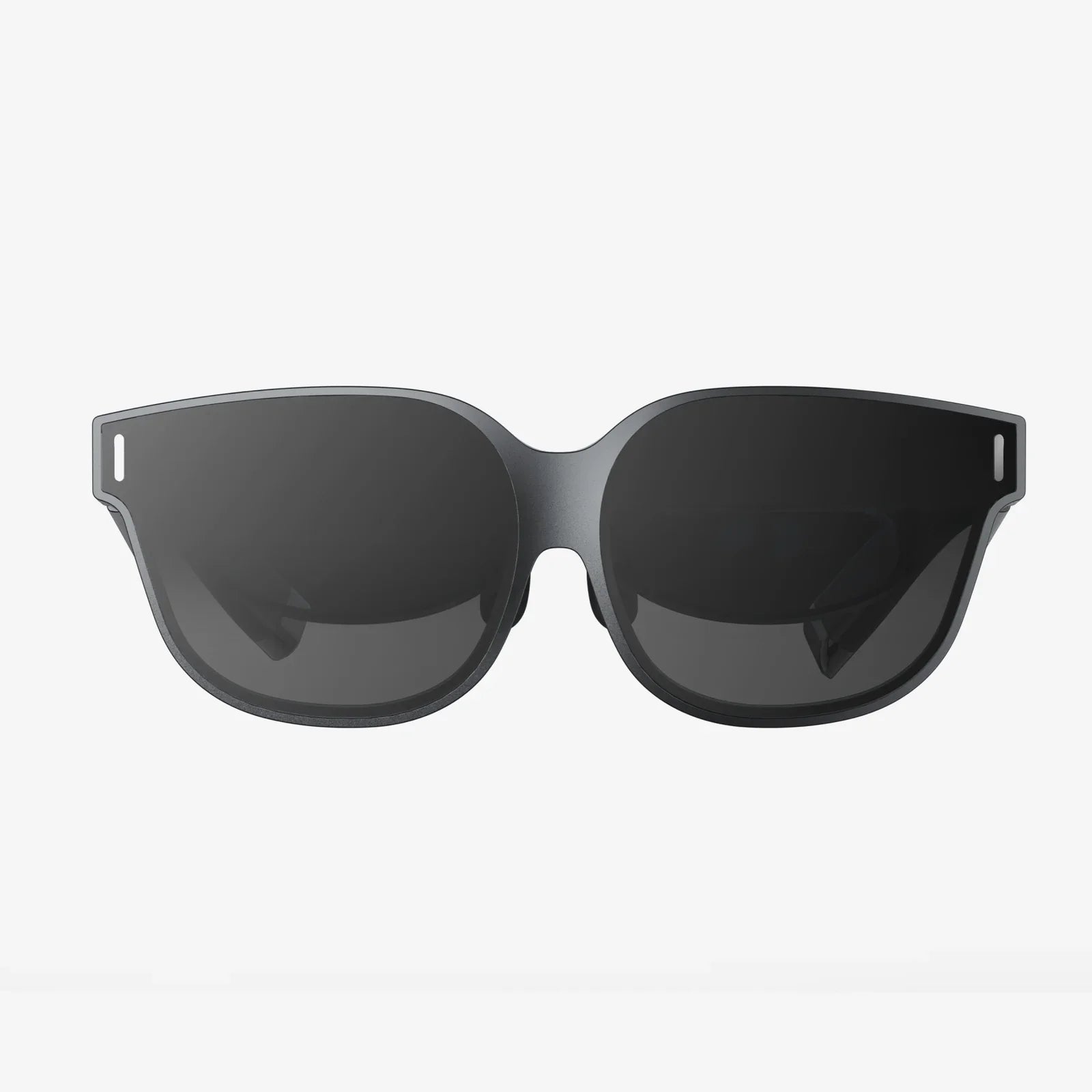
Imagine slipping a portable universe over your eyes, transforming your humble smartphone into a gateway to breathtaking digital dimensions, heart-pounding interactive adventures, and revolutionary new ways to learn, create, and connect. This is the promise and power of 3D virtual reality glasses for smartphones, a technological marvel that has democratized immersive experiences and placed them directly into the palms of our hands. No longer confined to the realm of science fiction or prohibitively expensive hardware, VR is now an accessible reality for millions, offering a tantalizing glimpse into the future of digital interaction from the comfort of your own home.
The Democratization of Virtual Reality
Not long ago, experiencing virtual reality required a significant investment. High-end personal computers with powerful graphics cards, external sensors placed meticulously around a room, and the headset itself represented a financial barrier that kept VR as a niche hobby for enthusiasts. The advent of 3D virtual reality glasses designed for smartphones fundamentally shattered this barrier. By leveraging the sophisticated technology most people already carry in their pockets—the high-resolution display, powerful processor, gyroscope, and accelerometer of a modern smartphone—these headsets created an entirely new product category: accessible, affordable, and portable VR.
The core concept is elegantly simple yet incredibly effective. The headset itself is primarily a housing unit, featuring a set of high-quality lenses and a comfortable strap system. The user slots their smartphone into a compartment at the front of the headset. The lenses then split the phone's screen into two identical images, one for each eye, and use optical tricks to warp and focus the image, creating a stereoscopic 3D effect. The phone's internal sensors track the movement of the user's head, updating the view in real-time to create a convincing and immersive sense of being inside a virtual space. This ingenious design eliminates the need for built-in screens and external processing power, dramatically reducing the cost and complexity of the hardware.
How It Works: The Magic Behind the Lenses
To truly appreciate the innovation of these devices, it's helpful to understand the components that make the magic happen.
The Headset Architecture
At its heart, a smartphone VR headset is an optical device. The most critical components are the lenses. These are not simple magnifying glasses; they are specially designed aspherical lenses that correct for distortion and create a wide field of view (FOV). The FOV is crucial—it determines how much of your vision is occupied by the virtual world. A wider FOV reduces the "goggle effect" and enhances the feeling of immersion. The headset also includes a divider between the lenses to ensure each eye only sees its designated image, which is essential for the 3D effect. Comfort is achieved through adjustable head straps, often with extra padding around the faceplate to block out ambient light and further deepen the immersion.
The Smartphone's Role
Your smartphone is the engine of the entire experience. Its display provides the visual content. Higher resolution screens (Quad HD or 4K) result in a sharper, clearer image with less visible "screen door effect" (the faint lines between pixels). The phone's internal Inertial Measurement Unit (IMU)—a combination of the gyroscope, accelerometer, and magnetometer—acts as the tracking system. It detects rotational head movements (looking up, down, left, right) with impressive speed and accuracy. This rotational tracking is known as three degrees of freedom (3DoF). While high-end standalone and PC-powered VR systems offer six degrees of freedom (6DoF), which includes positional tracking (leaning side-to-side, ducking, moving through space), 3DoF is perfectly suited for a vast array of experiences like 360-degree videos, cinematic viewing, and many games.
The Software Ecosystem
The hardware is useless without the software to power it. App stores host a wealth of VR-specific applications. These apps are designed to render two distinct images side-by-side, precisely formatted for the headset's lenses. They also directly interface with the phone's sensors to translate real-world movements into virtual ones. The ecosystem includes everything from dedicated VR platforms that serve as hubs for experiences to individual games, educational apps, and video players.
A Universe of Experiences Beyond Gaming
While gaming is often the first application that comes to mind, the utility of smartphone VR extends far beyond it, touching numerous aspects of life and industry.
Revolutionizing Entertainment and Media
One of the most popular uses is immersive media consumption. Imagine watching a movie on a virtual screen that feels 100 feet wide while sitting in your living room. VR cinema apps create this exact experience. Furthermore, 360-degree videos and photos allow users to step inside the action. You can stand on the edge of a volcano, swim with sharks, or attend a live concert from the best seat in the house, all captured from a first-person perspective. This technology has given rise to a new form of storytelling and documentary filmmaking, creating empathy and understanding by virtually placing viewers in someone else's shoes.
Transforming Education and Training
Educators are harnessing the power of VR to create engaging and memorable learning experiences. Instead of reading about ancient Rome, students can take a virtual walking tour of the Colosseum. Medical students can practice complex procedures on virtual patients without any risk. This technology enables experiential learning, where students can interact with and manipulate complex subjects like human anatomy, molecular structures, or historical events, leading to significantly improved knowledge retention.
Enhancing Design and Visualization
Architects, interior designers, and engineers are using smartphone VR as a powerful visualization tool. Clients can don a headset and take a photorealistic virtual walkthrough of a building that hasn't been constructed yet. This allows for design feedback and modifications long before ground is broken, saving time and resources. Similarly, product designers can examine 3D models at full scale, identifying potential flaws and improving ergonomics in a virtual space.
Expanding Travel and Real Estate
The travel industry offers virtual previews of destinations, hotels, and attractions, helping tourists make more informed decisions. For real estate, virtual property tours have become invaluable, especially for international or remote buyers. They can explore every room of a house at their convenience, without having to physically travel to the location.
Limitations and Considerations
Despite their incredible accessibility, smartphone-based VR systems do have inherent limitations when compared to their high-end counterparts. The primary constraint is the 3DoF tracking. The inability to move physically within the virtual space limits the types of interactive experiences possible. Furthermore, the graphical fidelity is entirely dependent on the smartphone's processing power, which, while impressive, cannot match a dedicated gaming PC. This can lead to a lower polygon count in complex environments and less sophisticated lighting effects. Another common challenge is potential discomfort or "cybersickness," a form of motion sickness induced when there is a disconnect between what the eyes see and what the inner ear feels. This can be mitigated with high, stable frame rates and gradual acclimatization. Finally, prolonged use can lead to eye strain and general fatigue, making it important to take regular breaks.
The Future of Accessible Immersion
The technology behind 3D virtual reality glasses for smartphones continues to evolve. We are seeing the integration of basic controllers for more intuitive interaction, and some headsets are beginning to incorporate additional sensors to approximate limited positional tracking. As smartphone technology advances—with faster processors, higher-resolution displays, and better batteries—the quality of these mobile VR experiences will only improve. Furthermore, the line between mobile and standalone VR is blurring, with some headsets now offering optional external processing units or working in tandem with cloud-based rendering solutions.
The true legacy of smartphone VR is its role as a gateway drug to the metaverse. It introduced the masses to the concept of digital immersion at an entry-level price point, fostering a vast community of users and developers. It proved that there is a massive appetite for virtual experiences and helped standardize the formats and software that drive the industry forward. While high-end systems will always push the boundaries of what's possible, the affordable and accessible nature of smartphone-powered VR ensures that the transformative potential of this technology can be shared by everyone, everywhere.
Your next great adventure, a front-row seat at a historic event, or a masterclass in a new skill—it's all waiting, hidden within the screen you use every day, ready to be unlocked with a simple pair of lenses. The portal to countless realities is more affordable and accessible than ever before, inviting you to look closer and discover what happens when the digital and physical worlds seamlessly collide.
Share:
Human–Computer Interaction: The Invisible Thread Weaving Our Digital Future
AR Glasses Under 100: The Ultimate Guide to Affordable Augmented Reality