


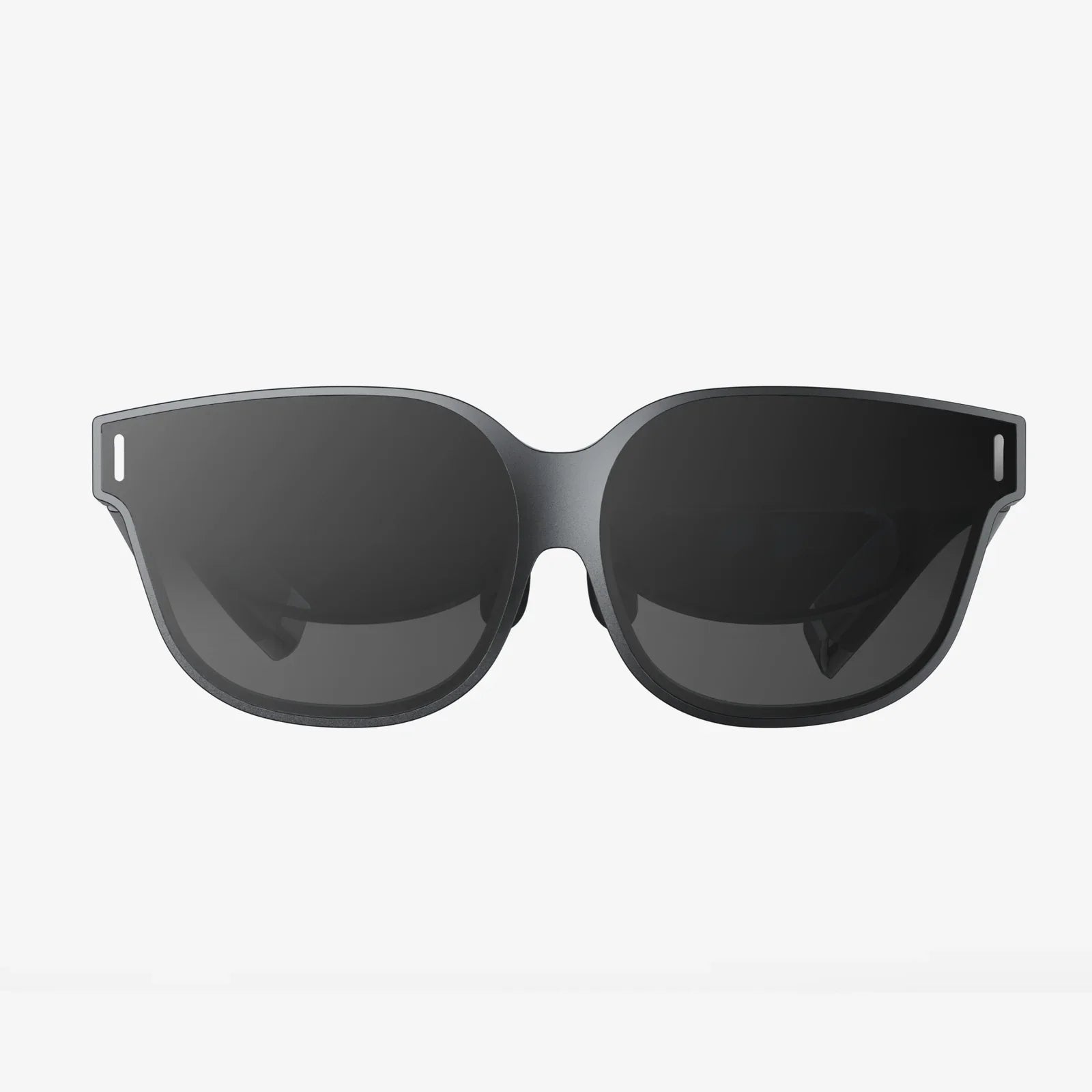
Imagine sitting on your morning commute, in a cramped airplane seat, or simply on your living room couch, and with the flick of a switch, the world around you dissolves into a vast, private cinema screen. This is no longer the stuff of science fiction; it's the tangible reality offered by 3D virtual screen video glasses, a technology poised to revolutionize how we consume media, work, and play. These sleek, head-worn displays are gateways to immersive worlds, offering an unparalleled combination of portability, privacy, and cinematic scale that challenges the very definition of a screen.
The Anatomy of Immersion: How It Works
At their core, 3D virtual screen video glasses are a marvel of optical engineering and digital processing. Unlike their bulkier virtual reality counterparts that aim for full environmental immersion, these devices are designed with a different, yet equally compelling, purpose: to project a high-resolution, large-scale virtual screen that appears to float in space before the user's eyes.
The magic begins with two miniature high-resolution displays, typically OLED or Micro-OLED, housed within each eyepiece. These displays generate the raw image. Sophisticated optics, including precision lenses and sometimes built-in diopter adjustments for those with less-than-perfect vision, then magnify and focus this image. The brain perceives this magnified image as if it were emanating from a much larger source located several meters away, effectively creating the illusion of a massive, floating display—often equivalent to watching a screen measuring over 100 inches from a prime theater seat.
For 3D content, the process involves delivering a slightly different image to each eye, replicating the stereoscopic vision we experience in the real world. This depth information is processed by the brain to create a convincing and engaging three-dimensional effect, making movies and games leap out of the perceived screen.
Beyond the Hype: Tangible Benefits and Applications
The appeal of this technology extends far beyond a simple 'wow' factor. It solves several practical challenges associated with traditional screens.
A Personal Cinema, Anywhere
The most immediate application is in entertainment. For travelers, these glasses are a game-changer, transforming a noisy cabin into a first-class entertainment suite. You can watch films, binge-watch series, or view 3D Blu-rays without being disturbed or disturbing others. The complete privacy also means you can enjoy your content without prying eyes, a significant advantage in public spaces. The immersive nature of the experience, free from the distractions of your environment, allows for a deeper connection with the content, whether it's the latest blockbuster or a breathtaking nature documentary.
Redefining the Mobile Workspace
For professionals and digital nomads, 3D virtual screen glasses offer a radical solution to mobile productivity. By connecting to a laptop, smartphone, or even a cloud computer, they can instantaneously create a multi-monitor setup anywhere. Imagine working on a sprawling digital canvas with your primary document on a virtual 100-inch screen, effectively eliminating the need to constantly tab between applications on a small laptop display. This portable office setup is invaluable for programmers, writers, designers, and anyone who needs extensive screen real estate to be effective while on the move.
Accessibility and Comfort
This technology also holds great promise for accessibility. Individuals with physical limitations that make interacting with a traditional monitor difficult could use these glasses to place a screen in their optimal field of view. Furthermore, for those seeking ergonomic relief from neck and back strain caused by hunching over laptops or tablets, the ability to sit or lie back comfortably while still maintaining a perfect view of a large, high-resolution display can be a significant health benefit.
Navigating the Considerations: What to Know Before You Dive In
As with any emerging technology, there are important factors to consider. The experience is not universally perfect and understanding these nuances is key to setting the right expectations.
Visual Comfort and Biological Quirks
The human visual system is complex. Some users may experience eye strain or headaches during initial use, often a result of the Vergence-Accommodation Conflict. In the real world, our eyes converge (cross) and their lenses accommodate (focus) in tandem when looking at close objects. With stereoscopic 3D displays, the eyes must converge on a virtual 3D object, but must still accommodate to the fixed focal distance of the physical screens inside the glasses. This disconnect can cause discomfort for some, though many adapt over time. Choosing models with high refresh rates (90Hz or above) and high pixel-per-degree density can drastically reduce this issue by providing a smoother, sharper image that's easier on the eyes.
The Trade-off: Immersion vs. Awareness
While immersion is a primary selling point, it comes with a trade-off in situational awareness. When engaged with a virtual screen, your perception of your immediate physical environment is greatly reduced. This makes it unsuitable for activities that require constant attention to your surroundings, like walking down a street or watching children. These glasses are best used while seated in a safe, controlled environment. Some newer models are beginning to incorporate rudimentary pass-through cameras or ambient light sensors to help blend the virtual and real worlds, but this functionality is still in its infancy compared to full augmented reality headsets.
Content and Compatibility
Not all content is created equal. The experience is most stunning with high-bitrate 1080p or 4K video sources. Low-resolution or heavily compressed streams can look noticeably poor when magnified to a virtual large screen. Furthermore, while most glasses support standard 2D video playback, accessing true 3D content from sources like 3D Blu-ray players or specific digital files requires ensuring your media player and source device support the necessary output protocols. Audio is another consideration; while many glasses include built-in headphones or speakers, audiophiles may prefer to connect their own high-quality headphones for a truly premium sonic experience to match the visual spectacle.
The Future is Framed: Where Do We Go From Here?
The technology behind 3D virtual screen video glasses is on a rapid upward trajectory. We can expect future iterations to become even lighter, more comfortable, and with dramatically higher resolutions approaching 8K-per-eye clarity, making screen-door effects a distant memory. The integration of basic augmented reality features will likely become standard, allowing notifications or a clock to hover at the periphery of your virtual screen without breaking immersion.
As the underlying components like micro-displays and processors become more powerful and efficient, we will see a convergence between these dedicated media glasses and full-featured AR/VR headsets. The line will blur, creating a single device capable of switching between a focused private cinema, a productive multi-screen workstation, and an interactive augmented reality playground. The potential for social applications is also vast, enabling friends in different locations to share a virtual theater and watch a movie together as if sitting side-by-side.
We are standing at the precipice of a fundamental shift in human-computer interaction. The monitor, a technology that has tethered us to desks for decades, is being untethered. 3D virtual screen video glasses are the first confident step into a future where our digital worlds are no longer confined to rectangles of glass on our desks or in our hands, but are instead seamlessly integrated into our field of view, adaptable to our context and limited only by our imagination. The age of the personal, portable, and profoundly immersive screen is already here—are you ready to see what it has to offer?
Share:
Stereoscopic Display Glasses: Unlocking a New Dimension of Visual Experience
Virtual Wide Screen Video Glasses: The Ultimate Immersive Entertainment Experience