


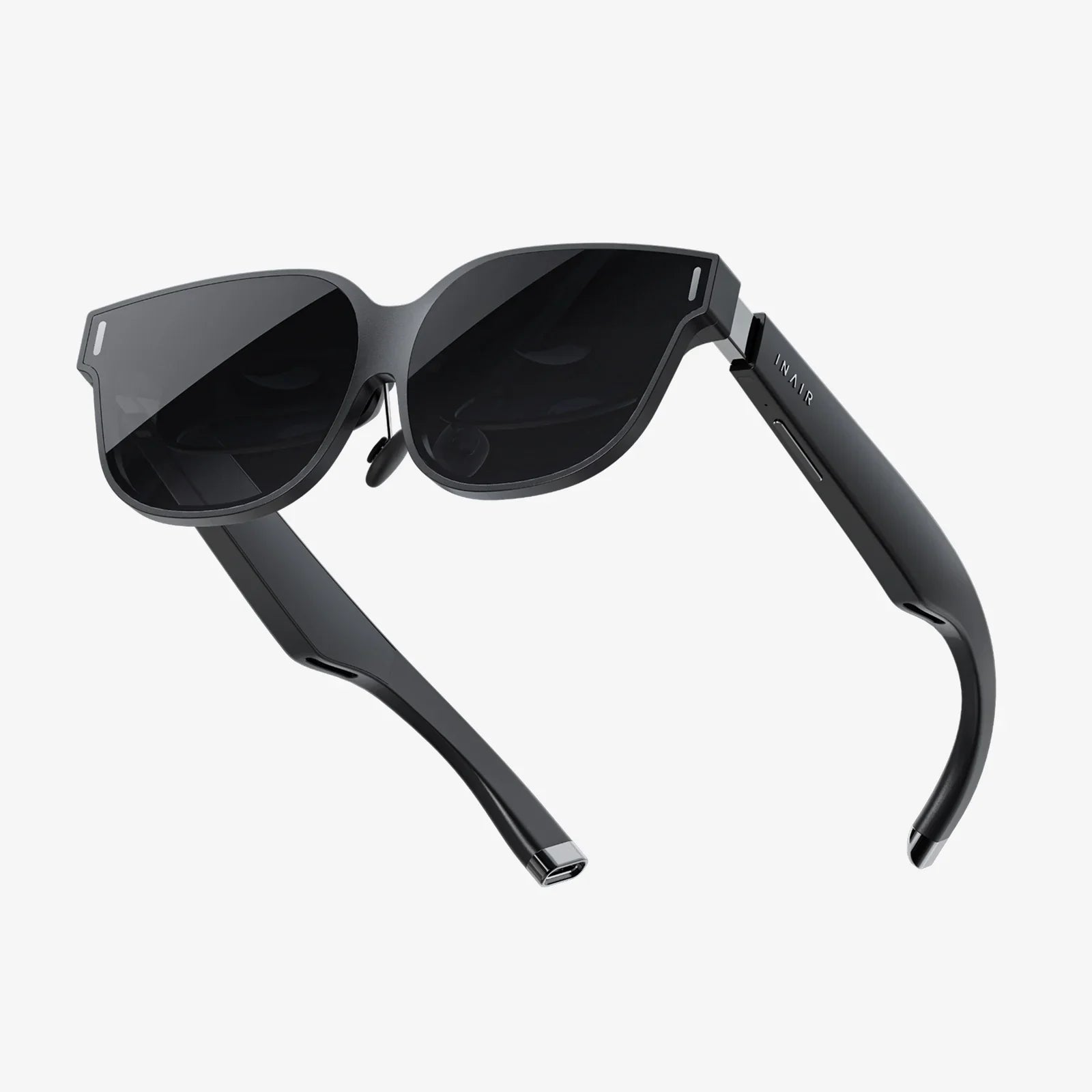
Imagine slipping on a device and instantly being transported. The familiar confines of your room dissolve, replaced by the vertiginous peak of a mountain, the intricate detail of a human cell, or the bustling bridge of a starship light-years from home. This is the promise, the magic, and the profound reality of the modern 3D VR headset. It’s not just a piece of technology; it’s a passport to experiences previously confined to the realms of dreams and science fiction, and it’s redefining the very fabric of human interaction with digital information.
The Architectural Blueprint: How a 3D VR Headset Creates Reality
At its core, a 3D VR headset is a masterclass in sensory deception, a sophisticated machine designed to trick your brain into accepting a digital world as real. This illusion is crafted through a symphony of coordinated components.
The Visual Engine: Displays and Lenses
The journey begins with two high-resolution displays, one for each eye. These screens generate the individual two-dimensional images that form the basis of the 3D world. The critical magic happens with the lenses placed between these displays and your eyes. These specialized optical lenses warp the flat images, correcting the picture to create a stereoscopic 3D effect with a wide field of view. This mimics human binocular vision, where each eye sees a slightly different perspective, and the brain combines them to perceive depth and dimension. Advanced systems now employ techniques like dynamic foveated rendering, which tracks your eye movement and renders the center of your gaze in ultra-high detail while subtly reducing the quality in your peripheral vision, a massively efficient way to maintain performance without sacrificing the sense of immersion.
The Guardian of Immersion: Tracking Systems
For the illusion to hold, the virtual world must respond to your movements with imperceptible latency. This is the role of the tracking system. Inside-out tracking uses integrated cameras and sensors on the headset itself to map the physical environment and track its own position within it. Outside-in tracking, conversely, uses external sensors placed around the room to precisely monitor the headset's location. Both systems continuously relay data—every tilt of the head, every step forward, every cautious lean to peek around a corner—to the software, which instantly adjusts the perspective on the displays. This creates the essential feeling of presence, the undeniable sensation of actually being in the virtual space.
Beyond Sight: The Sound of Reality
Visuals are only half the story. Immersive 3D spatial audio is what seals the deal. Unlike standard stereo sound, spatial audio uses complex algorithms to simulate how sound waves interact with the human head and ears. A noise from your left will subtly reach your left ear a fraction of a second earlier and with a different tonal quality than your right ear. This allows you to pinpoint the location of a creeping enemy, sense the vast emptiness of a cathedral based on its echo, or hear a character whispering directly over your shoulder. It’s a profoundly convincing layer that makes the virtual environment feel tangible and alive.
The Final Frontier: Haptics and Controllers
True immersion engages more than just sight and sound. Hand-held controllers are your primary instruments for interaction within these digital realms. Equipped with their own tracking capabilities, buttons, and triggers, they become your virtual hands. More importantly, they often feature haptic feedback—small, precise motors that generate vibrations. This can simulate the recoil of a weapon, the rumble of a vehicle, or the subtle texture of a virtual object. The emerging frontier of haptics extends to full-body suits and gloves, promising the ability to feel the weight of digital objects, the resistance of a virtual wall, and even the sensation of a virtual touch.
A Universe of Applications: Far Beyond Gaming
While gaming remains the most famous and commercially successful application, the utility of 3D VR headsets has exploded into nearly every professional and creative field.
Revolutionizing Education and Training
Imagine medical students performing intricate virtual dissections without ever touching a cadaver, or archaeology students exploring a perfectly recreated ancient Egyptian tomb. VR provides a safe, repeatable, and incredibly engaging platform for experiential learning. Flight simulators for pilots have used this technology for decades, but now it’s available for surgeons practicing complex procedures, mechanics learning to repair new engines, and public servants training for high-stakes emergency scenarios. The ability to learn by doing in a consequence-free environment is a pedagogical game-changer.
Transforming Design and Architecture
For architects and interior designers, a 3D VR headset is the ultimate tool. Instead of looking at a building blueprint on a 2D screen, they can step inside their own design before a single brick is laid. They can walk through a life-size model of a house, assessing sightlines, space, and lighting in a way that is impossible with traditional renders. Engineers use VR to prototype and examine complex machinery, identifying potential design flaws and ergonomic issues early in the development process, saving immense time and resources.
The Future of Remote Work and Collaboration
The concept of the metaverse is deeply intertwined with VR technology. It envisions a persistent virtual space for social and professional interaction. Colleagues from across the globe can meet as lifelike avatars in a virtual boardroom, interacting with 3D data models as if they were physical objects in the room. This offers a sense of shared presence and collaboration that video conferencing can never match, making remote work more intuitive and personally connected.
Empathy and Storytelling
Perhaps the most profound use of VR is its power as an empathy machine. Journalists and filmmakers are using the technology to create immersive documentaries that place you directly in the shoes of another person. You can experience the world from the perspective of a refugee, a person with a disability, or someone living in a conflict zone. This first-person, embodied experience fosters a deeper understanding and emotional connection than any traditional news report ever could, harnessing the power of presence for social good.
Navigating the Challenges: The Path to a Virtual Future
Despite the incredible progress, the journey towards perfect virtual reality is not without its obstacles.
Technical hurdles like screen door effect (seeing fine lines between pixels) have been largely overcome, but the pursuit of photorealistic graphics, wider fields of view, and eliminating all motion latency continues. Comfort remains a significant barrier; headsets need to become lighter, less cumbersome, and eliminate issues like VR-induced motion sickness for a wider audience.
Furthermore, the social and ethical implications are vast. As we spend more time in richly rendered virtual worlds, questions about data privacy, psychological effects, and the potential for addiction need careful consideration. Establishing etiquette and norms for social interaction in these spaces is a cultural project that is just beginning.
Finally, the issue of accessibility is paramount. The cost of high-end equipment, the physical requirements for its use, and the need for inclusive design must be addressed to ensure the virtual future is open to all, not just a privileged few.
The humble 3D VR headset has already shattered the screen that once separated us from digital content. It has evolved from a novel gaming peripheral into a foundational technology with the potential to reshape how we learn, work, create, and connect. The boundaries between the physical and the digital are blurring, and these devices are our lenses into this new hybrid reality. The experiences are no longer just something we watch; they are something we live, breathe, and inhabit. The door to countless other worlds is now open, waiting for you to take that first step through and see what wonders lie on the other side.
Share:
What's a VR Headset? A Deep Dive into Virtual Reality Technology
What Did The First VR Headset Look Like? A Journey To The Birth Of A New Reality