


Imagine standing on the surface of Mars, the red dust crunching under your virtual boots as you gaze at a pale sun in a pinkish sky. Picture yourself front row at a concert, not just watching the performance but feeling the energy of the crowd pulsating around you. Envision walking through a meticulously reconstructed ancient Roman city, able to look in every direction, to reach out and almost touch the weathered stone. This is the unparalleled promise of 3D VR video—a technology that doesn’t just show you a story but invites you to step inside it, transforming the passive act of viewing into the active experience of being. It’s the closest humanity has come to the holodeck, a gateway to any reality imaginable, and it’s reshaping our very perception of digital content.
The Anatomy of Immersion: How 3D VR Video Works
At its core, 3D VR video is a symphony of complex technologies working in harmony to fool the brain into accepting a digital reality. Unlike traditional film, which presents a single, flat rectangle of imagery, 3D VR video captures a full sphere of visual and auditory data.
The process begins with specialized camera rigs equipped with multiple lenses, each capturing a specific segment of the 360-degree environment simultaneously. Advanced software then stitches these individual feeds together into a seamless, spherical video. The magic of depth—the "3D" element—is achieved through stereoscopy. By capturing two slightly offset images for each eye (simulating human binocular vision), the brain merges these signals to perceive depth and dimension, creating a convincing illusion of a three-dimensional space.
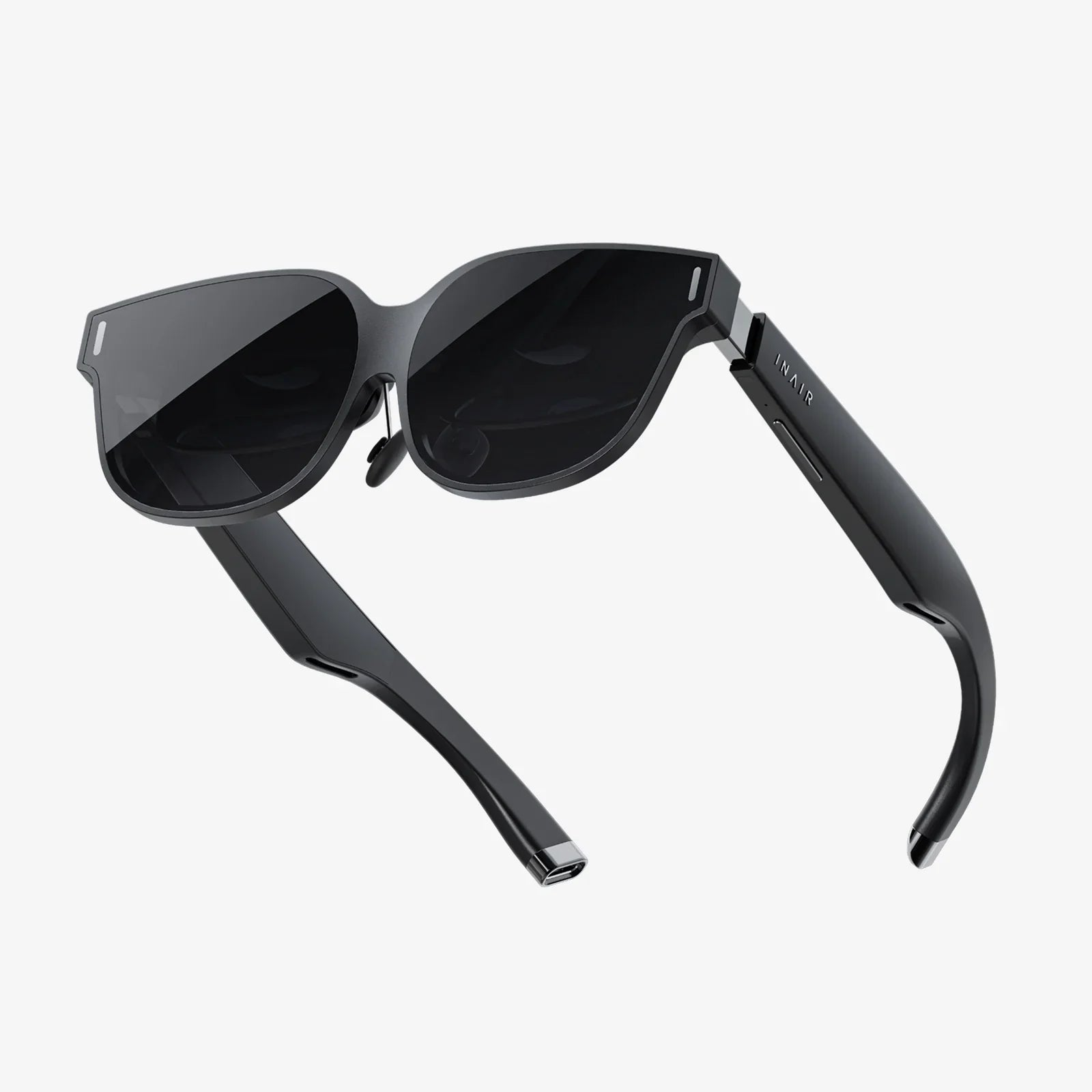
This spherical video is then viewed through a head-mounted display (HMD). Inside the headset, motion sensors track the user's head movements in real-time. When you look up, down, left, or right, the video perspective instantly adjusts to match. This critical feature, known as head-tracking, is what completes the illusion of presence. You are not watching a screen; you are inside a responsive world that moves with you. High-quality spatial audio completes the sensory package, with sounds emanating from their correct locations within the virtual space, whether it's a whisper behind you or an explosion overhead.
Crafting Worlds: The Art and Science of Production
Creating compelling 3D VR content is a radical departure from traditional cinematography. The old rules of framing, editing, and directing the viewer's attention are rendered obsolete. In a 360-degree environment, the user controls the camera. This presents a profound creative challenge: how do you tell a story when the audience can look anywhere they want?
Pre-production becomes more critical than ever. Every element within the sphere—sets, props, lighting, actors—must be meticulously planned and placed, as anything can end up in the viewer's sightline. There is no "off-camera." Directors must learn to guide attention through diegetic elements: using sound, movement, light, and natural narrative flow to encourage the viewer to turn and discover the story, rather than forcing it upon them.
Post-production is equally complex. The stitching process must be flawless to avoid visual seams that break immersion. Editing requires new techniques; hard cuts can be jarring in VR, so creators often use fades or clever transitions that match the viewer's natural exploration. Furthermore, the entire workflow generates massive data files, demanding significant computational power for processing and rendering.
Beyond Entertainment: The Expansive Applications of 3D VR
While gaming and cinematic experiences are the most visible applications, the true potential of 3D VR video extends far beyond entertainment, revolutionizing fields from education to corporate training.
Education and Training
3D VR video offers the ultimate tool for experiential learning. Medical students can "stand" in a virtual operating theater, observing complex procedures from the surgeon's perspective. History classes can take field trips to ancient Egypt or the trenches of World War I. Trainees in high-risk professions like aviation, law enforcement, or heavy machinery operation can practice dangerous scenarios in a completely safe, controlled, yet hyper-realistic environment, building muscle memory and critical decision-making skills without any real-world consequence.
Virtual Tourism and Real Estate
This technology demolishes geographical and physical barriers. Individuals with mobility issues or limited means can explore the Louvre in Paris, hike Machu Picchu, or dive the Great Barrier Reef. Real estate agents can offer immersive virtual tours of properties, allowing potential buyers to walk through homes at any time, from anywhere in the world, making the market more accessible and efficient.
Remote Collaboration and Social Connection
3D VR video is paving the way for the next evolution of communication. Instead of a grid of faces on a video call, teams from across the globe can meet in a persistent virtual boardroom, interacting with 3D models and data visualizations as if they were physical objects in the room. This sense of shared presence fosters a deeper level of connection and collaboration than traditional teleconferencing can ever achieve, making physical distance increasingly irrelevant.
Therapeutic and Healthcare Applications
Therapists are using 3D VR for exposure therapy, gradually and safely exposing patients to phobias like fear of heights or flying within a controllable virtual environment. It's also used for pain management, distraction therapy, and rehabilitation, helping stroke victims re-learn motor skills in engaging virtual settings.
Navigating the Frontier: Challenges and Considerations
Despite its immense potential, the world of 3D VR video is not without its hurdles. Widespread adoption is still challenged by the cost of high-quality headsets and the powerful computing hardware required for the best experience. A significant portion of users also experiences cybersickness, a form of motion sickness caused by a disconnect between visual motion cues and the body's vestibular sense.
Furthermore, the ethical and psychological implications are profound. Creating such convincing simulations raises questions about privacy, data security, and the potential for misuse. The intensity of the experience also demands a new framework for content creation ethics—how do we protect users from overly traumatic or manipulative experiences in a medium that feels so real?
Finally, there is the challenge of accessibility. Ensuring that this powerful tool for experience and connection is available to people with different physical abilities is a crucial hurdle the industry must overcome.
The Horizon of Presence: What the Future Holds
The evolution of 3D VR video is accelerating at a breathtaking pace. We are moving towards higher resolutions, wider fields of view, and lighter, wireless headsets that will make the technology more comfortable and accessible. The integration of haptic feedback technology will add the sense of touch, allowing users to feel the virtual world through specialized gloves and suits.
Perhaps the most exciting frontier is the development of volumetric video, which captures not just a spherical view but a full 3D model of a person or object, allowing users to walk around it freely. This will enable truly interactive experiences with recorded performances. Combined with advancements in artificial intelligence, future VR experiences could feature dynamic, responsive environments and digital humans that interact with users in real-time, blurring the line between recorded video and live simulation.
We are standing at the precipice of a new era of human experience. 3D VR video is more than just a new type of media; it is a fundamental shift in the paradigm of storytelling and communication. It is the technology that will finally dissolve the screen that has separated us from our digital creations, offering not just a window to other worlds, but a door. And that door is now open, waiting for you to take the first step into a reality limited only by imagination.
Share:
AI Creative Tools: The New Renaissance of Human Imagination and Expression
Everysight Smart Glasses Are Redefining Reality and How We Interact With Information