


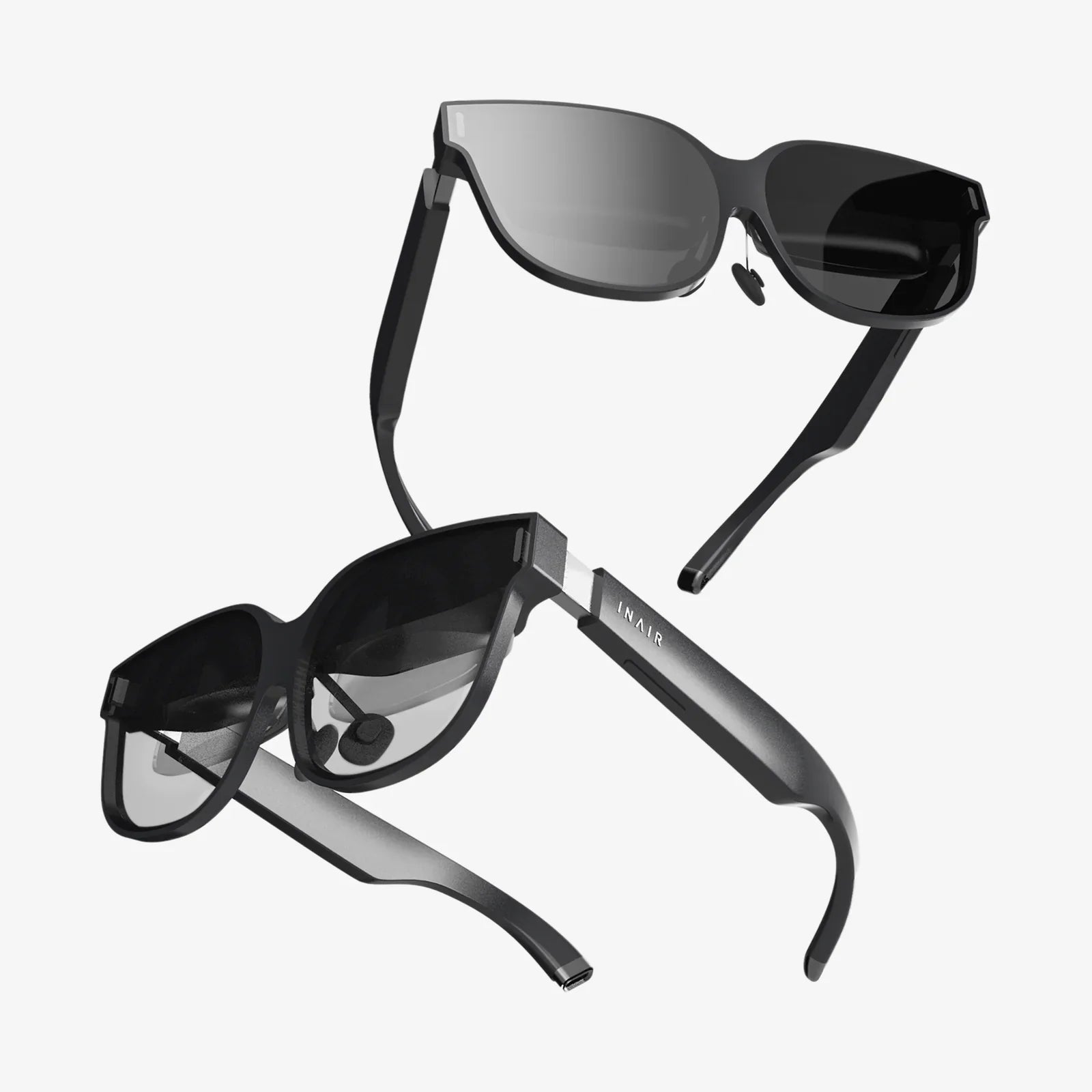
Imagine stepping into a virtual world where you not only see and hear everything around you, but also feel the wind on your face, the rumble of the ground beneath your feet, and the gentle spray of ocean mist on your skin. This is the promise of the 4d vr experience, a new generation of immersive technology that is transforming how we play, learn, work, and connect. If virtual reality once felt like a glimpse of the future, 4D VR feels like the moment that future becomes real.
The term 4d vr experience describes a blend of traditional VR visuals and audio with additional sensory inputs such as motion, vibration, temperature, scent, and even haptics that respond to your actions in real time. Rather than simply watching a virtual world through a headset, you become part of that world in a way that feels surprisingly physical. As hardware and software continue to evolve, 4D VR is rapidly moving from experimental attractions into homes, classrooms, offices, and remote collaboration spaces.
What Is a 4d vr experience?
A 4d vr experience is an immersive digital environment that goes beyond sight and sound by adding physical sensations synchronized with virtual content. Traditional VR is often described as a three-dimensional visual and audio simulation. The "fourth dimension" in 4D VR typically refers to time-based effects and real-world sensory feedback that are coordinated with the events happening in the virtual space.
Instead of passively viewing a virtual scene, you feel it. When a virtual helicopter flies overhead, you might feel a gust of air. When an explosion occurs, your seat may shake. When you walk through a snowy landscape, cool air and subtle vibrations can make the environment feel more convincing. These synchronized effects create a deeper sense of presence, the psychological state in which your brain starts to accept the virtual world as if it were real.
Core Components of a 4d vr experience
To understand why 4D VR feels so different from traditional VR, it helps to break down the main components that work together to generate this heightened sense of immersion.
1. Visual Immersion
At the heart of any 4d vr experience is a high-quality visual display that surrounds the user with a 360-degree virtual environment. Head-mounted displays or large projection domes present stereoscopic images that create depth perception. High resolution, wide field of view, and low latency are essential to avoid motion sickness and to maintain the illusion that the virtual world is solid and stable.
Advanced visual features such as realistic lighting, shadows, reflections, and detailed textures strengthen the sense of realism. In some setups, eye-tracking is used to adjust focus and depth of field dynamically, making the virtual environment respond more naturally to where the user is looking.
2. Spatial Audio
Audio is a critical part of a convincing 4d vr experience. Spatial or 3D audio engines simulate how sound behaves in a real environment, including direction, distance, and reverberation. When you turn your head, the audio cues shift accordingly, helping your brain locate virtual objects and environments with surprising accuracy.
Subtle sound design details—like footsteps behind you, distant thunder, or the muffled echo of a large hall—play a major role in making the virtual world feel alive. In 4D VR, audio often works hand in hand with physical effects to reinforce the illusion of presence.
3. Motion and Vibration
One of the defining features of a 4d vr experience is motion. Motion platforms, moving seats, and vibration systems are synchronized with the virtual content to simulate movement, impact, or environmental changes. You might feel the tilt of a virtual roller coaster, the rumble of a vehicle, or the subtle vibration of machinery.
Well-designed motion cues do more than just provide thrills; they help your inner ear and visual system stay aligned, which can reduce motion sickness. For example, when the virtual camera accelerates, a corresponding tilt or vibration from the motion platform can make the acceleration feel more natural.
4. Environmental Effects
Environmental effects are what most people think of when they hear the term 4D: wind, mist, heat, cold, and sometimes even scent. In a 4d vr experience, these effects are triggered at precise moments to match what is happening in the virtual scene.
- Wind: Fans or air jets simulate breezes, gusts, or high-speed movement.
- Water and mist: Fine sprays mimic rain, splashes, or ocean spray.
- Temperature: Heaters or coolers suggest warmth from a fire or chill from snow and ice.
- Scent: Scent diffusers can release smells associated with forests, oceans, smoke, or other environments.
These environmental cues tap into senses that are rarely engaged by digital media, making the 4d vr experience feel remarkably tangible.
5. Haptics and Wearable Feedback
Haptic technology adds another layer of realism by simulating touch and impact. In some 4D VR setups, users wear vests, gloves, or other devices that vibrate or apply pressure to specific parts of the body. When a virtual object brushes your arm or a projectile hits your chest, haptic feedback can give you a physical sensation in the corresponding area.
Advanced haptic systems can simulate textures, resistance, and even the weight of virtual objects. This makes interactions in a 4d vr experience feel more natural and intuitive. Instead of simply pressing buttons, users can grab, push, pull, and manipulate virtual items with a sense of physical connection.
6. Interactive Storytelling and Real-Time Control
Interactivity is what turns 4D VR from a fancy movie into a living world. Tracking systems monitor head movement, hand position, body posture, and sometimes even facial expressions. These inputs let the virtual environment respond in real time to the user’s actions.
In a 4d vr experience, the story can branch based on your choices, your gaze, or your physical movements. You might unlock different scenes by exploring, solve puzzles by manipulating objects, or influence characters by where you go and what you do. This real-time feedback loop is essential for creating a sense of agency and engagement.
How a 4d vr experience Works Behind the Scenes
Even though a 4d vr experience feels seamless to the user, there is a complex interplay of hardware and software working in the background. Understanding this technical foundation can help you appreciate the sophistication involved.
Hardware Infrastructure
A typical 4D VR setup includes several categories of hardware:
- Head-mounted display or projection system: Provides stereoscopic visuals and head tracking.
- Input devices: Controllers, hand-tracking cameras, or full-body trackers capture user movements.
- Motion platform or seats: Mechanisms capable of tilting, vibrating, or moving in multiple directions.
- Environmental systems: Fans, heaters, coolers, mist sprayers, and scent diffusers.
- Haptic devices: Wearable vests, gloves, or localized vibration modules.
- Computing hardware: High-performance processors and graphics units to render the environment and coordinate all effects.
All of these components must be precisely synchronized so that what you see, hear, and feel happens at the right moment. Even a small delay between visual and physical effects can break immersion or cause discomfort.
Software and Content Integration
The software layer of a 4d vr experience typically involves a game engine or simulation platform that renders the virtual world and manages interactive logic. On top of this, a control system orchestrates the physical effects. When something happens in the virtual environment—such as a car accelerating or a door slamming—the software sends signals to the motion platform, haptic devices, and environmental systems.
Content creators must design scenes with these effects in mind. They script when and how the seat should move, how strong the wind should be, and when to trigger vibrations or temperature changes. Testing and calibration are crucial, because the timing and intensity of effects can significantly influence user comfort and perceived realism.
Applications of 4d vr experience Across Industries
Although many people first encounter 4D VR in entertainment venues, the technology is rapidly expanding into other fields. The combination of immersion, interactivity, and physical feedback makes it a powerful tool in areas where realism and engagement are critical.
Entertainment and Gaming
Entertainment remains the most visible use case for the 4d vr experience. Theme parks, arcades, and dedicated VR attractions use 4D effects to turn rides and games into unforgettable adventures. Users can fly through fantasy worlds, race at high speeds, or explore dangerous environments while their bodies experience synchronized motion, wind, and other effects.
At home, more compact versions of 4D VR are emerging, such as motion-enabled chairs, haptic accessories, and modular environmental devices. These systems can transform traditional VR games into more intense and engaging experiences without requiring a large dedicated space.
Education and Training
Education is another area where a 4d vr experience offers unique advantages. Instead of reading about historical events, scientific phenomena, or distant locations, learners can step into them. They might walk through ancient cities, dive into the human body, or travel through outer space while feeling vibrations, temperature changes, and other sensory cues that reinforce the lesson.
In professional training, 4D VR can simulate complex or hazardous scenarios that would be difficult or dangerous to recreate in real life. For example, emergency responders can practice rescue operations with realistic smoke, heat, and vibrations. Pilots, drivers, and machine operators can train in environments that mimic real-world conditions, improving muscle memory and decision-making skills without putting anyone at risk.
Healthcare and Therapy
Healthcare providers are exploring 4d vr experience setups for both clinical and therapeutic purposes. Immersive simulations can help medical students practice procedures in a highly realistic environment. Surgeons can rehearse complex operations using detailed anatomical models enhanced by haptic feedback that simulates tissue resistance.
In therapy, 4D VR can be used for exposure treatment, pain management, and rehabilitation. Patients dealing with phobias or anxiety may gradually confront triggering situations in a controlled virtual environment that feels real but remains safe. For pain management, immersive experiences combined with gentle haptic and environmental feedback can distract patients during uncomfortable procedures or recovery.
Tourism and Cultural Heritage
Tourism and cultural institutions are using 4d vr experience installations to bring distant or fragile sites to life. Museums can offer visitors virtual tours of historical locations, complete with environmental effects that evoke the climate, atmosphere, and sounds of the past. Ancient structures that are too delicate for large crowds can be explored in virtual form, preserving them while still allowing people to experience their scale and beauty.
Travel agencies and destinations may use 4D VR previews to inspire visitors. Potential travelers can sample the feeling of standing on a mountaintop, strolling through a bustling city, or relaxing on a beach, complete with wind, temperature shifts, and ambient sounds that make the preview feel like a genuine visit.
Architecture, Design, and Engineering
In architecture and design, a 4d vr experience can help professionals and clients understand how a space will feel before it is built. Instead of examining flat blueprints or static 3D models, stakeholders can walk through a full-scale virtual environment. Motion and haptic feedback can simulate elevators, moving structures, or mechanical systems.
Engineers can use 4D VR simulations to test how people will interact with complex systems, from vehicles to industrial equipment. By experiencing these designs in an immersive environment, they can identify usability issues, safety concerns, or ergonomic problems early in the development process.
Benefits of Embracing a 4d vr experience
The rise of 4D VR is not just a matter of novelty. It offers tangible advantages that are driving adoption across industries.
Deeper Engagement and Presence
The primary benefit of a 4d vr experience is the heightened sense of presence. When multiple senses are engaged in harmony, your brain is more likely to accept the virtual environment as real. This deep engagement can make entertainment more thrilling, training more effective, and education more memorable.
Users in 4D VR often report feeling emotionally connected to the experience. They remember details more vividly and respond more strongly to virtual events. For educators, trainers, and storytellers, this level of engagement is invaluable.
Improved Learning and Skill Retention
Learning research consistently shows that multi-sensory, active experiences lead to better retention than passive consumption. In a 4d vr experience, learners are not just observing; they are doing. They move, react, and interact in ways that mirror real-world behavior.
By practicing skills in a realistic virtual environment, learners build muscle memory and situational awareness that carry over into real life. This is especially important in fields where mistakes are costly or dangerous, such as aviation, medicine, and emergency response.
Safe Exploration of Risky Scenarios
One of the most powerful advantages of a 4d vr experience is the ability to simulate dangerous or high-stress situations without real-world risk. Trainees can experience fire, explosions, extreme weather, or equipment failures in a controlled environment. They can make mistakes, learn from them, and repeat scenarios until they build confidence and competence.
This safe exploration is not limited to professionals. Everyday users can explore environments they might never visit in real life, such as deep oceans, outer space, or disaster zones, gaining empathy and understanding without any physical danger.
Enhanced Collaboration and Remote Presence
As remote work and global collaboration become more common, a 4d vr experience can help bridge the gap between physical and digital presence. Teams can meet in shared virtual spaces that feel more like real rooms than flat video calls. Motion, haptics, and environmental cues can make these interactions feel more natural and engaging.
For example, a design team distributed across continents can walk through a virtual prototype together, point out issues, and make decisions as if they were standing in the same physical space. The sense of co-presence can improve communication and reduce misunderstandings.
Challenges and Limitations of 4d vr experience
Despite its promise, the 4d vr experience is not without challenges. Understanding these limitations can help users set realistic expectations and guide developers toward better solutions.
Hardware Cost and Accessibility
High-quality 4D VR setups can be expensive, especially those that incorporate advanced motion platforms, environmental effects, and haptic systems. While costs are gradually decreasing, comprehensive installations remain out of reach for many individuals and small organizations.
To address this, designers are exploring modular systems that allow users to start with basic VR and add 4D components over time. Lightweight and portable solutions are also emerging, making it easier to deploy 4D VR in classrooms, training centers, and public venues.
Comfort, Safety, and Health Considerations
Not everyone reacts the same way to a 4d vr experience. Some users may experience motion sickness, eye strain, or discomfort from haptic or environmental effects. People with certain medical conditions must be cautious about intense motion or sensory stimuli.
Developers must design experiences with adjustable settings, allowing users to control motion intensity, effect strength, and session length. Clear safety guidelines and supervision are essential, especially for younger users or those new to immersive technology.
Content Creation Complexity
Designing compelling 4D VR content is more complex than creating traditional 2D media or even standard VR. Creators must consider how each sensory effect contributes to the story or training objective. Poorly timed or excessive effects can feel gimmicky or overwhelming, while subtle, well-integrated cues can be incredibly powerful.
This complexity often requires multidisciplinary teams, combining expertise in storytelling, game design, engineering, psychology, and user experience. As tools and best practices mature, content creation will become more accessible, but it remains a significant challenge today.
Technical Integration and Maintenance
Running a 4d vr experience system involves coordinating multiple hardware and software components. Ensuring that everything stays synchronized and reliable over time requires careful setup and ongoing maintenance. Mechanical systems like motion platforms and environmental devices are subject to wear and tear.
Organizations deploying 4D VR at scale must plan for technical support, regular inspections, and software updates. Standardization and modular design can help reduce complexity, but integration remains a key consideration.
Design Principles for Effective 4d vr experience Content
To unlock the full potential of 4D VR, creators need to design experiences that respect both human perception and the unique capabilities of the technology. Several core principles can guide this process.
Balance and Subtlety Over Constant Intensity
While it is tempting to fill a 4d vr experience with continuous motion and effects, constant intensity can quickly become exhausting. The most effective experiences use contrast: quiet moments followed by bursts of action, gentle sensations punctuated by stronger cues.
Subtle environmental effects, like a soft breeze or a faint vibration, can be just as impactful as dramatic motions. They help maintain immersion without overwhelming the user’s senses.
Synchronize Effects With Narrative and Interaction
Every physical effect in a 4d vr experience should serve a purpose, whether it is advancing the story, conveying information, or reinforcing a user’s action. Random or disconnected effects can break immersion and feel like gimmicks.
For example, a vibration might signal that a machine is malfunctioning, while a sudden gust of wind could foreshadow an approaching storm. When effects are meaningfully tied to the narrative, they become part of the storytelling language rather than a distraction.
Respect User Agency and Comfort
Interactivity is central to a 4d vr experience, but user agency must be balanced with guidance. Clear visual and audio cues should indicate what actions are possible and what consequences they will have. Users should never feel trapped or forced into uncomfortable situations without warning.
Providing options to skip intense scenes, adjust effect strength, or take breaks can make 4D VR more inclusive. Designers should also consider accessibility features for users with mobility limitations or sensory sensitivities.
Test With Diverse Users
User testing is essential for refining a 4d vr experience. Different people notice different details, and what feels thrilling to one person might be overwhelming to another. By observing a diverse group of users, developers can identify common issues, adjust effect timing, and ensure that the experience is enjoyable for a wide audience.
Iterative testing also helps uncover subtle problems, such as effects that are slightly out of sync or scenes that cause discomfort. Addressing these issues can dramatically improve overall quality.
The Future of 4d vr experience
The 4d vr experience we see today is only the beginning. Several emerging trends suggest how the technology may evolve in the coming years.
More Compact and Affordable Systems
As hardware becomes more efficient and manufacturing scales up, 4D VR components are likely to become smaller, cheaper, and easier to integrate. Compact motion platforms, wearable haptics, and smart environmental devices could bring rich 4D experiences into living rooms, classrooms, and small offices.
Wireless connectivity and cloud-based rendering may further reduce the need for bulky local hardware, making 4D VR more accessible to a broader audience.
Advanced Haptics and Full-Body Tracking
Future 4d vr experience systems may incorporate more sophisticated haptic technologies, capable of simulating a wider range of sensations. Flexible wearables, smart textiles, and exoskeleton-like devices could provide detailed feedback across the entire body, from the soles of the feet to the fingertips.
Improved full-body tracking would allow virtual avatars to mirror user movements more accurately, enhancing social presence and making interactions with virtual objects feel more natural.
Artificial Intelligence and Adaptive Experiences
Artificial intelligence is poised to play a significant role in the next generation of 4D VR. AI-driven systems can adapt experiences in real time based on user behavior, preferences, and physiological responses. If a user shows signs of discomfort, the system might automatically reduce motion intensity or adjust scene pacing.
AI can also generate dynamic content, such as responsive characters, evolving environments, and personalized storylines. This could make each 4d vr experience feel unique, tailored to the individual user rather than a fixed, one-size-fits-all scenario.
Integration With Everyday Life
As 4D VR becomes more mainstream, it may blend more seamlessly into everyday activities. Virtual meetings could incorporate subtle environmental cues to indicate mood or context. Educational curricula might routinely include immersive modules. Home entertainment systems could support 4D effects for movies, interactive stories, and social experiences.
The line between physical and digital spaces may blur further as mixed reality technologies allow 4D effects to augment not just fully virtual worlds but also overlays on the real environment.
How to Get Started With a 4d vr experience
For individuals and organizations curious about exploring 4D VR, there are several practical steps to begin the journey.
Start With Core VR
If you are new to immersive technology, begin with a solid VR foundation. A reliable headset and well-designed VR content will give you a sense of how presence and interactivity work, even without 4D enhancements. Familiarity with basic VR helps you appreciate what additional sensory effects can offer.
Explore Accessible 4D Enhancements
Once you are comfortable with VR, consider adding small-scale 4D elements. Motion-enabled chairs, simple haptic accessories, or basic environmental devices can significantly enhance the experience without requiring a large investment. Look for content specifically designed to support these features.
Define Your Goals
Before investing heavily in 4d vr experience infrastructure, clarify your objectives. Are you aiming to entertain, educate, train, or collaborate? Different goals may call for different hardware configurations and content strategies. For example, a training center may prioritize realism and repeatability, while an entertainment venue might focus on intensity and novelty.
Partner With Experts
For larger projects, collaborating with experienced developers, designers, and integrators can save time and resources. These experts understand the nuances of hardware selection, content design, safety, and user experience. They can help you avoid common pitfalls and create a 4D VR deployment that aligns with your vision.
The 4d vr experience is rapidly becoming one of the most compelling ways to interact with digital content, offering a level of immersion that flat screens and traditional VR simply cannot match. Whether you are seeking unforgettable entertainment, more effective training, or new forms of storytelling and collaboration, 4D VR opens doors to worlds that feel astonishingly real. As the technology continues to mature and become more accessible, those who step into these multi-sensory environments early will not just watch the future unfold—they will feel it, moment by moment, all around them.
Share:
smartphone tablet notebook desktop ar glasses: Your Next Tech Upgrade Guide
smartphone tablet notebook desktop ar glasses: Your Next Tech Upgrade Guide