


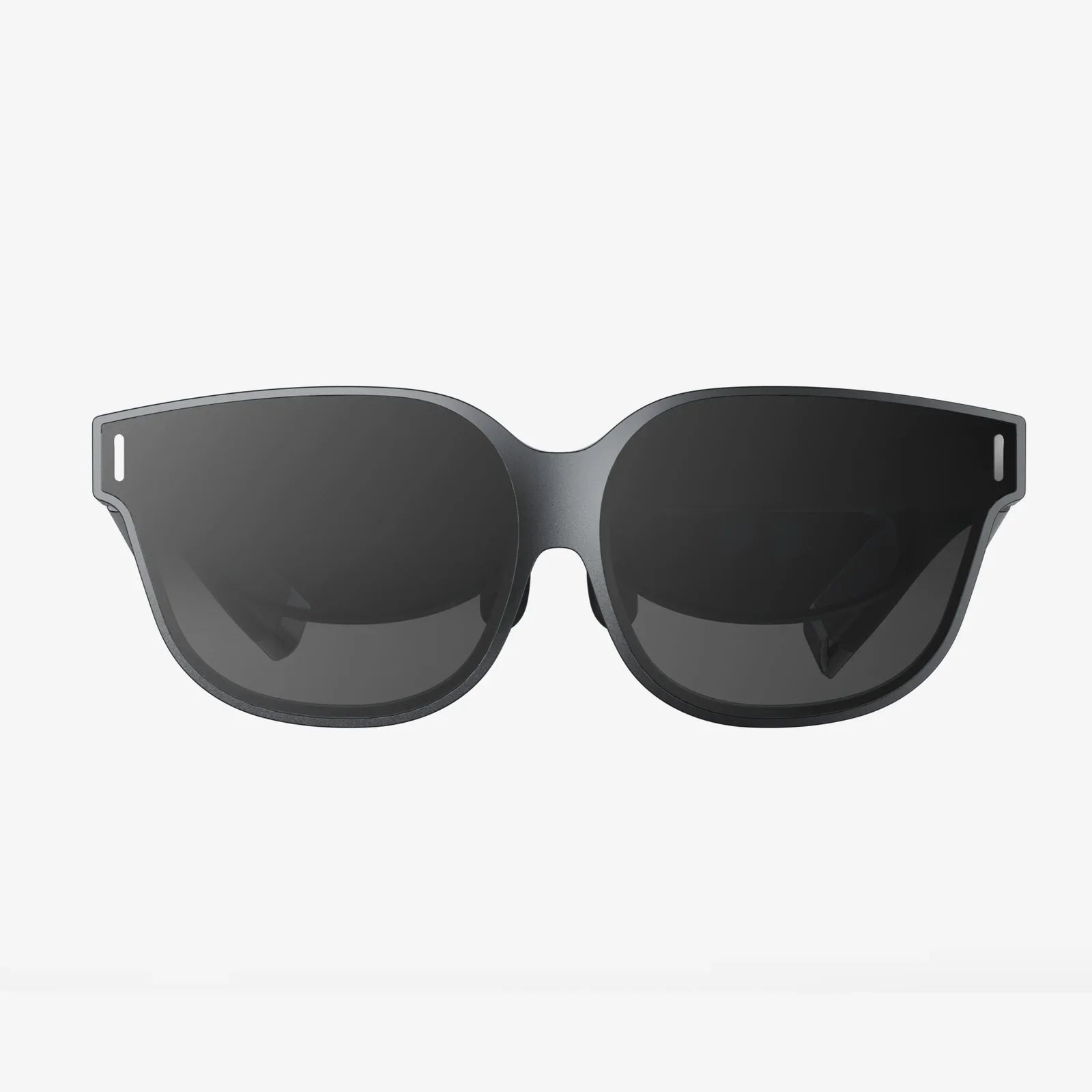
Imagine slipping on a device and being instantly transported to the edge of a volcanic crater, watching the molten rock bubble and flow with such staggering clarity that you feel the heat on your skin. Or standing center stage at a concert, close enough to see the subtle expressions on the performer's face, all from your living room. This isn't a glimpse into a distant sci-fi future; it's the palpable reality offered by the latest generation of 4K video VR headsets. The pursuit of perfect immersion has found its most critical ally yet: breathtaking resolution. The era of pixelated, dream-like simulations is over, replaced by a new age of hyper-realistic virtual experiences that challenge your very perception of reality. The door to other worlds is now open, and it's in high definition.
The Resolution Revolution: Beyond the Hype
For years, virtual reality was an exciting promise hampered by a fundamental limitation: the screen-door effect. Early adopters will remember the faint grid of black lines separating pixels, a constant reminder that they were looking at a screen mere inches from their eyes. This visual artifact was the single biggest barrier to true immersion, pulling users out of the experience and reminding them of the technology's artificial nature.
The leap to 4K resolution, specifically per-eye displays or a single display with a combined resolution nearing 4K, is the quantum jump needed to shatter this barrier. But what does "4K" actually mean in the context of a VR headset? Unlike a television where 4K (3840 x 2160 pixels) is spread across a large surface area, in VR, this immense pixel count is packed into tiny displays viewed through complex lenses that magnify the image. This density is measured in Pixels Per Degree (PPD) – a far more relevant metric than pure resolution. A higher PPD means a sharper, more detailed image where individual pixels become indistinguishable to the human eye.
The impact is immediate and profound. Text, once blurry and difficult to read, becomes crisp and legible. Distant objects in virtual environments gain definition, allowing for deeper exploration and more believable worlds. The fine texture on a character's skin, the individual leaves on a tree, the intricate details of a virtual cockpit – all are rendered with a fidelity that was previously impossible. This isn't just an incremental upgrade; it's the difference between watching a world through a frosted window and stepping through a clear, open doorway.
A Deeper Dive: The Technology Inside
Creating this seamless window into another dimension requires a symphony of advanced components working in perfect harmony. The journey to crystal-clear VR is built on more than just high-resolution displays.
The Heart of the Matter: Advanced Display Panels
Modern 4K video VR headsets primarily utilize two types of display technology: Fast-Switch LCD and OLED. Each has its own advantages. Fast-Switch LCDs offer high resolutions at a lower cost and can achieve high refresh rates, which are crucial for smooth motion. Their key strength is their ability to minimize persistence, reducing motion blur. OLED panels, on the other hand, are celebrated for their perfect black levels and incredible contrast ratio. When a pixel is off in an OLED display, it is truly black, not dark gray. This creates a much more vivid and dynamic image, especially in dark scenes, making space simulations or horror games incredibly intense.
The Brain: Processing Power and Connectivity
Pushing millions of pixels at refresh rates of 90Hz or higher is a monumental task that demands serious processing power. This is handled by a combination of the device's internal processor (for standalone units) or a powerful external computer (for PC-connected headsets). This processing is not just about rendering beautiful graphics; it also handles critical spatial calculations, tracking, and ensuring the low-latency response that is essential for preventing disorientation. For wired headsets, a high-speed connection like DisplayPort or HDMI 2.0 is mandatory to transmit the enormous amount of visual data without compression artifacts.
The Eyes: Sophisticated Lens Systems
Even the best display is useless without a proper lens system to focus the image comfortably for the user. Fresnel lenses have been common due to their thin and lightweight design, but they can introduce artifacts like god rays (glare effects around high-contrast elements). The latest generation of headsets is moving towards pancake lenses. These multi-element compound lenses are more complex but offer a significantly improved visual experience with edge-to-edge clarity, a larger "sweet spot," and the elimination of most optical distortions, further enhancing the perceived sharpness of the 4K image.
The Anchor: Precise Tracking Systems
Visual fidelity means nothing if the virtual world doesn't track your movements with perfect one-to-one accuracy. Inside-out tracking has become the standard, using multiple wide-angle cameras on the headset itself to map the physical room and track the position of the controllers without the need for external base stations. This technology continuously scans the environment, creating a real-time 3D map that allows for six degrees of freedom (6DoF) movement – meaning you can lean, crouch, dodge, and walk around within your play space, with every subtle movement reflected instantly and accurately in the virtual world.
Beyond Gaming: The Expanding Universe of 4K VR Applications
While gaming remains the most prominent driver of VR adoption, the clarity of 4K resolution unlocks a vast array of practical and transformative applications across numerous fields.
Education and Training: Learning by Doing
Imagine medical students performing virtual dissections with anatomical accuracy so precise they can see the weave of muscle fibers. Or apprentice mechanics practicing complex repairs on a hyper-realistic virtual engine, able to zoom in and examine every component in 4K detail without the cost of real equipment or the risk of error. Historical events can be re-lived, not just read about, allowing students to walk through ancient Rome or stand on the deck of a historic ship. The high resolution is critical here, as it allows for the display of fine details, text, and intricate visuals necessary for accurate learning and skills acquisition.
Virtual Tourism and Real Estate: Visit Anywhere, Instantly
The travel industry is being revolutionized. With a 4K video VR headset, you can take a guided tour of the Louvre, walk the Great Wall of China, or explore a coral reef, all with a level of detail that feels authentic. Real estate agents use 360-degree 4K cameras to create virtual walkthroughs of properties, allowing potential buyers from across the globe to "visit" a home, inspecting the finish on the kitchen counters and the view from the balcony with stunning clarity, making remote purchasing decisions far more informed and confident.
Remote Work and Collaboration: The Office of the Future
The concept of the metaverse as a workplace is gaining traction. Instead of a grid of faces on a video call, teams can meet in a persistent virtual boardroom, around a virtual prototype of a new product, or on a virtual construction site. The ability to share and interact with 3D models, data visualizations, and complex designs in high resolution makes collaboration more intuitive and effective than a flat screen could ever allow. Architects and engineers can walk clients through a building that hasn't been constructed yet, with every material and sightline perfectly rendered.
Cinematic Experiences: Your Personal IMAX Theater
Watching a movie in VR is a completely different experience. With a virtual screen that can be scaled to the size of an IMAX theater, and with the isolation from your physical environment, filmmakers can create deeply immersive narratives. 360-degree films place you at the center of the action, and the high resolution ensures that no matter where you look, the image remains sharp and engaging, free from the distracting pixels of older hardware.
The Human Factor: Comfort, Accessibility, and the Road Ahead
As with any technology, the pursuit of higher specs must be balanced with human factors. Higher resolution displays traditionally demanded more power, generating more heat and requiring heavier batteries, which could lead to discomfort during extended sessions. However, advancements in display efficiency and chipset design are continuously mitigating these issues, leading to more ergonomic and comfortable devices.
Furthermore, the increased clarity has a direct and positive impact on accessibility. Users with visual impairments who may have struggled with the blurriness of lower-resolution headsets now find VR more usable and enjoyable. The reduction in eye strain and the screen-door effect also makes the technology accessible to a broader audience who might have been previously sensitive to these issues.
The future is even brighter. We are already seeing the first whispers of headsets aiming for 8K resolution and beyond, alongside technologies like varifocal displays that dynamically adjust focus to mimic how our eyes work in the real world, and foveated rendering—a technique that uses eye-tracking to render only the area you are directly looking at in full detail, drastically reducing the processing power required without any perceived loss in quality.
The arrival of the consumer-ready 4K video VR headset is not merely a spec sheet victory; it is the crucial turning point where the technology finally meets the human eye's demand for realism. It has moved beyond a novel gadget for enthusiasts and has firmly planted itself as a powerful platform with the potential to redefine how we work, learn, play, and connect. The virtual world is no longer a low-resolution promise; it is a vivid, detailed, and breathtakingly real destination, waiting for you to take that first step inside and see it for yourself.
Share:
Advantages and Disadvantages of Extended Reality: A Deep Dive Into Our Digital Future
VR Headsets for Android: Your Ultimate Guide to Mobile Virtual Reality