


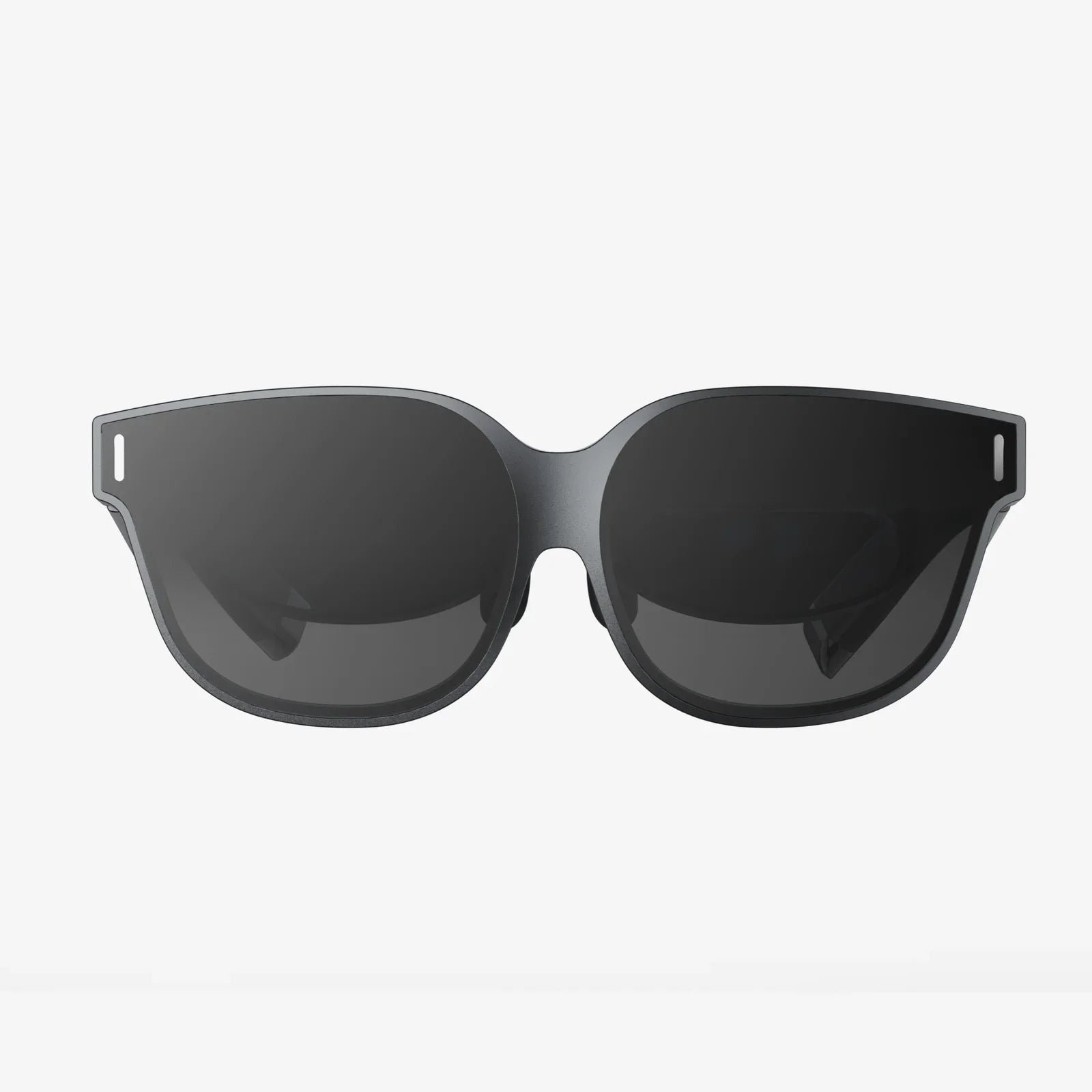
Imagine a world where the boundaries between the physical and the digital dissolve, where you can train for complex surgery, walk with dinosaurs, or collaborate with colleagues across the globe as if they were in the same room, all without leaving your home. This is the tantalizing promise of Extended Reality (XR), a technological revolution that is no longer a distant sci-fi fantasy but an unfolding reality. The journey into these immersive worlds, however, is a double-edged sword, brimming with transformative potential yet fraught with perilous pitfalls that demand our immediate and careful attention.
The Expansive Universe of Extended Reality
Before dissecting its merits and flaws, it is crucial to define the spectrum we are examining. Extended Reality is not a single technology but an umbrella term encompassing a continuum of immersive experiences.
Virtual Reality (VR) constitutes a fully digital, computer-generated environment that completely replaces the user's real-world surroundings. Through a head-mounted display and motion tracking, the user is transported into a simulated reality, effectively shutting out the physical world.
Augmented Reality (AR) overlays digital information—be it images, text, or 3D models—onto the user's view of the real world. Unlike VR, it does not create a new reality but enhances the existing one by supplementing it with contextual data, typically viewed through smartphone screens or smart glasses.
Mixed Reality (MR) sits at the most advanced intersection of the spectrum. Here, digital and physical objects not only coexist but also interact in real-time. A virtual ball can bounce off a real-world table, and a digital character can hide behind your actual sofa, creating a seamless blend where both realities influence each other.
This convergence of realities is poised to redefine human interaction with technology, information, and each other. The implications are so vast that they touch nearly every facet of society, making a balanced examination of their pros and cons not just useful, but essential.
The Compelling Advantages of an XR-Enabled World
The benefits of XR technologies are profound, offering enhancements in efficiency, understanding, and human capability that were previously unimaginable.
Revolutionizing Education and Training
Perhaps the most powerful application of XR lies in its ability to create experiential learning. Instead of reading about ancient Rome, students can take a guided virtual tour of the Colosseum. Medical students can practice intricate surgical procedures on virtual patients, making mistakes without consequences and gaining invaluable muscle memory and confidence. Mechanics can learn to repair complex machinery with digital instructions superimposed directly onto the engine. This learning-by-doing approach in a risk-free environment dramatically accelerates skill acquisition and improves knowledge retention.
Transforming Healthcare and Therapy
The healthcare sector is witnessing a paradigm shift thanks to XR. Surgeons use AR overlays to visualize a patient's anatomy, such as veins or tumors, directly on their body during operations, increasing precision and safety. VR is proving to be a powerful tool for mental health, treating conditions like PTSD through controlled exposure therapy, and managing chronic pain and anxiety by distracting patients with calming immersive experiences. Furthermore, XR enables remote consultations where a specialist can literally "see through the eyes" of a general practitioner miles away, guiding them with annotations in their field of view.
Unlocking New Frontiers in Design and Prototyping
In architecture, engineering, and product design, XR is dismantling traditional barriers. Designers and clients can walk through full-scale 3D models of buildings before a single brick is laid, allowing for changes that would be prohibitively expensive and time-consuming later. Engineers from different continents can collaborate on a virtual prototype of a car engine, examining it from every angle and testing its functionality in simulated environments. This not only slashes prototyping costs and reduces material waste but also fosters a more intuitive and collaborative creative process.
Enhancing Remote Collaboration and Connectivity
XR promises to be the ultimate tool for breaking down geographical barriers. The concept of the "metaverse" or virtual offices envisions a future where remote work is not about staring at a grid of faces on a screen but about sharing a virtual space with lifelike avatars of colleagues. You can brainstorm on a virtual whiteboard, examine 3D data visualizations together, and pick up on non-verbal cues that are lost in traditional video calls. This can recreate the serendipity and camaraderie of physical offices while offering the flexibility of remote work, potentially boosting productivity and reducing feelings of isolation.
Creating Immersive Entertainment and Storytelling
The entertainment industry is being fundamentally reshaped. XR offers unparalleled levels of immersion, allowing users to not just watch a story but to live inside it. You could be the protagonist in a video game, explore a fictional universe as if you were truly there, or attend a live concert from the best seat in the house, all from your living room. This creates powerful emotional connections and entirely new forms of artistic expression and social interaction.
The Daunting Disadvantages and Ethical Quandaries
For all its promise, the path to an XR-integrated future is littered with significant obstacles, from tangible physical side effects to profound philosophical questions about society itself.
Physical and Psychological Health Concerns
The most immediate drawbacks are physical. Prolonged use of VR headsets can cause cybersickness, a type of motion sickness characterized by dizziness, nausea, and headaches, resulting from a disconnect between what the eyes see and what the body feels. Eye strain, blurred vision, and headaches are common complaints, raising concerns about the long-term effects of staring at screens just inches from the eyes, particularly for children whose visual systems are still developing.
Psychologically, immersion can be a double-edged sword. While it can aid therapy, it can also induce simulator sickness, dissociation, and a blurring of reality after prolonged use. There is a risk of users preferring their curated virtual worlds to the complexities of real life, potentially exacerbating social isolation and anxiety. The phenomenon of "VR addiction" is a growing concern, as the compelling nature of these experiences could lead to neglect of real-world relationships, responsibilities, and physical health.
The Privacy Paradox in an Immersive Age
If data is the new oil, XR headsets are supertankers. These devices are biometric surveillance machines, capable of collecting an unprecedented depth of personal data far beyond what smartphones can gather. This includes:
- Biometric Data: Eye-tracking, gait analysis, voice recordings, and even brainwave patterns in some experimental setups.
- Behavioral Data: How you interact with virtual objects, where you look, how long you hesitate, and your emotional responses.
- Spatial Data: A detailed 3D map of your home and every environment you use the device in.
This data is a goldmine for targeted advertising and manipulation, raising nightmarish scenarios of influence and control. The privacy implications are staggering, demanding robust and entirely new regulatory frameworks.
The High Barrier to Entry and Technological Limitations
Widespread adoption is hampered by significant cost. High-end VR and MR headsets, plus the powerful computing hardware required to run them, represent a substantial investment, potentially creating a "digital divide" in access to these transformative experiences. This could lead to societal inequities where only the wealthy have access to the best XR-based education, healthcare, and opportunities.
Technologically, devices are still often bulky, cumbersome, and tethered. Battery life is limited, and graphical fidelity, while impressive, still falls short of true realism in many cases. The infamous "uncanny valley"—where almost-human avatars trigger feelings of unease—remains a significant hurdle for creating authentic social interactions. Network latency and bandwidth limitations also hinder seamless shared experiences.
Profound Social and Societal Implications
As we spend more time in virtual spaces, what happens to our physical communities? Will public spaces and face-to-face interaction diminish? There is a tangible risk that XR could accelerate trends of social isolation and loneliness, even as it promises greater connectivity.
Furthermore, the ability to create and inhabit any reality introduces dangerous potential for misinformation and propaganda. Imagine not just reading a fake news article but being immersed in a completely fabricated, emotionally charged event designed to manipulate your beliefs. Different groups could end up living in entirely separate, curated realities, making shared facts and civil discourse even more challenging than they are today.
Legal and Ethical Gray Areas
The law struggles to keep pace with technology, and XR presents a minefield of unanswered questions. Who is liable if a user trips over a real object while immersed in a VR game? How do we define and prosecute virtual crimes, such as assault or harassment of a digital avatar, which can cause real psychological trauma? How do we protect copyright in a world where digital objects can be easily copied and manipulated? Establishing norms, laws, and ethical guidelines for the XR space is one of the most pressing challenges of the coming decade.
Navigating the Blended Future
The trajectory of Extended Reality is not predetermined. Its ultimate impact—whether it becomes a net positive or negative force for humanity—depends on the choices we make today. The goal cannot be to reject the technology outright, for its benefits are too great to ignore. Instead, we must pursue a path of responsible and ethical development.
This requires a multi-stakeholder approach: Developers must prioritize user well-being and privacy by design, implementing features like regular breaks, robust parental controls, and transparent data policies. Policymakers must engage with technologists to craft intelligent regulations that protect citizens without stifling innovation. Educators and employers need to thoughtfully integrate XR where it adds genuine value, not just novelty. And as individual users, we must cultivate digital literacy and mindfulness, critically evaluating how we engage with these powerful tools and prioritizing our connection to the physical world and the people in it.
The future is not simply virtual or simply real; it is extended. It is a spectrum of experiences that will blend with our physical lives in ways we are only beginning to comprehend. The key to harnessing its power lies not in blind adoption or fearful rejection, but in clear-eyed understanding, thoughtful design, and a unwavering commitment to shaping a future that enhances our humanity rather than replaces it.
The door to these new worlds is already open, offering a glimpse into a future of boundless possibility and sobering risk. The immersive revolution will redefine what it means to work, learn, heal, and connect, but its true legacy will be determined by our ability to navigate its shadows with the same enthusiasm we embrace its light. The choice of what we become in this blended age—more connected or more isolated, more empowered or more controlled—rests not in the technology itself, but firmly in our hands.
Share:
Can You Make a VR Headset? A Deep Dive into the DIY Virtual Reality Frontier
4K Video VR Headset: The Ultimate Immersive Experience Unveiled