


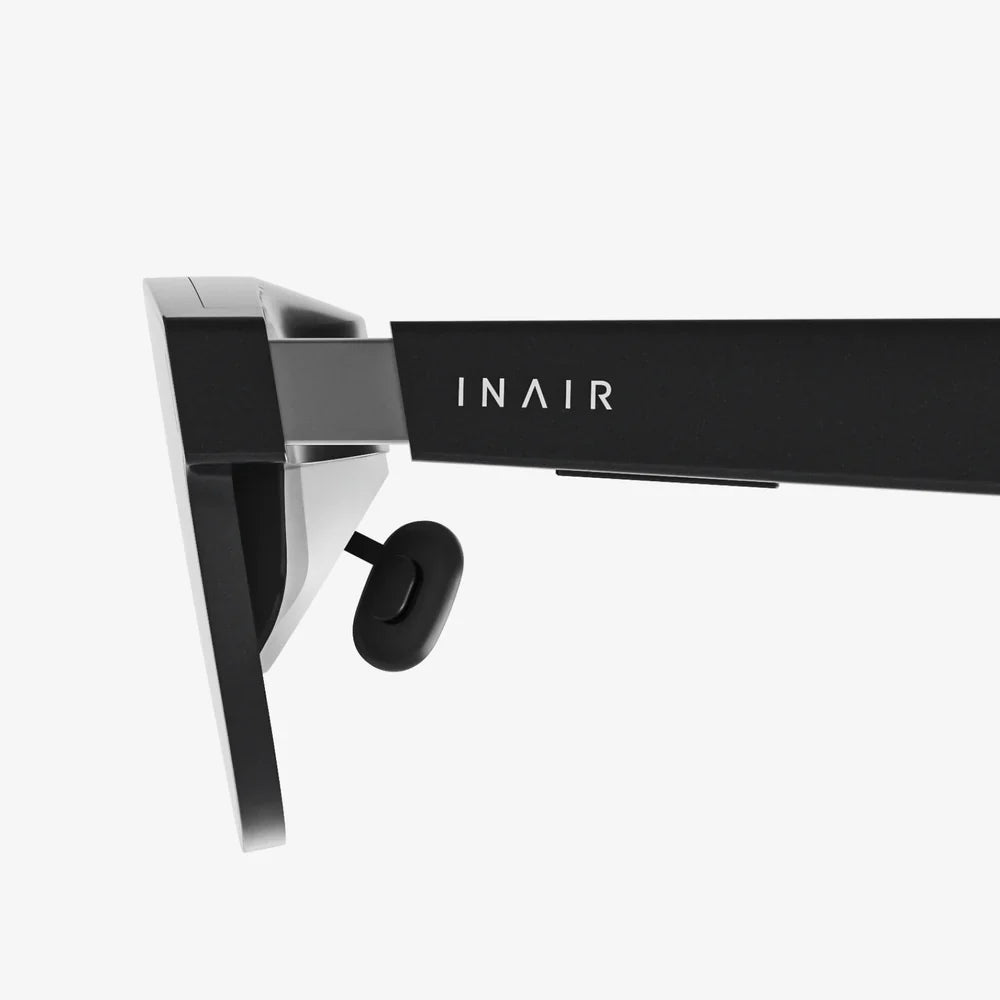
Imagine slipping on a device and being instantly transported. The pixelated vistas of early digital worlds dissolve into a reality so crisp, so vivid, that your brain struggles to distinguish it from the physical room you just left. This is no longer the stuff of science fiction; it is the breathtaking promise of the modern 4K virtual reality headset. The journey from clunky novelty to sophisticated portal is complete, and it’s inviting you to step through.
The Resolution Revolution: Seeing is Believing
For years, the specter of the "screen door effect" haunted virtual reality. This visible grid of lines between pixels constantly reminded users they were looking at a screen, shattering immersion and reminding them of the technology's limitations. The leap to 4K resolution, particularly per eye in high-end models, is the definitive solution to this problem.
But what does 4K actually mean in this context? In the world of televisions, 4K refers to a resolution of approximately 3840 x 2160 pixels. In a VR context, this specification is often applied to the combined resolution of the two displays (one for each eye). A true next-generation experience, however, often features displays that are very high definition individually, resulting in a combined resolution that far exceeds standard 4K. This immense pixel density is the key to eliminating the screen door effect, rendering text razor-sharp, and making distant objects in a virtual environment clear and defined. It’s the difference between looking through a window and being on the other side of it.
Beyond the Pixels: The Technology Inside the Visor
While resolution is the headline-grabber, a truly immersive 4K virtual reality experience is built on a symphony of advanced technologies working in perfect harmony.
Advanced Display Panels
Two primary technologies dominate the market: Fast-Switch LCDs and OLED. LCDs offer high resolution and a full RGB subpixel structure that helps minimize the screen door effect, often achieving high refresh rates crucial for smooth motion. OLED panels, on the other hand, provide unparalleled per-pixel lighting, resulting in perfect blacks, incredible contrast ratios, and more vibrant colors, making dark scenes in horror games or the vastness of space feel profoundly deep and real.
Optical Stack: The Lenses of Perception
High-resolution displays are useless without sophisticated optics to focus the image correctly for your eyes. Fresnel lenses, with their concentric circular ridges, have been common for their ability to be thin and lightweight. However, the latest generation is moving towards pancake lenses. These multi-element designs use polarization folding to create a much longer optical path in a significantly thinner physical package. This allows for more compact and comfortable headsets while also reducing visual distortions like god rays and glare.
High Refresh Rates and Low Persistence
A high-resolution image that smears or stutters when you turn your head will instantly cause discomfort and break immersion. Refresh rates, measured in Hertz (Hz), dictate how many times per second the image on the screen is updated. Modern 4K VR headsets often support 90Hz, 120Hz, or even higher. This, combined with a technique called low persistence—where the display flashes each frame briefly instead of keeping it lit—creates crystal-clear imagery even during rapid head movement, essential for comfort and a convincing experience.
Precise Tracking: Inside-Out vs. External
Knowing exactly where you are and how you’re moving is fundamental to VR. Early systems relied on external sensors or base stations placed around the room to track the headset's position. Today, inside-out tracking has become the standard for accessibility. Using a array of cameras mounted on the headset itself, it scans the surrounding environment, creating a real-time map to track its own position without any external hardware. This technology has dramatically simplified setup and made high-quality VR more accessible than ever.
A Universe of Experiences: What Can You Actually Do?
The power of a 4K virtual reality headset is meaningless without compelling software. The ecosystem has exploded far beyond simple games and tech demos.
Gaming and Interactive Entertainment
This remains the primary driver for many. A 4K headset transforms gaming from a passive activity on a screen to an active inhabitation of a world. You can lean in to examine the intricate carvings on a virtual ancient weapon, feel the tension of looking down from a skyscraper’s edge, or experience the adrenaline rush of a dogfight in space with every star rendered in pinpoint clarity. The heightened resolution makes virtual characters more expressive and environments more believable, forging a deeper emotional connection to the narrative.
Social VR and Remote Collaboration
Virtual reality is evolving into a powerful platform for human connection. Social VR platforms allow you to meet with friends, family, or colleagues as personalized avatars in incredible virtual spaces—from conference rooms to fantasy landscapes. The sense of "co-presence," of sharing a space with someone else, is profoundly different from a video call. For businesses, this enables architects to walk clients through unbuilt designs, engineers to collaborate on 3D models, and teams to brainstorm on virtual whiteboards as if they were in the same room.
Media Consumption and Virtual Tourism
Imagine watching a film on a giant, private cinema screen or being placed at the center of a 360-degree documentary. 4K VR headsets are the ultimate media consumption devices, offering a scale and immersion that no television can match. Furthermore, virtual tourism apps allow you to explore famous museums, natural wonders, and historical sites from your living room. The high resolution ensures that the paintings, artifacts, and vistas you explore are rendered with stunning detail, making it an educational and awe-inspiring tool.
Fitness and Wellness
A surprising and booming application is fitness. A new genre of rhythm and movement games makes cardio fun and engaging, tracking your calories burned and motivating you to push harder. Furthermore, VR is being used for meditation and mental wellness, offering guided sessions in tranquil, beautifully rendered environments designed to reduce stress and anxiety.
Considerations Before You Dive In
Adopting this technology requires some forethought. The computational power needed to render two high-resolution displays at a high frame rate is significant. You will need a powerful computer with a high-end graphics card to drive a premium 4K VR experience, representing a considerable investment. Standalone headsets offer convenience but may use upscaling techniques to achieve visual fidelity rather than native rendering.
Comfort is also paramount. A headset that is too heavy or poorly balanced can cause neck strain and distract from immersion. Factors like weight distribution, facial interface material, and adjustable straps are critical for longer sessions. Finally, while modern systems have made great strides, some users may still experience simulation sickness, especially in experiences with artificial locomotion. It’s a condition that most can overcome with gradual exposure.
The Future is Clear: What Lies Beyond 4K?
The pursuit of visual perfection is relentless. The horizon already holds the promise of 8K resolutions and beyond, pushing the limits of human visual acuity. Varifocal displays, which dynamically adjust focus based on where your eyes are looking, could solve the vergence-accommodation conflict, a key source of eye strain. Eye-tracking technology will enable foveated rendering, where only the center of your vision is rendered in full detail, drastically reducing the computational power required. Further out, the line between the virtual and the real may blur entirely with the development of photorealistic graphics, haptic feedback suits, and neural interfaces.
The 4K virtual reality headset is not merely an incremental upgrade; it is the critical threshold where the technology finally delivers on its original promise of true presence. It has matured from a novel gadget for enthusiasts into a versatile tool that is reshaping how we play, work, learn, and connect. The door to countless worlds is now open, and the view has never been clearer. The only question that remains is which world you will choose to step into first.
Share:
How to Check Spatial Audio - The Ultimate Guide to Immersive Sound
Mini Touch Sensor The Invisible Technology Reshaping Our Digital World