


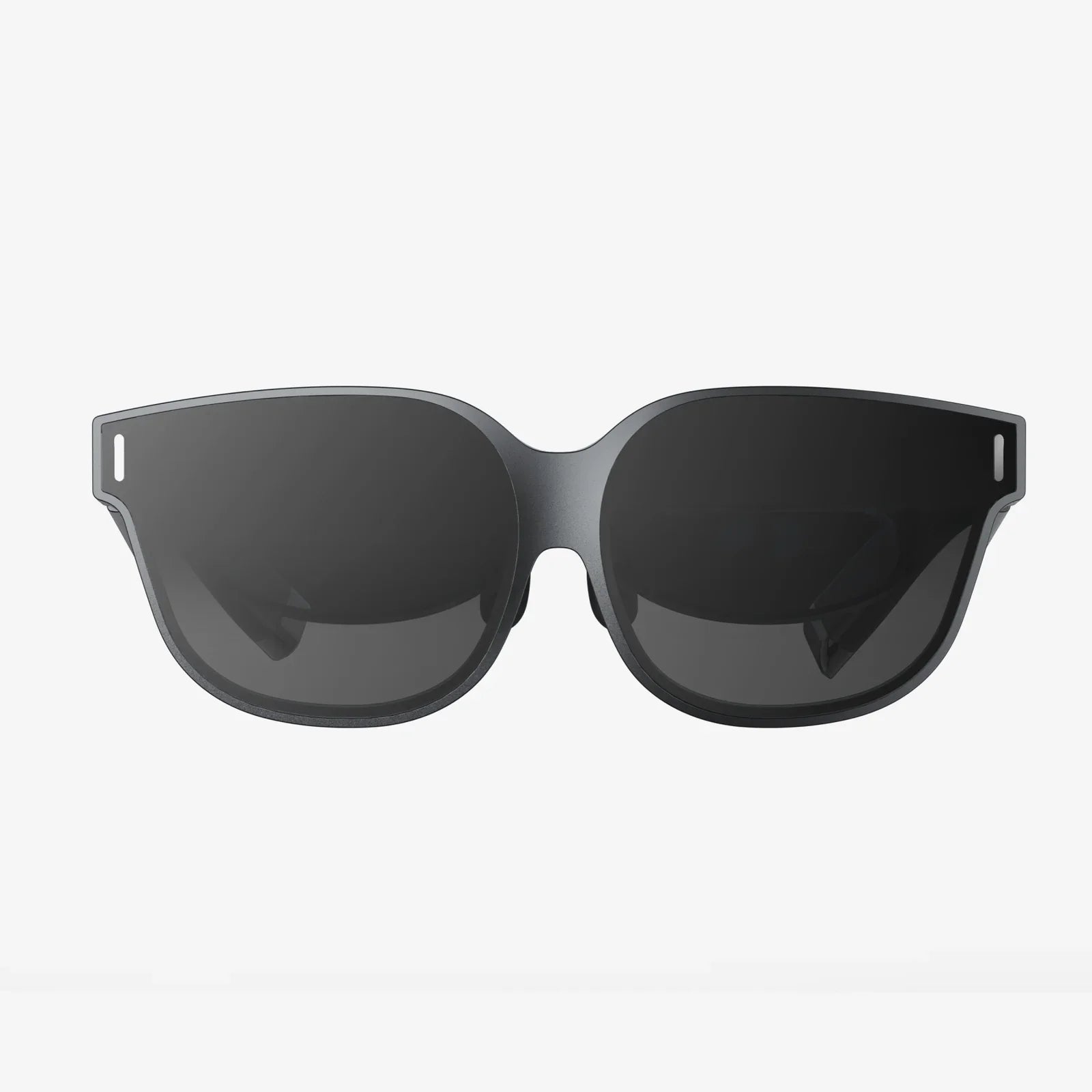
Imagine stepping through a portal into another world, where every detail is so crisp, so vividly real, that the line between the digital and the physical begins to blur. This is no longer the realm of science fiction; it is the promise delivered by a modern 4K VR headset for PC. The pursuit of ultimate immersion has driven visual technology to new heights, and for those seeking the most profound and visually stunning virtual experiences, this hardware represents the current apex. It’s an invitation to explore, create, and play in worlds rendered with breathtaking clarity, all from the comfort of your home.
The Quantum Leap in Visual Fidelity
For years, virtual reality was often characterized by a recognizable screen-door effect and a perceived softness to the image, subtle reminders that you were looking at a screen mere inches from your face. The advent of 4K resolution, specifically tailored for the unique demands of VR, has effectively eradicated these issues, marking a monumental leap forward.
But what does "4K" truly mean in this context? Unlike a television where resolution is a single, straightforward number, VR headsets utilize one display per eye. A "4K VR headset" typically refers to a combined resolution across both displays that equals or surpasses 3840 x 2160 pixels. This is often broken down into two displays, each offering approximately 1920 x 2160 pixels. This massive pixel count is packed into a field of view that encompasses nearly your entire vision, resulting in a staggering pixel-per-degree (PPD) density that is the true measure of clarity in a headset.
The result is nothing short of transformative. Text, once a blurry challenge to read, becomes sharp and legible, opening up vast possibilities for productivity and in-game interfaces. The distant textures on a castle wall, the individual leaves on a tree, the intricate controls of a virtual spacecraft—all are rendered with a precision that was previously unimaginable in consumer VR. This elimination of visual noise allows your brain to fully accept the virtual world, deepening immersion and reducing eye strain, making for longer, more comfortable sessions.
Beyond the Screen: The Complete Sensory Package
While the 4K display is the headline feature, it is only one component of a sophisticated system designed to trick your senses. A true high-fidelity experience is built on several technological pillars working in concert.
Precision Tracking: Locking You into the World
Visuals mean little if your movements are not reflected with perfect one-to-one accuracy. Modern PC-powered headsets employ a combination of external and inside-out tracking systems. External tracking uses strategically placed sensors around your play area to precisely triangulate the position of your headset and controllers, offering arguably the most accurate tracking available for competitive gaming and professional applications. Inside-out tracking, where cameras mounted on the headset itself map the environment and track controller movements, provides incredible freedom and ease of setup. Both methods ensure that when you lean in to examine a virtual object, your viewpoint shifts exactly as it would in reality, maintaining the crucial illusion of presence.
High-Fidelity Audio: Hearing is Believing
Spatial, 3D audio is the silent partner to high-resolution visuals. Built-in headphones or advanced audio solutions project sound from precise points in the 3D space around you. The creak of a floorboard behind you, the whisper of wind from your left, the roar of a crowd above—these auditory cues are processed in real-time based on your head position, completing the sensory picture and making the virtual environment feel tangibly real.
Ergonomics and Comfort: Designed for Long Journeys
A heavy, uncomfortable headset can shatter immersion faster than a low-resolution display. Manufacturers have made significant strides in balancing premium materials with intelligent weight distribution. Features like adjustable head straps, interchangeable facial interfaces, and balanced counterweights allow the device to sit securely yet comfortably on your head for extended periods, whether you're engaged in a frantic action game or a multi-hour creative project.
The Heart of the Operation: Your PC Rig
The term "PC-powered" is the most critical part of the equation. A 4K VR headset is a demanding peripheral, acting as a ultra-high-resolution monitor that requires rendering two distinct perspectives at a very high, stable framerate (typically 90Hz or higher) to ensure smoothness and prevent motion sickness. This requires a significant amount of graphical processing power.
To truly unlock the potential of a 4K VR headset, a powerful dedicated graphics card is non-negotiable. It should be a model known for its robust performance in high-resolution scenarios. Pair this with a capable modern multi-core processor, sufficient RAM (16GB is often considered the starting point), and the appropriate video outputs (like DisplayPort 1.4 or later), and you have the foundation for a seamless experience. This powerful hardware allows you to not only run VR applications but to also super-sample—rendering the image at a resolution even higher than the headset's native display and then downsampling it for an image that is arguably even sharper and more anti-aliased.
A Universe of Experiences at Your Fingertips
With the hardware in place, a vast and varied library of content awaits. The clarity of a 4K display elevates every genre:
- Immersive Gaming: Step into expansive RPGs where you can appreciate every detail of your meticulously crafted armor. Feel the tension in horror games where dark corners are now filled with discernible, terrifying detail. Experience racing and flight simulators with crystal-clear cockpits and realistic, sprawling vistas that stretch to the horizon.
- Social and Creative Platforms: Join social VR platforms where you can watch movies with friends in virtual theaters, attend live events, or simply hang out. The visual clarity makes avatars more expressive and environments more social. Unleash your creativity in 3D sculpting and painting applications where every stroke is precise and visible.
- Productivity and Visualization: Use virtual desktop applications to create a multi-monitor workspace in any virtual environment you choose. Architects and designers can walk clients through photorealistic 3D models of their projects, examining details at a 1:1 scale before a single brick is laid.
Preparing for Your Ascent into Hyper-Realism
Embarking on this journey requires some consideration. Beyond ensuring your PC meets the recommended specifications, think about your physical space. A moderate clear area is recommended for room-scale experiences, though many applications support a seated or standing mode. Check the headset's connectivity requirements and ensure your PC has the necessary free ports. Finally, read reviews and user experiences to understand the nuances of different models, focusing on factors like lens quality, field of view, and controller design that might influence your personal preference.
The world of 4K PC VR is not merely an incremental upgrade; it is the closing of a technological gap that has long stood between users and true immersion. It represents a maturity in the market where the technology itself fades into the background, allowing the experience to take center stage. It’s about the feeling of wonder when you first look down from a virtual mountain peak and can see every rock on the path below, or the professional advantage of manipulating a complex 3D model with real-world accuracy. This is the new frontier of digital interaction, offering a glimpse into a future where our virtual and physical realities are seamlessly intertwined. The door to these hyper-realistic worlds is now open, waiting for you to take that first, stunning step through.
Share:
Budget VR Headset for PC: Your Gateway to Immersive Gaming Without Breaking the Bank
Best VR Goggles for Android: Your Ultimate Guide to Mobile Virtual Reality