


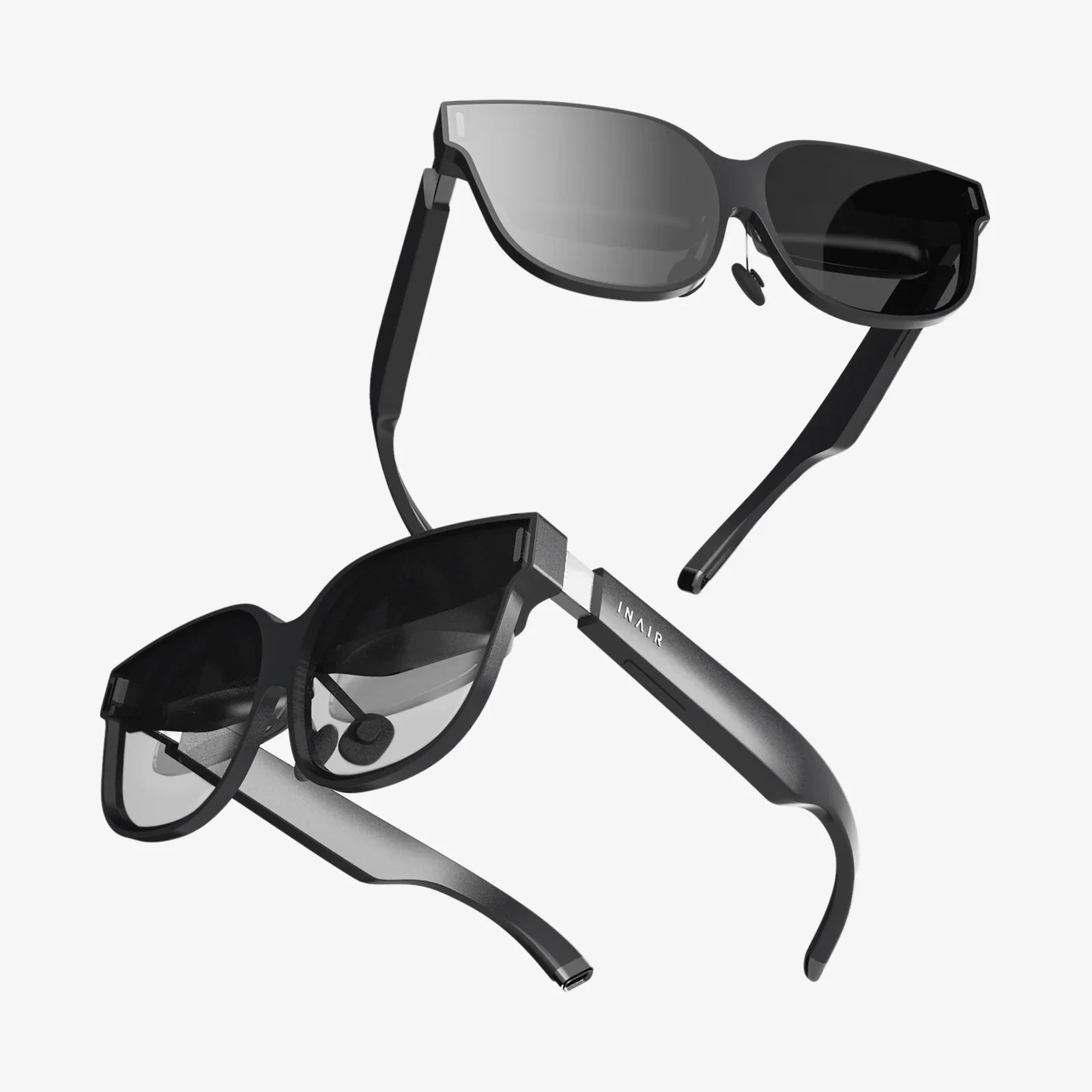
- by wangfred
4K VR Headset: The Ultimate Immersive Experience Is Finally Here
- by wangfred
Imagine slipping on a device and being instantly transported to another world, a digital realm so crisp, so vivid, and so incredibly real that the line between pixels and reality begins to blur. This is no longer the stuff of science fiction; it is the promise and the profound reality delivered by the modern 4K VR headset. For years, virtual reality has dangled the carrot of total immersion before us, yet often fell short, hampered by a visible screen door effect and a resolution that left details soft and worlds feeling just out of reach. The arrival of true 4K resolution per eye, or high-resolution displays that approach this visual benchmark, has shattered these limitations, finally unlocking the full, staggering potential of VR. This isn't just an incremental upgrade; it's a fundamental leap that transforms the entire experience from a novel tech demo into a genuine window to other realities.
To understand why a 4K VR headset is such a game-changer, we must first look at the Achilles' heel of earlier VR technology: pixel density. Traditional headsets often featured a single display (or two lower-resolution displays, one for each eye) that was stretched across a wide field of view. When a screen is magnified through lenses and placed mere centimeters from your eyes, the individual pixels, or the gaps between them, become glaringly apparent. This resulted in the infamous "screen door effect" (SDE), where it felt like you were viewing the virtual world through a fine mesh door screen. It was a constant, nagging reminder that you were looking at a constructed digital image, preventing true immersion.
A 4K VR headset attacks this problem at its root. The term "4K" in the VR context can refer to a few different specifications, but the core principle remains the same: a massive increase in the number of pixels packed into the displays.
The result is nothing short of revolutionary. Text, which was once frustratingly blurry and difficult to read, becomes sharp and legible. Distant objects in games retain their detail instead of dissolving into a blurry mess. The intricate texture on a character's armor, the individual leaves on a tree, the fine print on a virtual control panel—all of it is rendered with a fidelity that was previously impossible. This leap in clarity is the single most important factor in achieving "presence," that magical and elusive feeling where your brain is convinced, on a subconscious level, that you are actually in the virtual space.
While hardcore gamers were the early adopters who drove VR technology forward, the crystal-clear canvas of a 4K VR headset opens up a vast array of applications that extend far beyond the realm of entertainment.
For architects, interior designers, and engineers, a 4K VR headset is no longer a luxury; it's becoming an indispensable professional tool. Imagine walking a client through a photorealistic, full-scale model of their unbuilt home. With the clarity of 4K, they can see the grain of the wooden flooring, the pattern on the tiles, and the specific shade of paint on the walls. They can look out a virtual window at a rendered view and get a genuine sense of space and light. This allows for informed decision-making and revisions long before the first brick is laid, saving enormous amounts of time and money. Engineers can examine complex 3D models of machinery or structures from every angle, identifying potential design flaws in an immersive, 1:1 scale environment.
Education is being revolutionized by this technology. History students can don a headset and explore ancient Rome or walk through the streets of Victorian London with a level of detail that makes the past feel tangible. Medical students can practice complex surgical procedures on hyper-realistic virtual patients, studying human anatomy in a fully 3D, interactive space where every muscle, vein, and organ is rendered in sharp detail. Furthermore, virtual tourism allows anyone to visit the world's most famous museums, natural wonders, and historical sites from their living room. With 4K resolution, you can stand before a virtual Mona Lisa and appreciate the brushstrokes, or marvel at the intricate details of a Egyptian hieroglyphic, creating an accessible and deeply educational experience.
For media consumption, a 4K VR headset offers the ultimate private cinema experience. Many modern headsets feature built-in virtual theaters, allowing you to watch any movie, show, or sporting event on a massive, crystal-clear virtual screen as if you were in the best seat in a premium theater. With high-quality built-in headphones or spatial audio support, the experience is truly immersive. For 360-degree videos and photos, the difference is even more profound. Exploring a 360-degree documentary about the depths of the ocean or the surface of Mars in 4K resolution is an order of magnitude more engaging and realistic than watching it on a flat screen, making you feel like you are truly there.
Rendering two high-resolution displays at a high, stable frame rate (typically 90Hz or higher to avoid motion sickness) is an incredibly demanding task. Therefore, the ecosystem surrounding a 4K VR headset is just as important as the headset itself.
To drive a 4K VR experience to its fullest potential, significant graphical processing power (GPU) is required. This has traditionally meant a powerful, modern gaming computer. The GPU is responsible for rendering two separate, high-resolution images at a very high speed. Pushing all those pixels is a strenuous workout for even the most advanced graphics cards. For those seeking a more self-contained experience, standalone headsets are making incredible strides. The latest generation of these all-in-one devices features processors specifically designed for VR, capable of delivering impressive visuals and smooth performance without being tethered to a computer. However, the absolute pinnacle of visual fidelity and performance is still generally found in headsets connected to a high-end PC.
Visuals are only one part of the immersion puzzle. Precise tracking—of both the headset itself and the user's hands via controllers—is critical. Inside-out tracking, where cameras on the headset itself map the environment, has become the standard, eliminating the need for external sensors placed around the room. This technology allows for greater freedom of movement and a simpler setup. Meanwhile, advanced haptic feedback in controllers is becoming more common, providing tactile sensations that mimic the feeling of touching virtual objects, from the recoil of a weapon to the subtle vibration of a turning doorknob. Together, high-resolution visuals, precise tracking, and responsive haptics work in concert to create a cohesive and believable experience.
While the future is bright, there are practical considerations for any prospective user of a high-resolution headset.
The advent of the 4K VR headset is not the end of the road; it is a crucial milestone on a much longer journey. The industry is already looking toward technologies that will push immersion even further. Varifocal displays, which dynamically adjust focus based on where you are looking, promise to solve the vergence-accommodation conflict, a source of eye strain in current headsets. Eye-tracking technology will allow for foveated rendering, where the full resolution is only rendered in the specific spot where the user's eyes are focused, dramatically reducing the computational power needed for even higher resolutions. Beyond that, we have glimpses of light-field technology and resolutions that push into 8K and beyond, aiming for a visual experience that is indistinguishable from real life.
The 4K VR headset has finally broken the visual barrier that held virtual reality back for so long. It has transformed the technology from a promising prototype into a mature platform capable of delivering genuine wonder, profound professional utility, and unparalleled entertainment. It is the key that has unlocked the door to truly persuasive digital worlds, inviting us all to step through and see what happens on the other side. The question is no longer if the experience will be compelling, but which incredible world you will choose to explore first.
Share:
How Do VR Headsets Work with iPhone: A Deep Dive Into Mobile Virtual Reality
AR Application for Android: A Portal to Blending Realities