


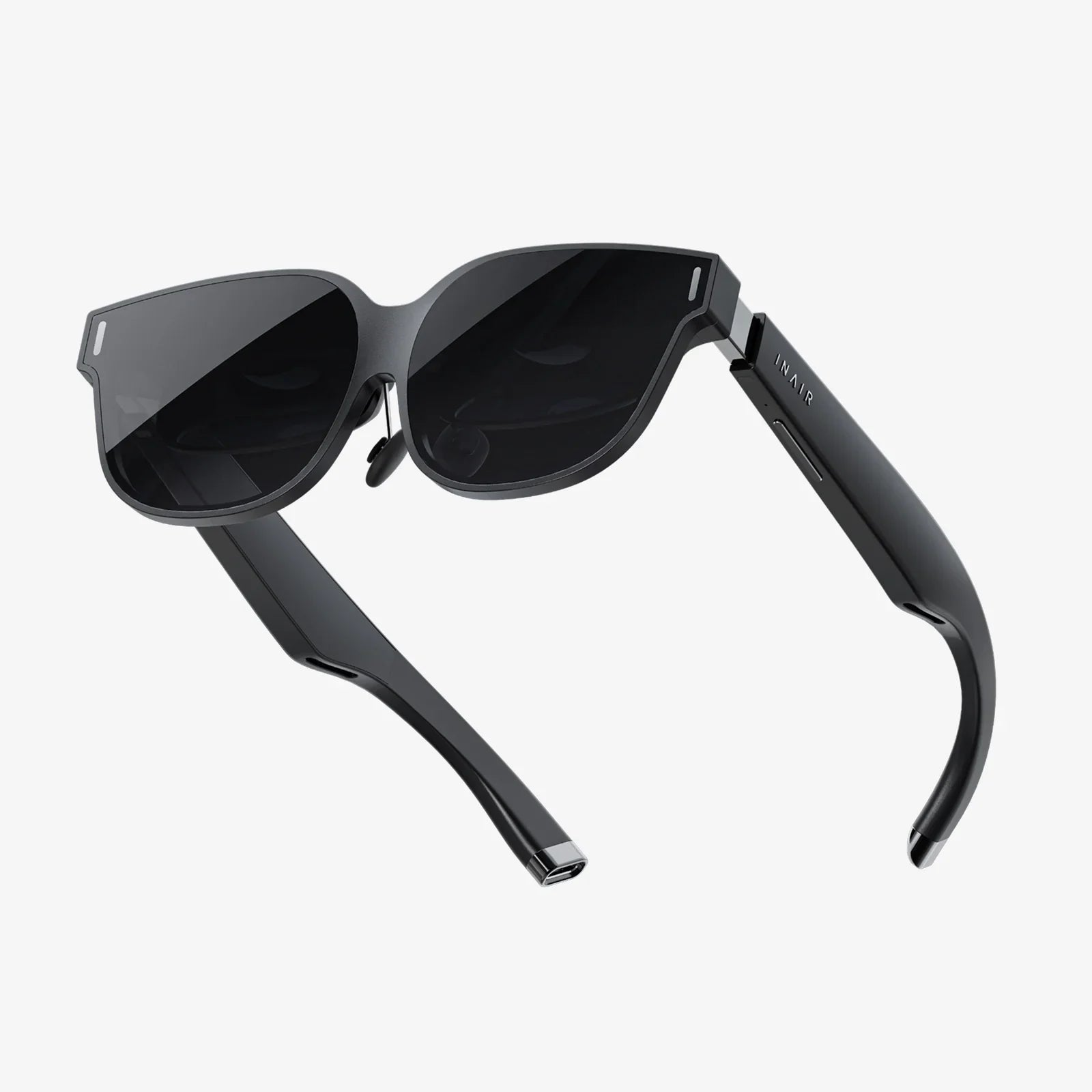
Imagine slipping on a headset and being instantly transported to another world—a world so crisp, so fluid, and so incredibly real that the boundaries of your living room simply melt away. This isn't the clunky, pixelated promise of early virtual reality; this is the new reality, and it's being defined by a surprising new benchmark: the 6.5 VR headset. This specific measurement isn't just a random number; it's the key to unlocking a level of immersion that was previously reserved for high-end, professional-grade equipment. It represents a technological sweet spot, a convergence of optics, processing power, and human ergonomics that is finally making true, comfortable, and breathtaking virtual reality a mainstream possibility. The journey beyond the screen starts here, and it's clearer than ever before.
The Resolution Revolution: Understanding the 6.5-Inch Display
At the heart of every virtual reality experience lies the display. It is the window to the digital realm, and its quality directly dictates the authenticity of the immersion. The designation "6.5 VR headset" primarily refers to the utilization of advanced 6.5-inch display panels within the device. But why this specific size? The answer lies in a delicate balance of engineering and human physiology.
Larger displays can offer more surface area for pixels, but they also necessitate larger, heavier, and more complex lens systems to focus the image for the human eye. This leads to bulkier headsets that are uncomfortable for extended use. Smaller displays, while allowing for more compact form factors, often struggle to achieve the pixel density required to eliminate the "screen door effect"—that distracting grid of visible lines between pixels that shatters the illusion of reality.
The 6.5-inch display emerges as the ideal compromise. It provides a sufficiently large canvas to implement high-resolution technologies, such as Fast-Switch LCD or vibrant OLED, at a pixel density that pushes beyond the visual acuity of the human eye at the headset's focal length. With resolutions often exceeding 4K per eye in these configurations, the once-visible pixels and the gaps between them vanish, replaced by a seamless, continuous image. This leap in clarity is the single most important factor in making virtual environments feel tangible and authentic, rather than like a digital simulation.
Beyond the Screen: The Symphony of Supporting Technologies
A high-resolution display is meaningless if the world it portrays is laggy, blurry, or disconnected from your movements. The 6.5 VR headset standard is about much more than just the screen; it's about a holistic ecosystem of technology working in perfect harmony.
Advanced Lens Engineering
Between the display and your eyes are the lenses, arguably as critical as the panels themselves. Modern headsets utilize sophisticated compound lenses, including Fresnel and aspherical elements, designed to minimize optical distortions like god rays and chromatic aberration. These lenses precisely map the pixels from the 6.5-inch display to a wide field of view, typically around 110 degrees, which is crucial for peripheral immersion. The improved optics ensure that the stunning clarity of the display is delivered perfectly to the user's retina, edge-to-edge, without blurriness.
Inside-Out Tracking: Unleashing Freedom
Gone are the days of cumbersome external sensors that required careful calibration and limited your play space. The latest generation of headsets champion inside-out tracking. Using a constellation of high-speed cameras and sensors embedded on the headset itself, the device continuously maps its environment in real-time. This allows it to understand its position in physical space and track the movement of the headset and controllers with astonishing precision, all without any external hardware. This technology is fundamental to making VR accessible, easy to set up, and truly wireless, allowing users to simply put on the headset and dive in.
Computational Power and Haptic Feedback
Driving two high-resolution displays at high frame rates (90Hz and above is now standard) requires significant processing power. This has been made possible by the advent of more efficient, powerful mobile chipsets and improved cooling solutions that prevent thermal throttling. Furthermore, haptic feedback has evolved from simple rumble to nuanced, precise vibrations that can simulate the feeling of rain, the recoil of a tool, or the texture of a virtual object. This multi-sensory engagement is vital for completing the illusion of presence.
The User Experience: A Leap in Comfort and Accessibility
The technological marvel of the 6.5 VR headset would be worthless if the experience of using it was unpleasant. This generation has seen a monumental focus on ergonomics and user-centric design.
Weight distribution is paramount. Engineers have meticulously designed these devices to counterbalance the front-heavy displays, often shifting the battery pack to the rear of the head strap. This creates a more neutral center of gravity, reducing strain on the user's neck and face during long sessions. Materials have improved, with softer, breathable facial interfaces that can be swapped and cleaned, and adjustable straps that provide a secure yet comfortable fit for a wide range of head shapes and sizes.
Accessibility extends beyond physical comfort. User interfaces within VR have become incredibly intuitive, often ditching complex menus for a more natural, interactive onboarding process. Voice commands, gesture controls, and passthrough cameras—which use the headset's external cameras to show you a grayscale video of your real-world environment—make putting on the headset and navigating its functions a seamless and frustration-free experience. This lowering of the barrier to entry is what will ultimately bring VR to audiences beyond hardcore gaming enthusiasts.
A World of Applications: Far Beyond Gaming
While gaming remains a primary driver of VR adoption, the clarity and comfort of the 6.5 VR headset are unlocking powerful applications across numerous fields.
- Professional Training and Simulation: From surgeons practicing complex procedures to mechanics learning to repair new engines, VR provides a risk-free, highly realistic training environment. The visual fidelity ensures that every detail is clear and actionable.
- Remote Collaboration and Telepresence: Imagine attending a business meeting or a family gathering as a full-bodied, life-like avatar, feeling as if you are truly in the same room. High-resolution VR makes this social connection feel genuine.
- Design and Architecture: Architects and designers can walk clients through photorealistic renderings of unbuilt homes and products, making changes in real-time and experiencing the scale and flow of a space firsthand.
- Education and Virtual Tourism: Students can take field trips to ancient Rome, the bottom of the ocean, or the surface of Mars. The immersive power of modern VR makes learning an active, engaging experience.
- Fitness and Wellness: VR fitness applications have exploded in popularity, turning workouts into engaging games. The comfortable form factor is essential for a sweaty, high-movement activity.
The Road Ahead: The Future Built on a 6.5 Foundation
The establishment of the 6.5-inch display as a performance standard is not an endpoint, but a foundation. This platform will enable the next wave of innovation. We are already seeing the early stages of varifocal lenses, which dynamically adjust to the user's eye focus, solving a major source of visual discomfort. Eye-tracking technology is becoming more common, enabling foveated rendering—a technique that focuses processing power only on where the user is looking, dramatically improving efficiency and visual performance. The eventual integration of lightweight, high-resolution microLED displays will further reduce size and weight while boosting image quality even further.
The path forward is toward headsets that are indistinguishable from a pair of sunglasses, yet capable of generating photorealistic mixed realities. The work being done today with the 6.5 VR headset is proving the core technologies and defining the user experience standards that will guide that evolution. It is the crucial bridge between the promising but flawed first generation and the seamless, ubiquitous augmented reality glasses of the future.
The door to truly convincing virtual worlds has been cracked open for years, but a combination of technical limitations and user discomfort kept it from swinging wide. The 6.5 VR headset is the shoulder that finally pushes it open. It delivers the visual clarity, tracking precision, and ergonomic design necessary to make you forget you're wearing a device at all, allowing you to fully believe in the reality presented to you. This isn't just an incremental upgrade; it's the pivotal moment where VR transitions from a novel gadget to an indispensable portal for work, play, and human connection. The future is not just coming; it's already here, waiting for you to put it on.
Share:
Why Is My VR Headset Black? A Complete Troubleshooting Guide
How Do You Play a VR Headset: The Ultimate Guide to Virtual Reality Gaming