


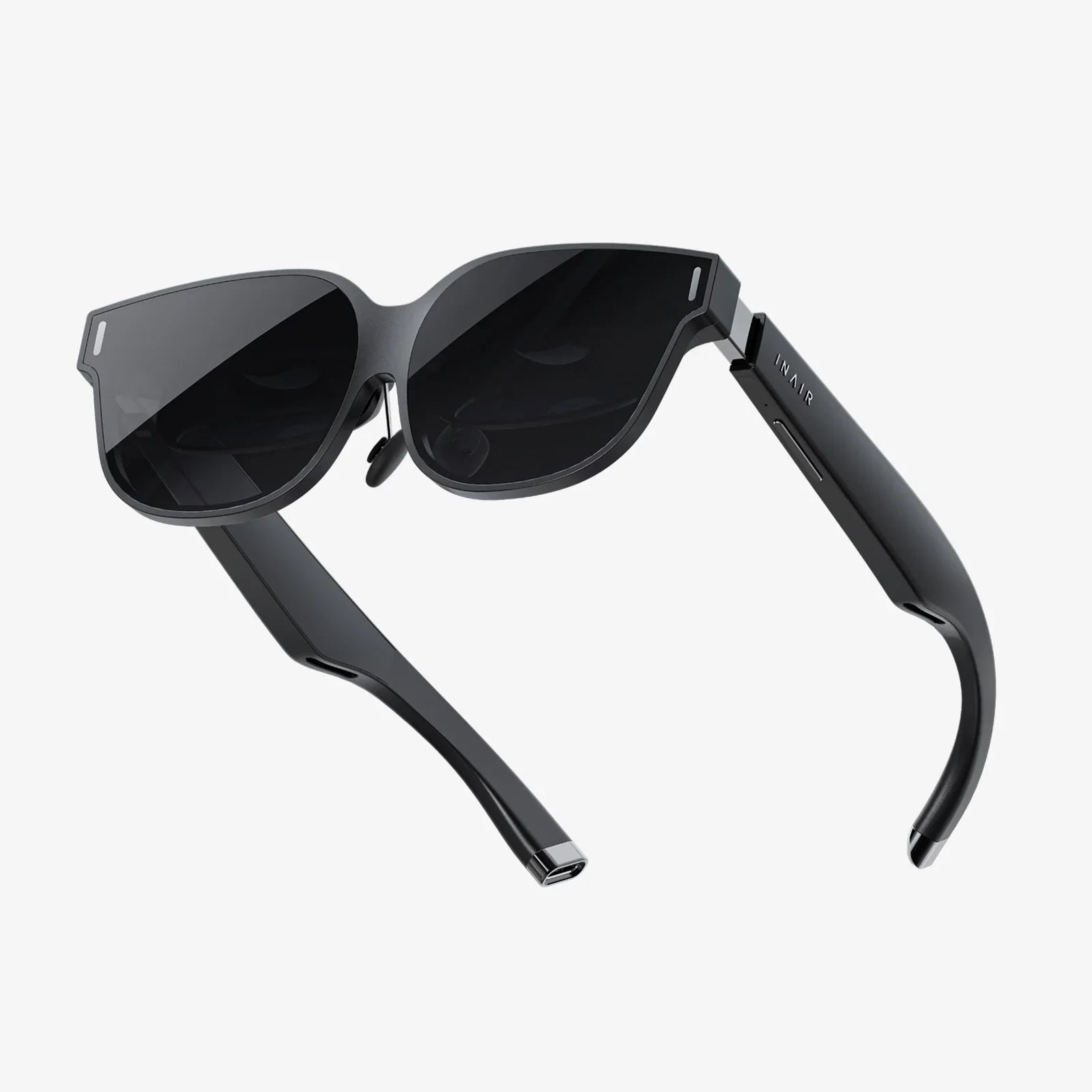
Imagine slipping on a headset and not just seeing a virtual world, but feeling as if you have truly stepped through a portal into another reality, where the lines between the digital and the physical aren't just blurred—they are completely erased. This is the promise, and the profound price tag, of the new generation of professional-grade virtual reality systems. For the average consumer, an eight-thousand-dollar price point for a piece of technology is an immediate and absolute non-starter. It’s the cost of a used car, a significant home renovation, or a dream vacation. Yet, in the rarefied air of research laboratories, advanced engineering firms, and high-budget cinematic studios, this cost is not just justified; it’s seen as a revolutionary investment. This isn't a toy; it's a tool. This article delves deep into the world of the eight-thousand-dollar VR headset, dissecting the bleeding-edge technology that commands such a premium and exploring the industries where its unparalleled capabilities are already changing the game.
The Anatomy of an Astronomical Price Tag
To understand the cost, one must first dismantle the device. This is not a simple plastic shell housing two smartphone screens. It is a feat of optical, electronic, and software engineering where every component is pushed to its absolute limit, representing the pinnacle of what is currently possible.
Micro-OLED and Pancake Lenses: A Visual Revolution
The visual fidelity of these headsets is their most immediately staggering feature. Gone are the low-resolution, pixelated screens that cause the dreaded "screen-door effect." In their place are custom-fabricated Micro-OLED displays, often boasting resolutions exceeding 4K per eye. These are not repurposed panels from other devices; they are bespoke, high-density displays that offer unparalleled pixel-per-degree density, creating an image so sharp and clear that reading fine text and discerning distant details becomes effortless. This visual splendor is paired with advanced pancake lens systems. Unlike the simple Fresnel lenses used in consumer headsets, which are prone to god rays and glare, these multi-element compound lenses are designed for edge-to-edge clarity. They are meticulously engineered to eliminate visual artifacts, provide a massive sweet spot, and allow for a dramatically slimmer headset profile, all while maintaining a wide field of view that enhances immersion.
Inside-Out Tracking and High-Fidelity Controllers
Early professional VR often required external sensors or base stations plastered around a room to track the user's movement. The new paradigm is inside-out tracking, but executed with an extreme level of precision. An array of high-resolution, wide-field-of-view cameras mounted on the headset constantly scans the environment. This data is processed by powerful onboard processors using complex algorithms to map the room in real-time with millimeter accuracy. This isn't just for avoiding furniture; it enables mixed reality applications where digital objects can interact with the physical world with stunning accuracy. The controllers, too, are in a league of their own. They often feature a full constellation of tracking sensors, haptic feedback systems that can simulate everything from a gentle breeze to the recoil of a tool, and even individual finger tracking that captures the subtlety of a user's grip and gestures without the need to press a button.
Computational Power and Uncompromising Comfort
Processing the immense data from these sensors and driving the ultra-high-resolution displays requires immense computational power. Many of these headsets function as standalone devices, packing a level of processing hardware typically found in high-end laptops into a thermally constrained form factor on your face. This includes dedicated AI co-processors for handling tracking and environment understanding. Furthermore, comfort for extended professional use is paramount. These systems frequently utilize premium materials like magnesium alloy frames, plush, breathable facial interfaces, and advanced counter-balancing systems to distribute weight evenly. They are designed to be worn for hours on end without fatigue, a critical feature for architects reviewing a full building model or surgeons practicing a complex procedure.
Beyond Gaming: The Professional Arenas Where It Earns Its Keep
While a consumer might balk at the price for playing video games, for specific enterprise and research applications, the return on investment is clear and calculable. The eight-thousand-dollar headset is not an expense; it is capital equipment that saves money, time, and even lives.
Medicine and Surgical Training
The medical field is being transformed by this technology. Surgeons can now step into a hyper-realistic simulation of a complex operation, practicing on a virtual patient that behaves with real-world physics and physiology. They can feel the resistance of tissue, see accurate blood flow, and make mistakes in a consequence-free environment. This is exponentially more effective than studying textbooks or practicing on cadavers. The cost of a single surgical complication can run into hundreds of thousands of dollars; preventing just one through superior training pays for an entire fleet of these headsets. Furthermore, they are used for pre-operative planning, allowing a surgical team to walk through a patient-specific anatomy model derived from CT or MRI scans before making a single incision.
Architecture, Engineering, and Construction (AEC)
For architects and engineers, these headsets are the ultimate design review tool. Instead of looking at a building through a 2D screen, they can walk their clients through a full-scale, photorealistic model of the unbuilt structure. They can check sightlines, assess spatial relationships, identify potential design clashes between systems like plumbing and electrical long before ground is broken, and make changes in real-time. This process, known as virtual design and construction, saves immense amounts of money by preventing costly rework during the physical construction phase. An eight-thousand-dollar headset can prevent a million-dollar construction error.
Corporate Training and Simulation
From training astronauts for spacewalks to preparing maintenance technicians for complex machinery repairs, high-fidelity VR is unmatched. Trainees can interact with digital twins of million-dollar equipment, learning procedures and troubleshooting faults without risking damage to the physical asset or endangering themselves. For dangerous fields like oil and gas, firefighting, or law enforcement, it provides a safe yet intensely realistic training ground. The cost of building physical training simulators for these scenarios can run into the millions, making a high-end VR solution a remarkably cost-effective alternative.
Research and Development
In academic and industrial R&D labs, these headsets are windows into data and models that are otherwise abstract. Scientists can step inside a molecular model to study protein folding, astrophysicists can visualize cosmic data in 3D space, and automotive engineers can experience the aerodynamics of a new car design in a virtual wind tunnel. The level of immersion provided by the high-resolution, wide-field-of-view displays is crucial for perceiving subtle details and fostering intuitive understanding.
The Ripple Effect: Trickle-Down Technology and Future Implications
The existence of an eight-thousand-dollar headset is not an anomaly; it is a vital part of the technology adoption lifecycle. This prosumer and enterprise segment acts as the testing ground and funding mechanism for the advanced technologies that will eventually trickle down to the mass market.
Driving Innovation and Setting New Benchmarks
The R&D required to develop these systems pushes entire industries forward. The work on Micro-OLED miniaturization and efficiency will benefit future AR glasses and consumer VR headsets. The advanced inside-out tracking and computer vision algorithms will become more robust and affordable. The software developed for these professional applications creates new workflows and proves use cases that can be adapted for broader audiences. These headsets set the benchmark for what is possible, creating a target for consumer technology to aim for in the coming years.
The Inevitable Path to Affordability
History is filled with examples of this pattern. The first cell phones, laptops, and flat-screen TVs were prohibitively expensive, available only to corporations and the wealthy. As manufacturing processes improved, economies of scale kicked in, and technologies matured, these devices became household items. The eight-thousand-dollar VR headset of today is following the same path. The technologies it pioneers—the displays, the lenses, the tracking—will become cheaper to produce. Within five to ten years, we can expect to see many of these features in headsets costing a fraction of the price.
A Glimpse into the Ultimate Destination
Most importantly, these systems offer a clear glimpse into the ultimate goal of spatial computing: the seamless merger of our digital and physical lives. They demonstrate a level of immersion and utility that is required for VR and AR to become truly ubiquitous productivity platforms, potentially replacing the traditional computer monitor and transforming how we work, collaborate, and create. They are not the final product for everyone, but they are the necessary pioneers charting the course.
So, the next time you hear about a headset with a price tag that seems ludicrous, look beyond the sticker shock. You are not looking at a product for today's consumer; you are looking at a concentrated dose of the future. It’s a bold declaration of what is technically achievable right now, a crucial tool solving real-world problems in the most demanding fields, and a promise of the breathtaking immersive experiences that will one day be accessible to us all. The true value of the eight-thousand-dollar VR headset isn't just in the hardware you can hold; it's in the realities it builds and the future it is actively constructing, one pixel-perfect, immersive experience at a time.
Share:
What Is Needed for a VR Headset - The Complete Setup Guide for Immersive Virtual Reality
What Is Needed for a VR Headset - The Complete Setup Guide for Immersive Virtual Reality