


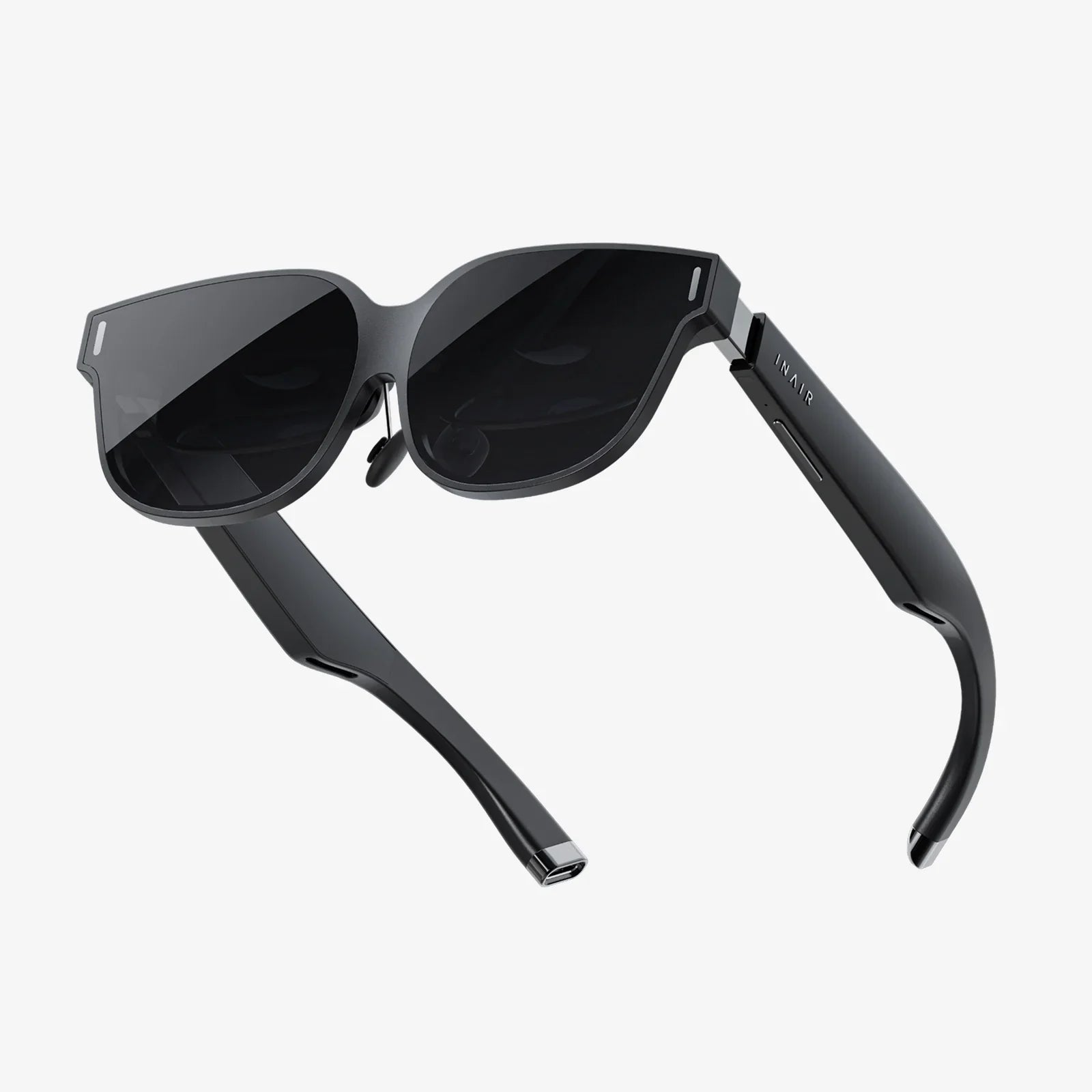
Imagine unplugging from the world you know and plugging into another—a week where your physical reality is merely a suggestion, and a digital universe is your new home. This is the challenge I set for myself: seven full days, waking hours spent almost entirely within the confines of a virtual reality headset. No mere gaming session, this was an attempt to live, work, and socialize through the lens of this emerging technology. The goal? To understand not just the potential, but the profound, tangible human cost and reward of a life increasingly mediated by pixels and code. The journey that followed was equal parts exhilarating, disorienting, and utterly transformative, reshaping my understanding of reality itself.
The Setup: Preparing for a Digital Exodus
Preparation for this experiment was paramount. This wasn't a decision made lightly. I meticulously planned my digital environment, curating a suite of applications that would allow for productivity, creativity, social connection, and of course, entertainment. I arranged my physical space for safety, creating a clear, obstacle-free play area. I informed friends, family, and colleagues of my project, setting expectations for my altered mode of communication. I stocked my physical pantry with easy-to-prepare meals and hydration stations, knowing that basic bodily needs would be my primary tether to the real world. Mentally, I prepared for the unknown, steeling myself for the potential for nausea, eye strain, and the psychological phenomenon known as 'VR dissociation.' I was a digital astronaut, preparing for a launch into an inner space.
Day 1-2: The Honeymoon Phase and Initial Sensory Overload
The first moments were pure magic. Strapping on the headset felt like unlocking a superpower. My first day was a whirlwind of breathtaking experiences: I stood on the surface of Mars, painted in three dimensions with a virtual palette, and attended a live concert with avatars from across the globe. The novelty was intoxicating. The visual fidelity, while not perfect, was sufficiently convincing to trigger genuine feelings of presence—the undeniable sensation of 'being there.' However, by the afternoon of the first day, the first cracks appeared. The weight of the headset, which initially felt insignificant, became a persistent pressure on my cheeks and brow. My eyes, forced to focus on fixed-distance screens, began to feel dry and tired. The first tinges of simulator sickness—a dizzying, uneasy feeling—crept in during a particularly motion-intensive experience, forcing me to take an unexpected break. Day two continued this push-and-pull. The wonder remained, but it was now punctuated by a growing awareness of the technology's physical limitations. My brain was working overtime to reconcile the visual input of movement with the stationary feedback from my inner ear, a conflict that my body was not happy about.
Day 3-4: Finding a Rhythm and the Emergence of Dissonance
By the midpoint of the experiment, a strange new normal began to set in. My body started to adapt to the sensory contradictions, and the initial nausea subsided significantly. I settled into a routine. Mornings were for productivity: I used virtual desktop applications to manage my workload, my physical monitors replaced by vast, customizable screens hanging in a virtual mountain chalet. The ability to eliminate all real-world distractions was phenomenally effective for deep work. Afternoons were for exploration and creation. I learned to play a virtual instrument, sculpted impossible architectures, and even attended a lecture at a virtual university. The social interactions were the most surprising aspect. Meeting friends' avatars in a virtual space felt initially silly, but the conversations were real, the laughter genuine. The lack of visual cues from their actual faces was replaced by expressive, if cartoonish, avatar movements. Yet, this was also when a subtle psychological dissonance emerged. Upon briefly removing the headset for meals, the real world felt momentarily dull, flat, and disappointingly low-resolution. My brain had quickly acclimatized to the high-stimulus virtual world, making reality seem pale in comparison. This 'hangover' effect was fleeting but noticeable, a hint of the addiction potential this technology holds.
Day 5-6: The Body Objects and Deepening Social Connections
The physical toll became impossible to ignore in the second half of the week. Despite ergonomic adjustments, 'VR face'—the red, temporary imprint of the headset—was a permanent mark. Neck and shoulder stiffness from the extra weight and constrained movement were constant companions. My eyes, though adapting, demanded more frequent breaks. I became hyper-aware of my physical body in a way I never had before—it was an anchor, a frustratingly finite vessel limiting my digital freedom. Paradoxically, as my body complained, my virtual social life deepened. I found myself looking forward to meetups, not just for the novelty, but for the connection. We watched movies together in a virtual cinema, our avatars sitting side-by-side, and it felt surprisingly communal. I made new friends, bonding over shared virtual experiences. The boundaries of the interaction were clear—it was a conversation stripped of everything but voice, intention, and a chosen digital representation. It was both a reduction and a purification of social contact.
Day 7: Reintegration and the Lingering Ghost of the Virtual
The final day was emotionally complex. There was a palpable sense of anticipation to reclaim my physical reality, to feel sunlight on my skin without a filter, to taste food without first lifting a visor. But there was also a profound sense of loss. I had built a life inside the machine, however temporary, and leaving it felt like moving out of a home. The final removal of the headset was a jarring sensory event. The world was overwhelmingly bright, detailed, and three-dimensional in a way the VR world could not yet replicate. Sounds were richer. The feeling of air moving across my skin was a forgotten luxury. However, for the next 48 hours, I experienced a lingering 'phantom presence' of the virtual. I'd catch myself expecting a user interface to appear when I turned my head, or momentarily perceiving the world with the slight latency and glow of the headset. My brain had been rewired, and it took time to revert back.
The Aftermath: Reflections on Reality and Self
In the weeks that followed, I processed the experiment. The physical effects—eye strain, neck pain—faded within days. The psychological effects, however, lingered longer. The experience fundamentally altered my perspective on technology and consciousness. VR is not merely a fancy screen; it is an identity engine. It challenges the very core of how we perceive our selves and our place in the world. The potential for good is staggering: empathy-building experiences that allow you to walk in another's shoes, revolutionary tools for remote collaboration and design, and safe spaces for social interaction for those who are physically isolated. But the risks are equally profound. The ease with which my brain preferred the curated, gamified virtual world to the messy real one was a stark warning. The physical disconnection and the potential for escapism are powerful forces that must be managed, not just by individuals, but by the creators of these platforms.
This week-long dive into the virtual was more than a test of endurance; it was a glimpse into a probable future. It revealed a technology that is simultaneously empowering and ensnaring, magical and taxing. It is a tool that can expand the horizons of human experience but can also tempt us to abandon our physical realm. The ultimate lesson was not about the technology itself, but about us. We are incredibly adaptable beings, ready to inhabit any world we can imagine. But as we step into these new digital frontiers, we must carry with us the wisdom to know what is real, and the courage to never let go of the messy, beautiful, and irreplaceable truth of our physical existence. The headset can come off, but the choices we make about how we use it will define our world for generations to come.
Share:
VR Headset 6.7 Inch: The Unseen Revolution in Mobile Virtual Reality
iPhone VR Headset Price: A Comprehensive Guide to Entering the Virtual World